
Nov, 25 2025
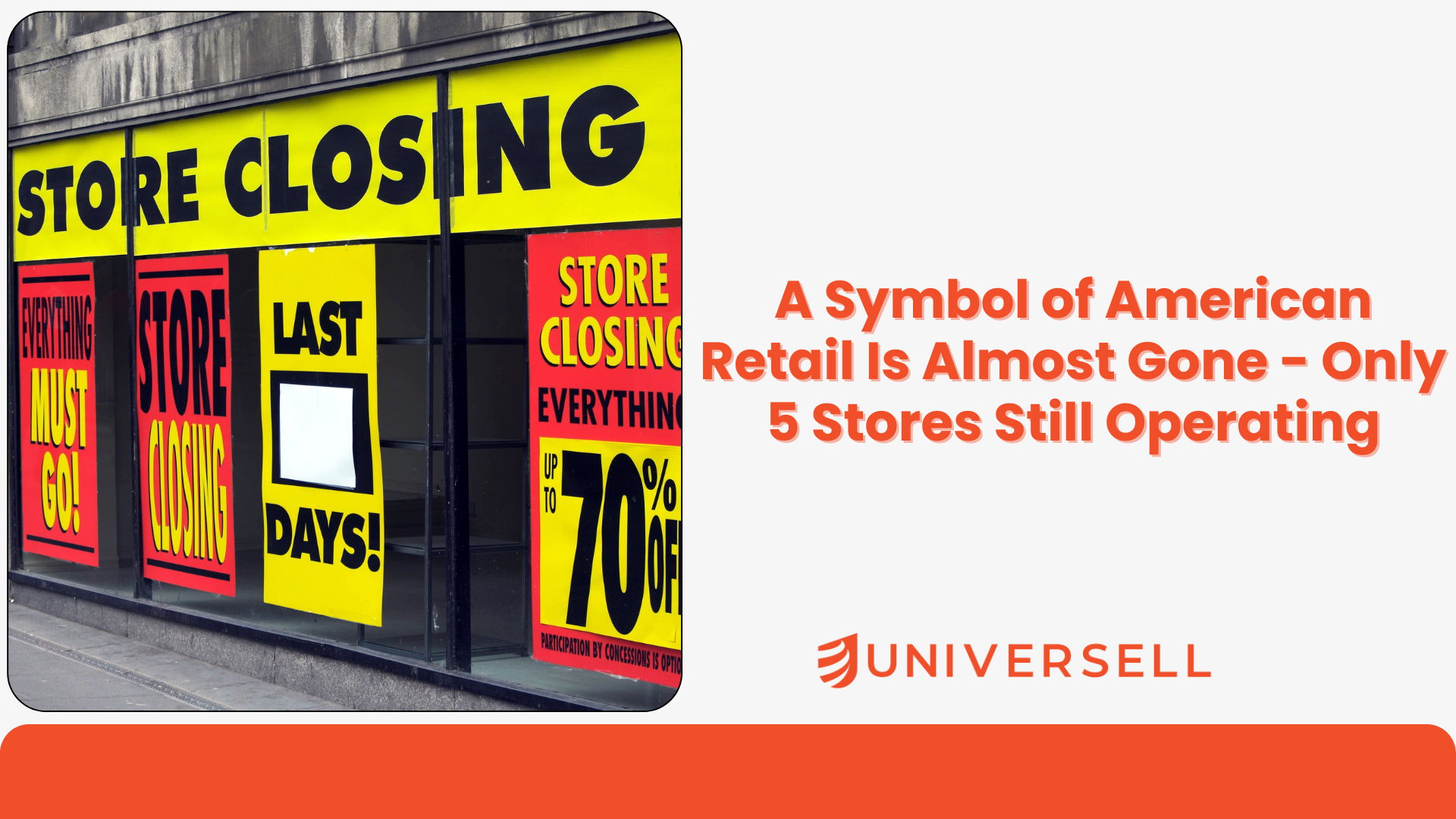
A Symbol of American Retail Is Almost Gone – Only 5 Stores Still Operating
For decades, this iconic retailer stood as a cornerstone of American shopping culture. Families visited its stores for everything – from clothing and electronics to home essentials and seasonal items. It shaped the way Americans shopped, influenced modern retail design, and helped define the era of big-box retail.
But today, a company that once had hundreds of locations across the country is down to just five stores. Its decline represents more than a business downturn; it reflects a dramatic shift in how Americans shop.
1. The Rise of a Retail Giant
At its peak, this retailer wasn’t just a store – it was a destination. Shoppers relied on it for convenience, variety, and affordability. Its catalogues, in-store experiences, and seasonal promotions became a cultural staple for millions of households.
The brand had built a powerful identity, rooted in trust and national presence, and served as a one-stop solution long before online retail existed.
2. What Went Wrong
The slow collapse of this retail icon wasn’t sudden. It was a combination of evolving consumer habits and internal missteps.
Changing Consumer Behavior
As e-commerce grew, shoppers shifted to online platforms offering faster delivery, broader choices, and dynamic pricing. The retailer struggled to adapt quickly enough to the digital era.
Internal Challenges
Operational inefficiencies, outdated store formats, and limited investment in technology made it harder to compete. Competitors modernized – this retailer did not.
Financial Pressures
Years of declining sales led to store closures, restructuring, and shrinking footprints. What began as a strategic scale-down slowly turned into survival mode.
3. A Changing Retail Landscape
The fall of this company mirrors a bigger story happening across the U.S. retail industry.
Big-box stores that dominated the 80s, 90s, and early 2000s are now under immense pressure from:
- Online marketplaces
- More agile competitors
- Younger shoppers’ preference for niche, value-driven brands
- Rising operating costs
- Shifts toward convenience-first shopping
Retail today demands speed, personalization, and omnichannel experiences. The old model simply isn’t enough.
4. The Last 5 Stores
With only five operating locations remaining, the brand now exists as a shadow of its former self. These last stores serve as reminders of what once was – a retail name that shaped generations.
While they still attract loyal customers, their future remains uncertain.
5. The Legacy Lives On
Even as its physical presence nearly disappears, the retailer’s legacy remains significant. It changed how Americans shopped, introduced new standards in customer experience, and served as an early blueprint for modern retail expansion.
Its rise and fall offer valuable lessons to today’s businesses about innovation, consumer behavior, and the importance of adapting quickly to change.
Where Modern Retailers Must Learn & Adapt
Today’s retailers can avoid the same fate by embracing speed, technology, and smarter systems.
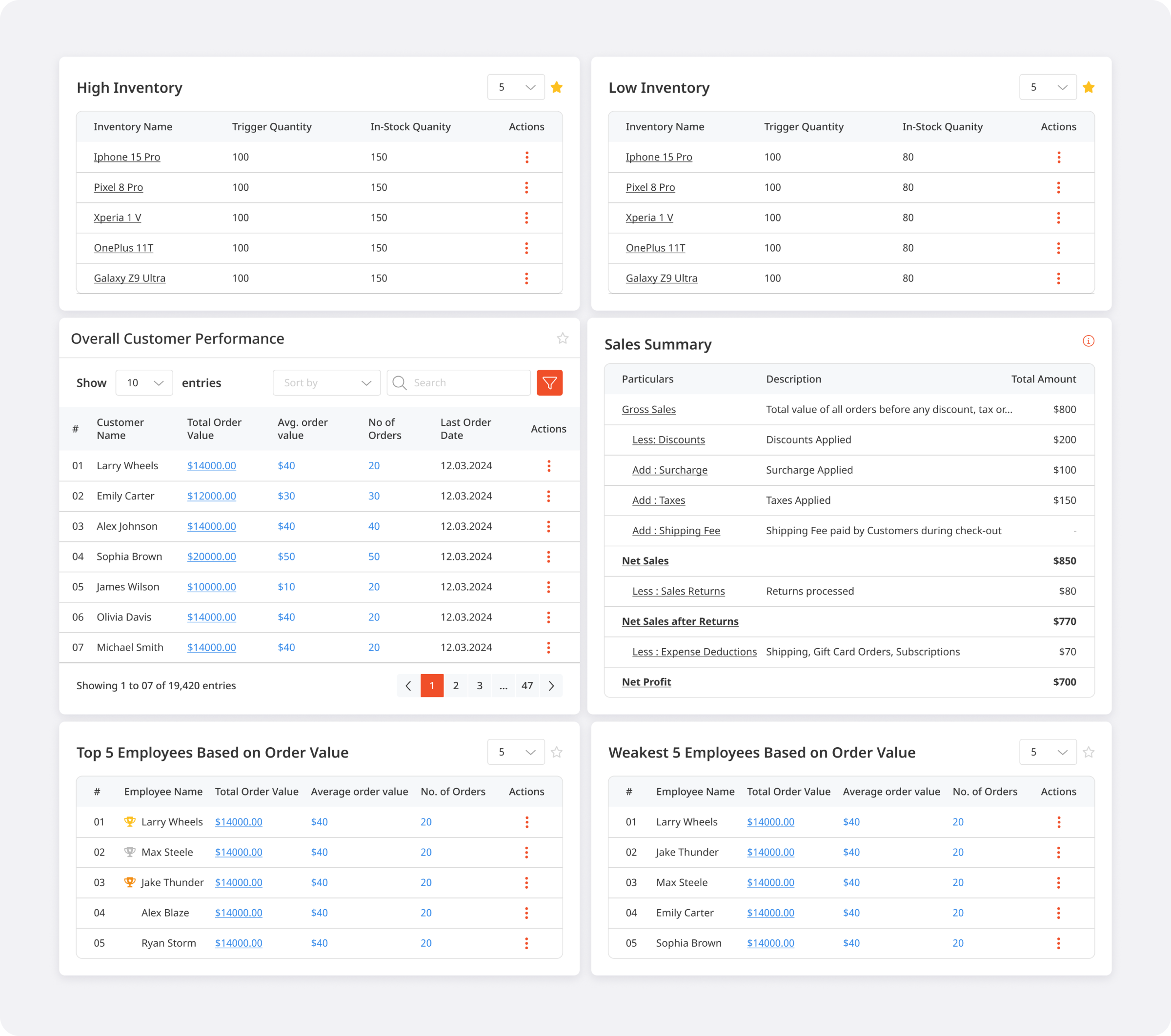
This is where platforms like Universell make a real difference. With connected POS, inventory, CRM, staff management, and automation tools in one place, retailers can stay efficient, competitive, and aligned with how modern shoppers think and buy.
👉 Explore Universell: www.universell.us
#RetailNews #RetailTrends #RetailUpdates #ConsumerBehavior #ShoppingTrends #MarketTrends #RetailInsights #RetailIndustry #RetailTechnology #POSSystems #BusinessTrends #OmnichannelRetail #InventoryManagement #RetailGrowth #UniversellPlatform