
Nov, 17 2025
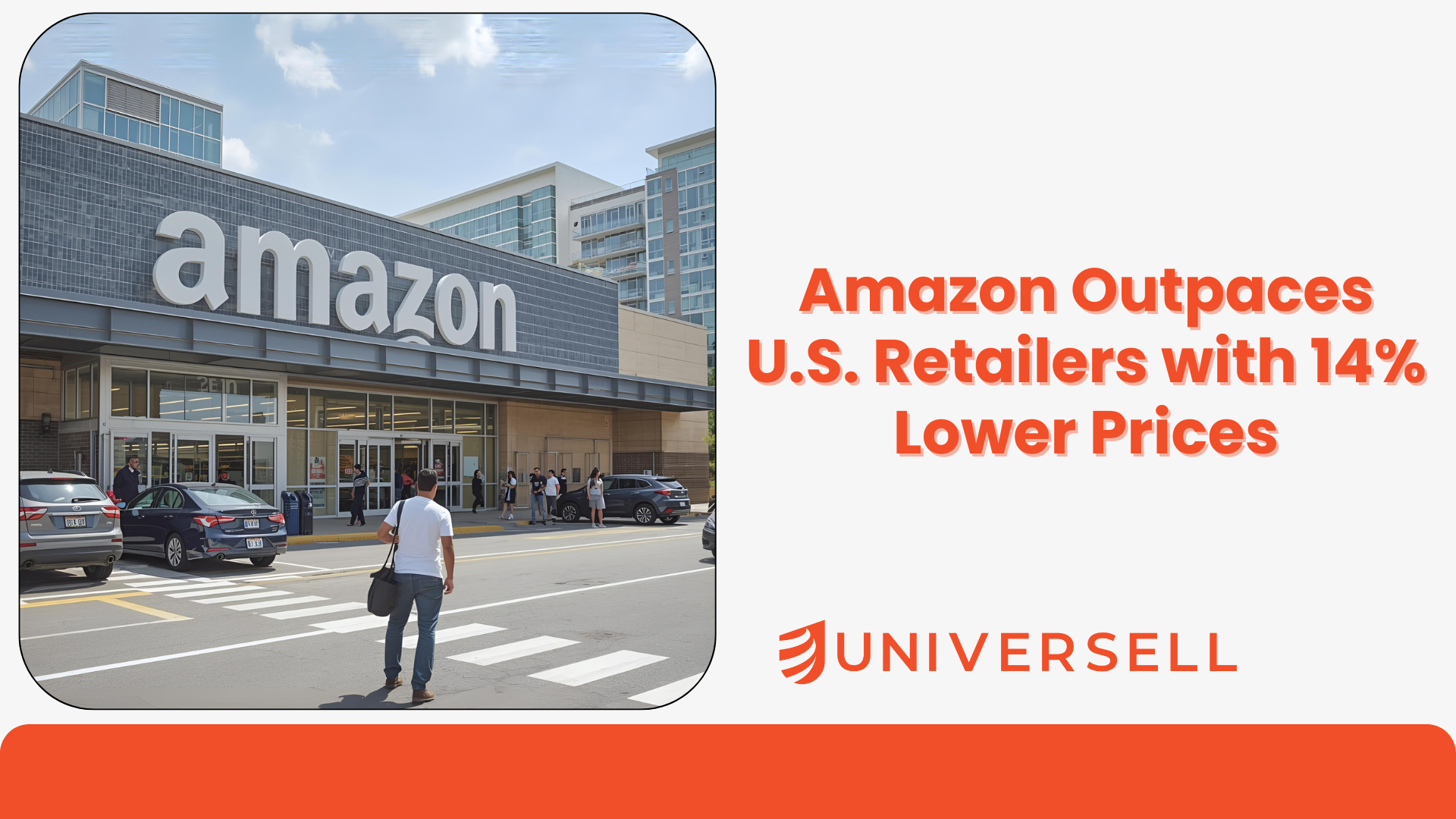
Amazon Outpaces U.S. Retailers with 14% Lower Prices
Amazon has solidified its position as the price leader in the U.S. retail market, with prices averaging 14% lower than 23 other major online retailers, according to a recent Profitero analysis. This price advantage has made Amazon the go-to choice for budget-conscious consumers and highlights the strategies behind its dominance in e-commerce.
Why Amazon’s Prices Are Lower
Amazon’s ability to offer consistently lower prices is driven by its massive scale and technological advancements. With a vast network of suppliers and a global reach, Amazon can negotiate better prices and pass those savings on to consumers. This gives Amazon a significant edge over many smaller retailers, who often can’t compete on price alone.
Additionally, Amazon’s pricing strategy is powered by dynamic algorithms that adjust prices in real-time. These algorithms consider factors such as demand, competitor pricing, and market trends, ensuring that Amazon always remains competitive.
Consumer Behavior and Price Sensitivity
In today’s economic environment, consumers are more price-sensitive than ever, making value a top priority. With rising costs of living, shoppers are more selective and tend to compare prices before making a purchase. The Profitero study shows that Amazon’s ability to offer lower prices has made it the preferred retailer for those seeking the best deal.
Amazon’s competitive prices, fast shipping, and ease of shopping have made it the go-to platform for consumers who want both convenience and affordability. This reinforces Amazon’s strong position in the market, as it is not only trusted for its value but also for its customer-centric experience.
The Struggle for Competitors
While Amazon leads in pricing, other online retailers are feeling the pressure. Many must lower their prices to compete, but few can match Amazon’s scale and price efficiency. Retailers like Walmart and Target are doing their best to offer similar pricing strategies, but Amazon’s ability to adjust prices quickly and effectively gives it a clear edge.
Smaller retailers, particularly niche businesses, often cannot compete solely on price. These retailers try to differentiate through unique products or superior customer service. However, they still find it difficult to keep pace with Amazon’s low-price, high-efficiency model.
The Role of Amazon Prime
Amazon Prime plays a crucial role in Amazon’s pricing strategy. With exclusive discounts, free shipping, and early access to deals, Prime encourages repeat purchases, which further strengthens Amazon’s price leadership. This subscription model not only boosts customer loyalty but also drives higher spending.
Conclusion
Amazon’s ability to offer consistently lower prices than its competitors has made it the dominant force in the U.S. retail market. Its dynamic pricing strategy, massive supply chain, and customer-first approach give it a competitive edge that other retailers struggle to match. As consumers continue to prioritize value, Amazon will likely remain the go-to destination for the best deals.
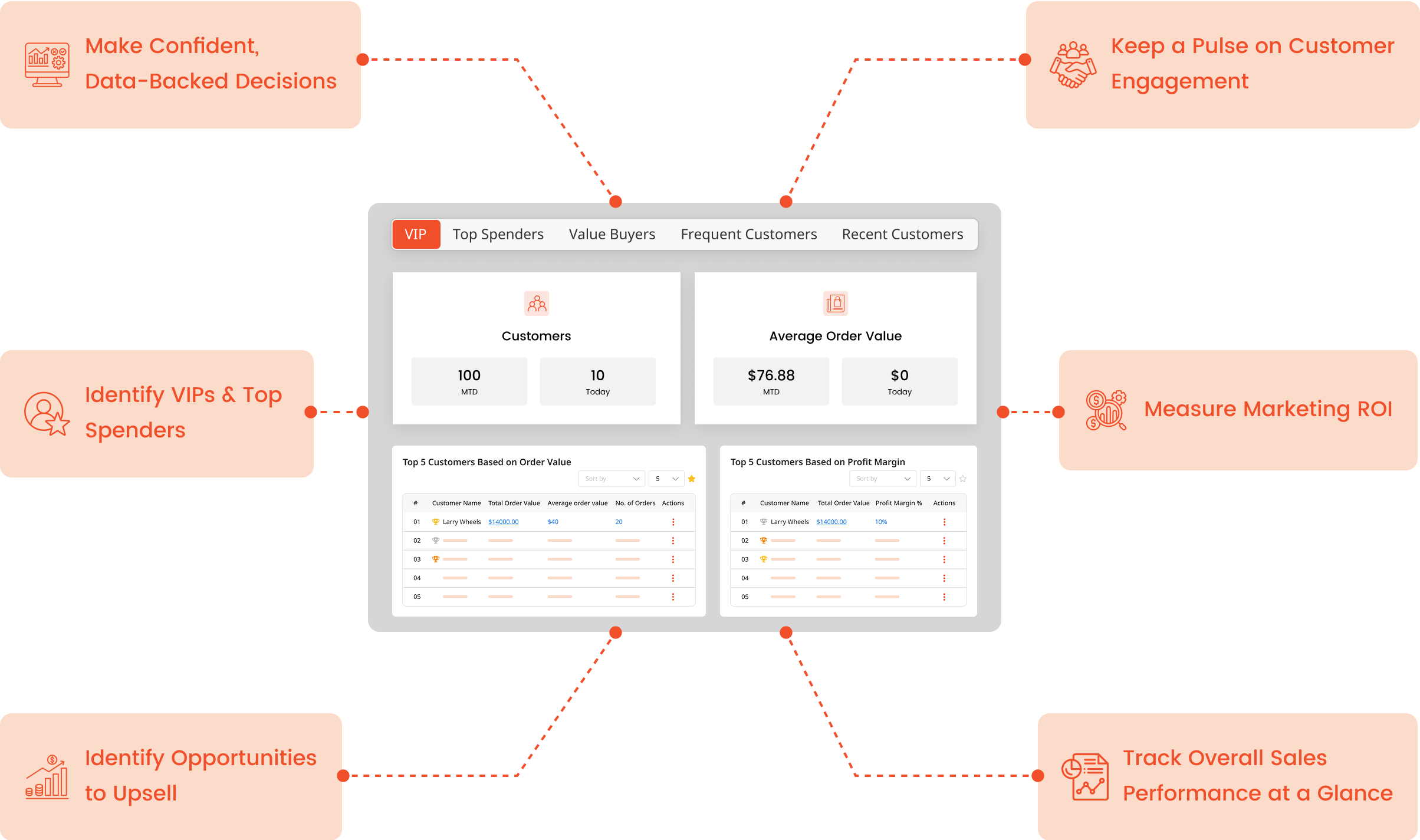
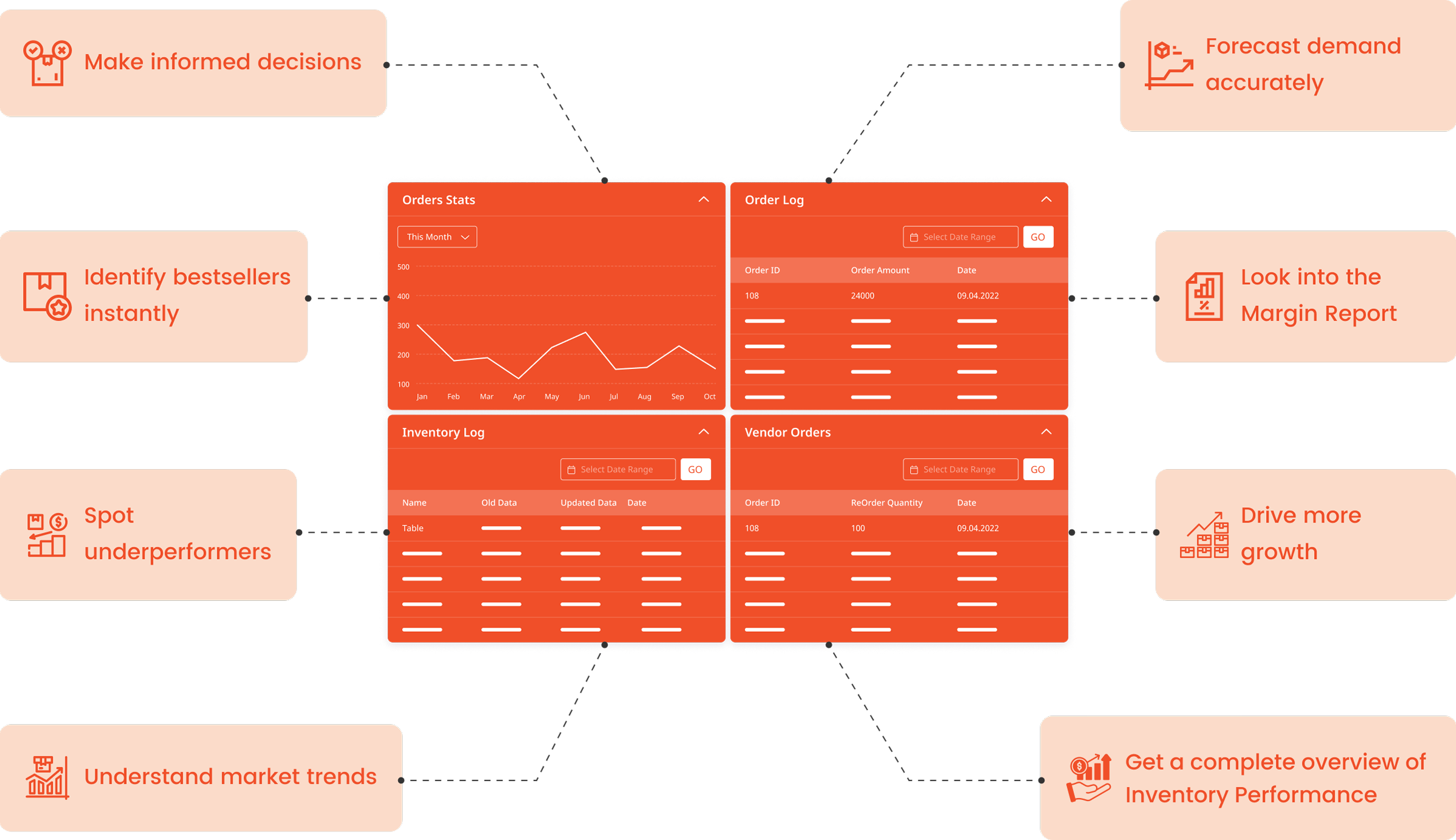
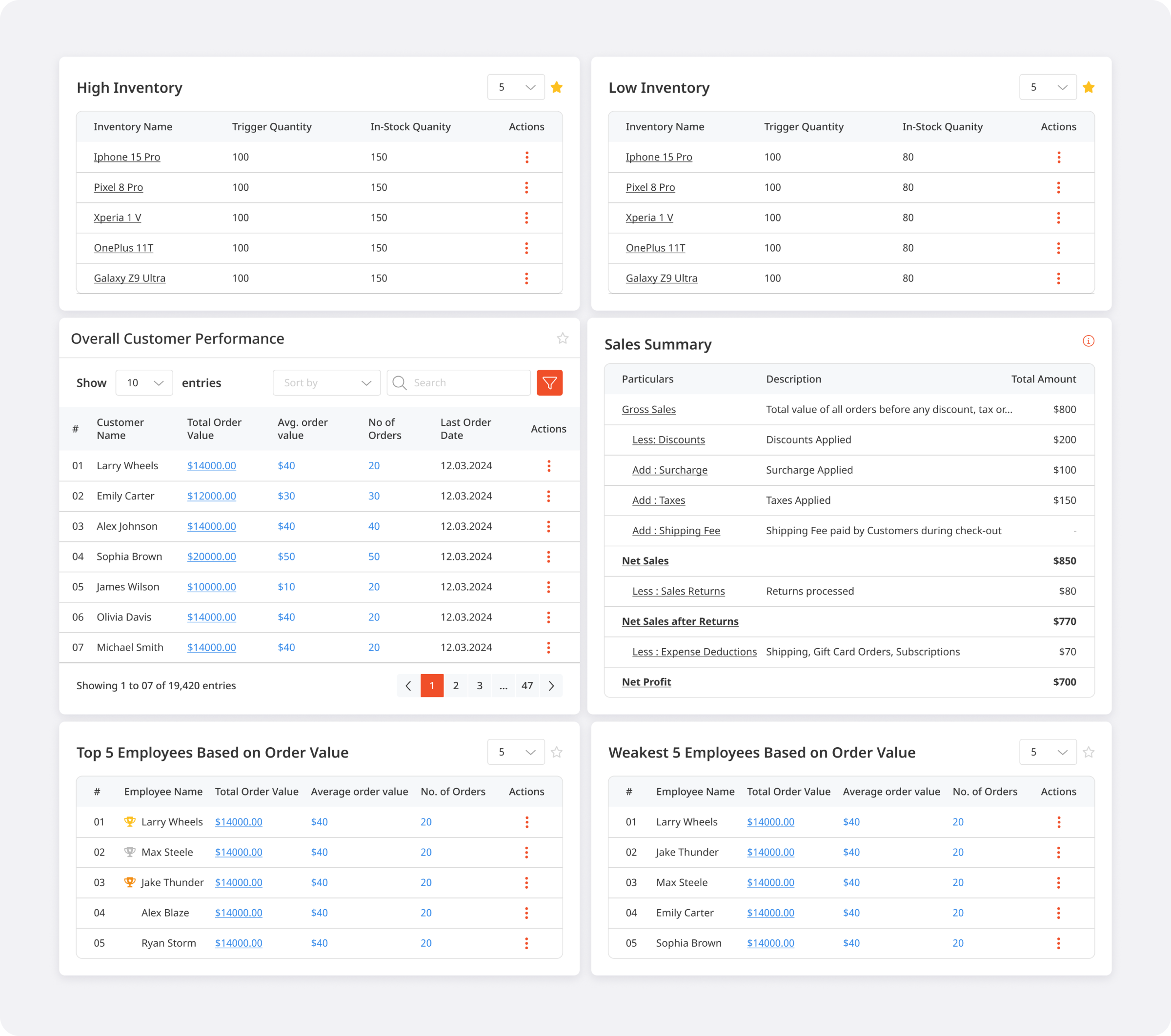
For retailers looking to stay competitive, the Universell Platform can help streamline operations, from CRM to inventory management, ensuring businesses can adapt quickly to market changes and improve their pricing strategies.
Learn more at www.universell.us.
#RetailMarketing #PricingStrategy #Ecommerce #BusinessGrowth #Automation #CustomerExperience #Universell #SmallBusiness #DigitalTransformation