
Aug, 01 2025
Backorder Management: Everything Retailers Need to Know
In today’s fast-paced retail environment, customer expectations are higher than ever. They want instant gratification, fast shipping, and accurate inventory updates. So, what happens when a product runs out of stock but demand is still high? That’s where backorder management comes in.
Backorders are a normal part of retail — but if not handled properly, they can lead to customer frustration, lost sales, and damaged brand reputation. In this article, we’ll break down everything retailers need to know about managing backorders effectively.
🔄 What Is Backorder Management?
Backorder management is the process of handling customer orders for items that are currently out of stock. It involves:
- Accepting orders despite low or zero inventory
- Updating customers on expected delivery dates
- Reordering stock from suppliers
- Ensuring timely fulfillment once inventory is replenished
🛍️ Why Do Backorders Happen?
Backorders can occur for several reasons:
- Supply chain delays
- Unexpected demand spikes
- Inaccurate inventory tracking
- Vendor production issues
While backorders aren’t always avoidable, how you manage them can make or break your customer experience.
🧠 The Risks of Poor Backorder Management
Neglecting your backorder process can lead to:
- ❌ Lost customers due to long wait times
- ❌ Negative reviews and complaints
- ❌ Increased support workload
- ❌ Inventory chaos and miscommunication
✅ Best Practices for Managing Backorders
Here’s how top retailers stay on top of backorders:
1. Real-Time Inventory Tracking
Ensure your system updates inventory levels in real time across all sales channels to avoid overselling.
2. Automated Stock Alerts
Use automated tools to trigger restock orders or notify staff when inventory hits critical levels.
3. Transparent Communication
Keep customers informed about their order status, expected delivery dates, and delays, if any.
4. Set Clear Backorder Policies
Display messages on product pages like “Backordered – Ships in 2 weeks” to set accurate expectations upfront.
5. Partner with Reliable Suppliers
Strengthen relationships with vendors who can quickly fulfill replenishment orders.
6. Use Smart Inventory Management Tools
A centralized platform can help automate reordering, track shipments, and reduce manual errors.
🧩 How Universell Helps You Streamline Backorder Management
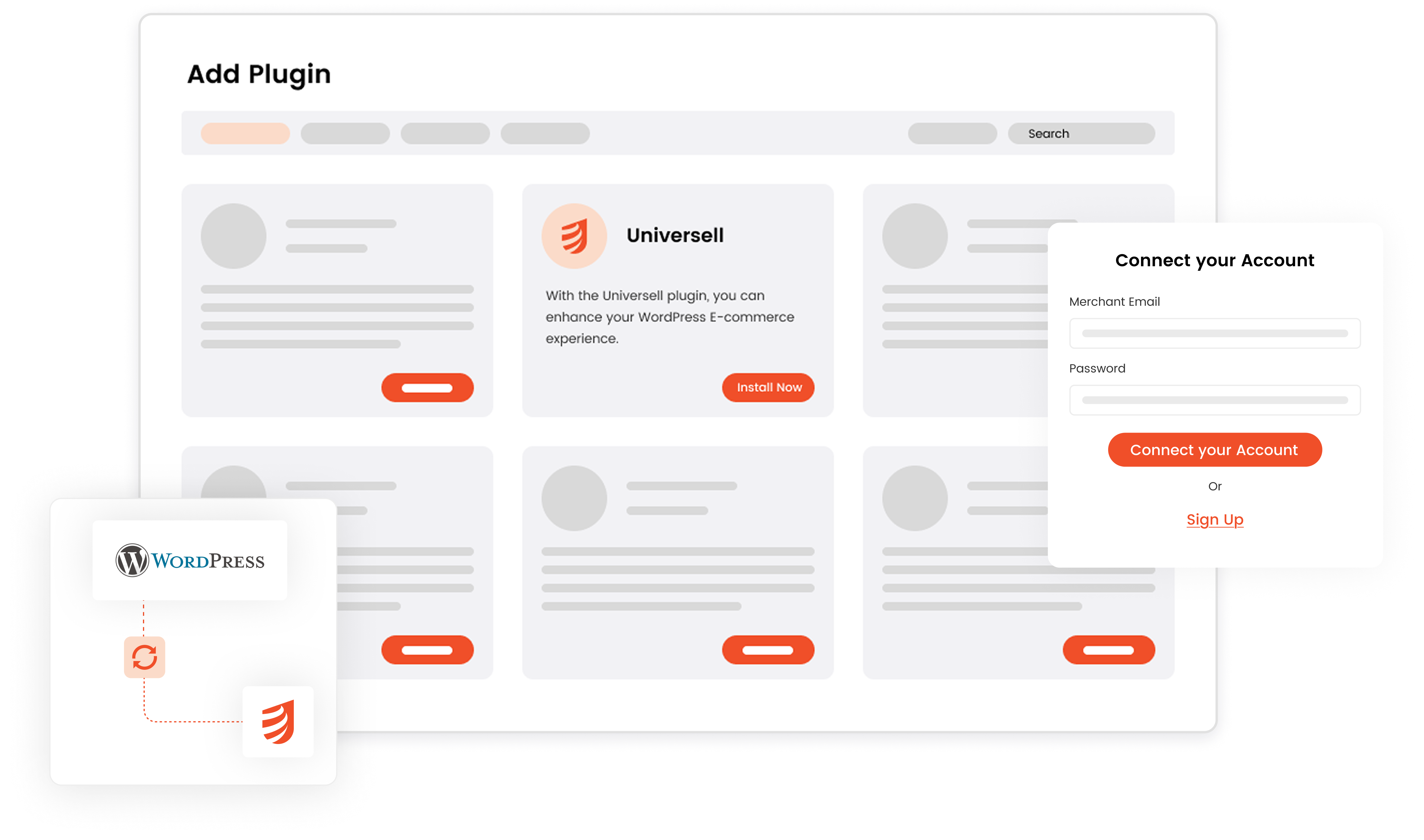
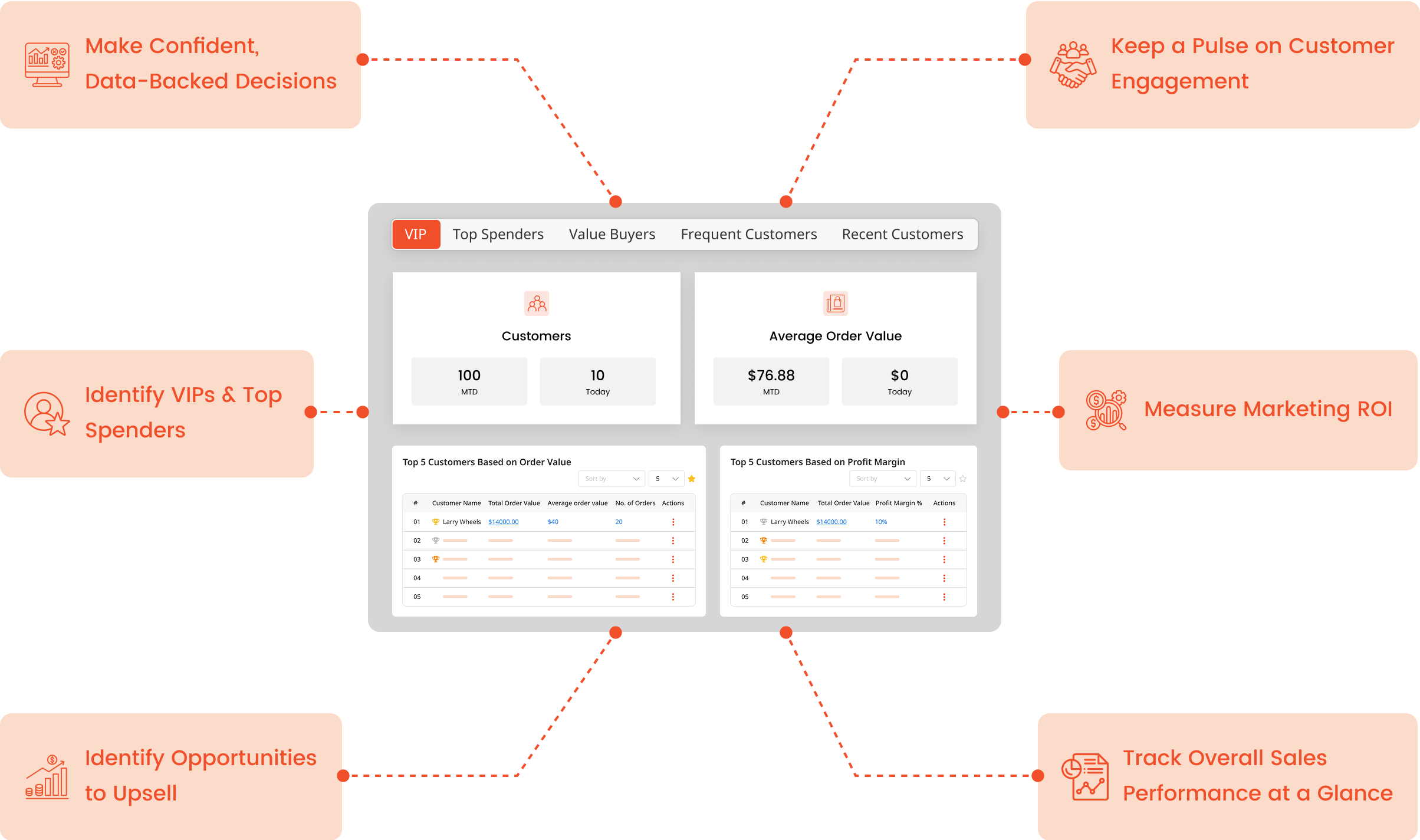
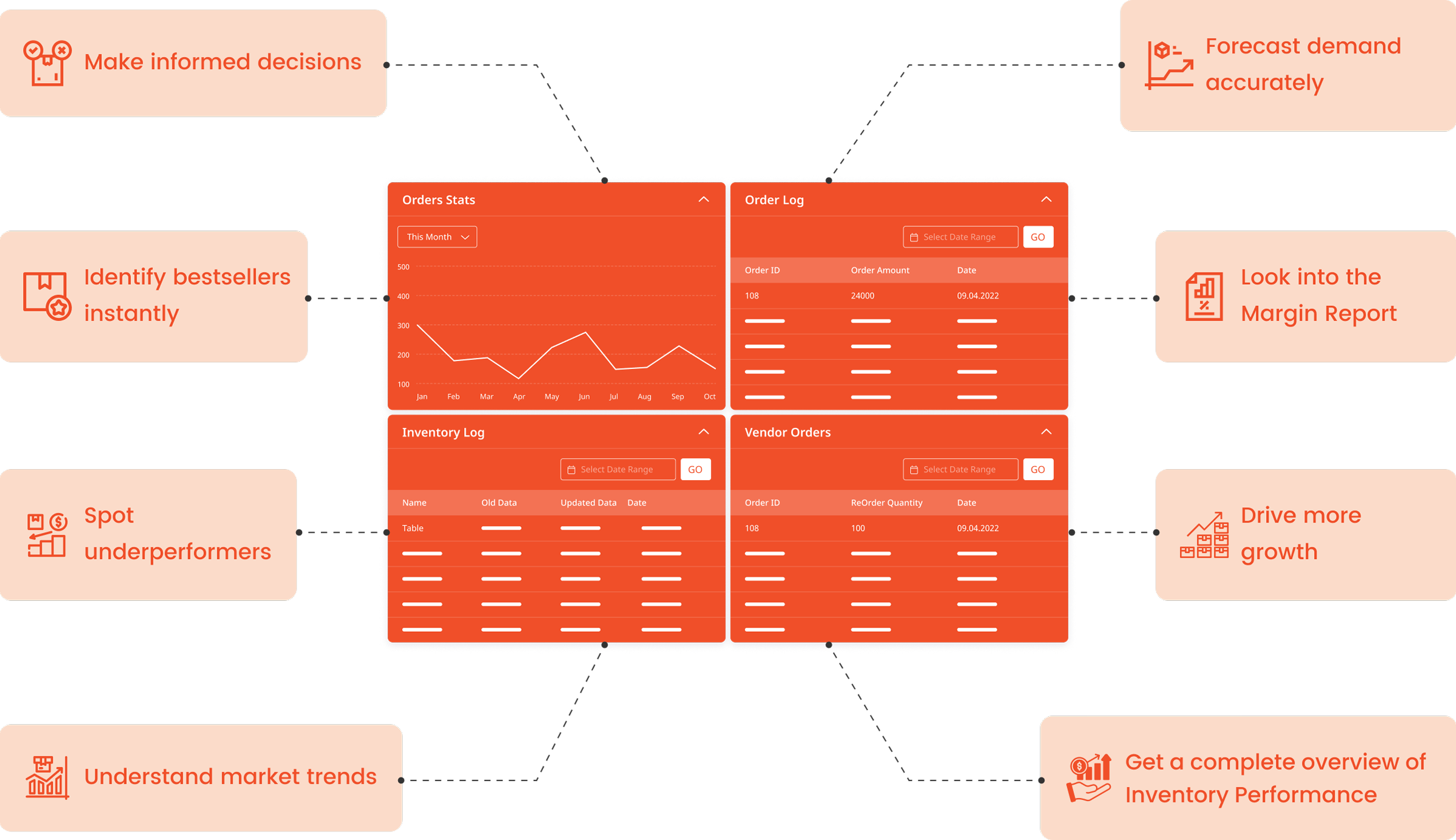
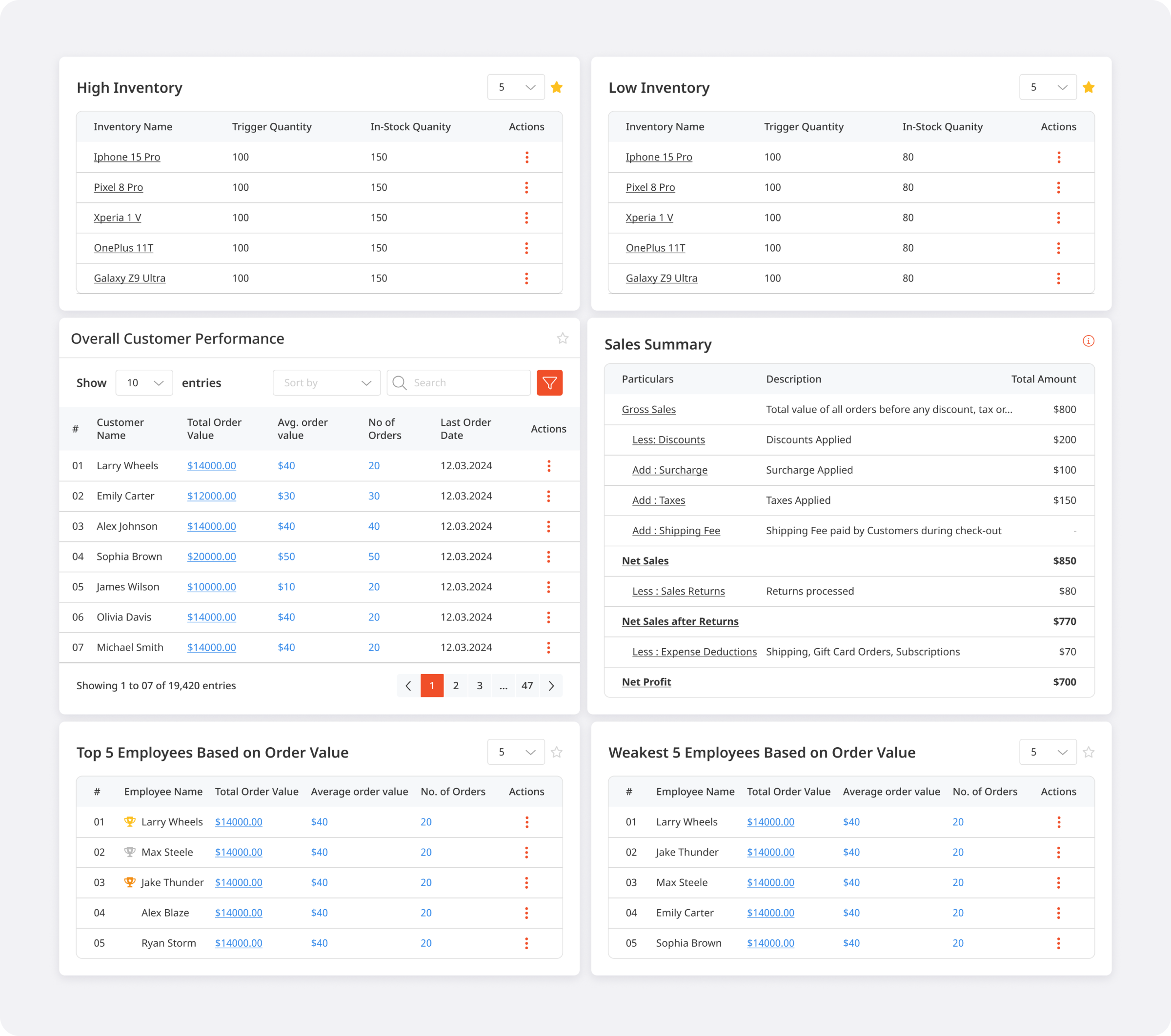
Universell is a powerful all-in-one business platform that simplifies inventory, POS, and order tracking for retailers. Its intuitive dashboard gives you:
- 📦 Real-time inventory visibility
- 🔄 Automated restock alerts
- 📊 Seamless backorder tracking
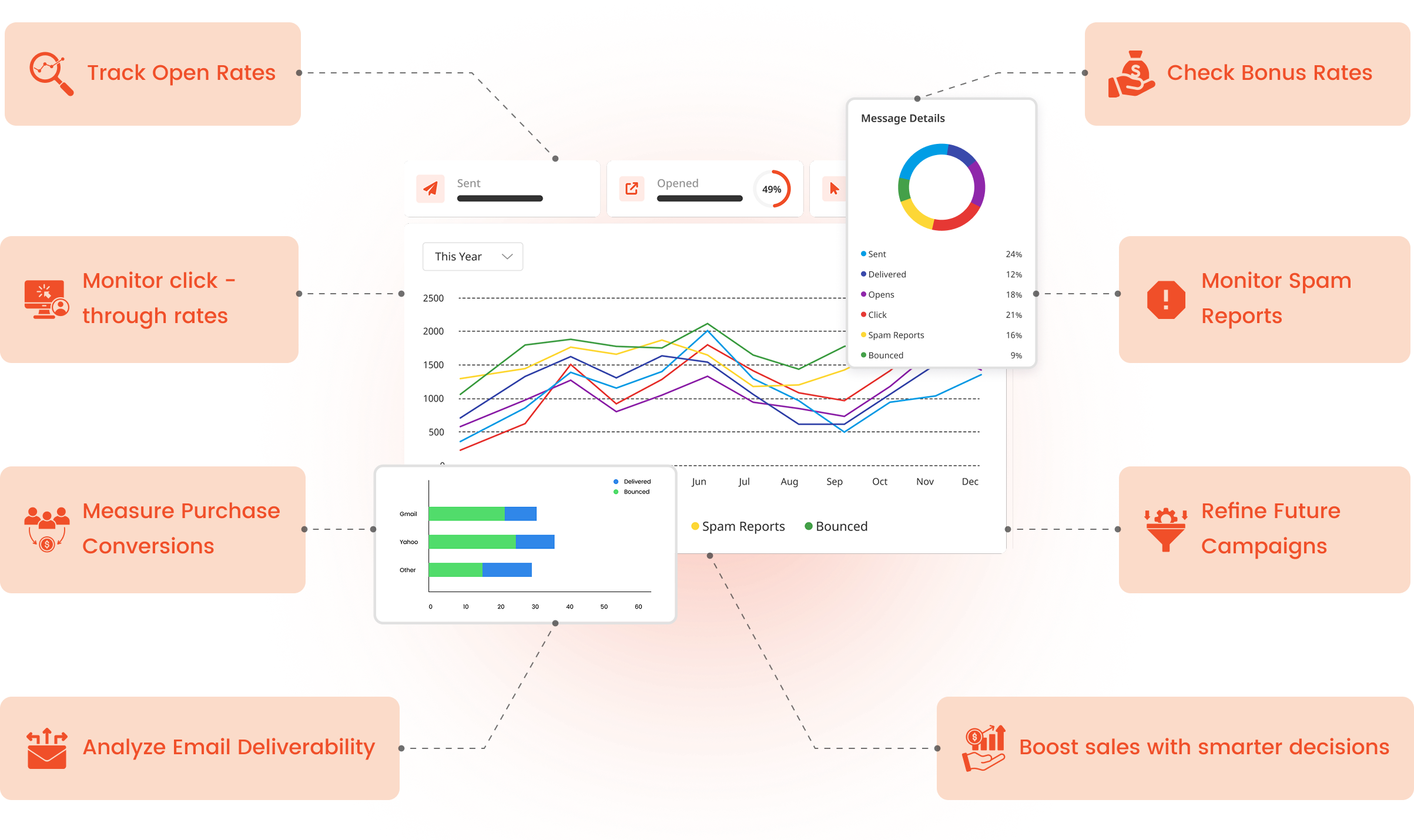
- 📬 Smart customer notifications
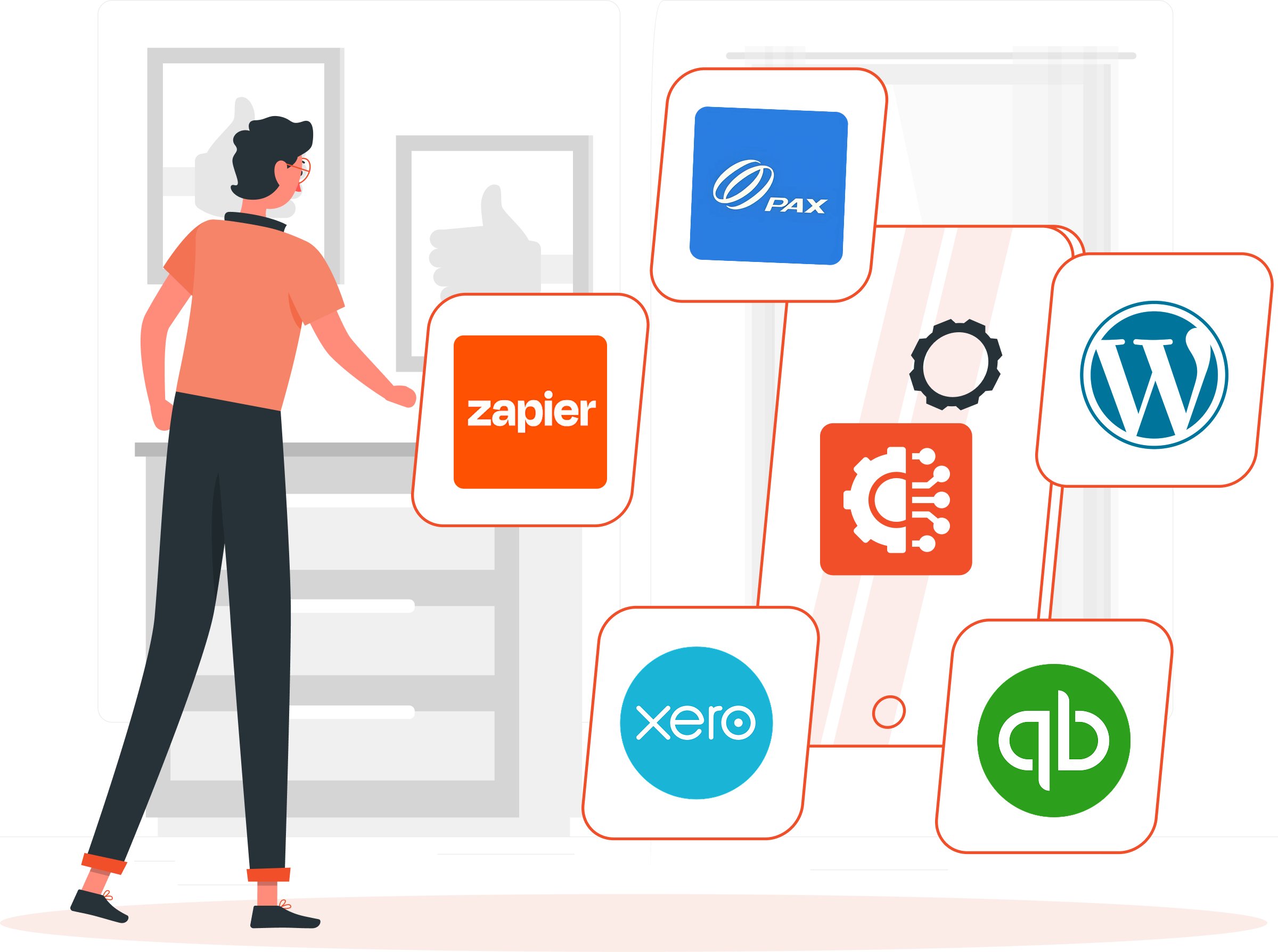
- 🔗 Integration with Shopify, WooCommerce, and more
With Universell, you can turn backorder challenges into opportunities for better customer experience and smarter operations.
👉 Start optimizing your inventory and backorder flow today at www.universell.us
📌 Final Thought:
Backorders aren’t the problem — mismanaging them is. With the right tools like Universell, you can keep customers happy and business running smoothly even when stock runs low.
#RetailTips #InventoryManagement #BackorderSolutions #EcommerceGrowth #RetailTools #POSsystems #StockManagement #UniversellPlatform #SmallBusinessTools #RetailOperations #BusinessEfficiency #ShopifyTools #WooCommerceSolutions #RetailSuccess #OrderManagement #SupplyChainSolutions