
Mar, 19 2025
Big Retailer’s Hardball Tariff Playbook
The ever-changing landscape of global trade policies and tariffs continues to challenge retailers worldwide. As governments impose tariffs on imported goods, major retailers have devised strategies to mitigate the impact, ensuring profitability while maintaining competitive pricing. This article delves into the hardball tactics big retailers use to combat tariff hikes—haggling with suppliers, diversifying sourcing, and raising prices—and how these strategies shape the consumer market.
1. Haggling with Suppliers: Pushing for Lower Costs
Large retailers wield considerable bargaining power when negotiating with suppliers. In the face of rising tariffs, they often demand lower prices to offset additional import costs. Key strategies include:
- Bulk Purchasing: Retail giants commit to higher volumes in exchange for lower per-unit costs.
- Extended Payment Terms: Negotiating longer credit periods helps maintain cash flow while adjusting to new pricing structures.
- Shifting Cost Burdens: Some retailers demand suppliers absorb a portion of the tariff costs to keep contracts intact.
While these tactics can work in favor of retailers, they put immense pressure on smaller suppliers, often leading to reduced profit margins or operational strain.
2. Diversifying Supply Chains: Reducing Dependence on Tariff-Prone Regions
Rather than relying on a single country for production, big retailers are increasingly diversifying their supply chains to mitigate tariff risks. Strategies include:
- Relocating Manufacturing: Companies shift production from high-tariff regions (e.g., China) to lower-cost alternatives such as Vietnam, India, and Mexico.
- Nearshoring: Moving manufacturing closer to consumer markets reduces shipping costs and avoids geopolitical uncertainties.
- Dual Sourcing: Maintaining multiple suppliers in different regions ensures flexibility and minimizes disruptions.
Diversification not only shields businesses from tariff fluctuations but also strengthens their resilience against geopolitical tensions and global supply chain disruptions.
3. Raising Prices: Passing Costs to Consumers
When cost-cutting measures and supply chain shifts are insufficient, retailers often resort to price adjustments. Common tactics include:
- Gradual Price Increases: Implementing incremental price hikes over time to avoid shocking consumers.
- Product Shrinkflation: Maintaining price points while reducing product sizes or altering packaging to maintain margins.
- Dynamic Pricing: Using data-driven pricing models to adjust prices based on demand elasticity and competitor strategies.
Although raising prices may lead to short-term revenue protection, it risks alienating price-sensitive consumers and driving them towards budget-friendly alternatives.
The Consumer Impact: How Customers React
Retailers’ tariff strategies ultimately affect consumers in various ways:
- Higher Prices: Consumers may see noticeable increases in the cost of everyday goods, particularly in categories like electronics, apparel, and home goods.
- Limited Product Availability: Delays in diversifying supply chains can lead to stock shortages or reduced product variety.
- Increased Brand Loyalty & Budget Shopping: Some consumers will stick to familiar brands despite price hikes, while others will turn to discount retailers and private-label alternatives.
Technology’s Role in Managing Tariff Challenges
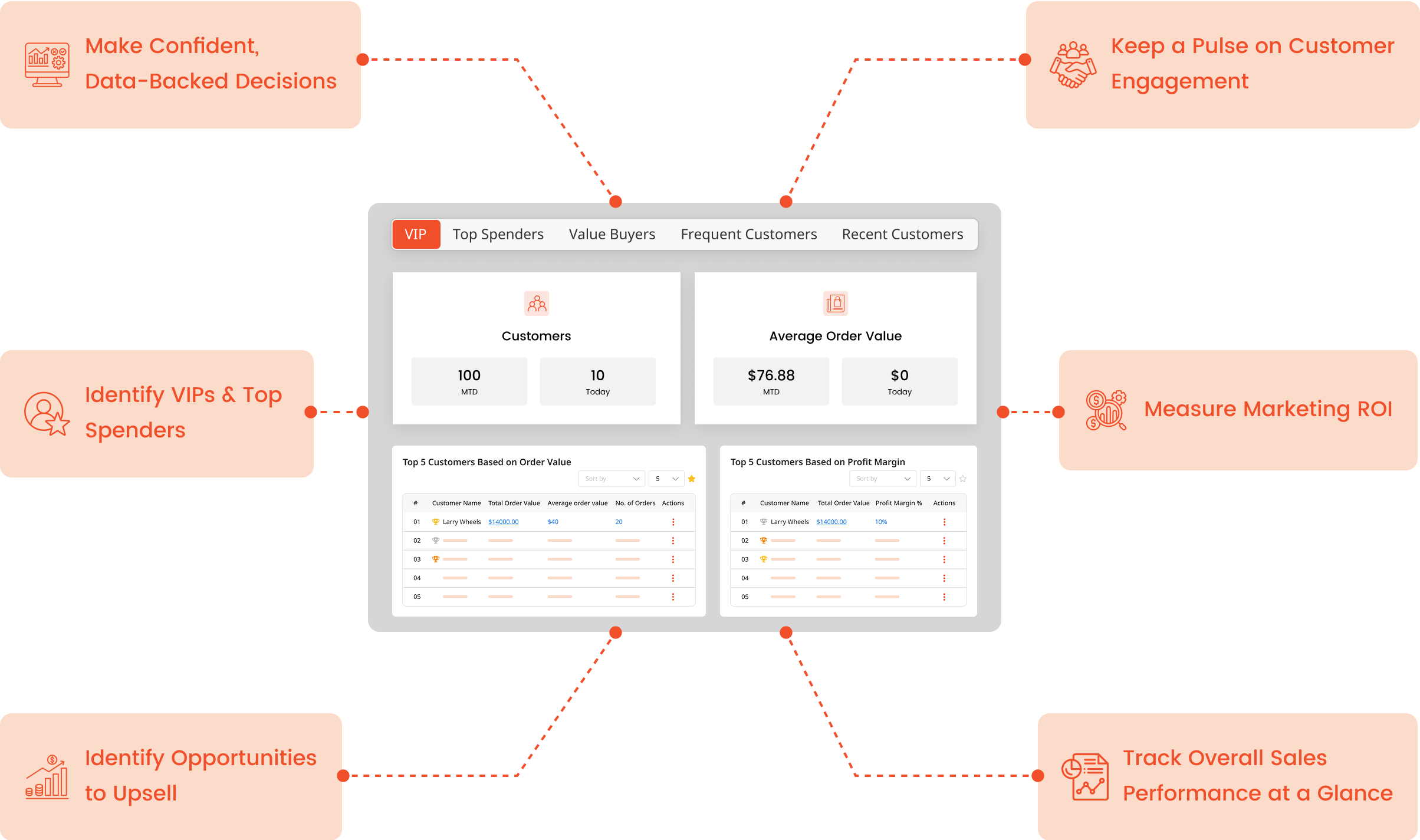
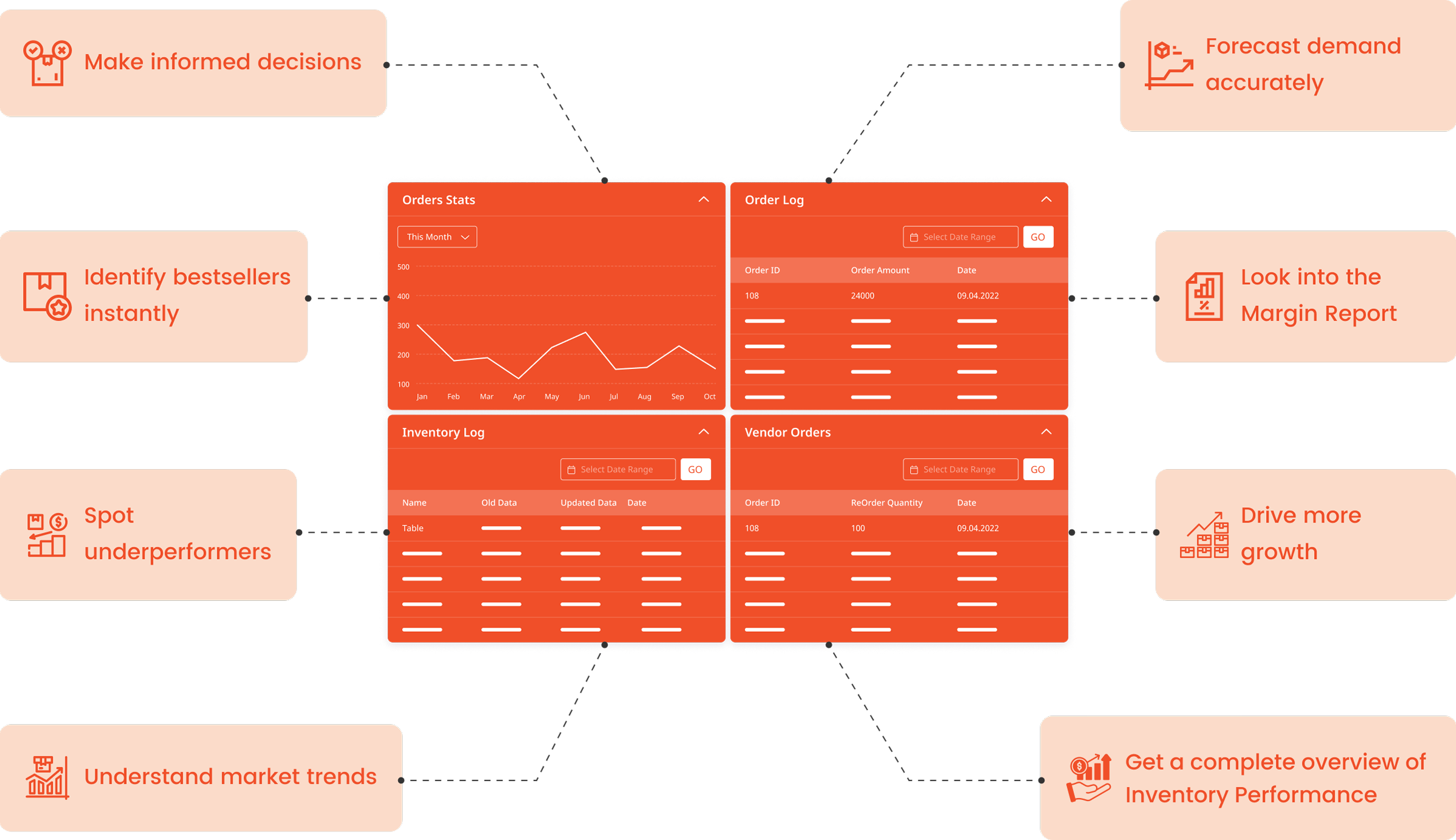
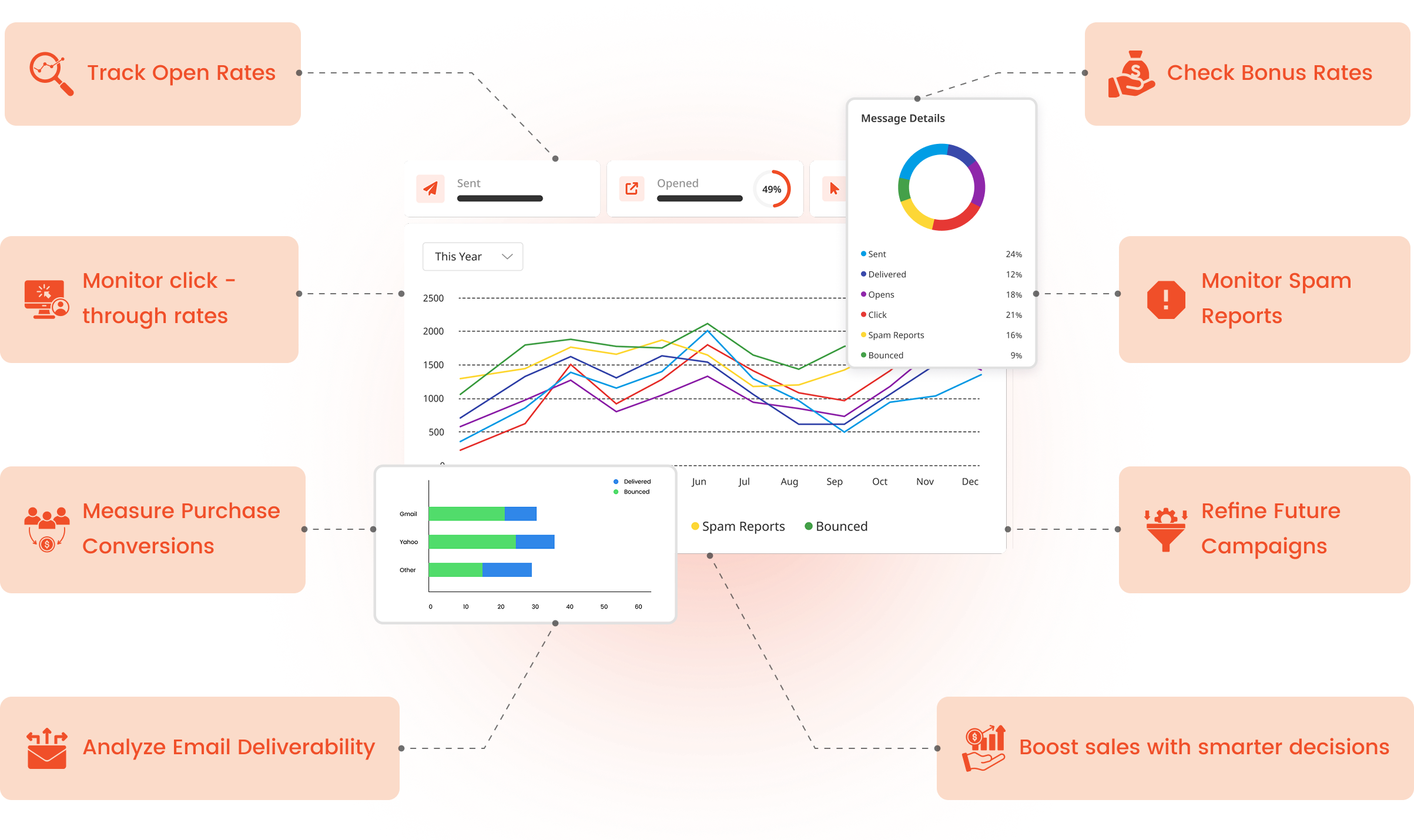
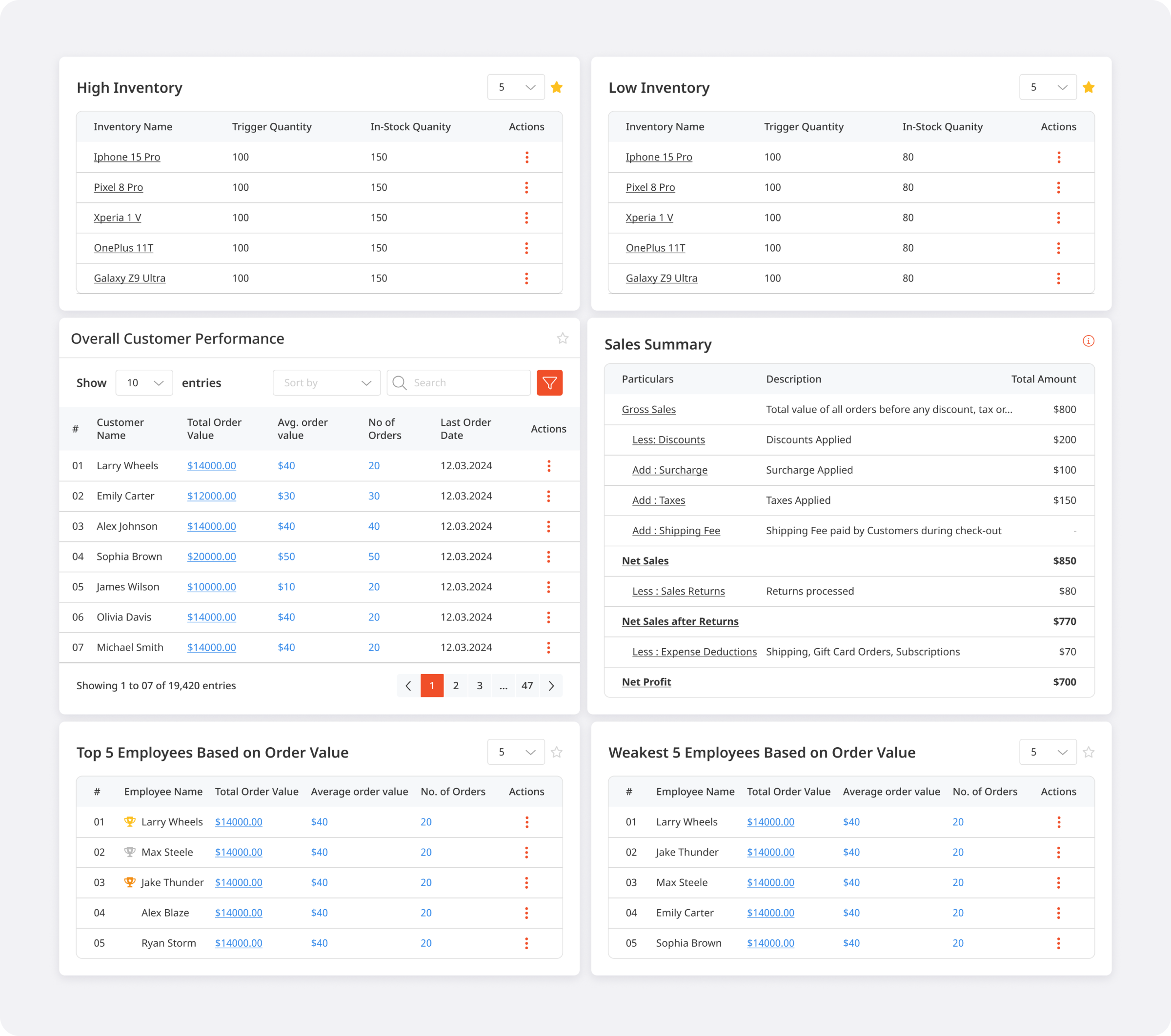
Advanced inventory management systems, analytics, and supply chain automation help retailers optimize their responses to tariff changes. Platforms like Universell provide comprehensive solutions, enabling retailers to track cost fluctuations, automate supply chain decisions, and implement pricing strategies effectively.
Conclusion
As global trade policies remain uncertain, big retailers continue to refine their tariff playbooks—haggling with suppliers, diversifying sourcing, and adjusting prices. While these strategies offer financial cushioning, they also reshape the consumer experience, influencing market trends and purchasing behaviors. Businesses looking to navigate these complexities efficiently can leverage smart business management tools like Universell to streamline operations, enhance supply chain efficiency, and maintain profitability despite market uncertainties.
Learn more: www.universell.us