If you run a small business in 2026, you are probably paying for more software than you need. A CRM here, a payment tool there, an email platform, an inventory system, a scheduling app, and a few subscriptions you forgot you still have. Each one works fine on its own. Together, they cost you money, time, and focus.
Universell was built to replace that pile of tools with one platform. This guide is a practical walkthrough of how to actually use it, from your first login to running your daily operations. We will cover what Universell does, how to set it up, how to use each core area, and how to get the most out of it without getting lost in the options.
Think of it as your onboarding manual, written in plain language.
What Universell Actually Is
Universell is an all-in-one business platform designed for small businesses. It brings 100+ apps into a single workspace, covering the areas most small businesses juggle across five or more separate tools:
- CRM and customer management, so every lead and customer lives in one place.
- Sales and payments, so you can quote, invoice, and get paid without switching apps.
- Marketing, including email and SMS built on your real customer data.
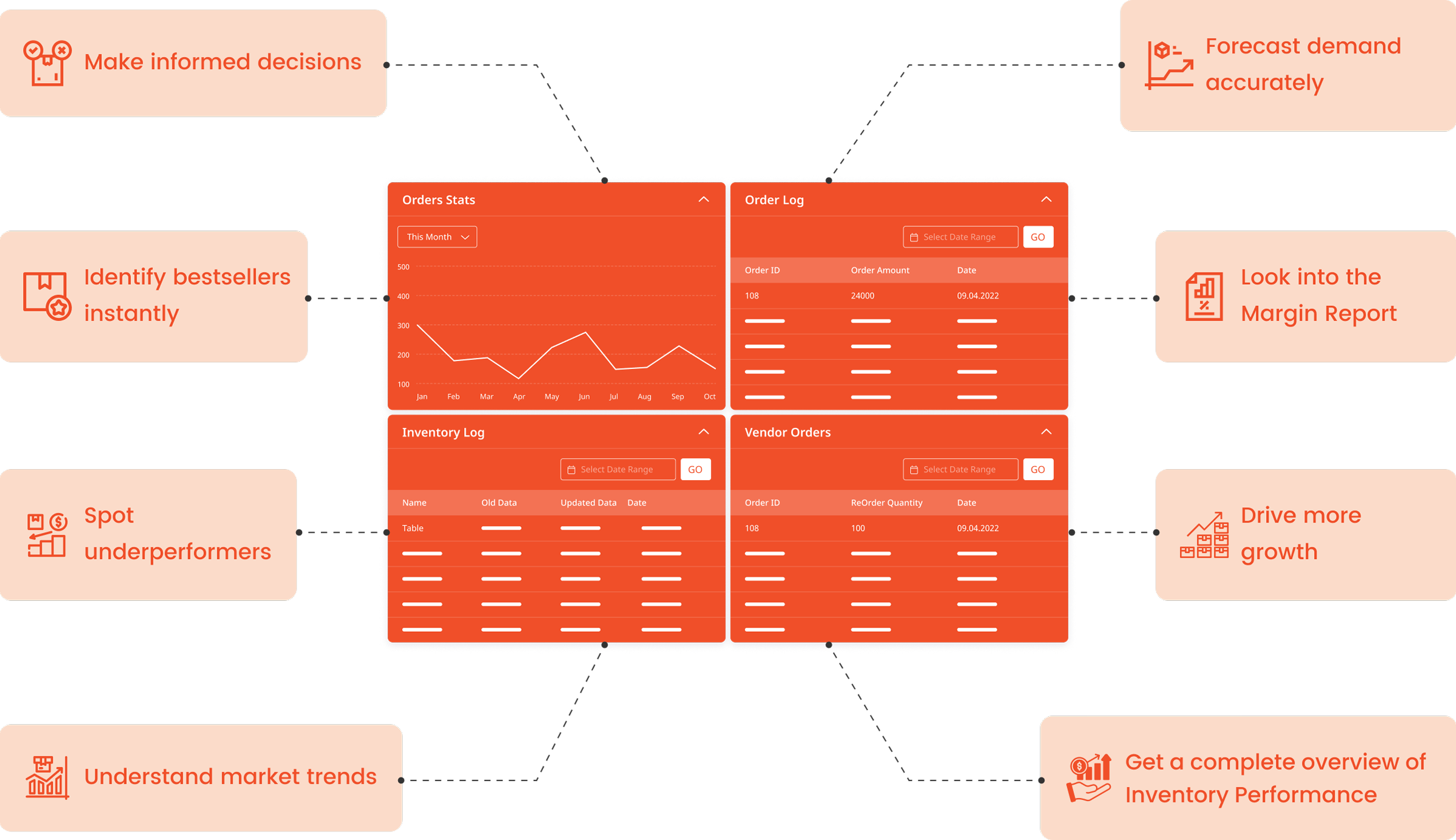
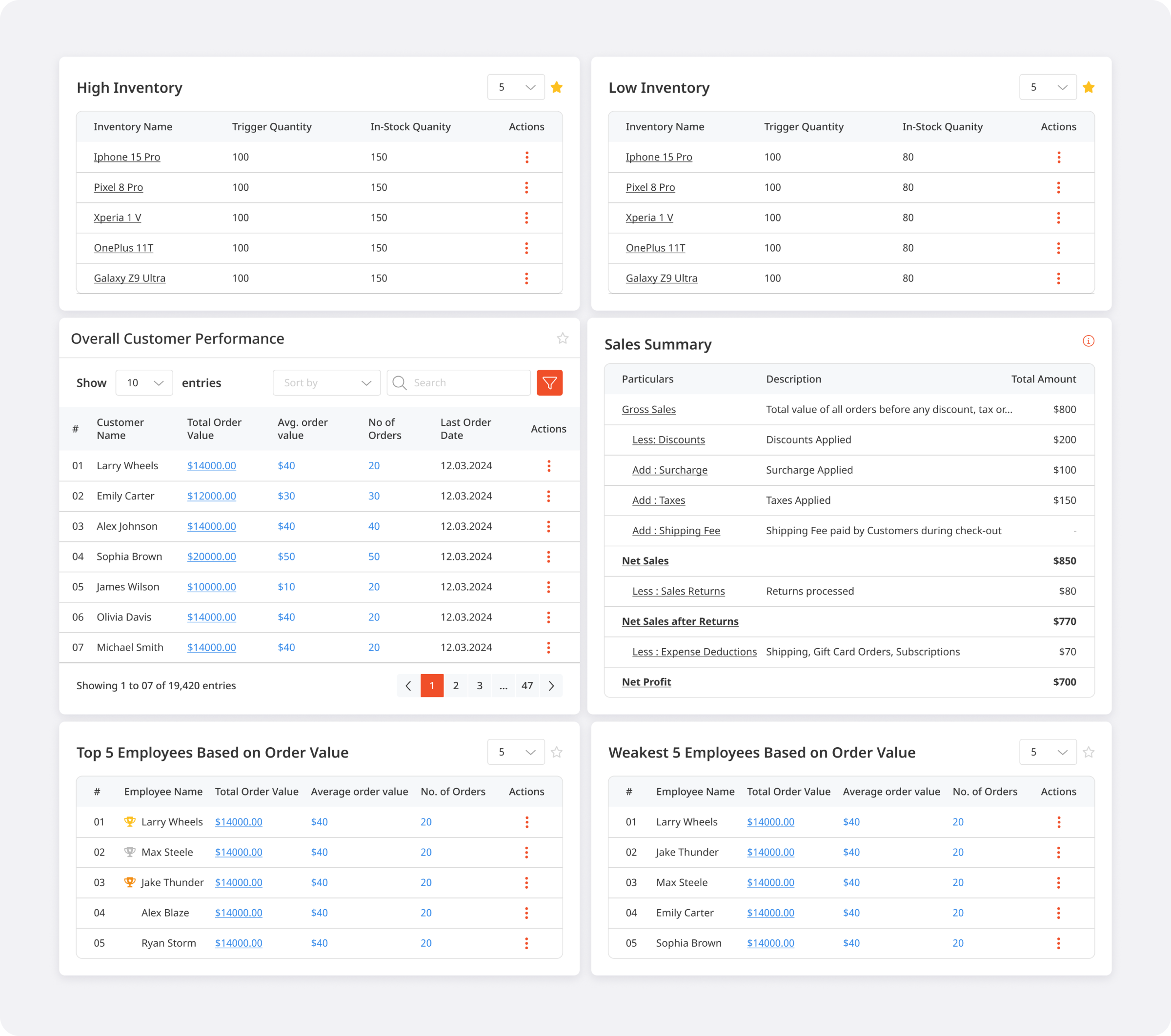
- Inventory and e-commerce, so your store and your stock levels always agree.
- Communication, so calls, texts, and team chat stay attached to the customer record.
- HR and employee tools, so your team’s info is part of the same system.
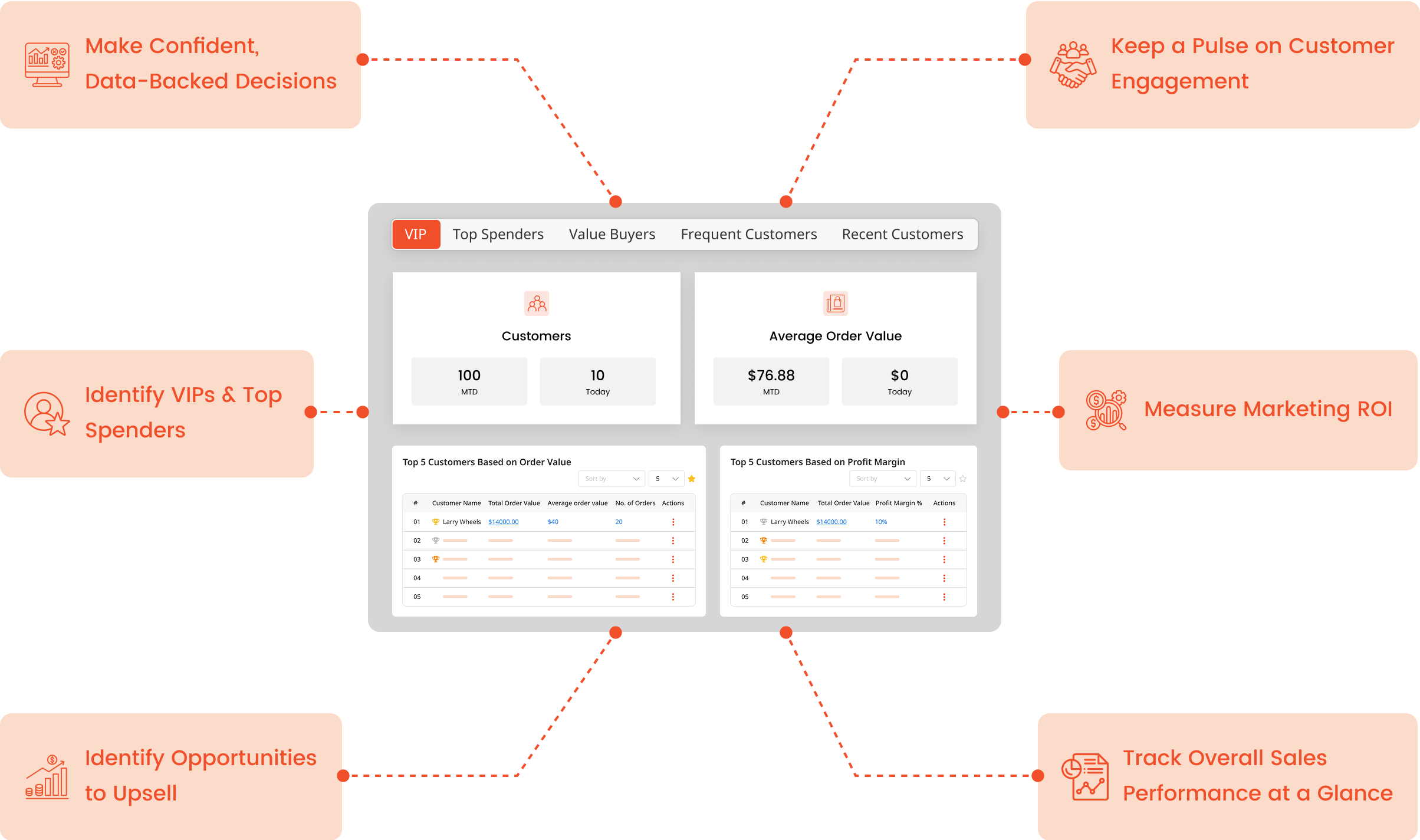
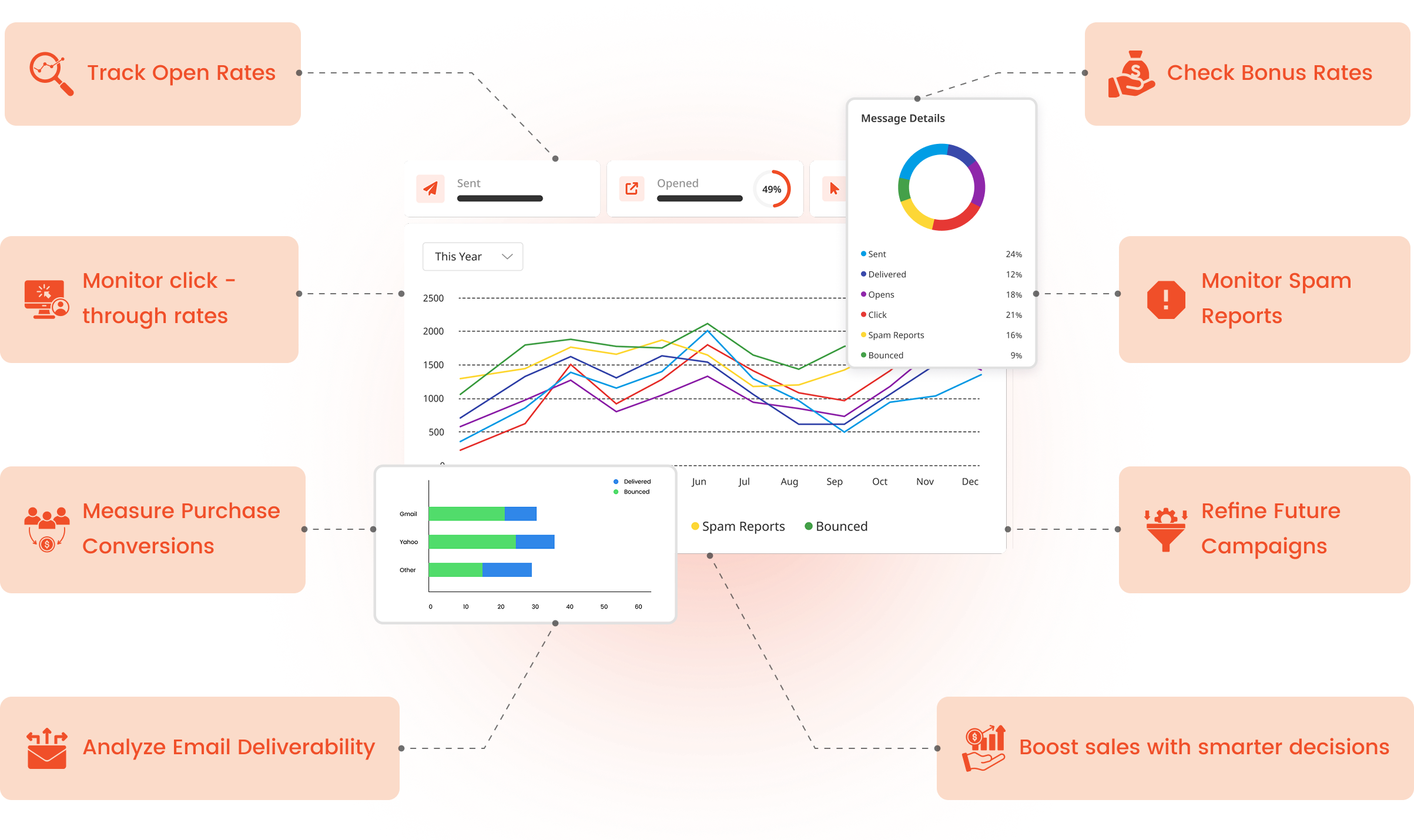
- Analytics, so you can see what is working without exporting spreadsheets.
The key thing to understand is that Universell is not a bundle of separate apps sharing a bill. It is one system with multiple surfaces. A lead captured on your website becomes a contact in your CRM automatically. A sale updates your inventory and your revenue report at the same time. Your data moves through the platform as one connected whole, which is exactly what makes it powerful.
Step 1: Set Up Your Business Profile
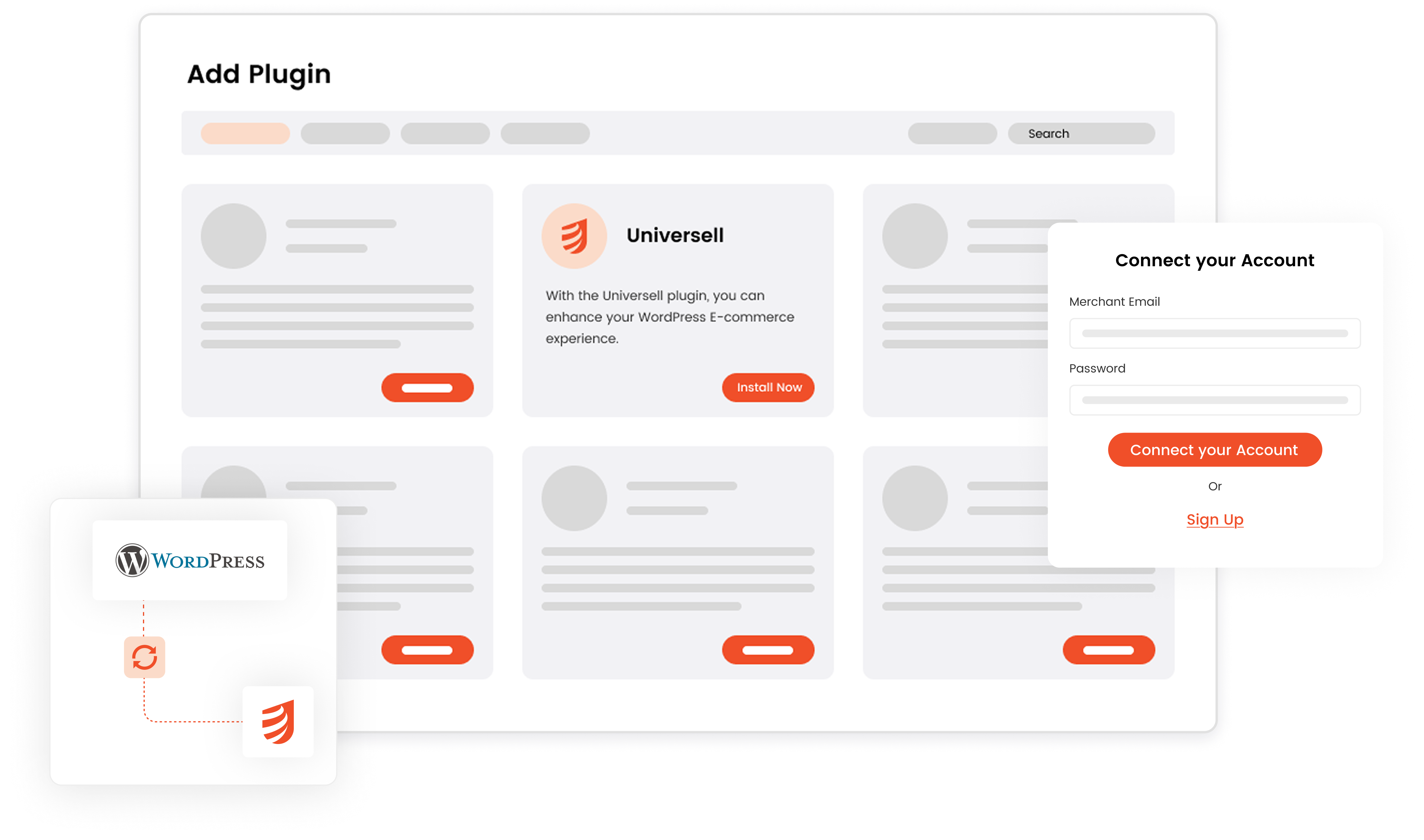
Your first task is to tell Universell who you are. In your account settings, complete your business profile with your company name, industry, location, and contact details. This matters more than it seems, because Universell uses your industry to tailor the platform to how your business actually works.
Choose your industry carefully. Universell is built for 100+ business types, from retail stores and salons to home services and consultancies. Picking the right category shapes which features are front and center, so take a moment to get it right. You can adjust this later, but starting correctly saves you time.
Step 2: Import Your Customers and Contacts
Next, bring your existing data in. If you are moving from another CRM or a spreadsheet, use Universell’s import tool to pull in your customers, leads, and contact history. This is the step most people rush, and it is the one that pays off most.
A clean import means you start with a complete customer record instead of rebuilding from scratch. Every contact you import becomes part of the same data layer, ready to be used in your sales pipeline, your marketing campaigns, and your reports. Take the time to organize your columns before you import, and you will avoid messy data later.
Step 3: Build Your Sales Pipeline
Once your contacts are in, set up your sales pipeline. Universell’s CRM lets you define the stages your deals move through, from new lead to closed won. Match these stages to how you actually sell, not to a generic template.
For a service business, that might be: inquiry, booked, in progress, completed, and repeat customer. For a retail business, it might be simpler: lead, quote sent, and sold. The point is to reflect your real process, because your pipeline is what your team will look at every day.
As deals move through the pipeline, everything attaches to the customer record automatically. Emails you send, notes you take, payments you collect, all of it. When you open a contact, you see the full history of your relationship in one view.
Step 4: Connect Your Payments and Start Selling
This is where Universell starts saving you real time. Connect your payment processor in the settings, and you can create quotes and invoices directly from the platform. When a customer pays, the payment updates the deal, the customer record, and your revenue report all at once.
No more sending an invoice from one tool and manually marking the deal won in another. No more wondering whether a payment actually came through. The whole sales-to-cash flow happens in one place.
If you run an online store, connect your e-commerce setup here too. Your inventory syncs with your sales, so you never oversell a product you do not have, and your storefront always shows accurate stock.
Step 5: Set Up Your Marketing
With your customer data in one system, your marketing gets a serious upgrade. Universell’s email and SMS tools pull directly from your contact records, so you can segment your audience and send campaigns without exporting lists or wrestling with integrations.
Start simple. Create a welcome email for new customers, a follow-up for recent buyers, and a re-engagement message for contacts who have gone quiet. Because the data is shared, you can target people based on what they have actually bought or where they are in your pipeline, not on guesswork.
Step 6: Bring Your Team On Board
If you have employees, add them to Universell and assign roles. Your team gets access to the tools they need, and you keep control over what each person can see and do. Onboarding a new hire becomes a matter of one login and a quick tour, instead of setting up five different accounts.
This is where the consolidation payoff really shows. A new team member learns one interface, not a stack of them. They can see the customer, the sale, and the communication in one place, which means they become productive in days instead of weeks.
Step 7: Use Your Analytics to Make Decisions
Finally, get into the habit of checking your analytics. Universell brings your sales, marketing, and customer data together, so your reports show the whole picture rather than a slice of it.
Look at which channels bring in the most customers, which products or services sell best, and where your revenue comes from. Because the data is live and connected, these numbers reflect your actual business, not a snapshot from one app. Use them to decide where to focus your time and budget.
Common Mistakes to Avoid
Skipping the industry setup. It shapes the whole platform. Take the two minutes to get it right.
- Importing messy data. Clean your spreadsheet before you import, or you will carry the mess into your new system.
- Overcomplicating your pipeline. Start with the stages you actually use. You can add more later.
- Not connecting payments. This is where the time savings live. Connect it early.
- Trying to use every app at once.
Universell has 100+ apps, but you do not need all of them on day one. Start with CRM, sales, and payments, then expand as you get comfortable.
When Universell Is the Right Choice
Universell makes the most sense if you are currently running your business on five or more separate tools and the seams are showing. If you are copying customer data between systems, paying for subscriptions you rarely open, or losing leads because follow-ups live in too many places, consolidating onto one platform will save you money and focus.
It is also a strong fit for growing businesses. When you add staff, locations, or new services, Universell scales with you without forcing you to buy and learn more tools.
When It Might Not Be
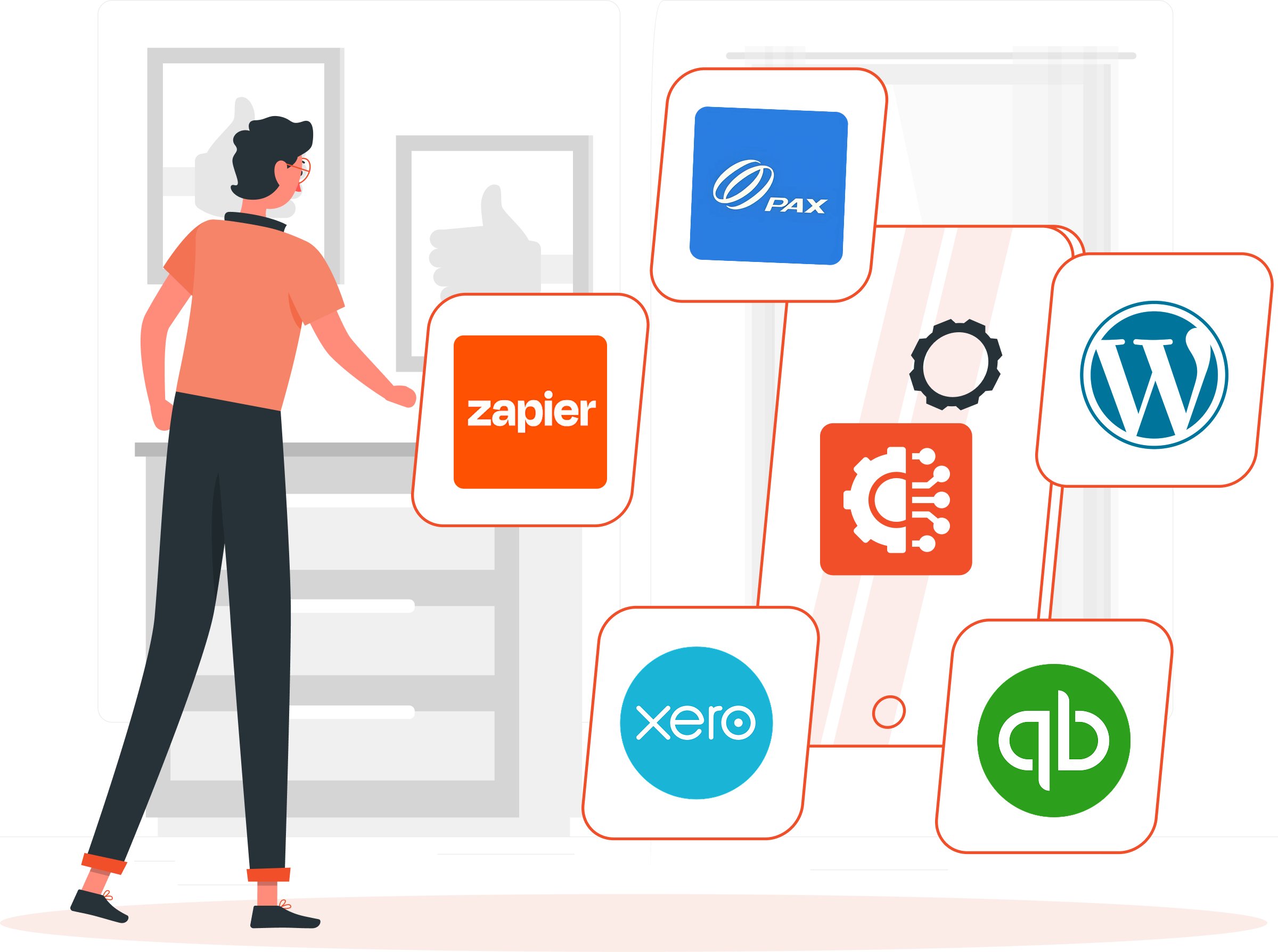
To be honest, no all-in-one platform replaces everything. If you need deep, specialized accounting for tax season, you will likely still use a dedicated tool like QuickBooks or Xero. If you run a highly specialized operation with niche software, that vertical tool may stay in your stack. Universell handles the 80% of daily operations most small businesses need, and that simplification is usually worth far more than the edge case.
The Bottom Line
Running a small business is hard enough without managing a pile of disconnected software. Universell brings your customers, your sales, your marketing, your inventory, and your team into one connected system, so you spend your time on the work instead of the admin.
Start with your business profile, import your contacts, build a simple pipeline, and connect payments. From there, expand at your own pace. That is the whole guide, and it is simpler than the tool stack you are replacing. Try it for free with Universell.