The Five-Minute Mistake That Costs Sales
You have built your online store. The products are loaded, the design looks clean, and you are ready to go live. You hit publish, share the link, and wait for the orders. Then, a customer emails you to say the checkout button does not work on their phone. Another says the product page took so long to load they gave up. A third could not find the shipping cost until after they entered their card details.
Every one of those people was a sale you already had. And every one of them is gone.
Testing your e-commerce website before launch is not a nice-to-have. It is the difference between opening your store to a flood of smooth transactions and opening it to a trickle of frustrated visitors. The good news is that you do not need a technical team to do it. You just need a checklist and the discipline to work through it.
This guide walks you through the tests that matter most, and how to run them on a Universell store.
Why Testing Matters More for E-commerce
A content blog can survive a slow page. An e-commerce site cannot. Every second of load time, every confusing step, and every broken button sits directly between your customer and their money. The numbers back this up: most visitors will abandon a site that takes more than a few seconds to load, and a large share of carts are abandoned before checkout is complete. Many of those abandonments are preventable.
Testing is how you catch these problems before real customers do. You get one chance to make a good first impression, and a broken checkout does not just lose one sale. It loses the customer’s trust, and often their return visit, forever.
Test 1: The Design and Layout Check
Start with how your store looks, because that is your first impression. Open every page and ask yourself what a first-time visitor sees.
- Is the navigation obvious? Can a visitor find your product categories, your cart, and your search bar within seconds?
- Are product pages clear? Each product should have a strong image, a readable description, a visible price, and an obvious add-to-cart button.
- Is your branding consistent? Your logo, colors, and fonts should match across every page. Inconsistency reads as unprofessional.
- Are calls to action unmissable? The buttons you want people to click should stand out from the rest of the page.
In Universell, your storefront is built from your product catalog and design settings, so a layout issue usually traces back to how you set those up. Check that your product categories are named clearly, your images are high quality and consistent in size, and your homepage clearly points visitors toward your best sellers.
Test 2: The Mobile Check
This one deserves its own section, because most of your traffic is probably on a phone. Open your store on a phone and on a tablet, not just a desktop browser.
- Do buttons work on touch? A button that needs a mouse hover is useless on a phone.
- Does everything fit the screen? Check for text that is cut off, images that overflow, or elements that overlap.
- Is the checkout usable one-handed? Long forms are painful on mobile. Make sure the fields are large enough to tap and the flow is short.
- Does the page load fast on mobile data? Test on a cellular connection, not just your office Wi-Fi.
A huge share of e-commerce traffic now comes from mobile devices, and mobile shoppers abandon sites even faster than desktop users when things feel slow or awkward. If your store is not smooth on a phone, you are losing most of your potential customers before they even see your products.
Test 3: The Functionality Check
Now test what actually works. This is where the real damage hides, because a broken feature can cost you a sale at the exact moment the customer is ready to buy.
- Add to cart. Add a product to your cart, change the quantity, remove it, and add it again. Every path should work.
- Checkout flow. Go all the way through checkout with a test order. Enter your details, choose a payment method, and place the order. Do not stop at the cart page, because that is where most problems appear.
- Payments. Test every payment method you offer. A payment option that fails silently is a guaranteed lost sale.
- Order confirmation. After the test order, confirm the customer receives a confirmation email and that the order appears in your records.
- Inventory updates. After a sale, check that your stock levels update correctly and that sold-out items no longer show as available.
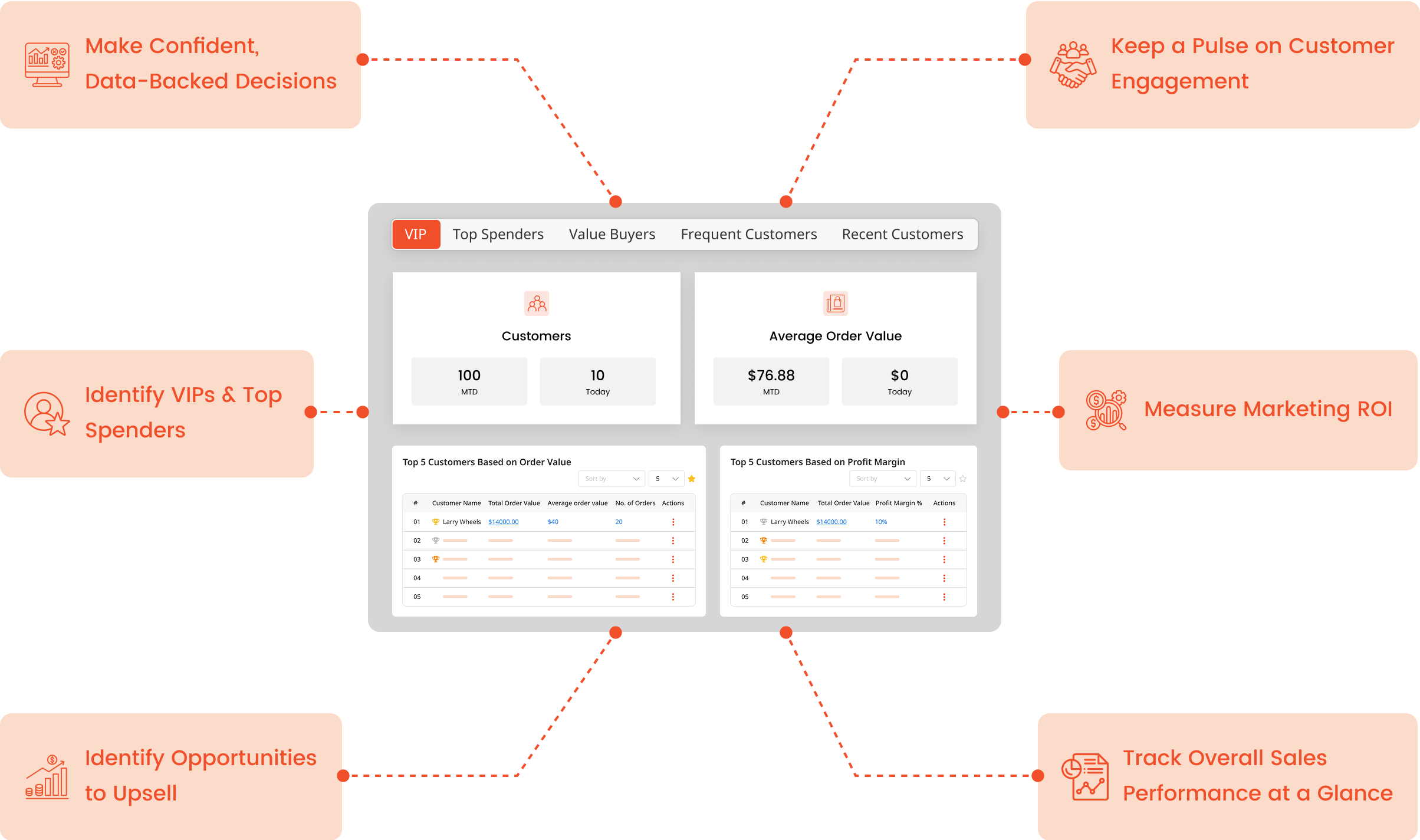
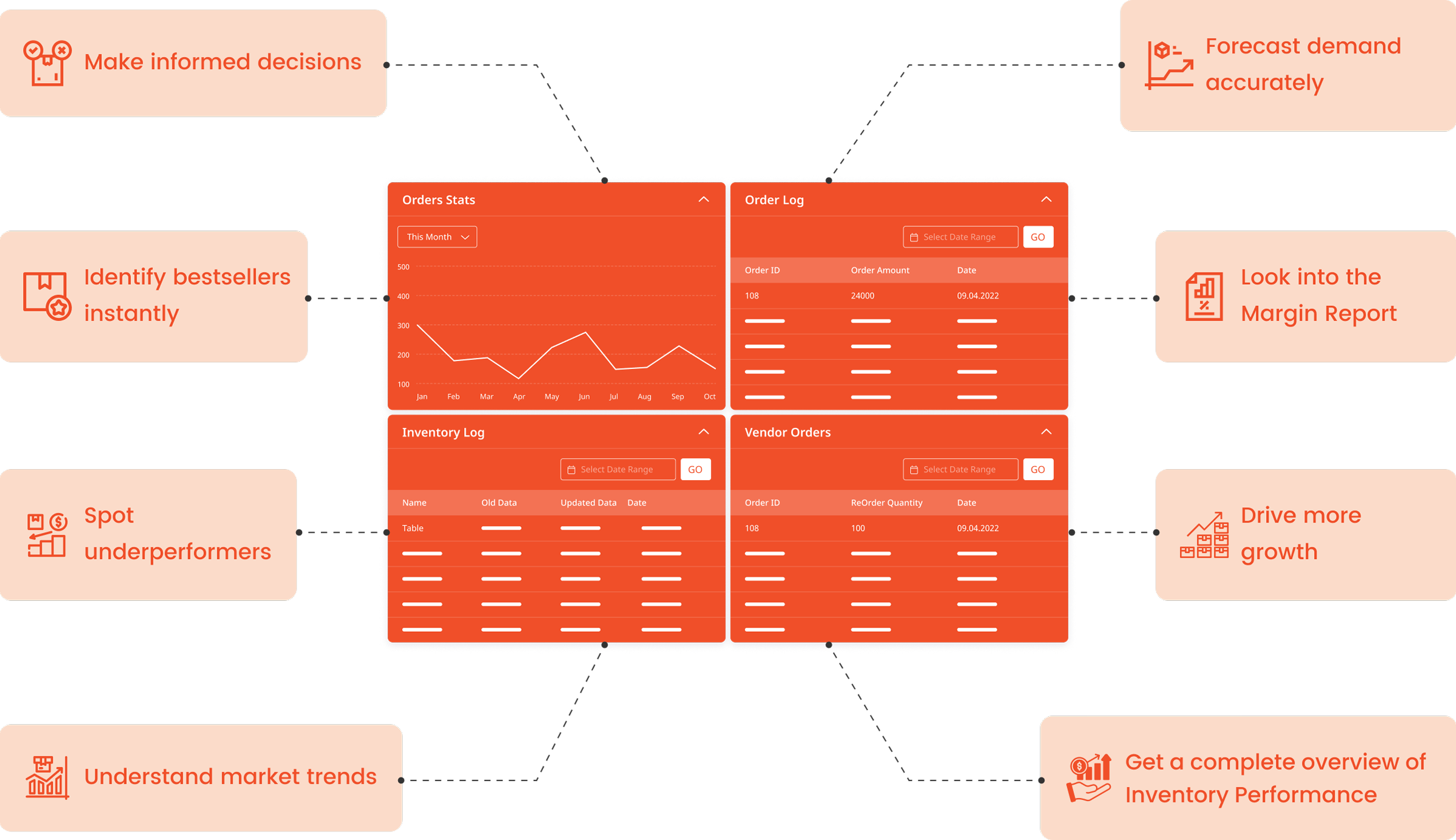
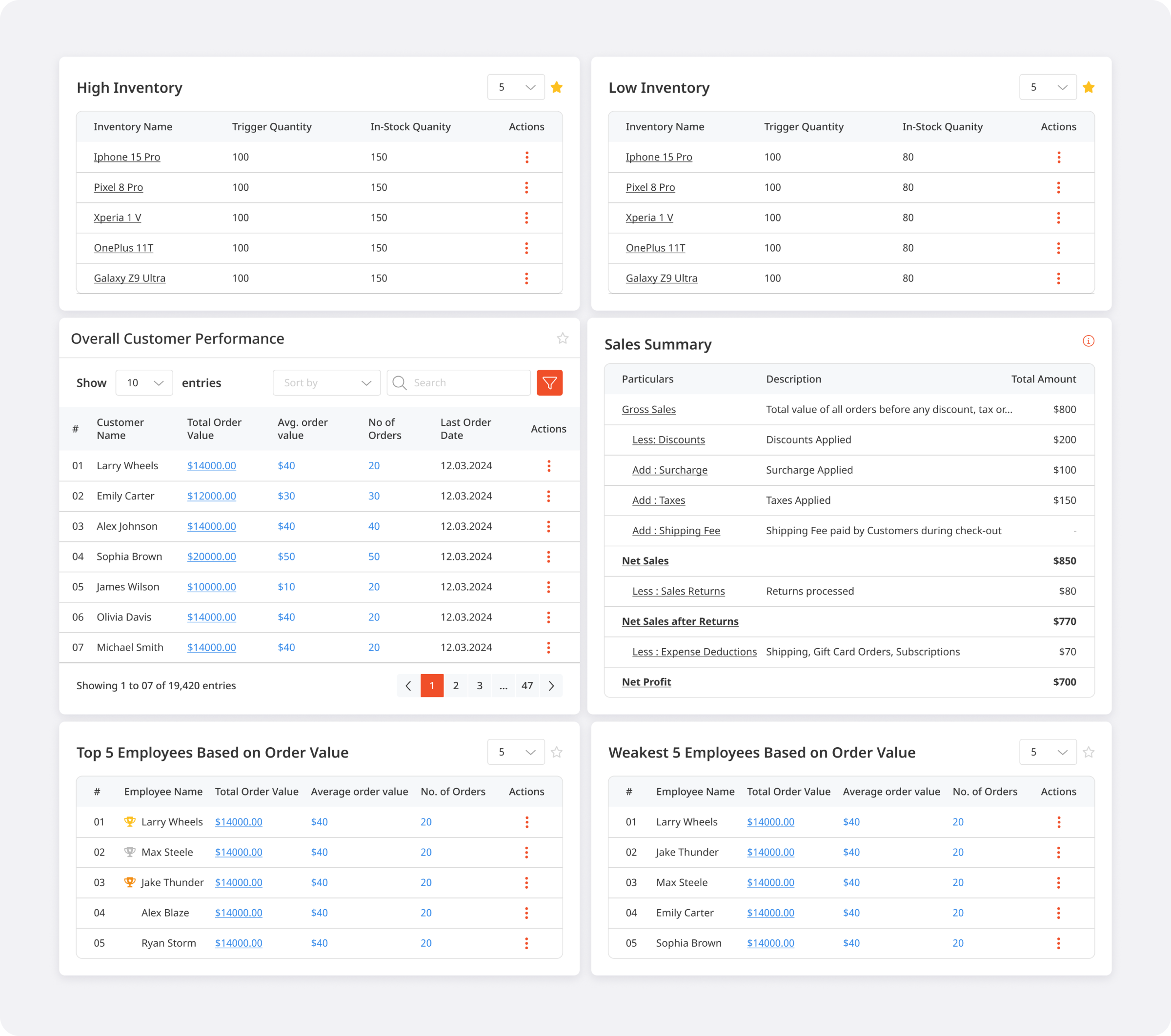
In Universell, your sales, inventory, and customer records are all part of the same system. So when you place a test order, watch it flow through the whole platform: the payment lands, the inventory adjusts, the customer record updates, and the revenue report reflects the sale. If any of those steps breaks, you have found a problem worth fixing before launch.
Test 4: The Performance Check
Speed is not a luxury; it is a conversion factor. Slow pages lose sales, and they hurt your search rankings too.
- Test your load time. Use a speed testing tool to see how fast your pages load. If a page takes more than a few seconds, find out why.
- Compress your images. Large image files are the most common cause of slow stores. Make sure your product images are optimized for the web.
- Check under real conditions. Test on a regular connection, not a fast office network, to see what most customers actually experience.
- Look at every page, not just the homepage. Your product pages and checkout matter more than your landing page, because that is where the buying happens.
A fast store keeps customers engaged and tells search engines your site is worth ranking. A slow one does the opposite.
Test 5: The Real-User Test
Automated checks are useful, but they cannot replace a real person clicking through your store. Before you launch, have two or three people you trust go through the entire experience as if they were actual customers.
- Ask them to find a specific product and buy it.
- Watch where they hesitate, get confused, or give up.
- Ask them to do it on their own phones, not your computer.
- Ask the brutally honest question: would you actually buy from this store?
Fresh eyes catch things you have become blind to. You know your own store too well to see its problems, so let other people look.
The Post-Launch Habit
Testing does not end on launch day. Your store will change, and so will your customers’ expectations. Make testing a habit:
- Test after every change. New products, new design, new payment method, all of it. A small change can break something unexpected.
- Check your analytics. Watch for checkout drop-off and high bounce rates, which are early warning signs of a problem.
- Test on new devices. As new phones and browsers appear, make sure your store still works on them.
- Listen to customers. If a customer reports a problem, take it seriously and fix it fast. They are telling you what your automated tests missed.
How Universell Makes Testing Easier
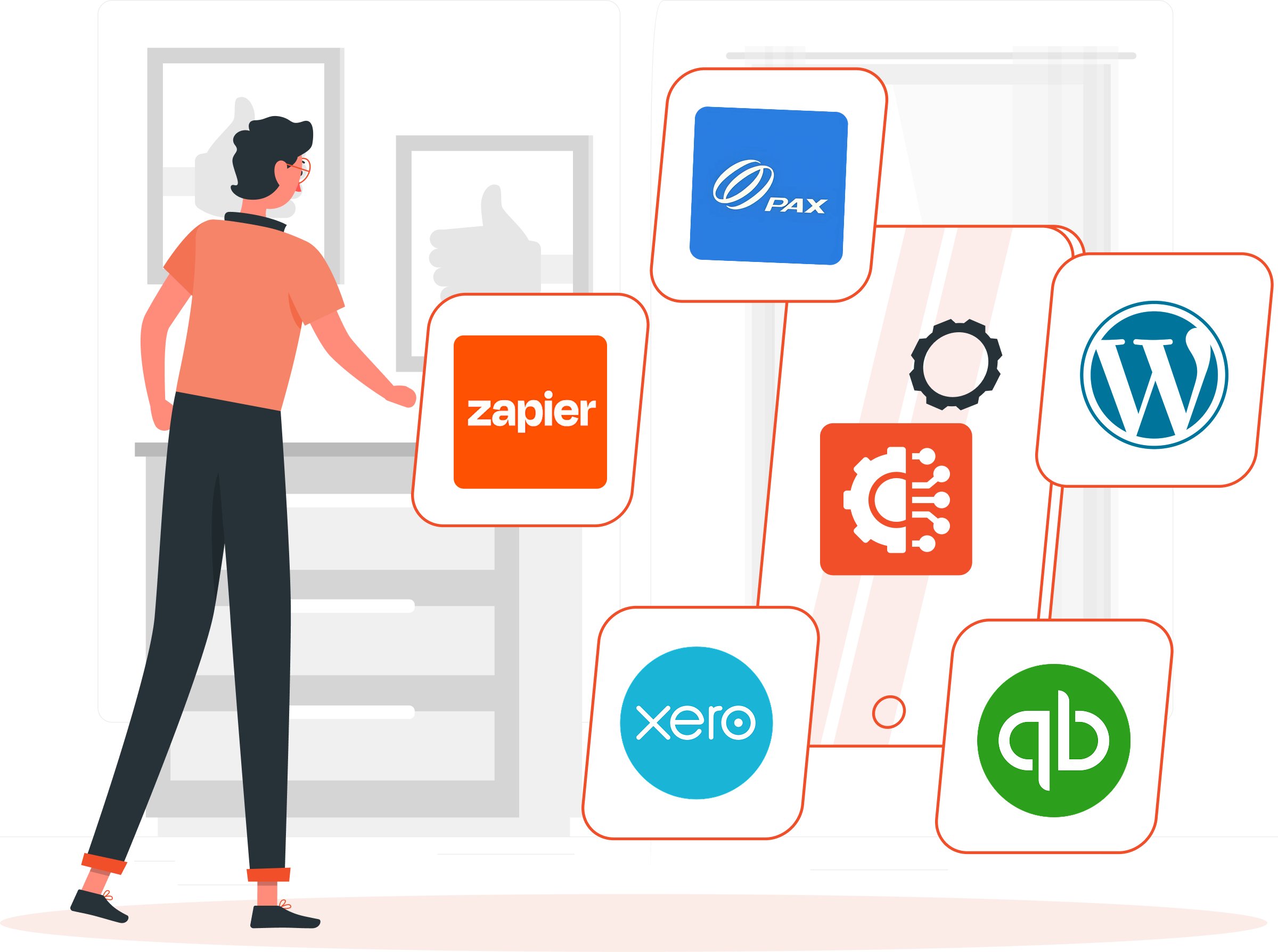
The reason testing matters so much is that your store touches many moving parts: products, payments, inventory, customer data, and reports. When those parts live in separate tools, a problem in one can hide from the others, and testing means checking five different systems.
Universell brings them together. Because your storefront, payments, inventory, and customer records are all part of one platform, a test order shows you the whole picture in a single view. You place the order, and you can see the payment land, the stock adjust, the customer record update, and the revenue report change, all from the same place. That makes pre-launch testing faster and more thorough, because nothing falls through the cracks between disconnected apps.
The Bottom Line
Launching an e-commerce store is exciting, but the excitement does not excuse skipping the testing. Design, mobile, functionality, performance, and real-user checks are not optional extras. They are the difference between a store that converts and a store that confuses.
Run through the checklist before you publish, test again after every change, and make testing a permanent part of how you run your store. Your customers will not tell you how many times they almost bought. The only way to keep them is to make sure nothing ever gets in their way.