
Feb, 23 2026
Connecting Inventory, Sales, and Marketing Data in One Dashboard
Every business generates data – but not every business turns that data into smart decisions. Inventory systems track stock levels, sales platforms record transactions, and marketing tools measure engagement. When these systems operate separately, businesses lose visibility, waste time switching between reports, and miss valuable growth opportunities.
The real competitive advantage comes when inventory, sales, and marketing data are connected in one unified dashboard. Instead of juggling spreadsheets and disconnected tools, business owners gain a clear, real-time view of performance across the entire operation.
Why Disconnected Systems Create Problems
When inventory, sales, and marketing tools don’t communicate with each other:
- Marketing promotes products that are out of stock
- Sales teams lack real-time visibility into availability
- Overstocked items tie up working capital
- Reports require manual exports and data entry
- Decision-making becomes reactive instead of strategic
These inefficiencies slow growth and directly impact profitability.
The Power of a Unified Dashboard
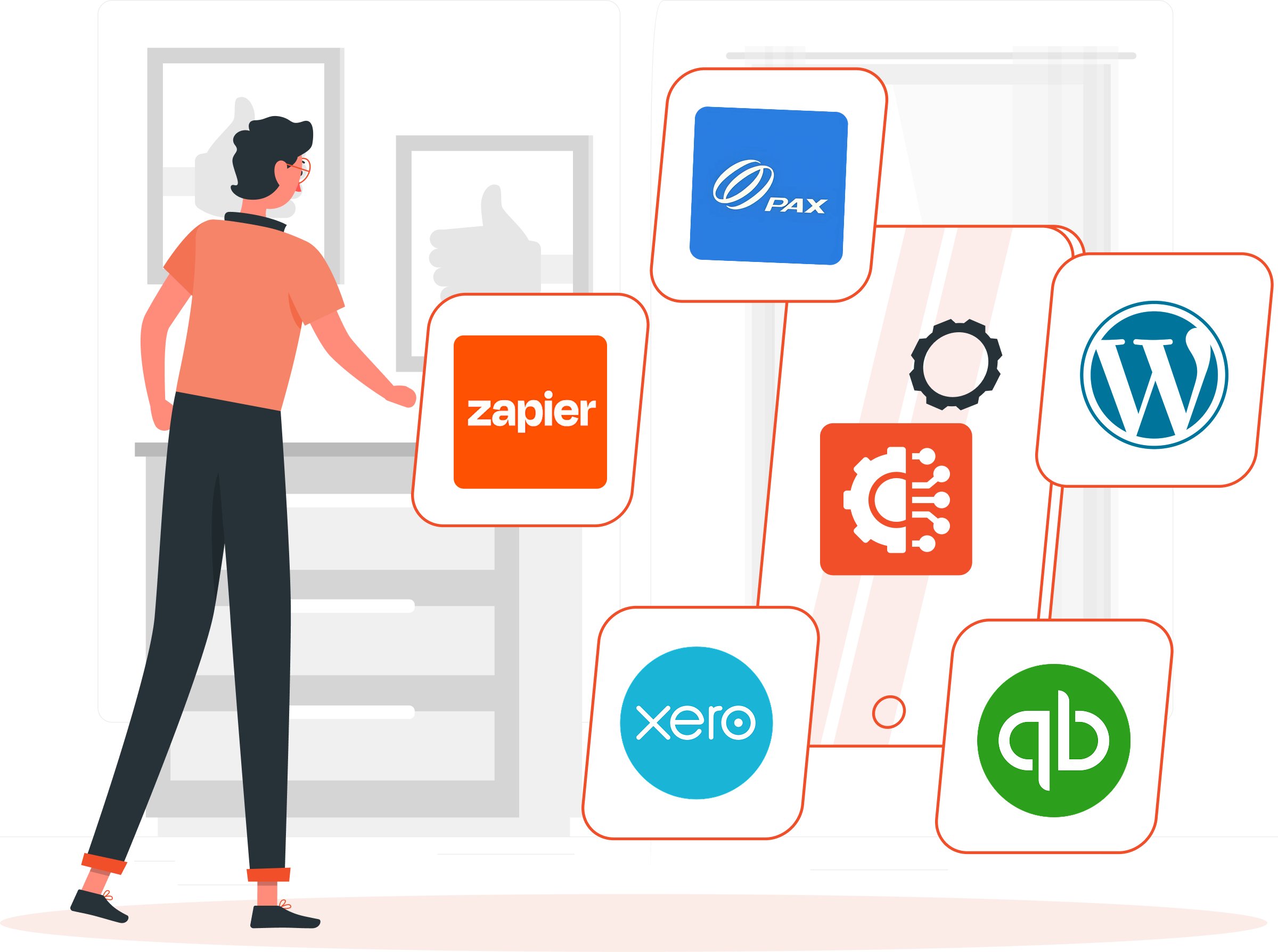
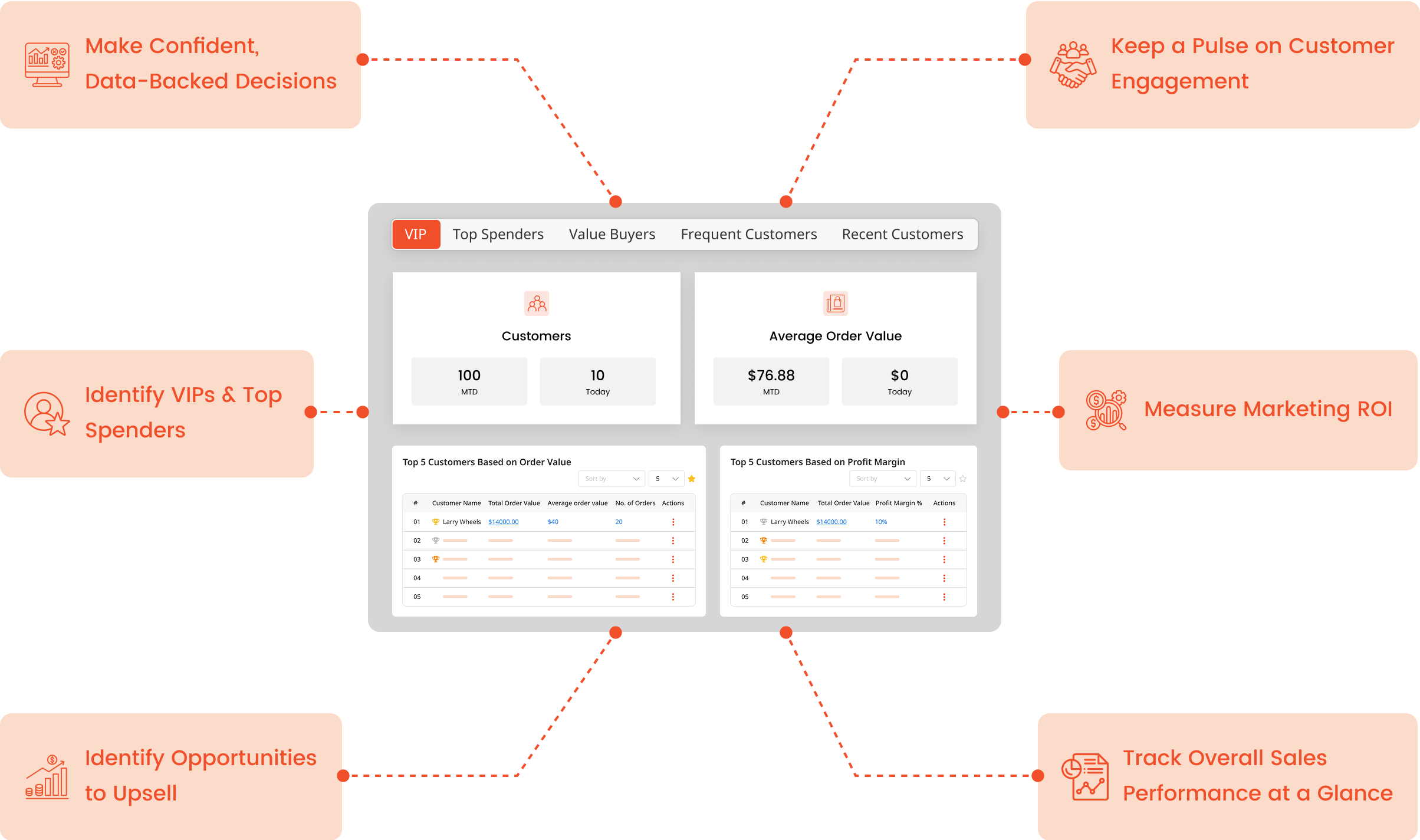
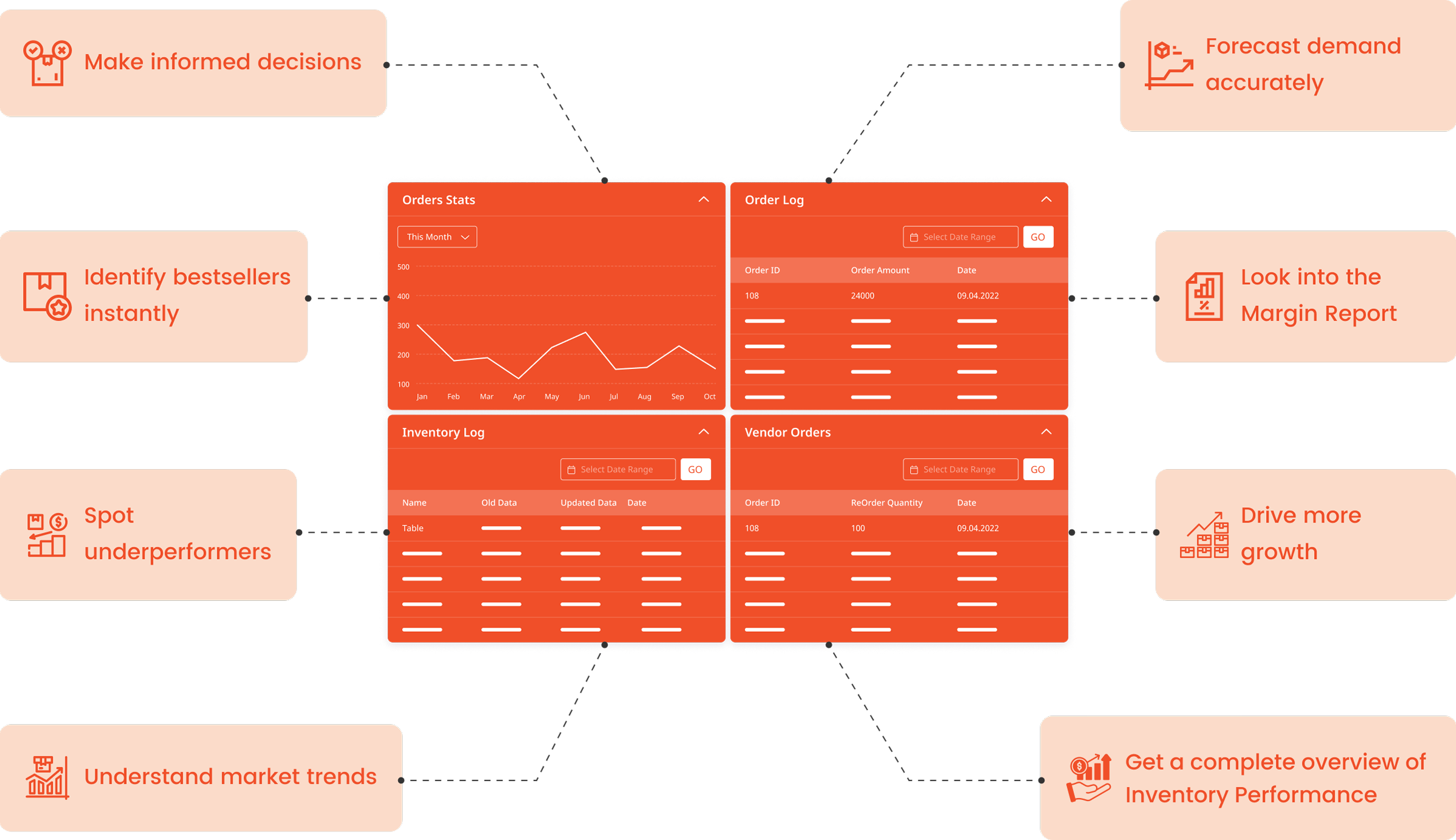
A centralized dashboard integrates data from multiple systems into one real-time view. Instead of switching between platforms, you can instantly see:
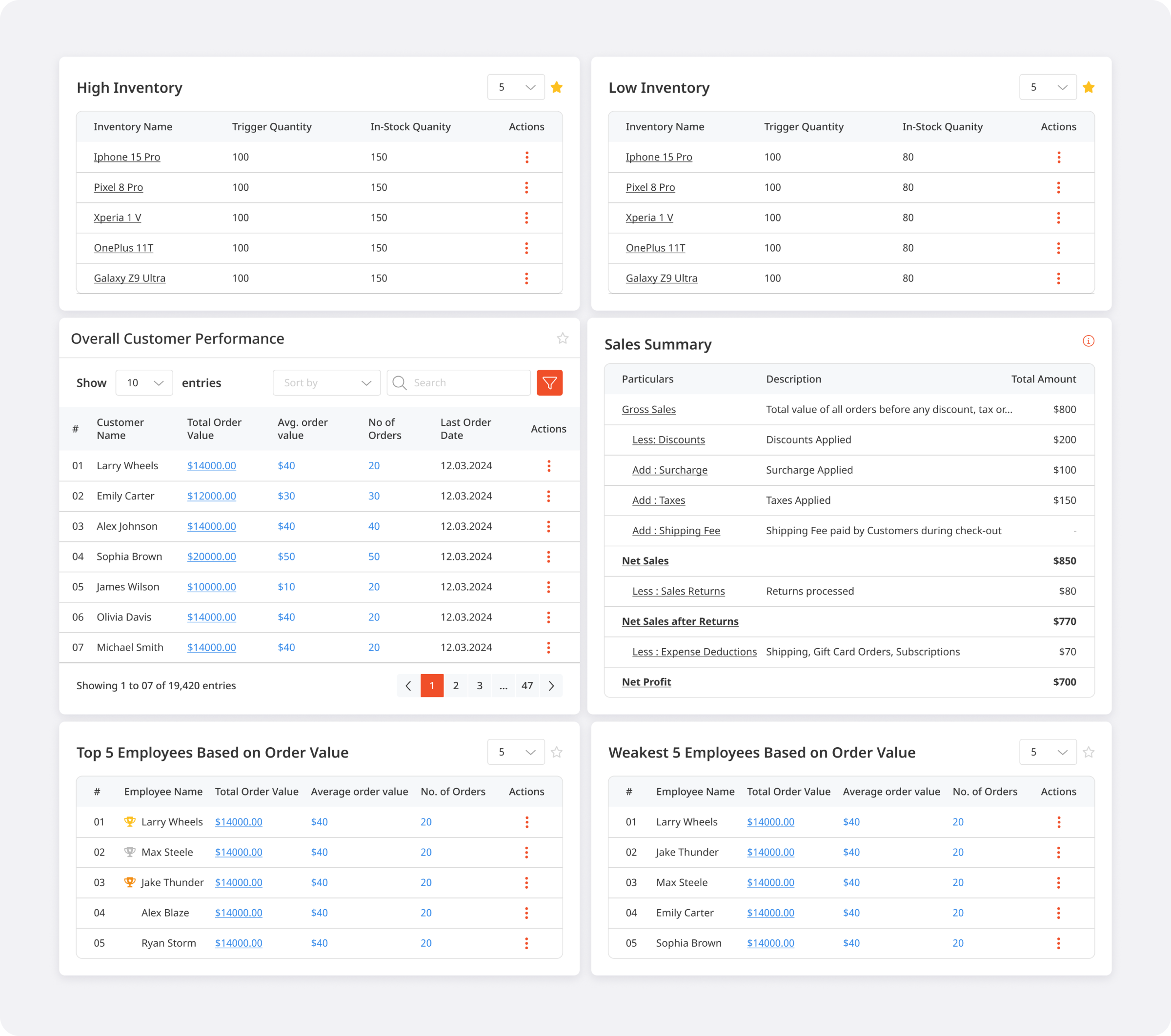
- Current inventory levels
- Sales performance by product or category
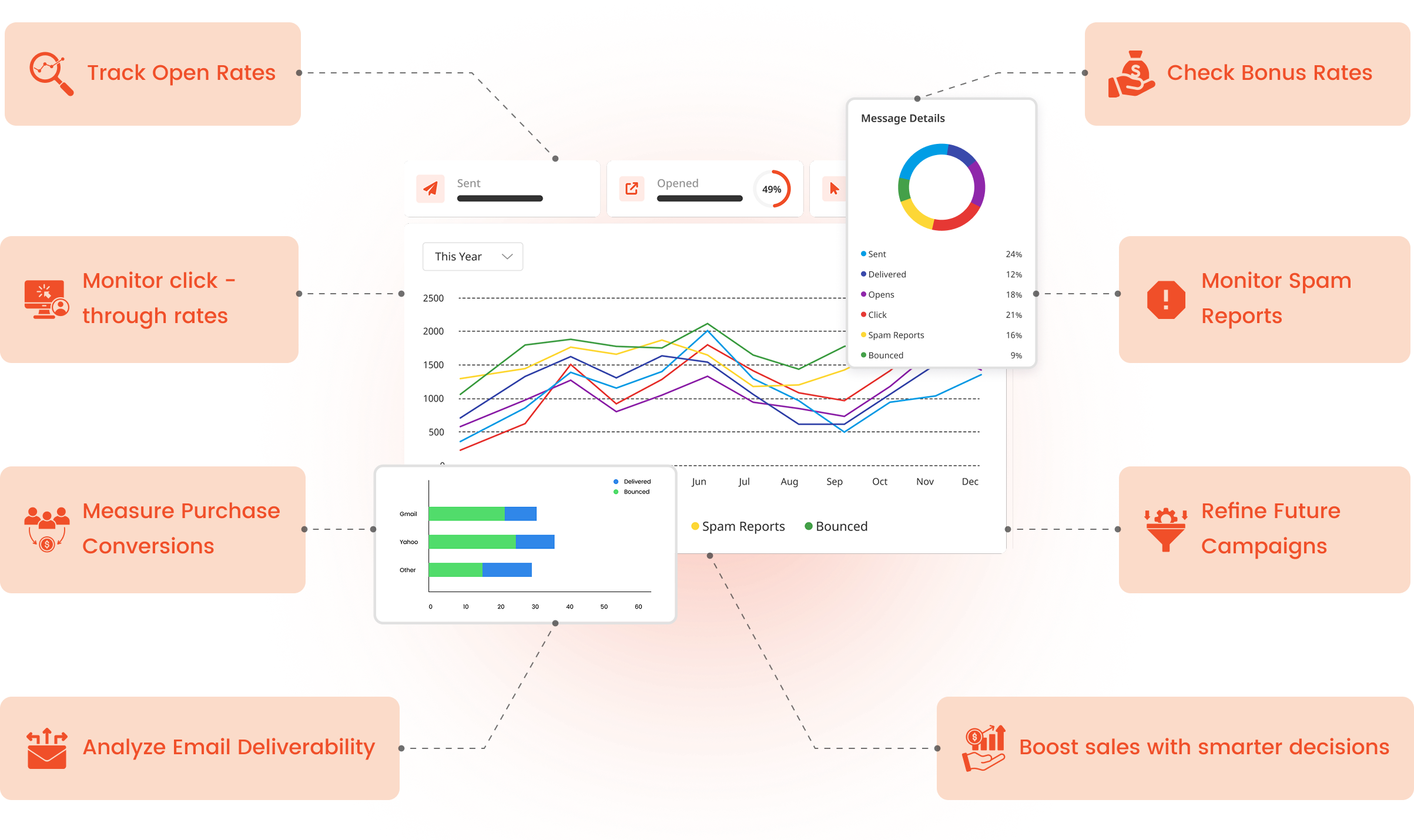
- Marketing campaign results
- Customer purchasing trends
- Revenue forecasts
With everything in one place, decisions become faster, smarter, and more confident.
1. Real-Time Inventory Visibility
A connected dashboard allows businesses to monitor:
- Low stock alerts
- Fast-moving products
- Slow-moving inventory
- Seasonal demand patterns
This prevents stockouts during peak periods and reduces over-ordering, keeping cash flow healthy and inventory optimized.
2. Smarter Sales Insights
When sales data connects with inventory information, insights become actionable. Businesses can identify:
- Best-selling SKUs
- High-margin products
- Sales trends over time
- Multi-location performance comparisons
This allows leadership to adjust pricing, promotions, and product focus based on real data – not assumptions.
3. Marketing That Connects to Revenue
Marketing metrics like clicks and impressions are helpful, but revenue impact matters more. When marketing data integrates with inventory and sales:
- You see which campaigns drive actual purchases
- You avoid promoting out-of-stock items
- You identify products that perform best during promotions
- You calculate true return on marketing investment
This alignment closes the gap between marketing efforts and business outcomes.
4. Better Forecasting and Planning
With connected data, forecasting becomes accurate and proactive. Businesses can:
- Predict future demand
- Plan smarter inventory purchases
- Allocate marketing budgets strategically
- Prepare for seasonal spikes
Instead of reacting to problems, companies stay ahead of them.
5. Stronger Team Collaboration
When departments work from separate systems, communication gaps occur. A unified dashboard ensures:
- Sales knows what’s available
- Marketing understands stock levels
- Finance tracks revenue in real time
- Operations plans accurately
Everyone works from the same source of truth.
Final Thoughts
Connecting inventory, sales, and marketing data into one dashboard transforms how a business operates. It eliminates silos, improves clarity, and empowers smarter, faster decision-making.
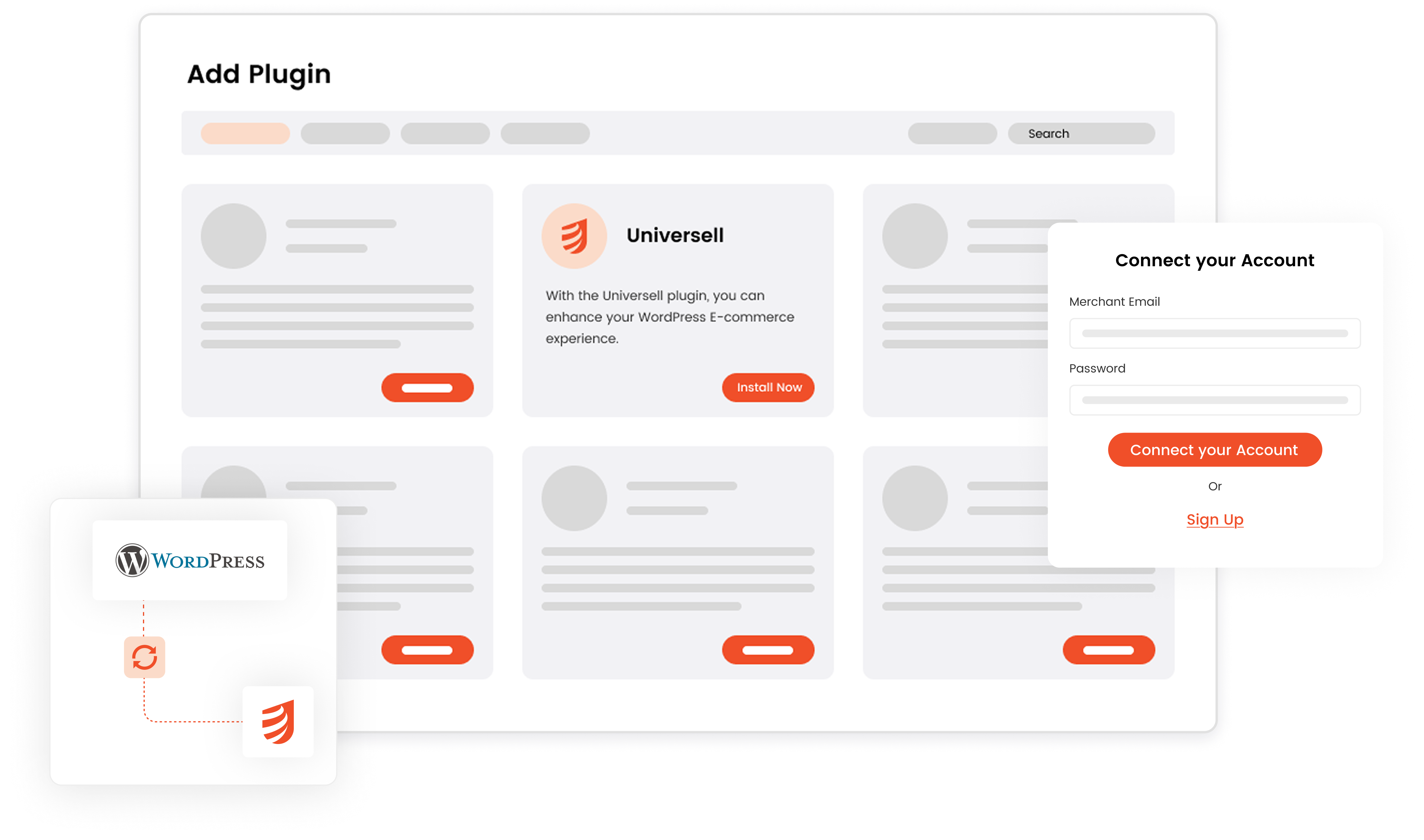
Platforms like Universell simplify this process by bringing POS, inventory management, CRM, marketing automation, and analytics into one connected ecosystem.
To explore how connected workflows can streamline your business operations, visit https://universell.us
#Universell #BusinessAutomation #InventoryManagement #SalesAnalytics #MarketingTechnology #RetailTech #POSSystem #SmartBusiness #ConnectedData #BusinessGrowth