
Apr, 07 2026
CRM for Startups: Essential Benefits and Expert Tips
Starting a new business can be overwhelming, especially when it comes to managing customer relationships. For startups, Customer Relationship Management (CRM) tools can be a game-changer. A CRM system helps businesses organize, track, and manage interactions with customers, which leads to stronger relationships and improved sales. This article will explore the key benefits of CRM for startups and provide expert tips on how to effectively use CRM systems to fuel growth.
Key Benefits of CRM for Startups
- Improved Customer Relationships
- At the heart of any startup’s success is its customers. A CRM system allows businesses to capture and store all customer interactions, such as emails, phone calls, meetings, and social media conversations. This 360-degree view enables startups to understand their customers’ needs and preferences, leading to more personalized and meaningful interactions. Building trust and loyalty is crucial for retaining customers, and CRM helps startups achieve this with greater efficiency.
- Streamlined Communication
- Communication is key to managing customer relationships. CRM systems allow startups to centralize all communications with customers in one place. Whether it’s email, phone calls, or social media interactions, CRM software ensures your team has full context when engaging with clients. This helps reduce misunderstandings, saves time, and ensures consistent messaging across all communication channels.
- Better Sales and Lead Management
- CRM tools are perfect for managing leads and sales opportunities. By organizing leads in a structured manner, startups can ensure no opportunity is missed. CRM systems often come with sales pipelines that help track each lead’s progress, set reminders for follow-ups, and move prospects through the sales funnel efficiently. This leads to higher conversion rates and more revenue for your business.
- Increased Productivity and Efficiency
- One of the greatest benefits of CRM systems is their ability to automate time-consuming tasks such as follow-ups, scheduling, and marketing emails. Automation reduces manual effort, saving time and allowing your team to focus on more strategic activities. Additionally, CRM tools provide valuable insights into team performance, helping startups identify bottlenecks and improve overall efficiency.
- Data-Driven Decision Making
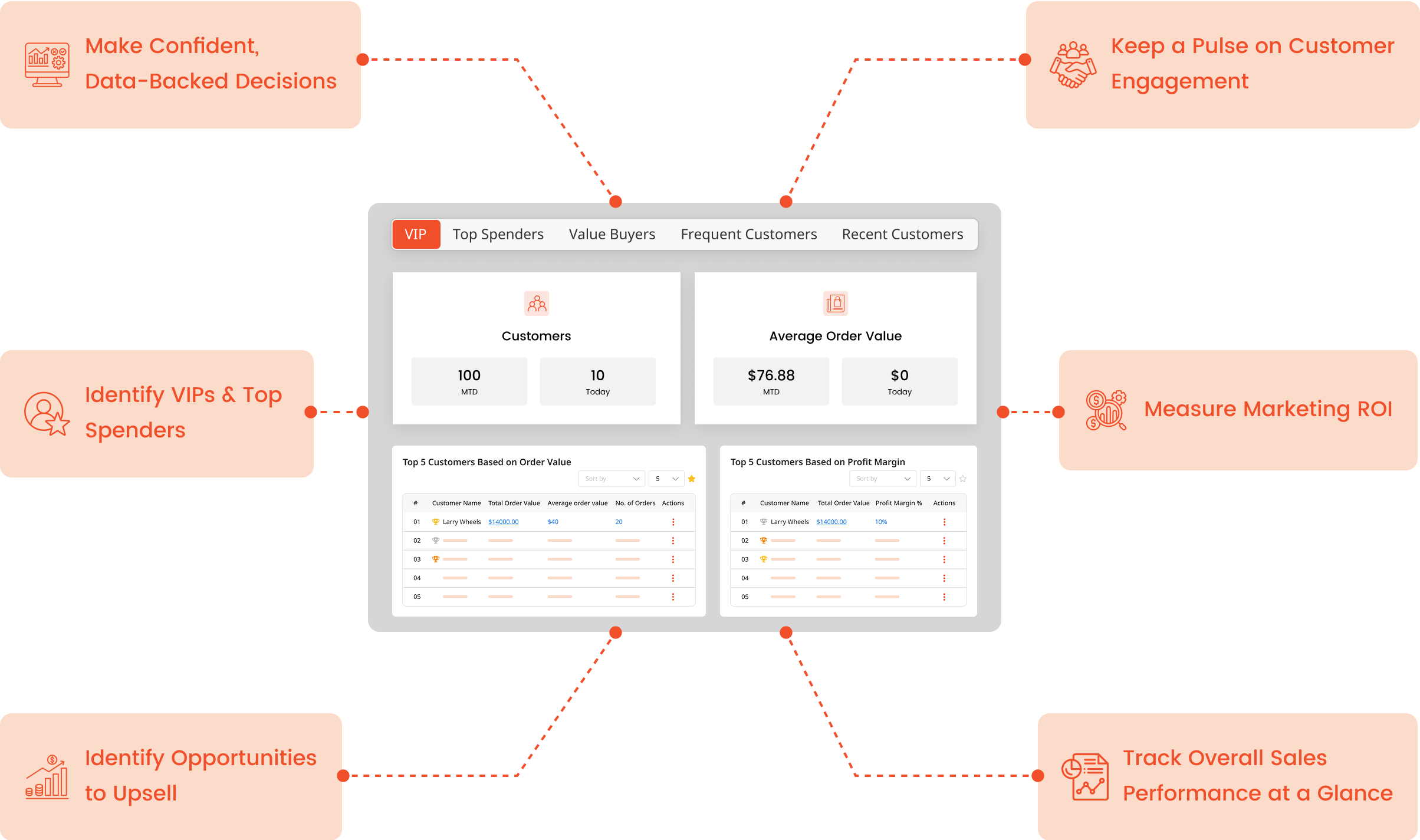
- Data is invaluable for startups. CRM systems collect and analyze data that can inform decisions about sales, marketing, and customer retention strategies. By leveraging CRM data, startups can fine-tune their approach to target profitable customer segments, improve marketing ROI, and ultimately drive growth.
- Enhanced Collaboration Across Teams
- Collaboration is vital in a startup environment, and CRM systems foster better teamwork by providing a shared database of customer information, sales activities, and communications. This ensures that everyone—whether from sales, customer support, or marketing—has access to the same data, improving collaboration and reducing miscommunication.
Expert Tips for Implementing CRM in Startups
- Choose the Right CRM System
- Selecting the right CRM is critical for startups. Look for user-friendly tools that offer scalability, integrations, and customization options. Choose a CRM that fits your budget and business needs.
- Set Clear Objectives
- Before implementing a CRM, define your goals. Whether it’s improving lead conversion rates, automating marketing tasks, or enhancing customer support, having clear objectives will help measure the CRM’s effectiveness.
- Train Your Team
- Ensure your team is well-trained in using the CRM system. Provide ongoing support and encourage team members to utilize the CRM’s full potential for managing customer relationships.
- Integrate with Other Tools
- Many startups use various tools for communication, project management, and marketing. Ensure your CRM integrates seamlessly with the tools you already use, so all customer data is updated in real-time.
- Leverage CRM Analytics for Insights
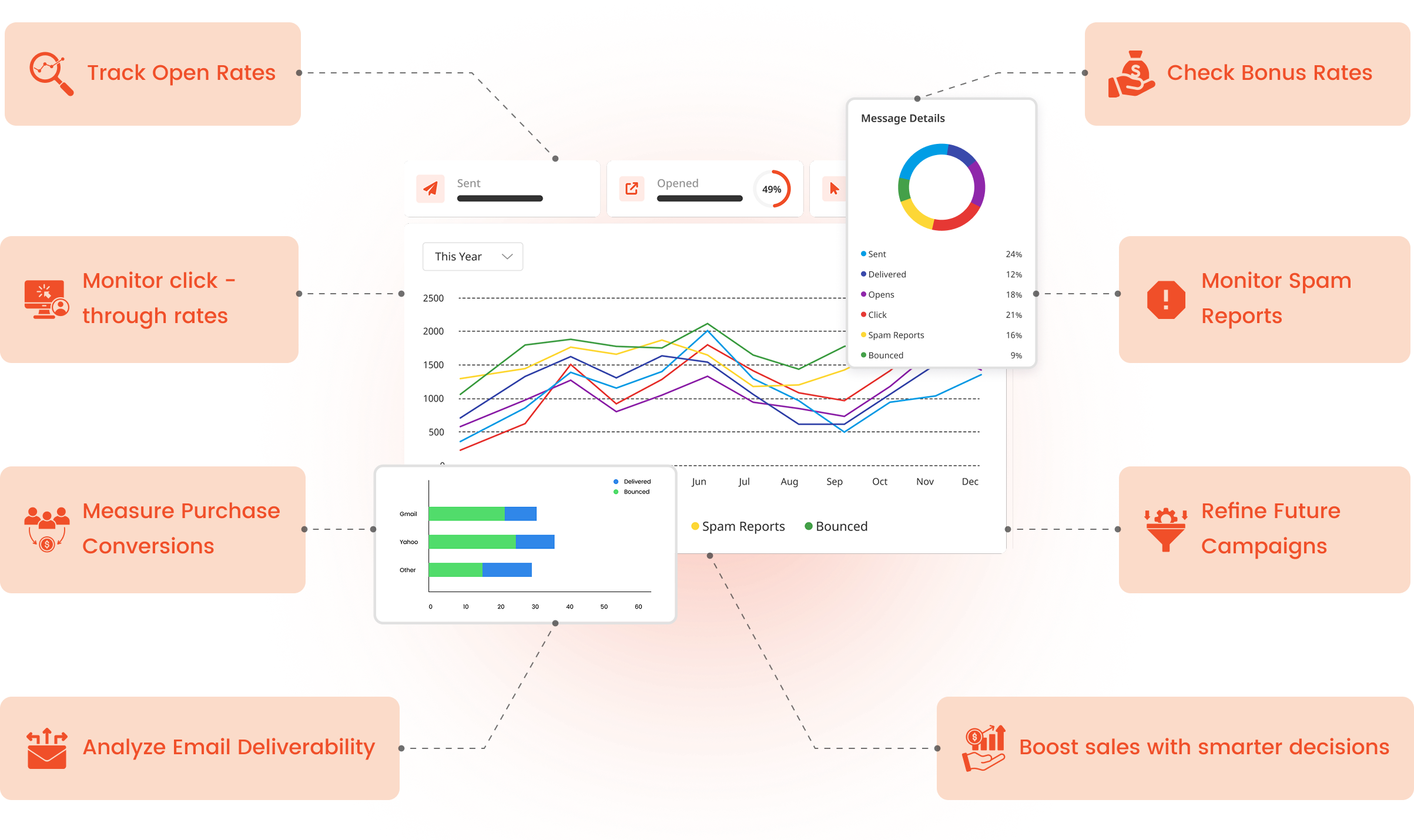
- Most CRM systems include analytics features that allow you to track sales performance, lead conversion, and customer satisfaction. Use these insights to refine your sales and marketing strategies.
Conclusion
For startups, CRM is essential to build customer relationships, streamline communication, and boost sales. With the right CRM system in place, startups can achieve significant growth and efficiency. At Universell, we offer tailored CRM solutions that help startups automate processes and scale efficiently.
Learn more at www.universell.us.
#CRMforStartups #CustomerManagement #BusinessGrowth #Startups #Universell