
Sep, 02 2025
Dead Stock: How to Tackle It and Optimize Your Inventory Management
Dead stock refers to unsold inventory that occupies valuable space in your store or warehouse, tying up capital and reducing profitability. These products are either obsolete, out of season, or simply unpopular with customers. In this article, we’ll explore how dead stock occurs and offer strategies to reduce it, as well as how Universell, a comprehensive business operations platform, can help optimize inventory management and prevent dead stock.
What is Dead Stock?
Dead stock is inventory that has been sitting unsold for a long period. These products may no longer align with current consumer demand, trends, or seasons. When dead stock accumulates, it takes up storage space, prevents businesses from using that capital for more profitable products, and eventually leads to losses.
Dead stock can occur for several reasons:
Seasonality: Products like winter clothing or holiday decorations may become unsellable after their peak season.
Obsolescence: Technology and fashion items can quickly become outdated as new models are released.
Overstocking: Purchasing more inventory than needed can result in excess stock.
Shifts in Consumer Preferences: Changing trends or customer demands can lead to certain products becoming obsolete.
Strategies to Tackle Dead Stock
Implement Effective Inventory Management
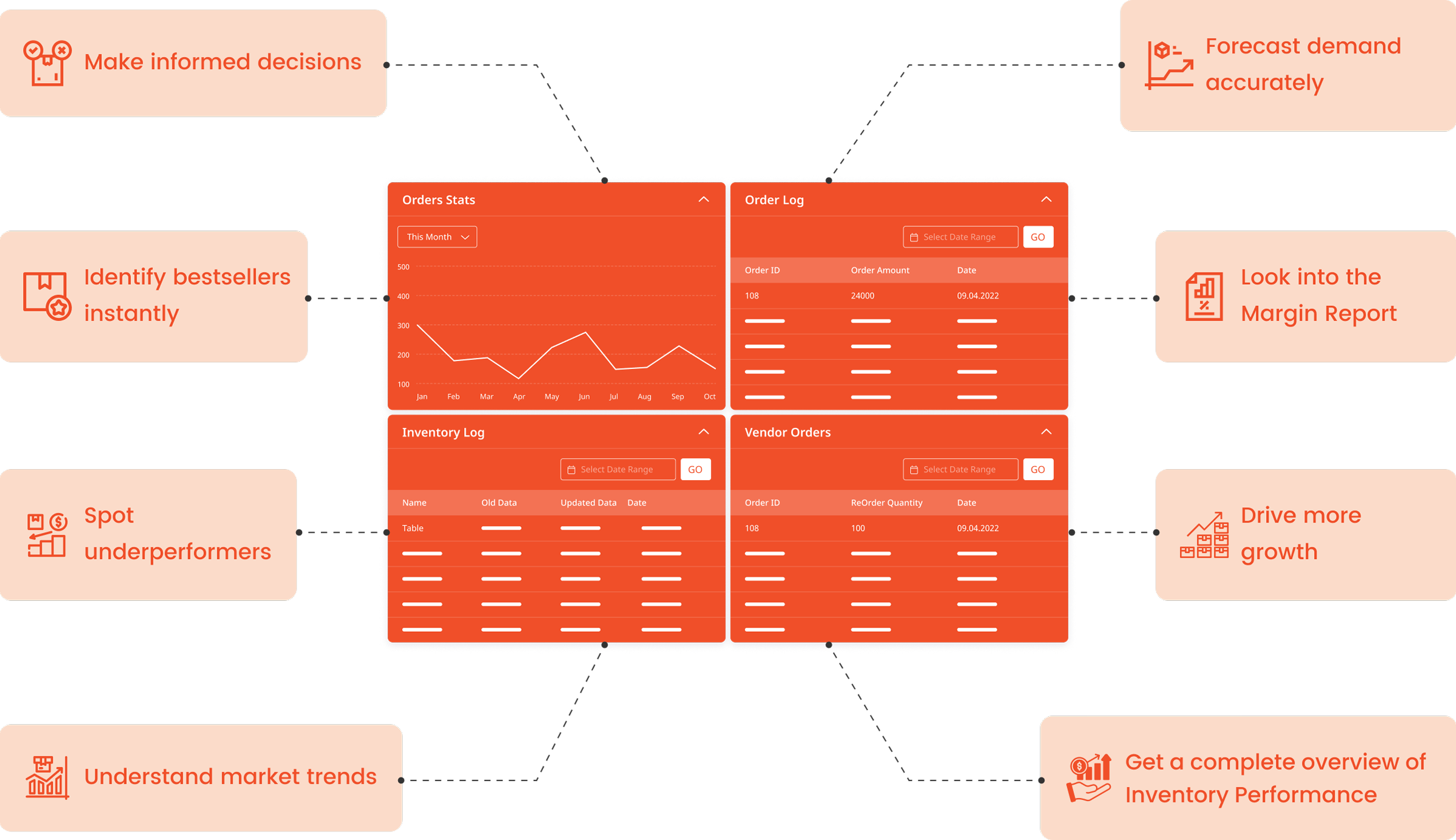
The first step in reducing dead stock is effective inventory management. Businesses should regularly audit their stock, track products in real-time, and analyze sales data. This helps identify slow-moving items early, giving businesses the chance to take corrective actions.
Leverage Demand Forecasting
Accurate demand forecasting can help businesses stock only the products that are likely to sell. By using historical data and market trends, businesses can predict which items will be in demand and which ones are likely to become dead stock.
Run Promotions and Discounts
If dead stock has already accumulated, running flash sales, bundle offers, or time-sensitive discounts can help clear out unsold inventory. This encourages customers to purchase products they might have overlooked.
Return Unsold Products
Many suppliers offer return policies, especially for seasonal items or products with short lifecycles. Businesses can return unsold stock to suppliers, reducing dead stock and recovering some costs.
Repurpose or Repackage Products
Products that are no longer selling can sometimes be repurposed or repackaged. For example, a set of items can be bundled together, or damaged packaging can be replaced, giving the product a fresh appeal.
Use Technology to Identify Dead Stock Early
Manual tracking of stock can be prone to errors, leading to dead stock. By using an automated system to track inventory in real-time, businesses can quickly spot slow-moving items and take action before they accumulate.
How Universell Platform Helps Prevent Dead Stock
Universell Platform is an all-in-one business operations platform that helps businesses streamline inventory management, minimize dead stock, and boost efficiency. Here’s how Universell helps:
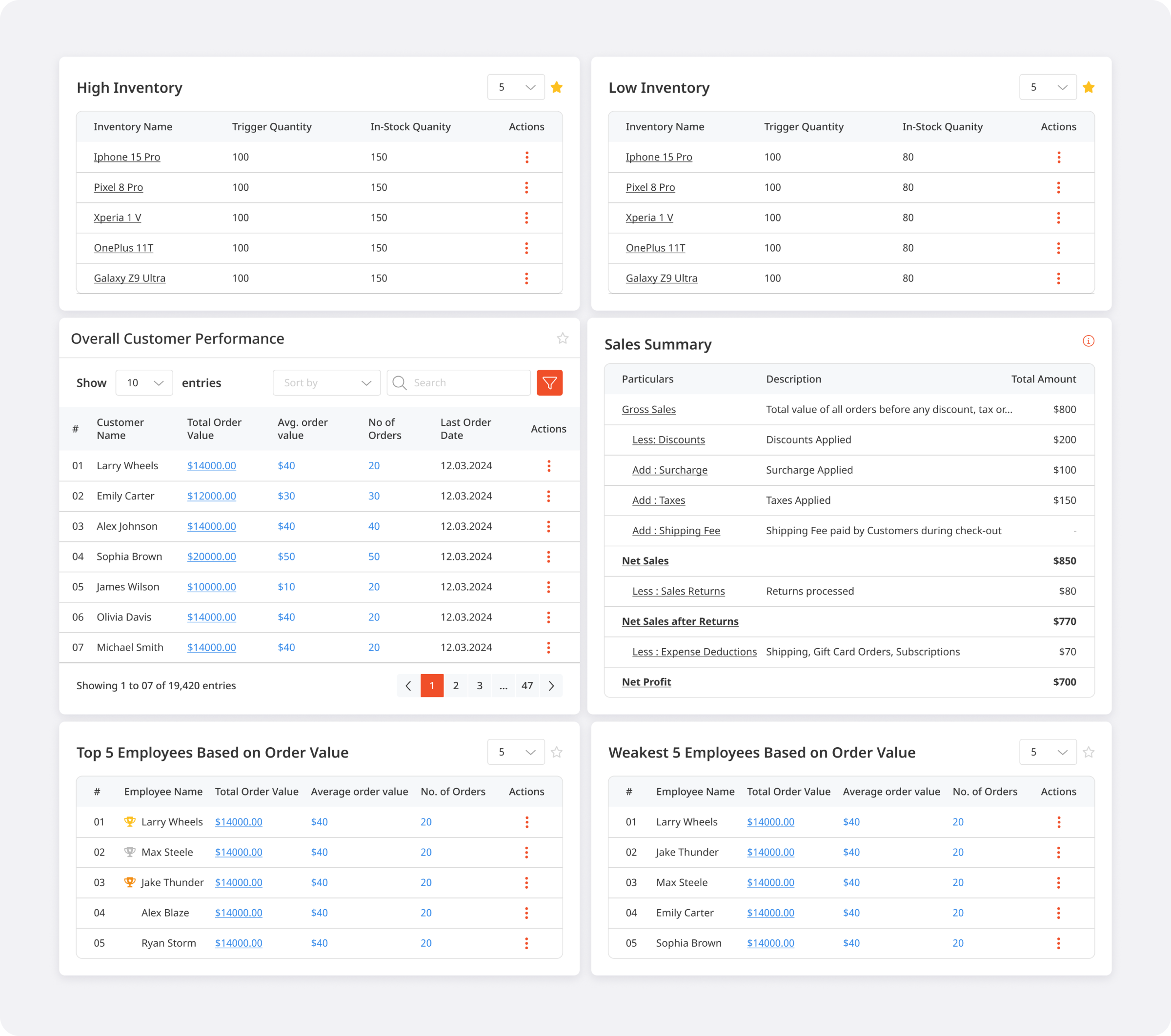
Real-Time Inventory Tracking: Universell Platform provides real-time visibility of stock levels, enabling businesses to avoid overstocking and identify slow-moving products early.
Demand Forecasting Tools: By analyzing historical sales data and market trends, Universell predicts future demand, helping businesses stock only what is needed.
Automated Stock Replenishment: Universell Platform automated replenishment system ensures businesses maintain optimal stock levels, preventing both overstocking and dead stock.
Detailed Analytics: Universell Platform analytics help businesses identify underperforming products and adjust their inventory accordingly, ensuring that capital is invested in high-demand items.
To prevent dead stock from impacting your business, visit www.universell.us today and start optimizing your inventory management.
#DeadStock #InventoryManagement #BusinessEfficiency #DemandForecasting #AutomatedSolutions #Universell #SmartInventory #RetailChallenges #BusinessGrowth #SupplyChainManagement #StockOptimization #TechSolutions