
Oct, 12 2025
Drop Shipping vs Traditional Inventory: Advantages and Drawbacks
In the competitive world of retail and e-commerce, one of the most important decisions for business owners is how to manage inventory. Two of the most widely used models are drop shipping and traditional inventory management. Both have unique advantages and drawbacks, and the right choice depends on a company’s budget, goals, and growth strategy.
What is Drop Shipping?
Drop shipping is a retail fulfillment method where businesses don’t keep products in stock. Instead, when a customer places an order, it is forwarded to a third-party supplier who ships directly to the customer. The seller never handles the physical product, focusing instead on sales and marketing.
What is Traditional Inventory?
In traditional inventory management, businesses purchase stock in advance, store it in warehouses or retail outlets, and handle packaging, shipping, and returns themselves. This approach requires more capital and resources but allows greater control over the entire customer experience.
Advantages of Drop Shipping
1. Low Startup Costs
Since there’s no need to purchase or store products upfront, drop shipping allows entrepreneurs to start with minimal investment.
2. Large Product Range
Businesses can offer a wide catalogue without worrying about warehouse space, making it easier to scale quickly.
3. Flexibility and Mobility
Drop shipping businesses can be run from anywhere with internet access, offering greater flexibility compared to traditional retail.
Drawbacks of Drop Shipping
1. Lower Profit Margins
Suppliers typically charge higher prices per unit, meaning businesses earn less profit compared to bulk purchasing.
2. Limited Control
Since fulfilment and shipping are managed by suppliers, businesses have little control over delivery times, packaging, or quality assurance.
3. High Competition
Many sellers may use the same suppliers, making it difficult to stand out in the market.
Advantages of Traditional Inventory
1. Higher Profit Margins
Buying in bulk reduces cost per unit, allowing businesses to enjoy higher profitability.
2. Better Control Over Customer Experience
From custom packaging to faster shipping, businesses can deliver a branded and consistent experience to customers.
3. Stock Reliability
Since businesses control their own inventory, they are less vulnerable to supplier shortages or delays.
Drawbacks of Traditional Inventory
1. High Upfront Investment
Businesses need significant capital for stock, warehousing, and logistics.
2. Ongoing Costs
Managing warehouses, staff, and storage adds continuous operational expenses.
3. Risk of Unsold Stock
If demand forecasts are inaccurate, businesses may face losses from excess or outdated inventory.
Which Model Should You Choose?
Drop Shipping is ideal for startups and small businesses with limited capital, or for those testing new products.
Traditional Inventory is better suited for established businesses looking to build a strong brand and maximise long-term profits.
Some companies even adopt a hybrid model – using drop shipping to test products and switching to traditional inventory for proven bestsellers.
Final Thoughts
Both drop shipping and traditional inventory play vital roles in today’s retail landscape. While drop shipping offers flexibility and low startup costs, traditional inventory provides stronger control and higher margins. Ultimately, the best choice depends on your resources, risk tolerance, and growth plans.
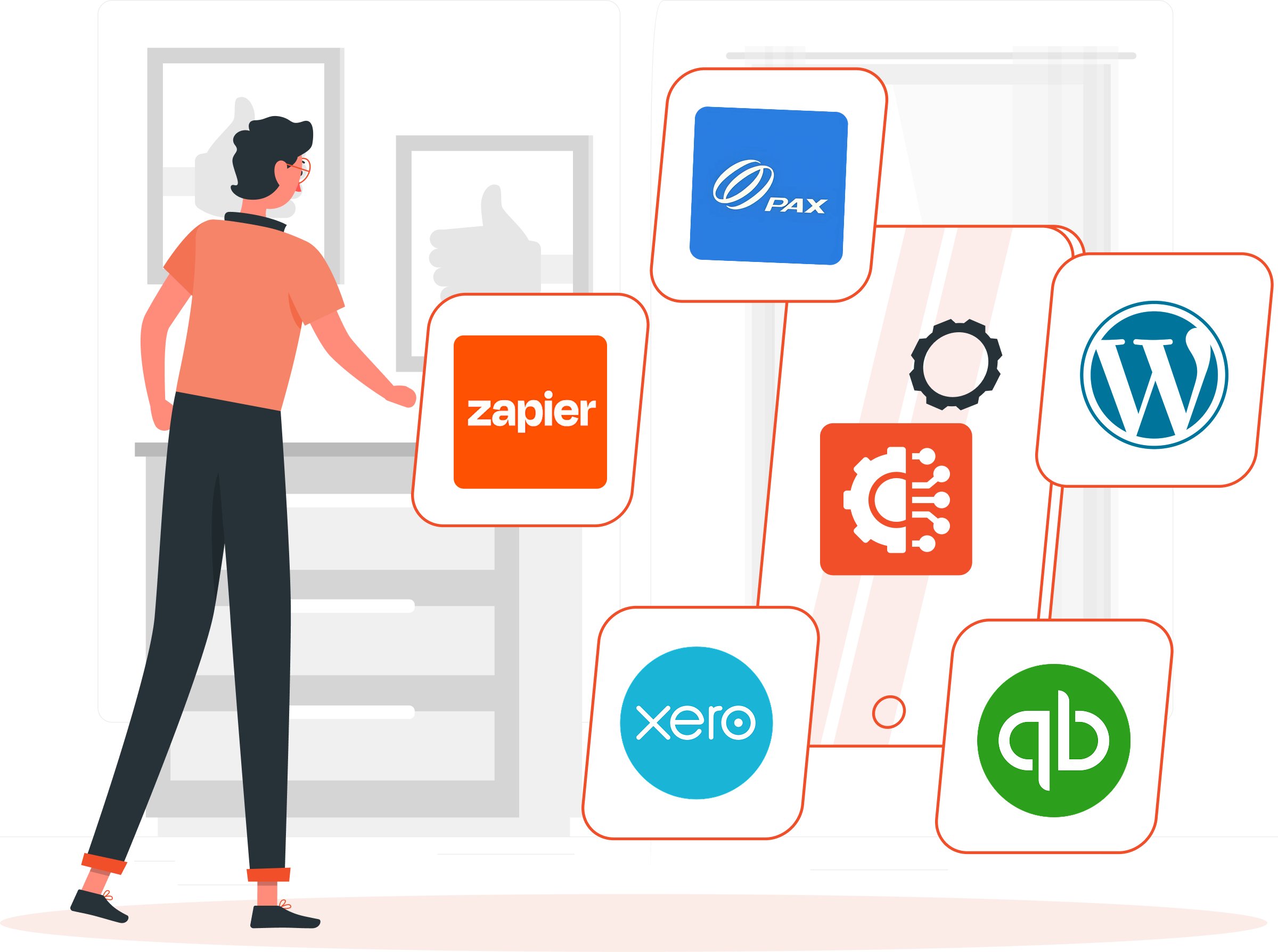
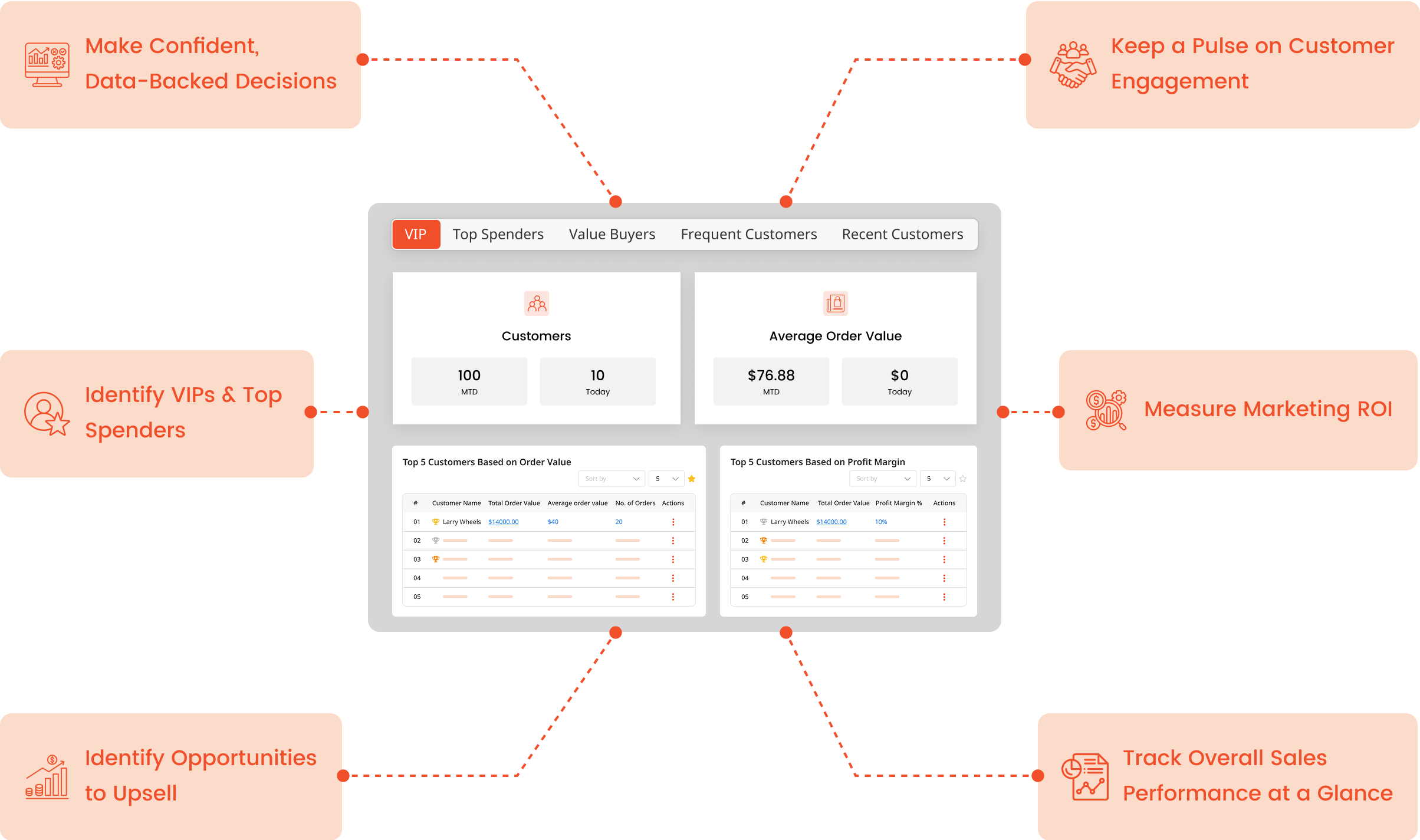
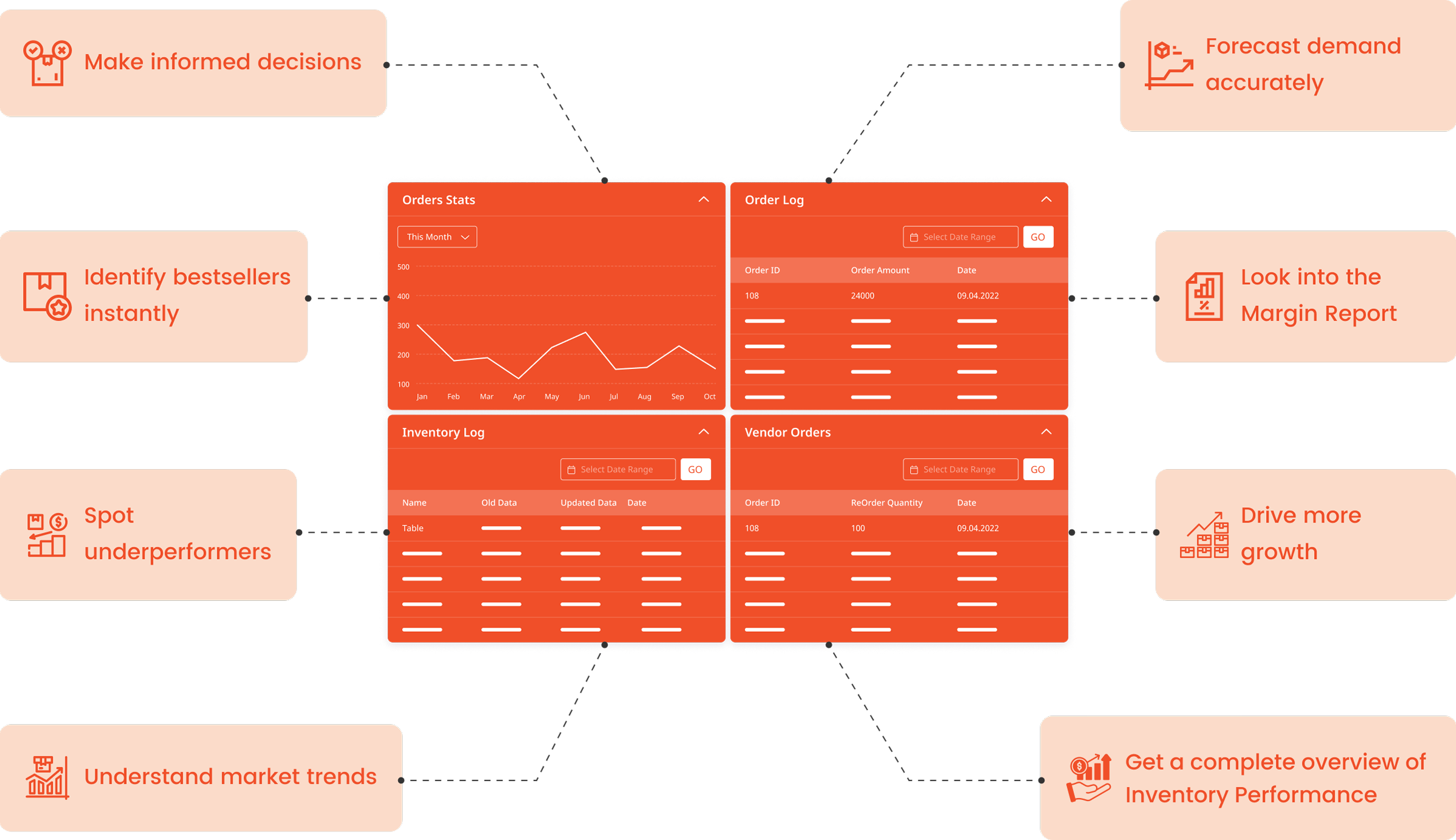
To manage either model effectively, businesses can rely on the Universell Platform – an all-in-one solution for POS, inventory, analytics, and order tracking. It helps retailers simplify operations, reduce costs, and scale confidently.
👉 Learn more at www.universell.us
#DropShipping #InventoryManagement #EcommerceSolutions #RetailTech #BusinessGrowth #SupplyChain #POSsystems #UniversellPlatform #SmartRetail #RetailInnovation