
Oct, 15 2025
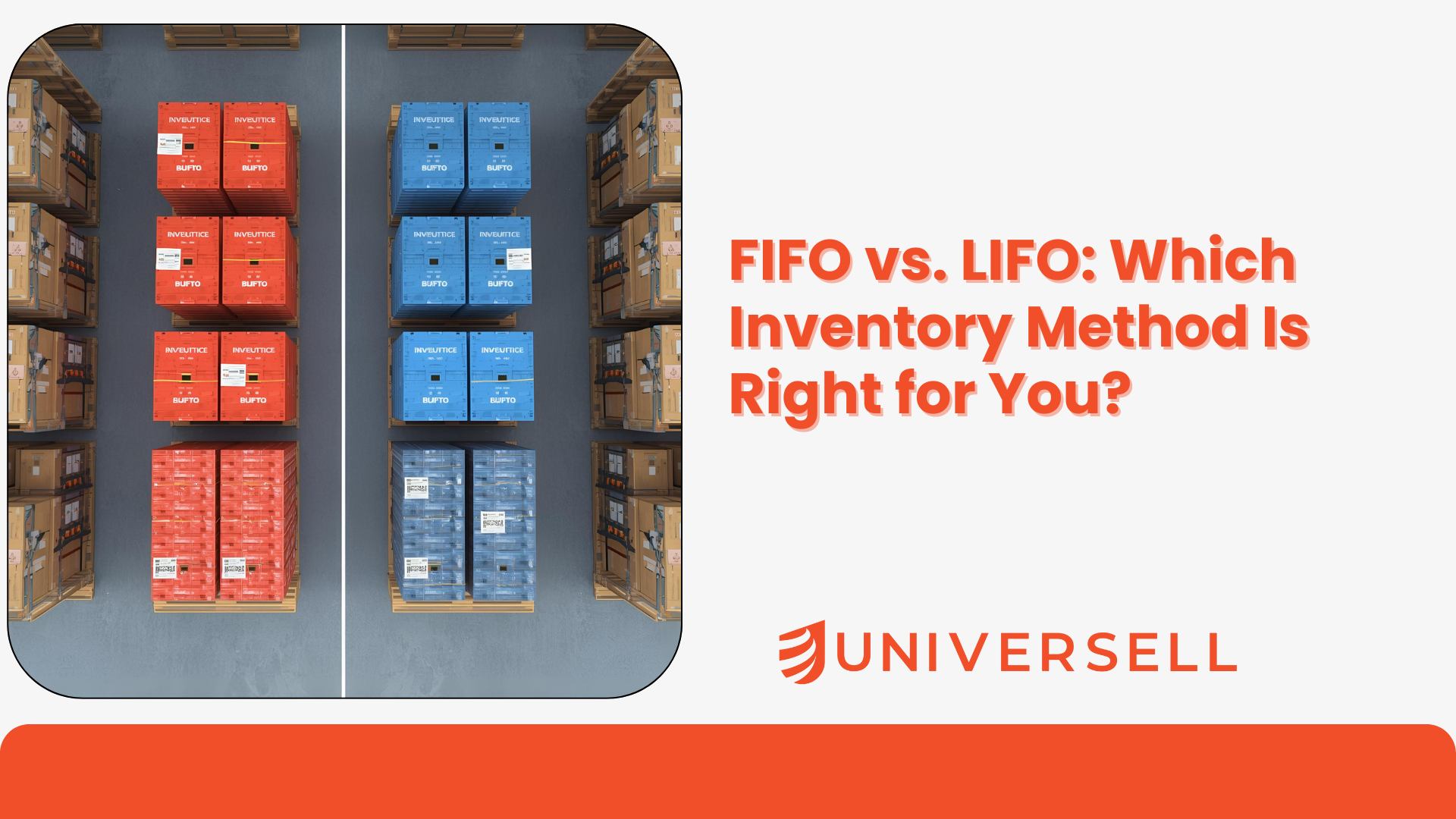
FIFO vs. LIFO: Which Inventory Method Is Right for You?
Every retailer, wholesaler, or small business that sells physical products faces one big question – how should inventory be valued? The method you choose affects not just your profit and taxes, but also how accurately you understand your business performance.
Two of the most common inventory accounting methods are FIFO (First In, First Out) and LIFO (Last In, First Out). Both help you track how goods move through your business, but they work differently and can lead to very different financial results.
Here’s a simple breakdown of each method, their benefits, and how to choose what fits your business best.
1. FIFO – The Fresh and Accurate Method
FIFO stands for First In, First Out, which means the oldest inventory items are sold before the newer ones. Imagine you own a grocery store – you’ll sell last week’s milk before putting out the new batch.
This method is popular because it keeps stock moving efficiently and prevents waste. Businesses dealing in perishable or fast-moving products such as food, cosmetics, or pharmaceuticals rely heavily on FIFO.
Why FIFO works:
✅ Reduces waste: Older products sell first, preventing spoilage or obsolescence.
✅ Reflects true value: Your remaining inventory is valued closer to current market prices.
✅ Shows healthy profit margins: Older inventory costs are lower, making profits appear higher.
However, during periods of inflation, FIFO can make your profits look larger than they actually are – which may increase your tax liability. Despite that, it remains the most globally accepted method under international accounting standards.
2. LIFO – The Smart Way to Manage Costs During Inflation
LIFO stands for Last In, First Out – meaning the newest inventory purchased is sold first. If prices of goods are rising, this method records the latest (and higher) costs first, leading to higher expenses and lower taxable income.
This can be an advantage for businesses that want to reduce their tax burden in times of inflation. However, it may not represent the real value of your remaining stock accurately, since older items (purchased at lower prices) remain in your books for longer.
Why LIFO helps:
✅ Tax savings: Higher cost of goods sold means lower profit, reducing taxes.
✅ Reflects current costs: Profit calculations align with current market prices.
✅ Useful for non-perishable goods: Ideal for industries like machinery, metals, or electronics.
On the downside, LIFO isn’t accepted under IFRS accounting standards (used in most countries). It’s mainly used in the United States, and it’s not suitable for products that can expire or lose quality over time.
3. Choosing What Fits Your Business Best
Selecting between FIFO and LIFO depends on your industry, inventory type, and financial goals.
Choose FIFO if:
You sell perishable or fast-moving goods.
You want accurate financial statements and compliance with global standards.
You focus on long-term consistency and transparency.
Choose LIFO if:
You operate in the U.S. and want to manage taxes during inflation.
Your inventory doesn’t expire or lose value over time.
You want your cost of goods sold to match current market prices.
No matter which method you choose, consistency is crucial. Switching back and forth can cause accounting confusion and make financial comparisons harder.
Conclusion
The right inventory method helps you make better business decisions – from pricing and profit planning to forecasting and tax strategy.
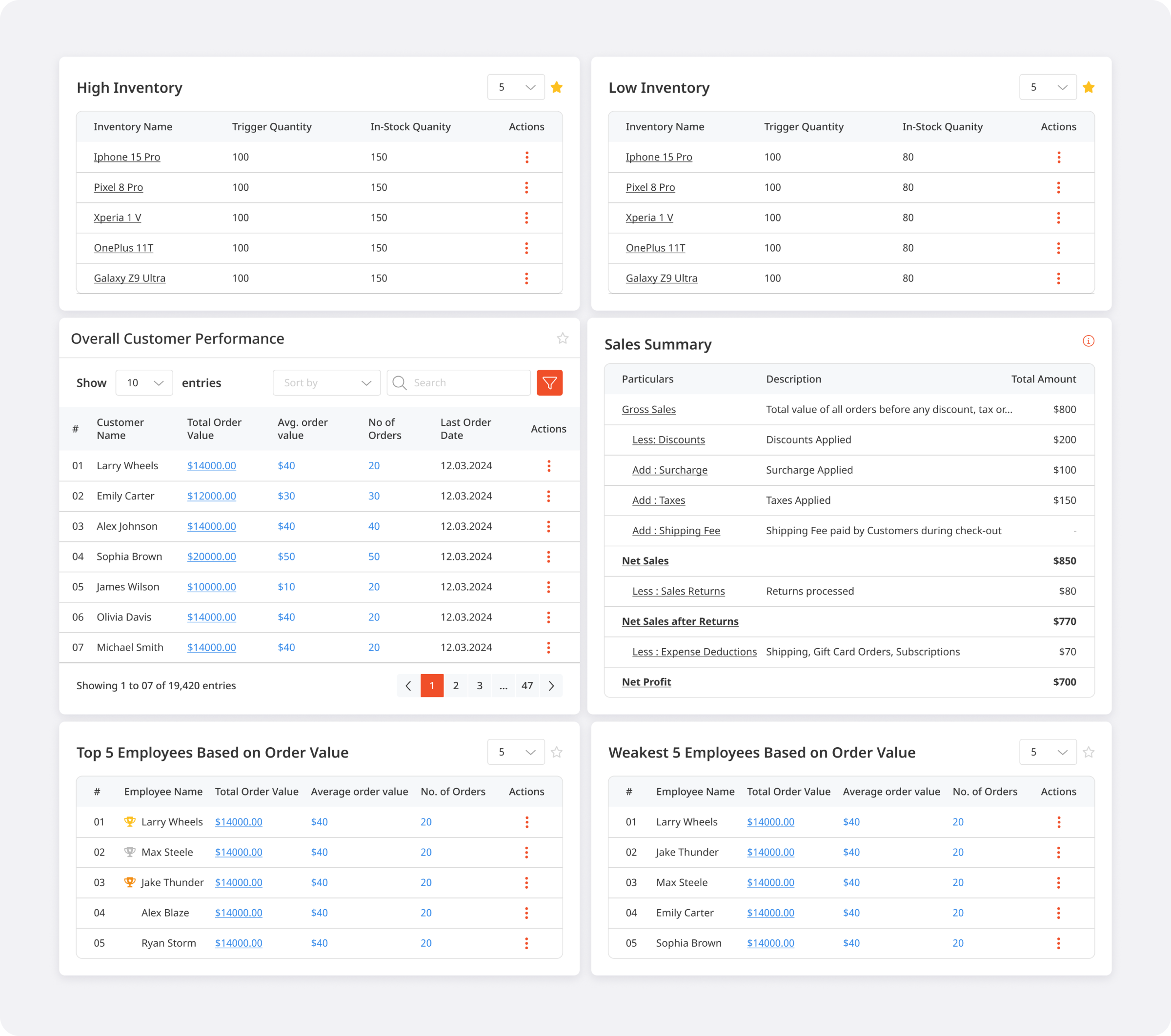
With the Universell Platform, retailers can easily apply FIFO or LIFO tracking, monitor real-time stock levels, analyse costs, and gain insights that improve efficiency and profitability.
👉 Learn more at www.universell.us
#InventoryManagement #RetailTechnology #SmartRetail #UniversellPlatform #POSMadeEasy #RetailTips #BusinessGrowth #FIFO #LIFO #InventoryControl