
Mar, 31 2026
How CRM Supports Customer-Centric Business Strategies
In the ever-evolving business landscape, customer-centricity has become a crucial factor for success. Companies that focus on understanding and meeting their customers’ needs foster stronger relationships, drive loyalty, and ultimately grow their businesses. At the heart of these strategies is Customer Relationship Management (CRM), which enables businesses to manage customer interactions, streamline processes, and personalize experiences. Here’s how CRM supports customer-centric business strategies:
1. Centralized Customer Data
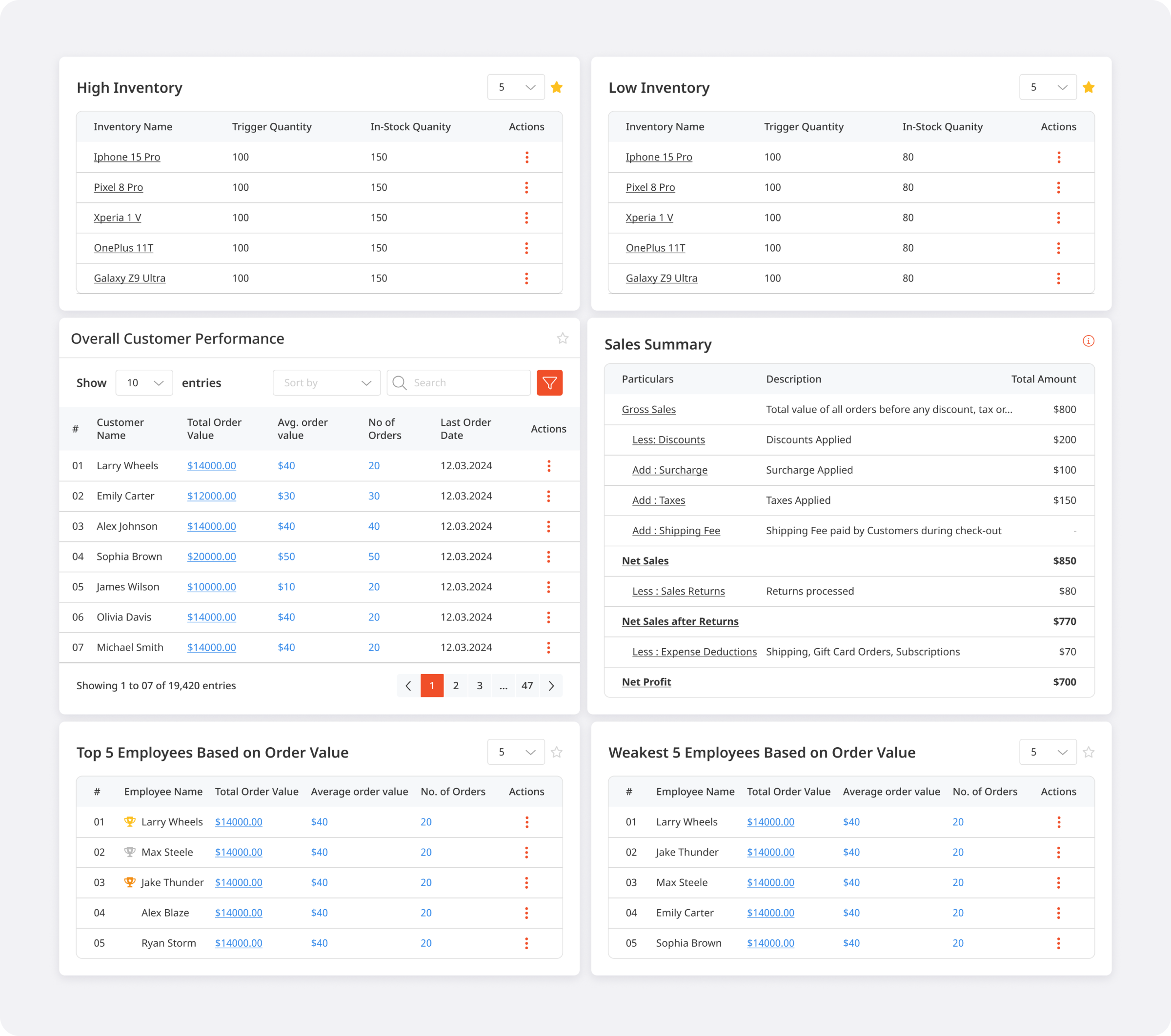
A CRM system consolidates all customer data into a single, accessible platform. By having a centralized database of contact information, past interactions, purchase history, and preferences, businesses gain a comprehensive view of each customer. This 360-degree insight allows companies to personalize interactions and offer services that are more relevant to the customer. The ability to access and update customer profiles in real-time enhances service quality and strengthens customer relationships, making it easier for businesses to tailor their offerings.
2. Improved Customer Engagement
CRM tools help businesses engage with customers across multiple channels, including email, social media, live chat, and phone. By tracking customer interactions, CRM systems enable businesses to provide timely and relevant responses, improving engagement. Automated features such as email campaigns or follow-up reminders ensure consistent communication. Through targeted messages and personalized content, businesses can build stronger connections with their customers and maintain ongoing engagement, which is a key aspect of any customer-centric approach.
3. Proactive Customer Service
CRM systems allow businesses to anticipate customer needs by tracking their behavior and previous interactions. With this data, companies can identify potential issues before they escalate and offer proactive solutions. For example, if a customer has experienced issues with a product in the past, a business can use CRM to alert the support team to reach out proactively. This proactive approach helps solve problems quickly, reducing frustration and increasing customer satisfaction – two vital components of a customer-centric strategy.
4. Segmentation and Targeted Marketing
Effective marketing relies on understanding different customer segments and tailoring strategies to meet their unique needs. CRM systems provide businesses with the tools to segment customers based on various criteria, such as demographics, purchase behavior, and engagement levels. This segmentation allows businesses to create targeted marketing campaigns that resonate with specific groups. By reaching the right audience with personalized offers, businesses can increase the relevance of their marketing efforts and improve conversion rates.
5. Real-Time Insights and Analytics
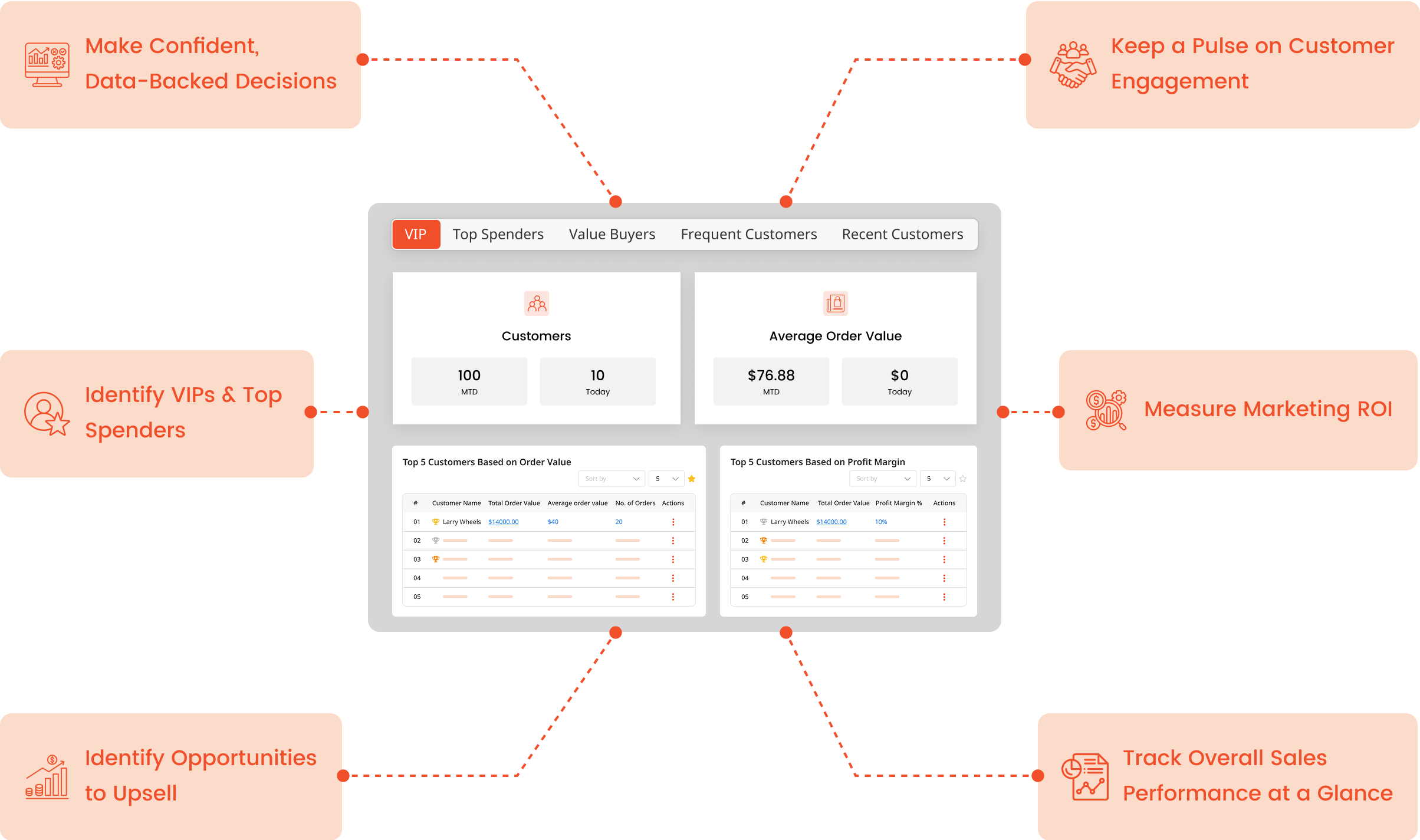
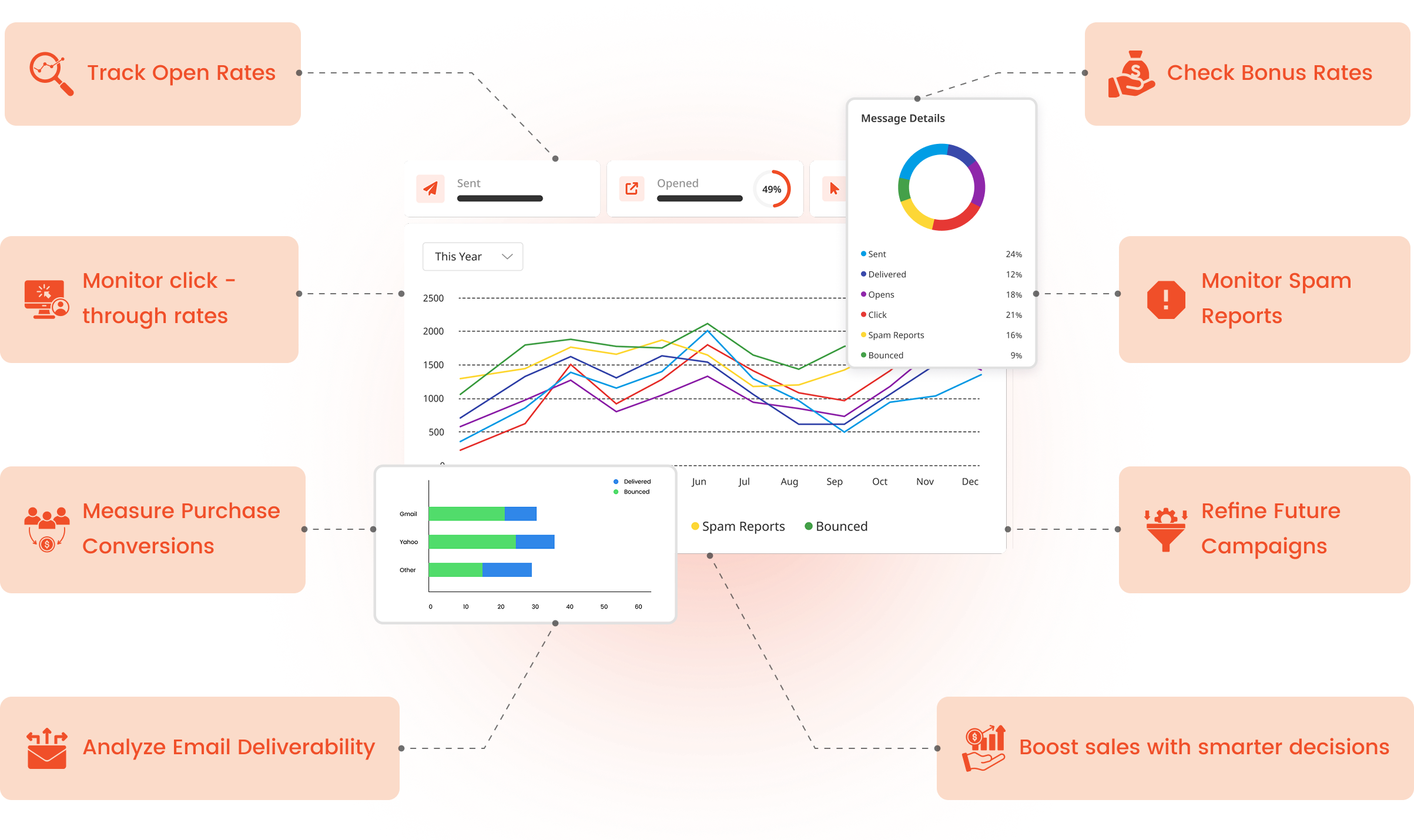
CRM systems offer businesses real-time insights into customer behaviors and preferences, enabling data-driven decision-making. Through CRM analytics, businesses can track customer interactions, measure the effectiveness of campaigns, and monitor customer satisfaction levels. This data helps businesses adapt quickly to changing customer needs and market trends, ensuring they remain agile and competitive. By analyzing CRM data, companies can also identify opportunities for growth, whether through cross-selling, up-selling, or product/service improvements.
6. Sales and Marketing Alignment
For a business to be truly customer-centric, alignment between sales and marketing is crucial. CRM systems help bridge the gap between these two departments by providing a unified platform where both teams can access shared customer data. Marketing teams can use CRM insights to identify high-potential leads, while sales teams can use that information to nurture relationships and close deals more effectively. This alignment ensures consistency in messaging and a seamless customer journey, driving long-term loyalty and satisfaction.
Conclusion
CRM systems are essential for implementing customer-centric business strategies. By centralizing customer data, improving engagement, and offering proactive service, businesses can build stronger, more personalized relationships with their customers. Furthermore, CRM enables businesses to track real-time data, segment audiences for targeted marketing, and align sales and marketing efforts.
Universell platform provides a robust CRM platform designed to help businesses foster deeper connections with their customers. With Universell’s CRM, companies can ensure they are always in tune with their customers’ needs, offering personalized experiences that drive growth and loyalty.
Learn more at www.universell.us
#CustomerCentric #CRM #BusinessGrowth #CustomerExperience #CustomerSatisfaction #Universell