
Apr, 11 2026
How Inventory Tracking Reduces Costs and Waste
Effective inventory tracking is essential for businesses of all sizes, whether you’re managing a small retail shop or a large-scale e-commerce operation. It provides real-time data on stock status, helping you optimize resources, minimize waste, and reduce costs. Below, we explore how inventory tracking contributes to cost-saving and waste-reduction strategies.
1. Prevents Overstocking and Understocking
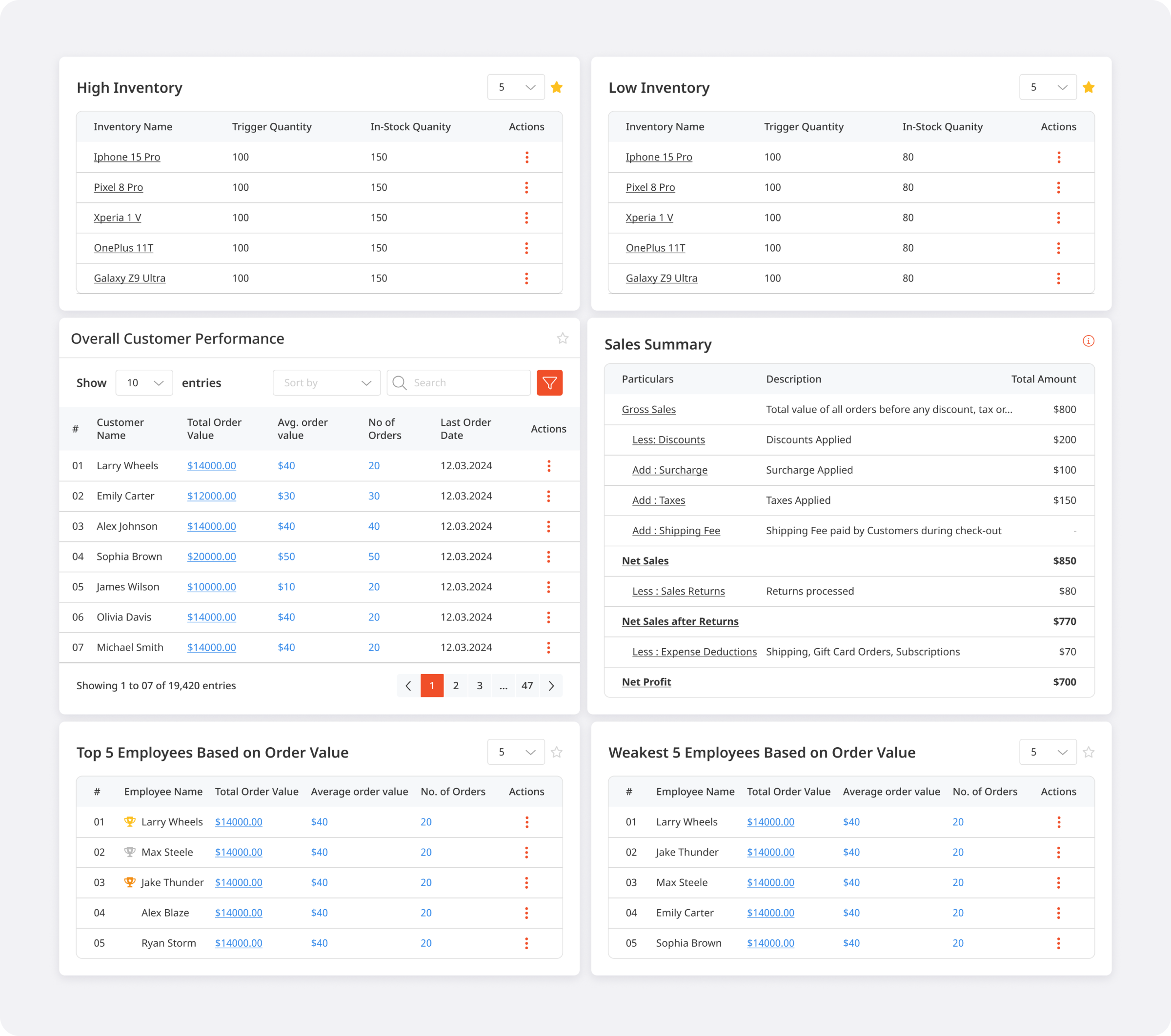
Overstocking ties up capital and increases storage costs, while understocking results in missed sales opportunities. Accurate inventory tracking allows businesses to monitor stock levels in real-time, ensuring that only the necessary amount of stock is ordered. This balance prevents overstocking and understocking, saving costs and reducing waste by maintaining optimal supply levels.
2. Reduces Waste from Expired or Obsolete Goods
In industries dealing with perishable or seasonal products, unsold goods can expire or become obsolete. Inventory tracking helps businesses track expiration dates and product lifecycles, ensuring that older items are sold first. This reduces waste by preventing unsellable goods from being disposed of, thus saving businesses money on discarded stock.
3. Enhances Demand Forecasting and Planning
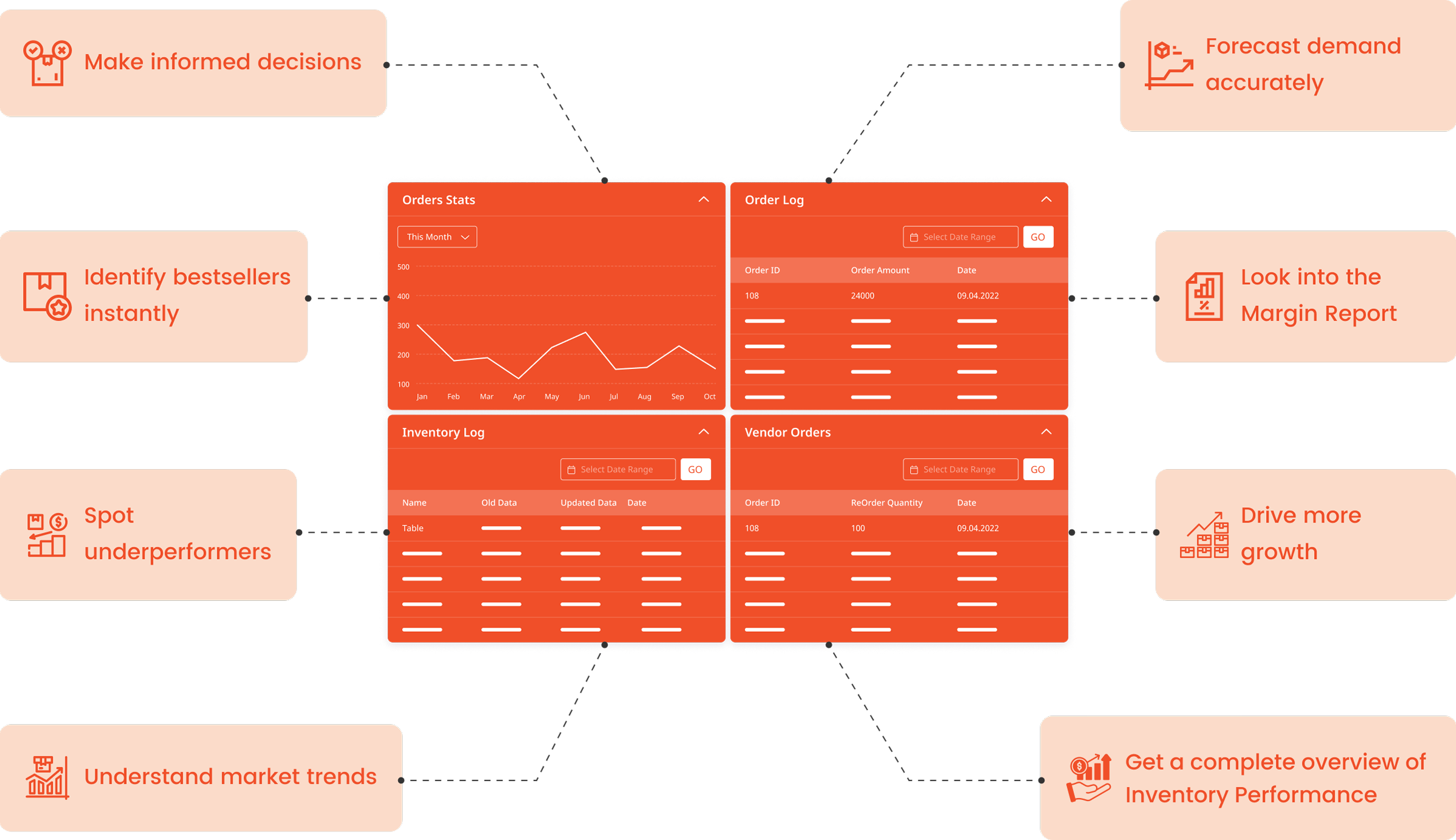
By analyzing past sales and current stock levels, inventory tracking enables businesses to forecast demand accurately. This helps in making informed purchasing decisions, reducing the risk of overstocking or understocking, and preventing excess inventory. With better demand planning, businesses can prepare for peak seasons and avoid waste from unsold stock.
4. Reduces Manual Errors
Manual inventory management can lead to errors such as miscounting or misplaced items, which can result in unnecessary costs. Automated inventory tracking systems significantly reduce human error, ensuring accurate stock levels. By automating the process, businesses avoid costly mistakes like overordering or running out of stock, improving efficiency and reducing waste.
5. Lowers Operational and Storage Costs
Without proper inventory tracking, businesses may face inefficiencies in operations, such as overstocking or misplacing items, which increases storage costs. Inventory tracking helps businesses organize their stock more efficiently, reducing excess storage requirements. It streamlines warehouse operations, improves inventory flow, and ultimately lowers operational and storage costs, benefiting the bottom line.
6. Optimizes Supplier Relationships and Negotiations
Inventory tracking systems provide businesses with detailed insights into stock levels and order history, making it easier to negotiate better terms with suppliers. By knowing exact stock needs, businesses can order only what is necessary, avoiding excess stock and unnecessary shipping costs. This helps businesses save on bulk purchase and shipping fees, optimizing supplier relationships.
Conclusion: The Bottom Line
Inventory tracking is a crucial tool that helps businesses save money, reduce waste, and streamline operations. By implementing an efficient inventory management system, businesses can prevent overstocking, improve demand forecasting, and lower operational costs.
Universell offers real-time inventory tracking solutions that help businesses optimize operations and make smarter, data-driven decisions.
Learn more at www.universell.us.
#Universell #InventoryManagement #CostReduction #Efficiency #SmartTracking #BusinessGrowth