
Feb, 17 2026
How Reporting Improves Accountability
Accountability is one of the most important foundations of a well-run organisation. When teams understand their responsibilities and leaders have visibility into performance, businesses operate more efficiently and consistently. Reporting plays a central role in building this accountability by creating structure, clarity, and transparency across operations.
Reporting Creates Clear Ownership
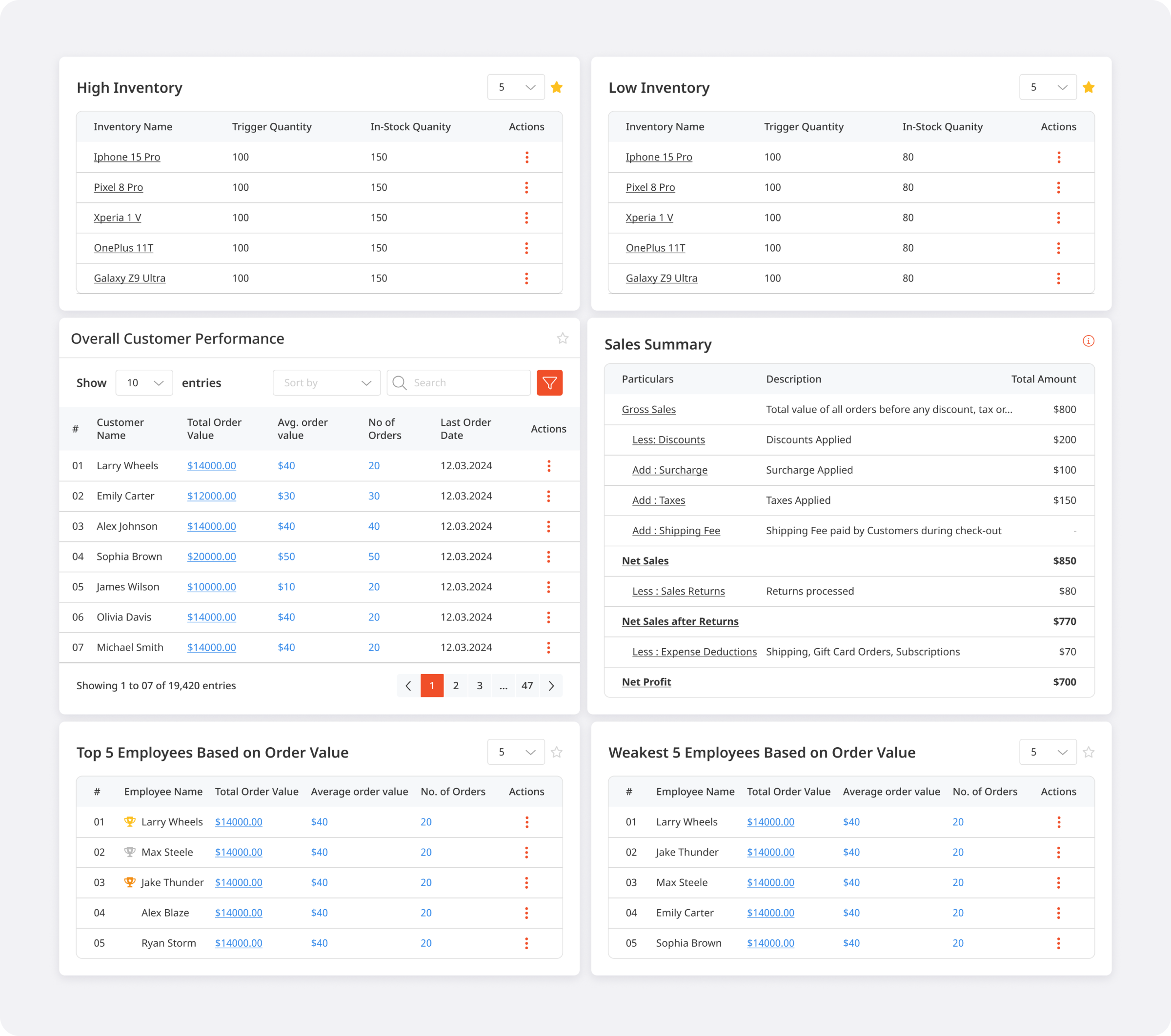
One of the biggest challenges businesses face is unclear ownership of tasks and outcomes. Reporting helps solve this by clearly linking responsibilities to measurable results. When reports track who is responsible for what – whether it’s sales targets, inventory levels, project milestones, or customer support metrics – there is less ambiguity. Individuals and teams know exactly what they are accountable for and how their performance is being evaluated.
Measurable Metrics Set Clear Expectations
Accountability improves when expectations are clearly defined and measurable. Reporting establishes benchmarks and key performance indicators that show what success looks like. Instead of vague goals, teams work toward specific outcomes that can be tracked over time. This removes subjectivity and ensures accountability is based on data rather than opinions.
Consistent Reporting Encourages Discipline
Regular reporting creates a rhythm of accountability. When progress is reviewed consistently – weekly, monthly, or quarterly – teams remain focused and proactive. Knowing that results will be measured encourages individuals to manage their time better, meet deadlines, and follow through on commitments.
Transparency Builds Trust and Responsibility
Transparency is essential for accountability, and reporting makes transparency possible. When performance data is visible to relevant stakeholders, there is less room for confusion or miscommunication. Everyone works from the same information, which reduces misunderstandings and prevents blame-shifting.
Early Identification of Issues
Reporting allows businesses to identify gaps, delays, or inefficiencies early. When data highlights missed targets or declining performance, leaders can address issues before they escalate. This supports accountability in a constructive way, focusing on improvement rather than fault-finding.
Accountability at the Leadership Level
Reporting strengthens accountability at the leadership level by grounding decisions in real data. Leaders are held responsible for outcomes, encouraging smarter planning, better resource allocation, and transparent decision-making.
Long-Term Accountability and Continuous Improvement
Reporting creates a historical record of performance that supports long-term accountability. Businesses can track trends, measure progress, and refine strategies over time, making accountability an ongoing practice rather than a one-time review.
Conclusion
Accountability thrives in environments where expectations are clear, performance is visible, and progress is measured consistently. Reporting delivers all three, helping businesses build responsibility at every level and drive sustainable success.
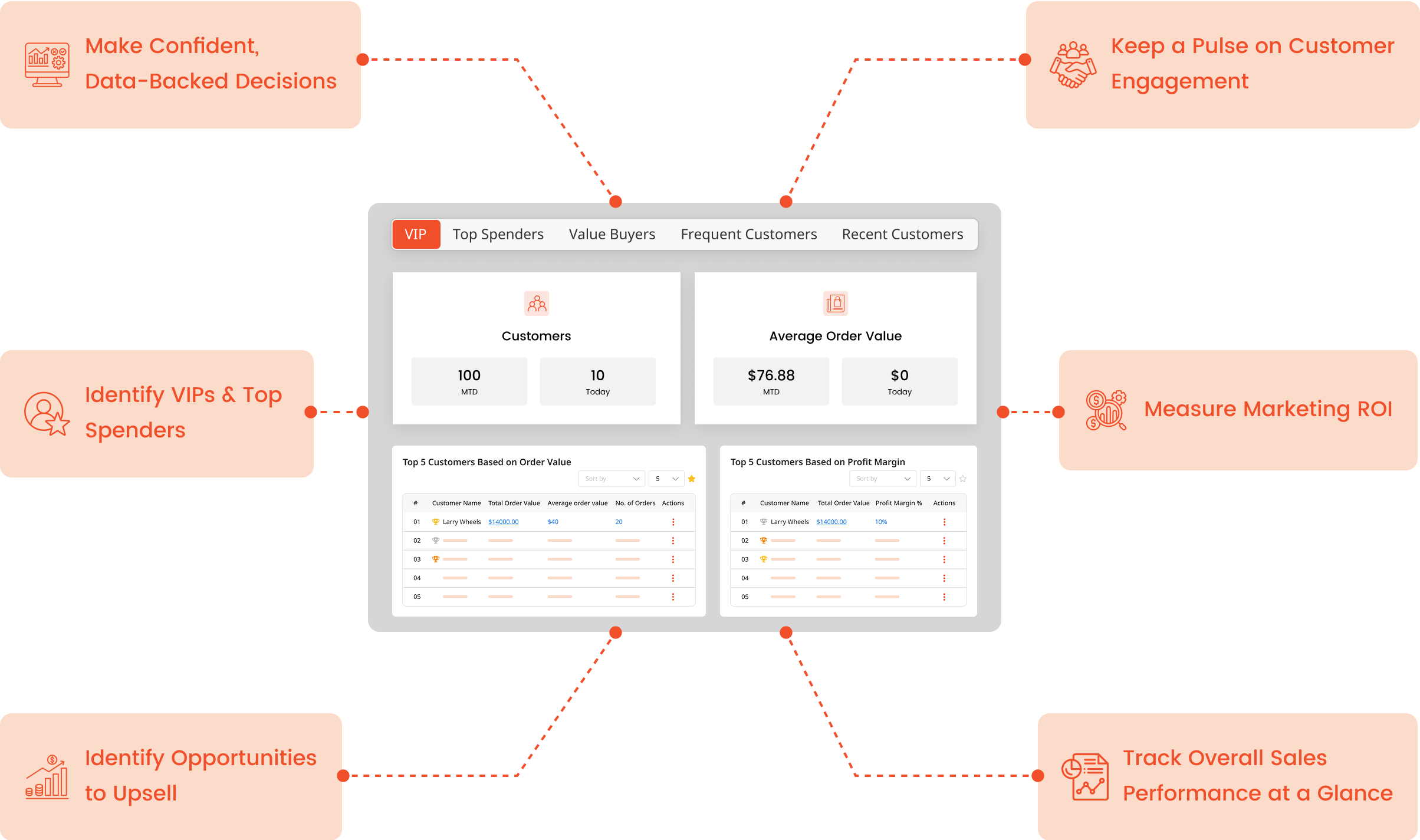
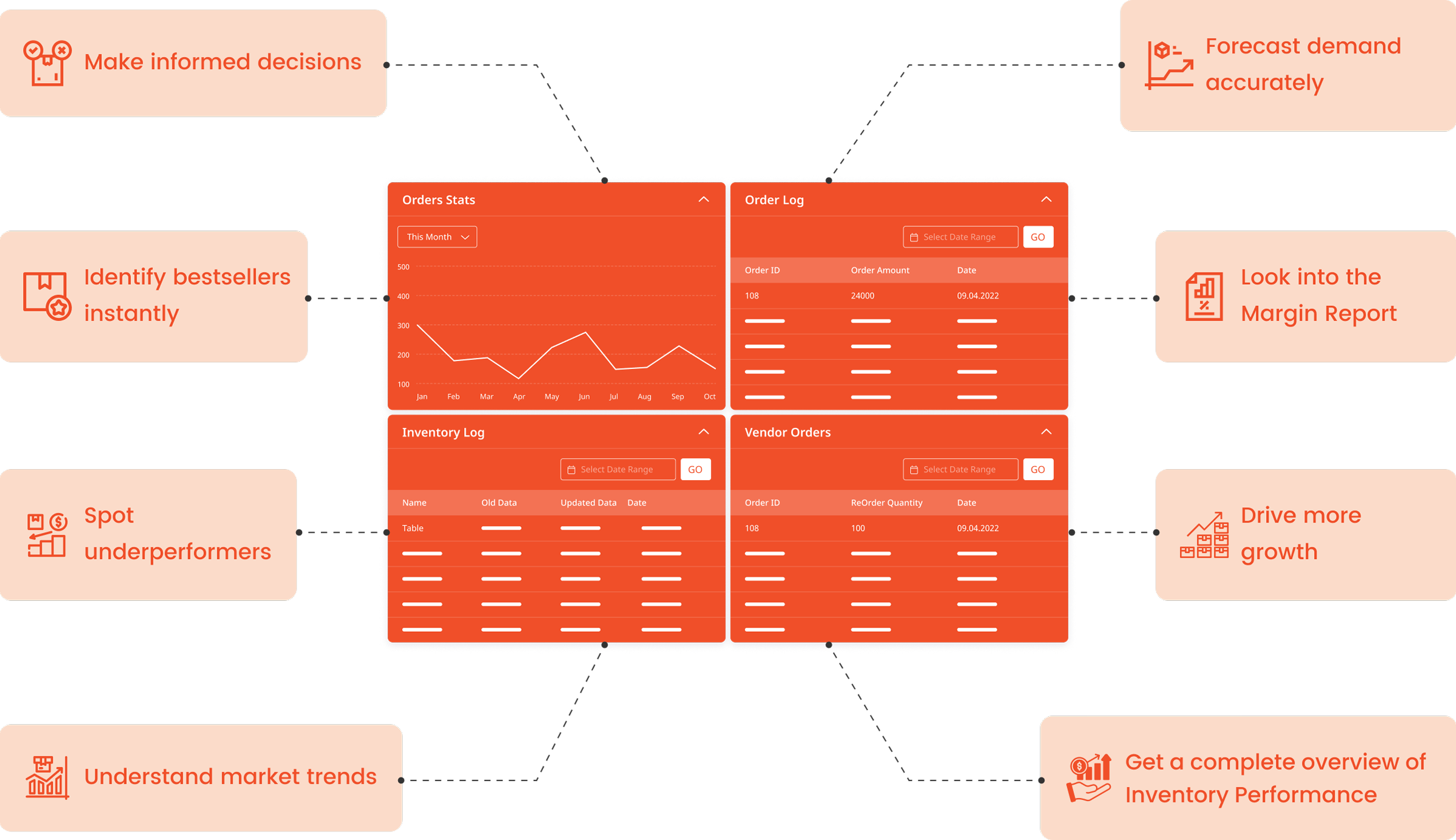
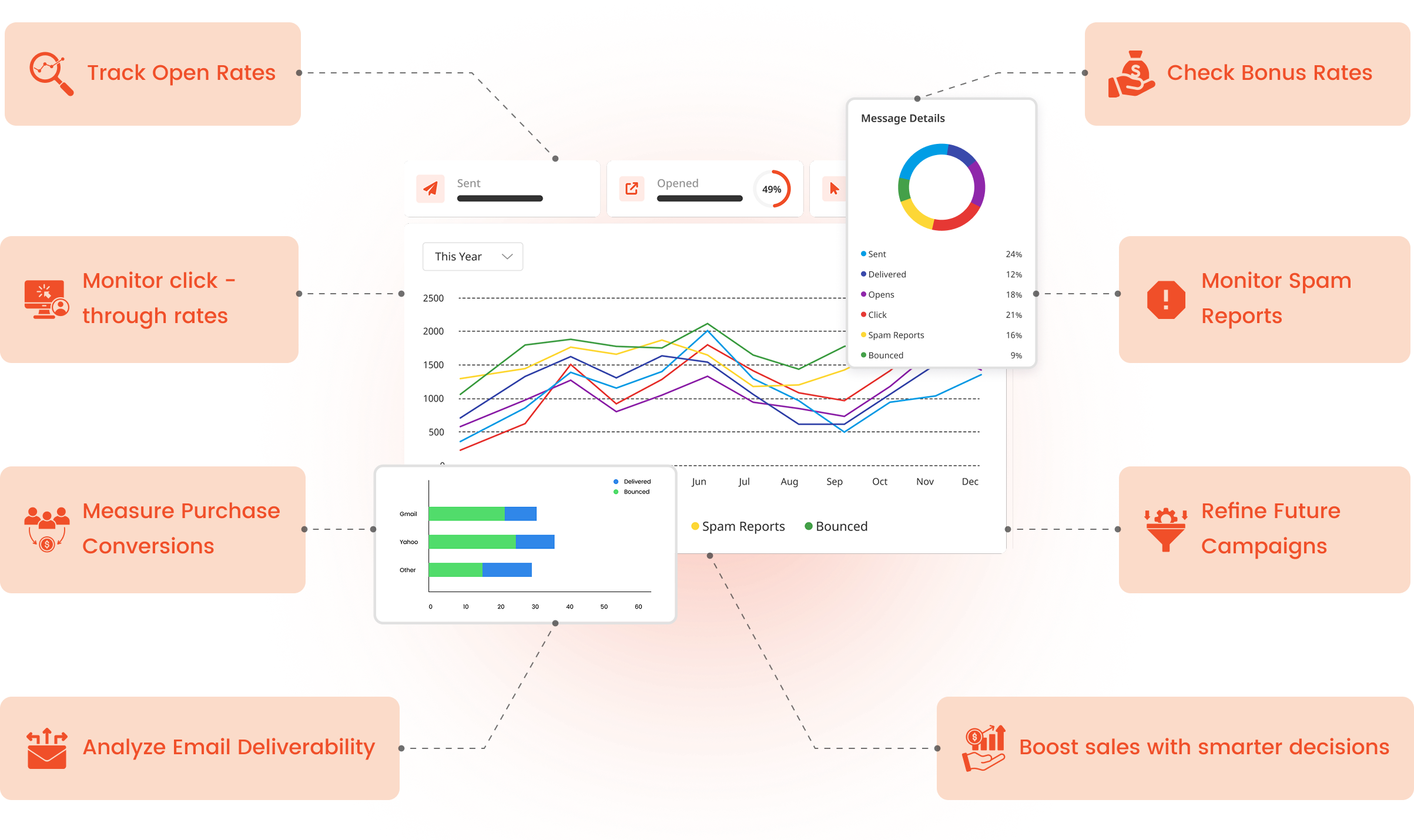
To make reporting simpler and more actionable, Universell provides real-time reporting and unified dashboards that give teams clear visibility and leaders better control.
Learn more at www.universell.us
#Universell #BusinessReporting #Accountability #DataDrivenDecisions #BusinessOperations #PerformanceTracking #OperationalExcellence #BusinessGrowth #SmartAnalytics #Leadership