
Feb, 02 2026
How Retailers Use Inventory Management Software to Stay Competitive
Efficient inventory management is crucial for retailers looking to thrive in a competitive market. As consumer demands continue to evolve and operational complexities increase, many retailers are turning to inventory management software to streamline their operations. By adopting advanced technology, retailers can optimize stock levels, reduce waste, and respond to shifting market trends more effectively. Here’s how inventory management software is empowering businesses to stay competitive in 2026.
Real-Time Inventory Tracking
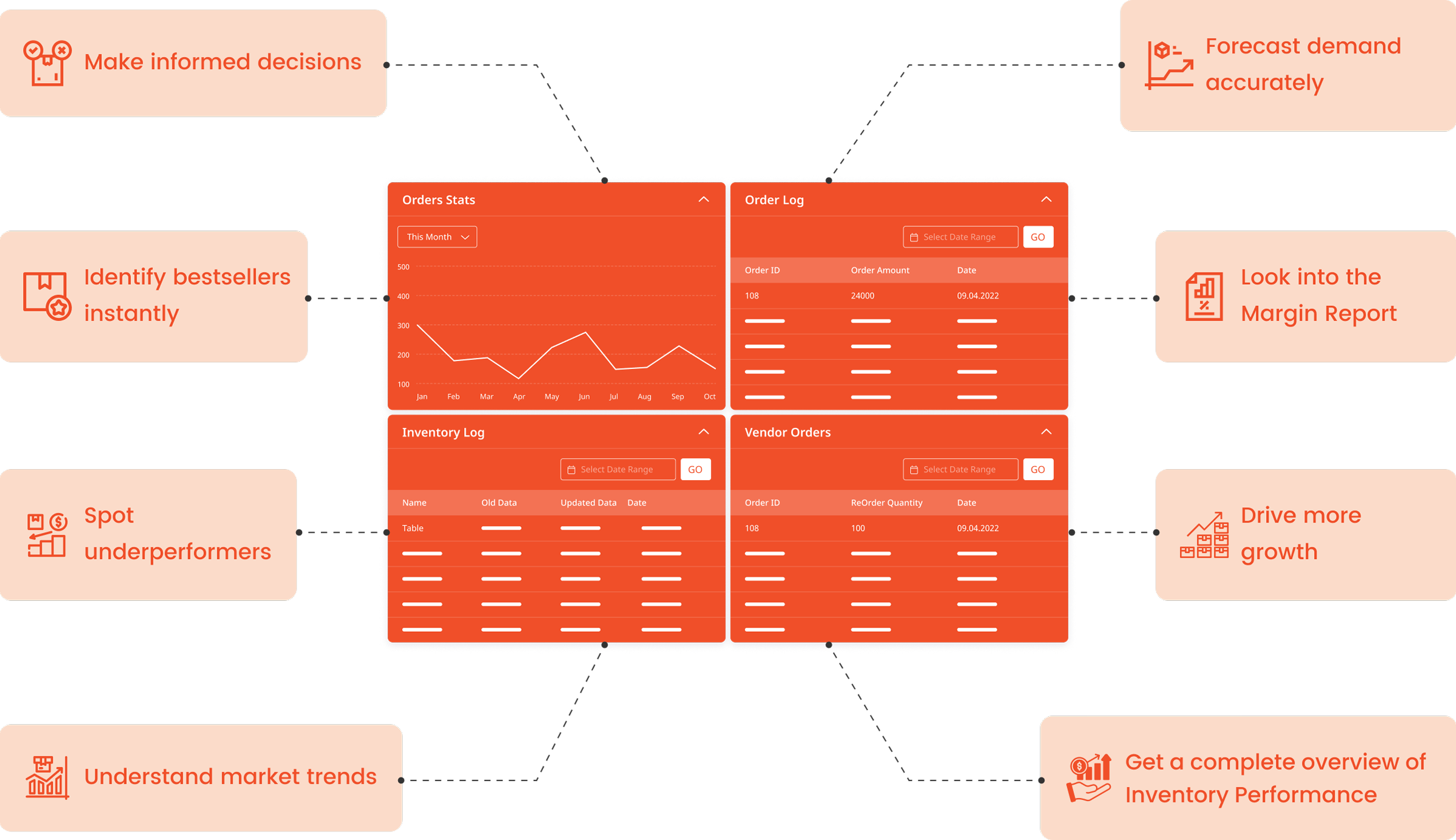
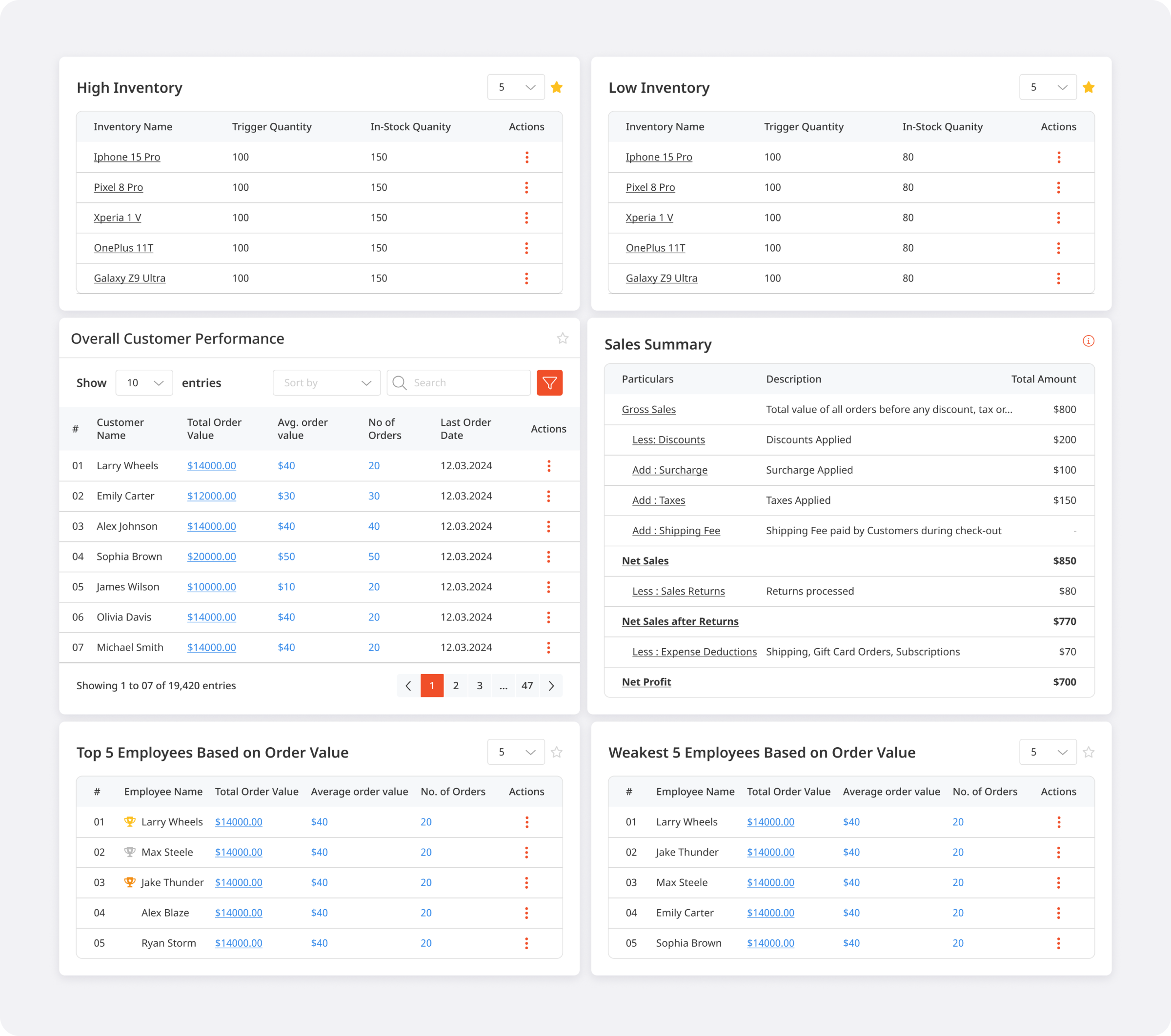
One of the key features of inventory management software is real-time inventory tracking. In a world where customer expectations are higher than ever, knowing exactly where products are, how much stock is available, and what’s selling is essential for success. Real-time tracking enables businesses to keep accurate stock levels, ensuring that customers’ needs are met promptly. By having a clear view of stock availability, businesses can reduce the chances of stockouts and overstocking. This system ensures that businesses always have the right products available when needed, reducing the risk of lost sales due to missing stock.
Furthermore, with real-time data, retailers can respond to trends quickly, adapting to shifts in consumer behavior and demand patterns. Whether it’s a sudden surge in popularity for a specific product or seasonal trends, retailers can make data-driven decisions to replenish stock accordingly. Real-time tracking also minimizes human error by automating inventory updates and preventing discrepancies between physical stock and the recorded inventory.
Improved Order Management
Inventory management software helps retailers streamline order management by automating processes that were once done manually. From order placement to fulfillment, the system can automatically update inventory levels, process orders, and flag low-stock items for replenishment. The seamless integration between inventory and order management ensures that retailers can meet customer demand efficiently and without delay.
For businesses operating across multiple sales channels, inventory management software helps synchronize stock levels between online platforms and physical stores. This minimizes the risk of overselling and ensures that inventory is accurately reflected across all channels, leading to improved customer experience and satisfaction.
Optimizing Stock Replenishment
Effective stock replenishment is crucial for optimizing cash flow and ensuring that products are always available for customers. Inventory management software provides real-time insights into sales trends, inventory turnover, and demand patterns. These insights allow retailers to make smarter decisions when it comes to replenishment.
By using predictive analytics, retailers can anticipate demand fluctuations and place orders with suppliers in advance, avoiding last-minute shortages. This automated replenishment process reduces the chances of both overstocking and stockouts, helping businesses maintain a lean inventory. This improves cash flow by reducing the need to tie up capital in unsold inventory, ensuring that funds are better allocated toward growing the business.
Streamlining Multi-Channel Operations
In today’s retail landscape, many businesses operate both online and offline, making multi-channel inventory management a major challenge. Inventory management software helps integrate inventory across various sales platforms, providing retailers with a unified view of stock levels in real-time. This centralized inventory system ensures that retailers can manage stock more efficiently across both their physical and online stores, providing customers with accurate product availability information.
Enhancing Customer Satisfaction
Ultimately, inventory management software helps retailers meet customer expectations, which is crucial in today’s competitive retail market. Customers expect products to be available when they want them, and any delay in stock availability can result in lost sales or dissatisfied customers. With the help of accurate inventory tracking, businesses can ensure that customers are able to find what they need, whether they are shopping online or in-store.
This reduces the frustration of customers encountering out-of-stock messages and increases customer trust and loyalty. Happy customers are more likely to return to a store or website that consistently delivers on product availability and efficient fulfillment.
Conclusion
In the retail landscape, inventory management software is more than just a tool; it’s a critical component of a retailer’s strategy for growth and success. By offering real-time tracking, improving order management, optimizing stock replenishment, and streamlining multi-channel operations, inventory management software enables retailers to stay competitive. It provides retailers with the insights needed to make smarter decisions, reduces costs associated with inventory mismanagement, and ultimately improves customer satisfaction.
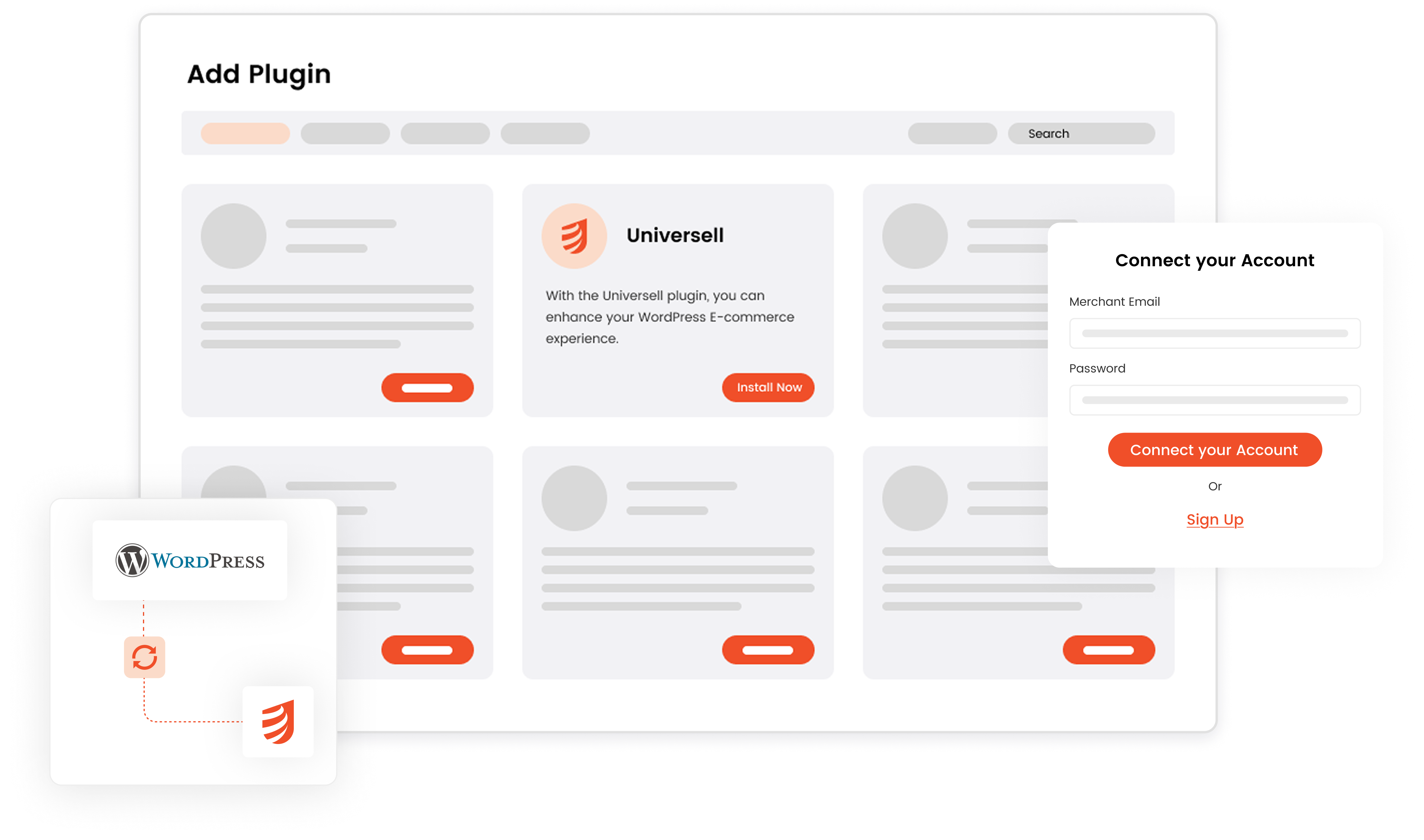
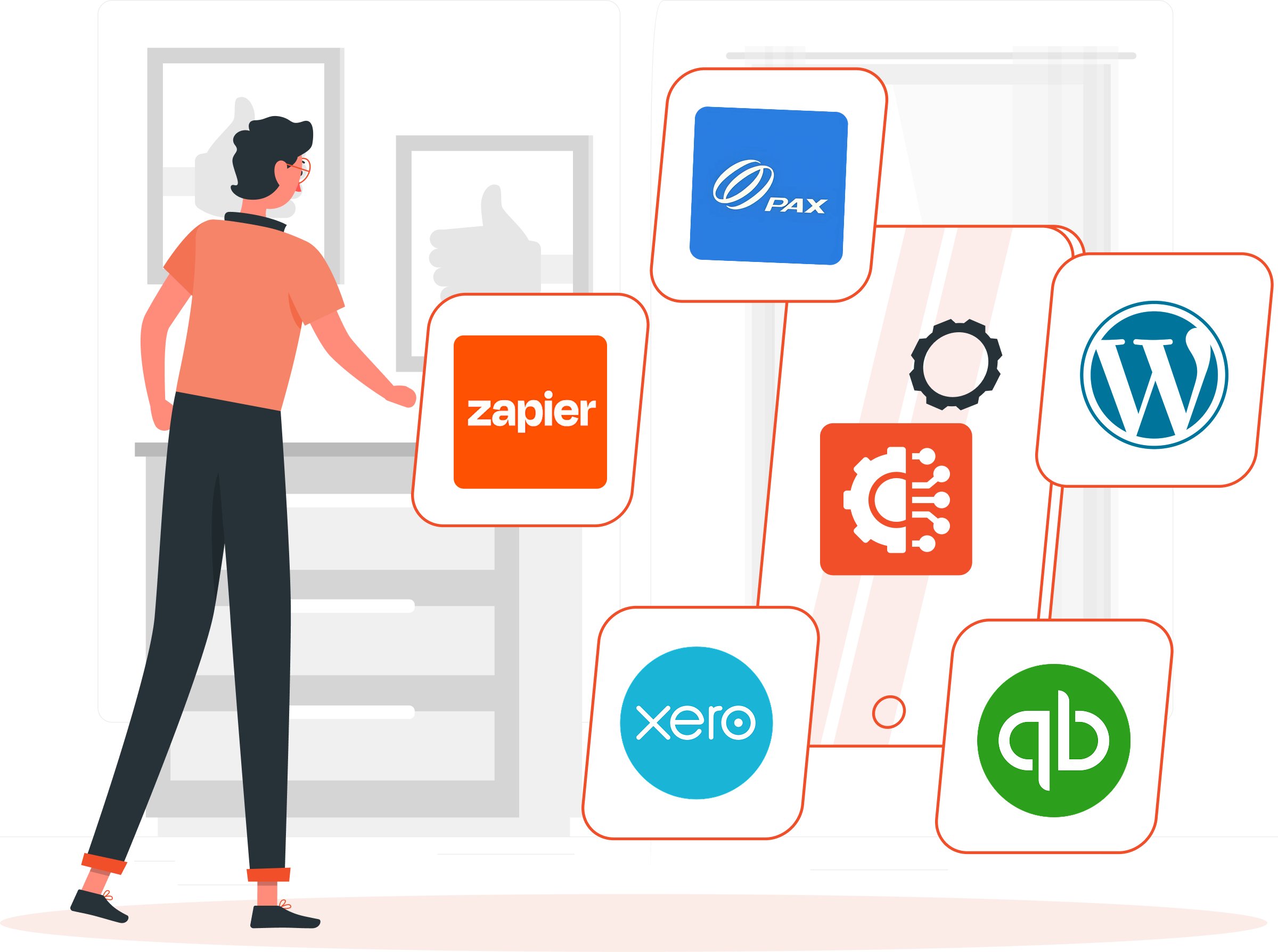
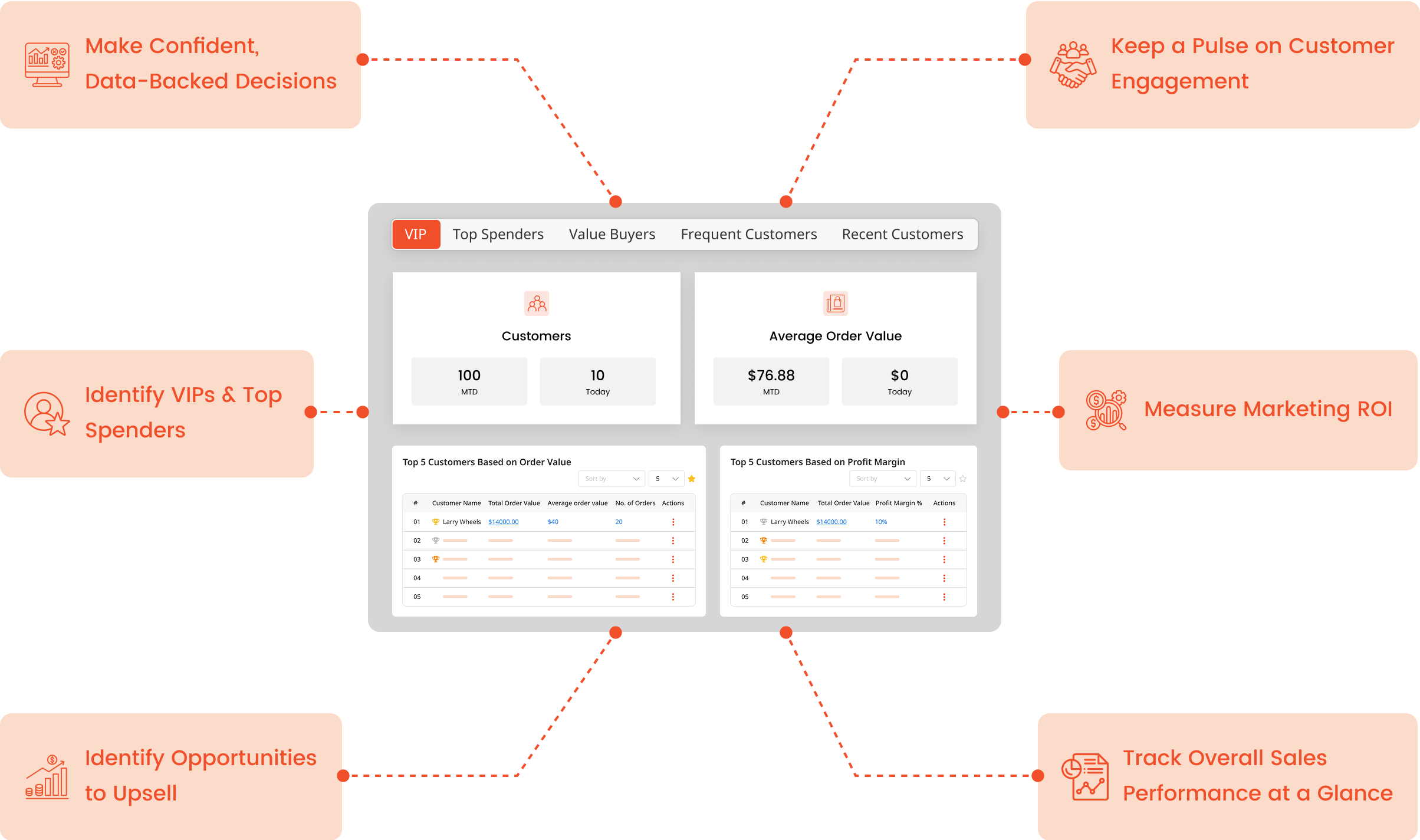
Universell offers integrated retail solutions that streamline operations, from inventory management to customer relationship management.
Learn how our platform can help your business thrive at www.universell.us
#RetailTech #InventoryManagement #POSSystem #CustomerExperience #BusinessGrowth #RetailSolutions #Automation #CRM #Omnichannel #RetailInnovation