
Apr, 02 2025
How to Achieve Greater Operational Efficiency in Your Business
Operational efficiency is the backbone of a successful business. It ensures that resources are used effectively, processes are optimized, and waste is minimized. Improving efficiency not only enhances profitability but also boosts employee productivity and customer satisfaction. Here are key strategies to achieve greater operational efficiency in your business.
1. Streamline Processes
One of the first steps to improving operational efficiency is evaluating existing workflows. Identify redundant tasks and bottlenecks that slow down operations. Implement standardized processes and use automation tools to reduce manual workload and errors.
2. Leverage Technology
Adopting the right technology can greatly enhance efficiency. Consider using:
- Enterprise Resource Planning (ERP) systems to integrate and manage core business processes.
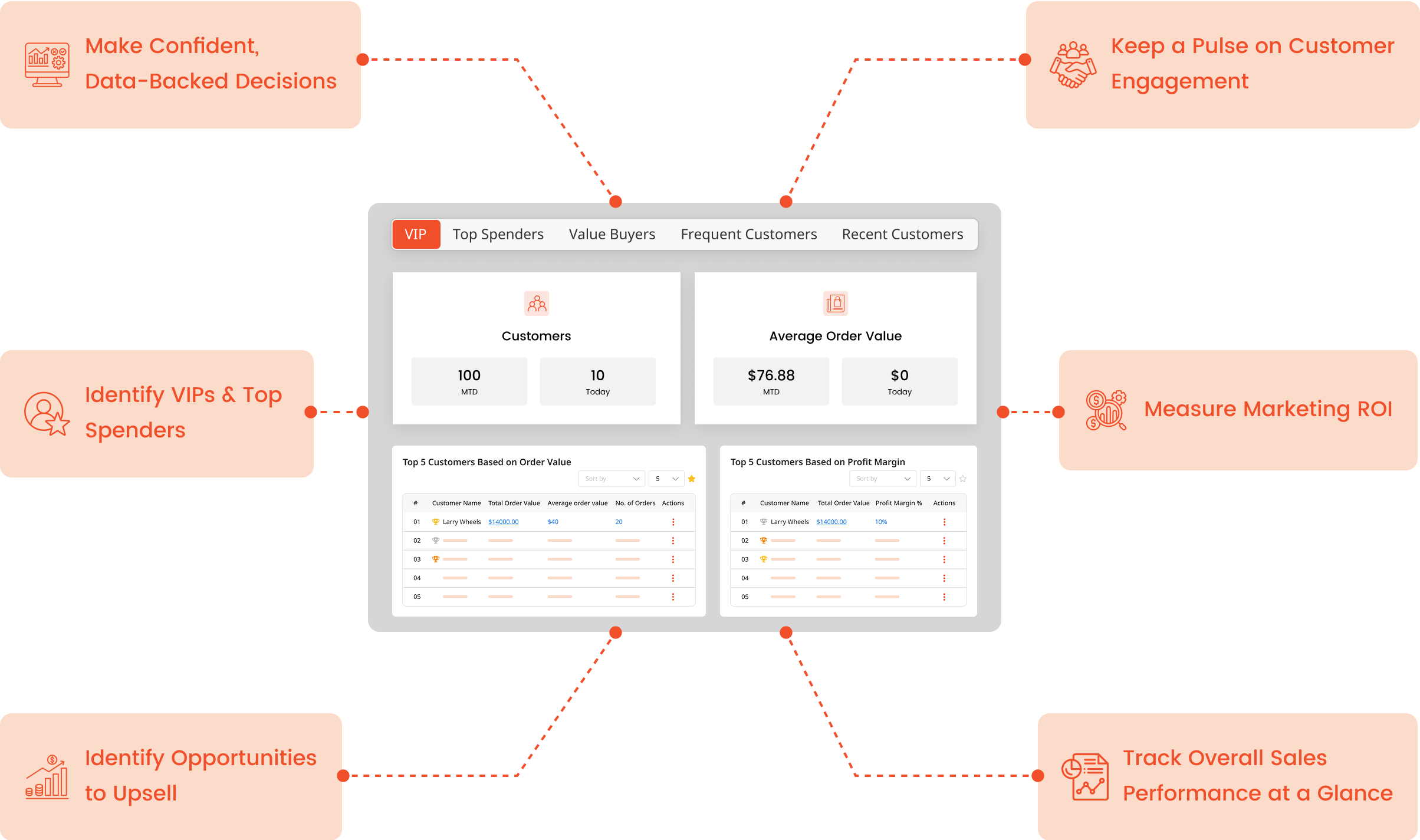
- Customer Relationship Management (CRM) software to improve customer interactions and sales tracking.
- Automation tools for repetitive tasks such as invoicing, payroll, and inventory management.
3. Enhance Employee Productivity
Your workforce plays a crucial role in operational efficiency. Encourage a productive work environment by:
- Providing regular training to upskill employees.
- Setting clear performance goals and key performance indicators (KPIs).
- Promoting a culture of open communication and collaboration.
- Offering incentives and recognition for high-performing employees.
4. Optimize Resource Allocation
Efficient resource management ensures that financial, human, and material assets are used wisely. Conduct regular audits to determine where resources are being underutilized or wasted. Implement cost-cutting strategies without compromising quality.
5. Improve Supply Chain Management
A well-optimized supply chain reduces delays and improves delivery times. Consider:
- Strengthening relationships with reliable suppliers.
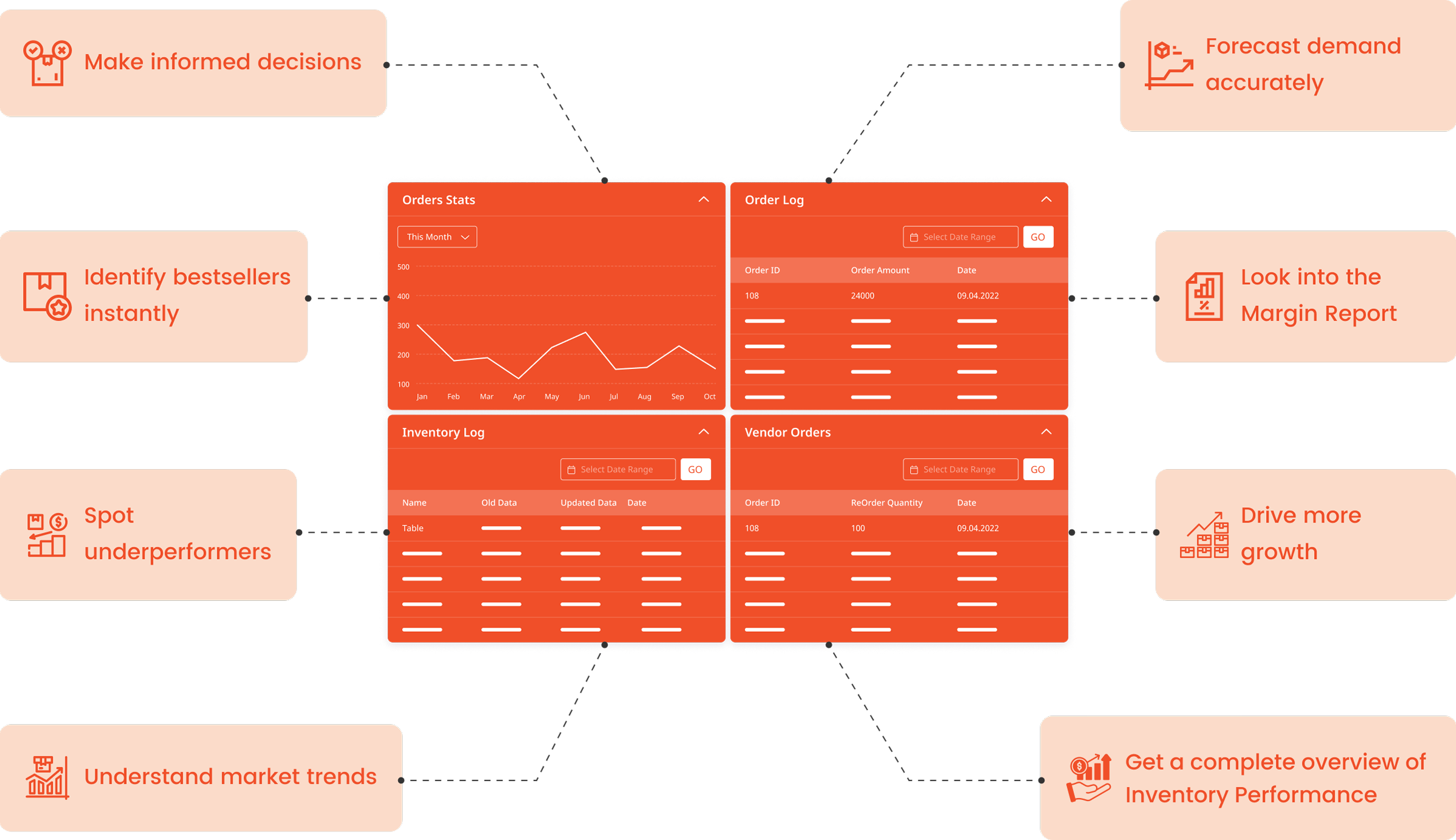
- Using inventory management software to track stock levels in real time.
- Implementing lean inventory practices to reduce excess stock and storage costs.
6. Monitor Performance Metrics
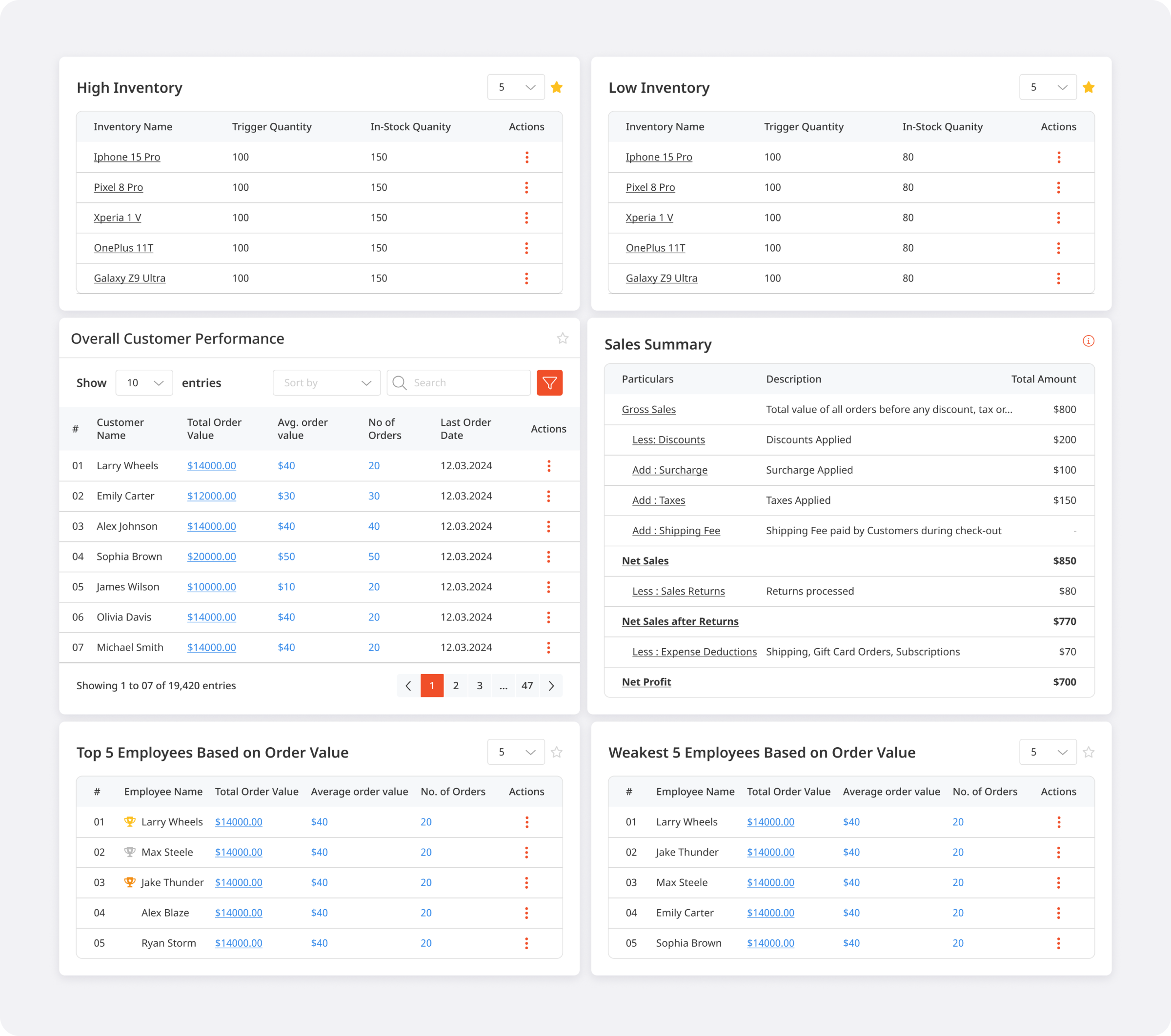
Tracking key performance indicators (KPIs) helps in measuring progress and identifying areas for improvement. Common efficiency metrics include:
- Production output vs. resource input
- Order fulfillment time
- Customer satisfaction rates
- Employee productivity levels
7. Encourage Continuous Improvement
Operational efficiency is an ongoing process. Foster a culture of continuous improvement by:
- Seeking feedback from employees and customers.
- Conducting regular performance reviews.
- Staying updated on industry best practices and innovations.
Conclusion
Achieving greater operational efficiency requires a strategic approach that involves streamlining processes, leveraging technology, optimizing resources, and fostering a culture of continuous improvement. By implementing these strategies, businesses can enhance productivity, reduce costs, and maintain a competitive edge in the market.
For more insights, visit www.universell.us
#OperationalEfficiency #BusinessGrowth #Universell #EfficiencyMatters #ProductivityTips #BusinessSuccess #ProcessImprovement #TechnologyForBusiness #SupplyChainOptimization #SmartBusiness #Entrepreneurship #CostReduction