
Mar, 28 2026
How to Create an Effective Inventory Control Plan
An effective inventory control plan is crucial for any business that sells physical products. It ensures that your stock is maintained at optimal levels, helping you avoid stockouts and overstocking while streamlining operations. A good inventory control system can reduce costs, improve customer satisfaction, and enhance overall efficiency. In this article, we’ll discuss the key steps to creating a successful inventory control plan.
1. Understand Your Business Needs
The first step in creating an effective inventory control plan is to understand your business’s unique needs. Every business has different requirements when it comes to inventory management, so it’s essential to tailor your plan to these specific needs.
Consider the following:
- Sales Volume: How much inventory do you typically sell in a given period? This will help you determine how much stock to carry.
- Lead Time: How long does it take for your suppliers to deliver products? Knowing this will help you decide when to reorder.
- Seasonal Demand: Do your sales fluctuate during certain seasons? Planning for peak periods can help you avoid running out of stock when demand rises.
By understanding these factors, you can create an inventory plan that fits your business’s needs and ensures you don’t overstock or run out of products.
2. Categorize Your Inventory
Not all inventory is created equal. Some items are high-demand, high-value, and fast-moving, while others may be low-cost and slow-moving. Categorizing your inventory helps you manage different types of items more efficiently.
One effective method is ABC analysis, which divides your inventory into three categories:
- A Items: High-value, fast-moving products. These typically account for 20% of your stock but generate 80% of your revenue. These products need to be monitored closely and reordered regularly.
- B Items: Moderate-value, moderate-turnover products. They need regular tracking but are less critical than A items.
- C Items: Low-value, slow-moving products. These make up a large portion of your inventory but contribute the least to your sales. These should be monitored less frequently and often bought in bulk.
Categorizing inventory in this way helps you focus resources on the items that matter most to your business.
3. Implement Inventory Tracking Systems
A reliable inventory tracking system is essential for effective inventory control. Technology has made it easier than ever to automate and track inventory in real-time.
- Barcode and RFID Systems: These technologies help automate tracking by scanning items as they are sold or received.
- Inventory Management Software: Tools like TradeGecko, Zoho Inventory, or QuickBooks Commerce can help you track stock levels, generate purchase orders, and monitor inventory trends.
- Cloud-Based Solutions: These systems allow you to access inventory data from multiple devices, making it easier to manage inventory across multiple locations.
By using the right tracking systems, you can automate the process, reduce human error, and maintain accurate stock levels.
4. Set Par Levels and Replenishment Triggers
Setting par levels is essential for maintaining optimal stock levels. A par level is the minimum quantity of an item that should be in stock. When stock drops below this level, it’s time to reorder.
For example, if you sell 100 units of a product every week and the lead time is two weeks, set your par level to 200 units. Once inventory reaches that level, the system will trigger a reorder.
Replenishment triggers ensure that you reorder products before running out of stock, preventing stockouts and maintaining smooth operations.
5. Conduct Regular Inventory Audits
Even with a good tracking system, discrepancies can still occur. Regular inventory audits are crucial to ensure your records match the actual stock.
- Cycle Counting: Involves counting a portion of your inventory regularly. It helps identify discrepancies without disrupting your entire operation.
- Physical Inventory Counts: Conduct a full inventory count periodically to ensure accuracy.
- Spot Checks: Randomly checking small batches of stock can help identify errors early.
Regular audits help you maintain inventory accuracy, reducing the risk of stockouts or excess inventory.
6. Optimize Storage and Organization
How you store and organize your inventory is critical to an effective control plan. Proper storage reduces handling time, minimizes errors, and ensures products are easy to find when needed.
- Labeling: Use clear labels for products and shelves. Categorize products by SKU, size, or type for easy identification.
- FIFO (First In, First Out): This method ensures that older stock is used first, reducing the risk of spoilage or obsolescence, especially for perishable goods.
- Efficient Shelving: Use adjustable shelving or racking systems to optimize space and ensure that high-demand items are easily accessible.
By keeping your inventory organized, you can streamline operations and reduce the risk of errors.
Conclusion
Creating an effective inventory control plan is essential for any business that sells physical products. By understanding your business needs, categorizing your inventory, implementing the right tracking systems, and conducting regular audits, you can maintain optimal stock levels and improve operational efficiency. Optimizing your storage and organization also plays a key role in ensuring smooth operations.
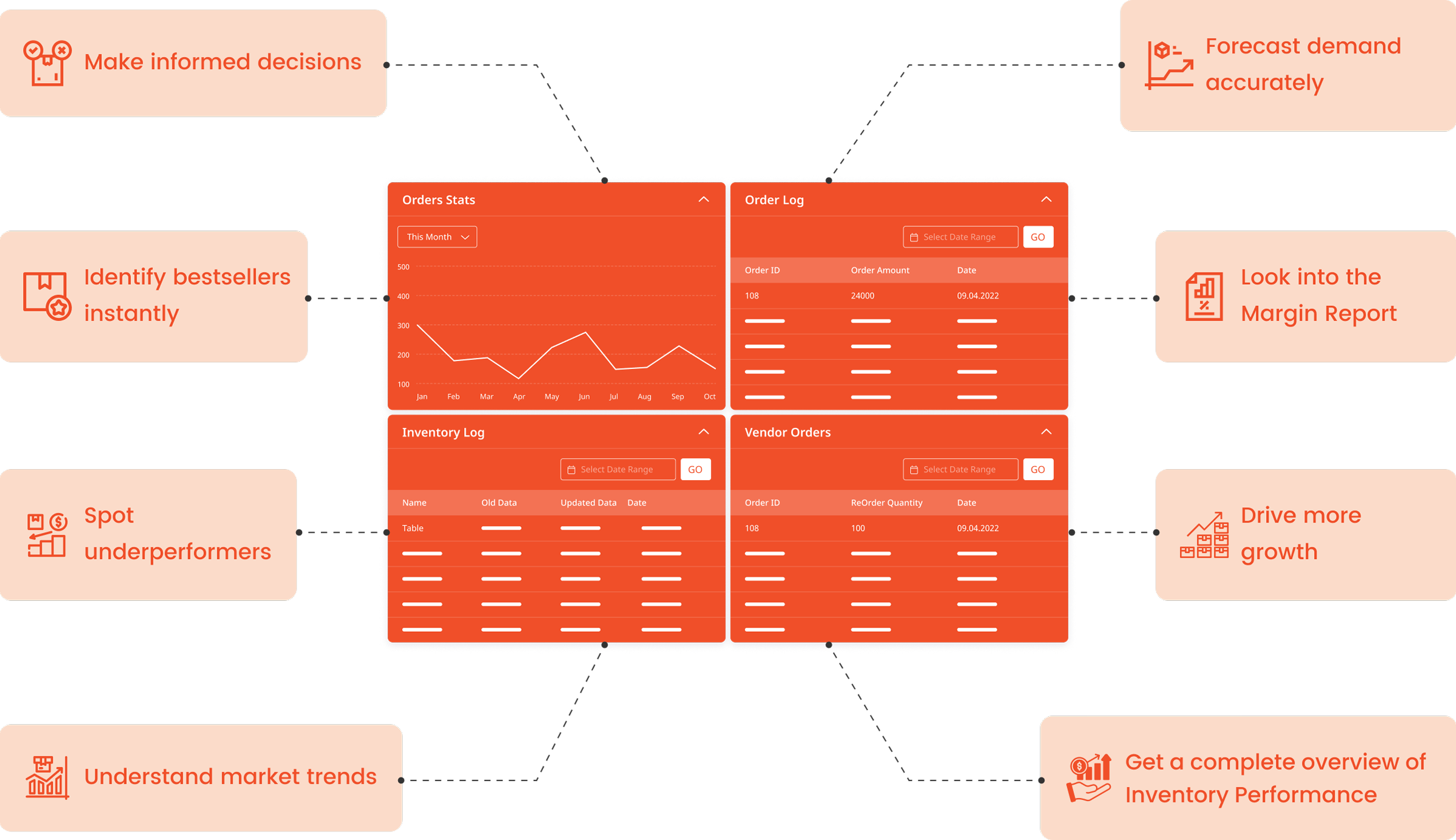
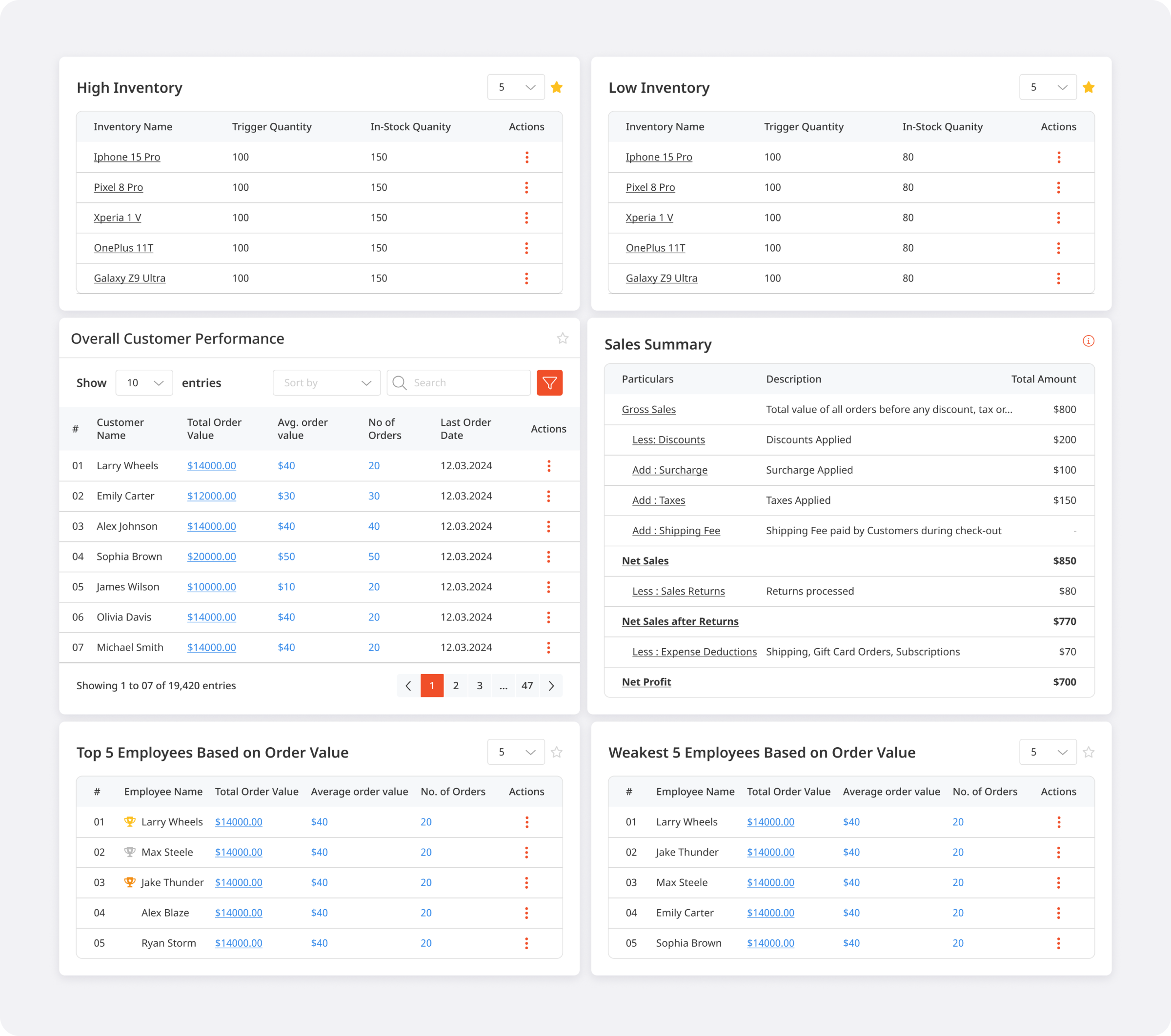
For businesses looking to streamline their inventory management, Universell platform offers powerful tools that help track stock, automate reordering, and optimize your inventory control plan. With real-time analytics and an easy-to-use platform, Universell platform simplifies the inventory process for businesses of all sizes.
🔗 Learn more at: www.universell.us
#InventoryManagement #BusinessEfficiency #SmartInventory #SupplyChainSolutions #Universell #Automation