
Mar, 29 2026
How to Create Efficient Inventory Workflows with Smart Systems
Efficient inventory management is critical for the success of any business. Whether you’re running a small shop or a large enterprise, managing stock accurately and effectively can reduce costs, improve customer satisfaction, and increase profitability. Smart inventory management systems provide businesses with automation, real-time data, and insights that simplify workflows and enhance productivity. Here are six key steps to create efficient inventory workflows using smart systems.
1. Assess Current Inventory Processes
Before adopting any smart system, it’s essential to assess your existing inventory management process. Take time to identify bottlenecks, manual tasks, and areas prone to errors. This will allow you to understand where automation and technology can improve efficiency.
For instance, are your teams manually counting inventory, entering data into spreadsheets, or tracking products across multiple platforms? If so, these processes can lead to discrepancies and slow down decision-making. By evaluating your current system, you can determine the best tools and strategies for streamlining your workflow.
2. Choose the Right Smart Inventory System
Choosing the right inventory management system is a critical step in creating an efficient workflow. Look for systems that offer key features such as real-time tracking, cloud-based access, barcode scanning, and automated replenishment. These tools ensure quick, accurate updates and significantly reduce the chance of human error.
Cloud-based systems allow for centralized data storage and access from anywhere, which is essential for businesses with multiple locations or remote teams. Smart systems can also integrate with other business tools like CRM and e-commerce platforms, creating a seamless workflow across your entire business.
3. Automate Data Entry and Stock Updates
Manual data entry is one of the most time-consuming and error-prone tasks in inventory management. A smart inventory system that integrates barcode scanning or RFID technology allows for automatic updates to stock levels, eliminating the need for manual input.
With automated stock updates, your system can adjust inventory levels in real-time, ensuring that you always have accurate data. This minimizes the risk of overstocking or running out of stock, helping you make more informed decisions and improve customer satisfaction.
4. Set Up Automated Replenishment Alerts
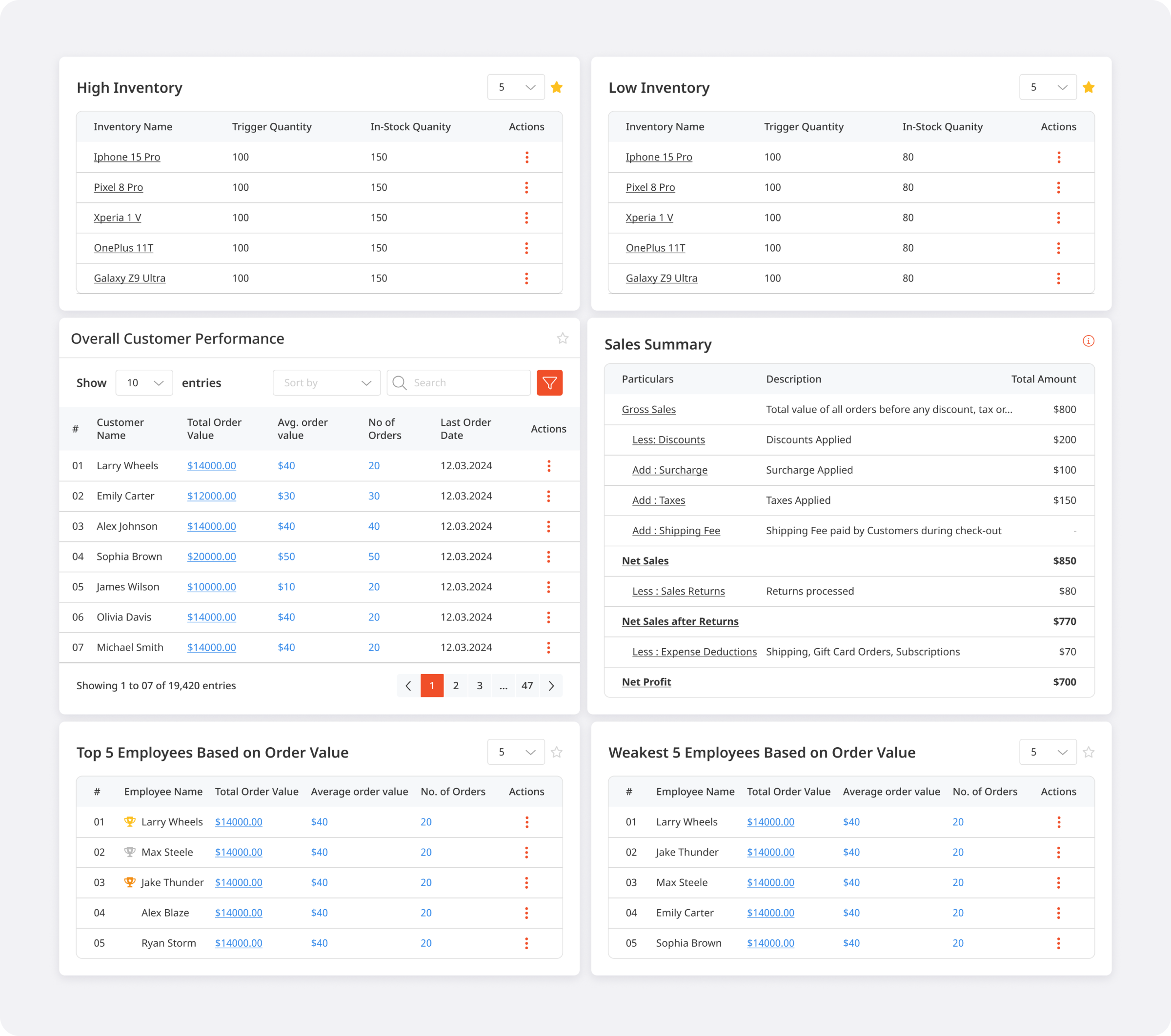
Smart systems allow you to set reorder points for your inventory, triggering automatic alerts when stock levels fall below a certain threshold. Some systems even have the ability to automatically place orders with suppliers, ensuring that stock is replenished before it runs out.
Automated replenishment alerts help you stay ahead of demand, reducing the risk of stockouts and overstocking. With smart inventory systems, you can rest assured that your inventory will always be at optimal levels without having to manually monitor it.
5. Centralize Inventory Data for Real-Time Visibility
One of the biggest challenges in inventory management is fragmented data. When information is scattered across different systems or departments, it becomes difficult to gain a clear, real-time view of your inventory. Centralized inventory management systems allow you to access all data in one place.
With a unified system, sales, procurement, and warehouse teams can view the same real-time data, helping to streamline communication and improve collaboration. This centralized visibility also allows for quicker decision-making and reduces the risk of errors caused by inconsistent data.
6. Use Analytics for Continuous Improvement
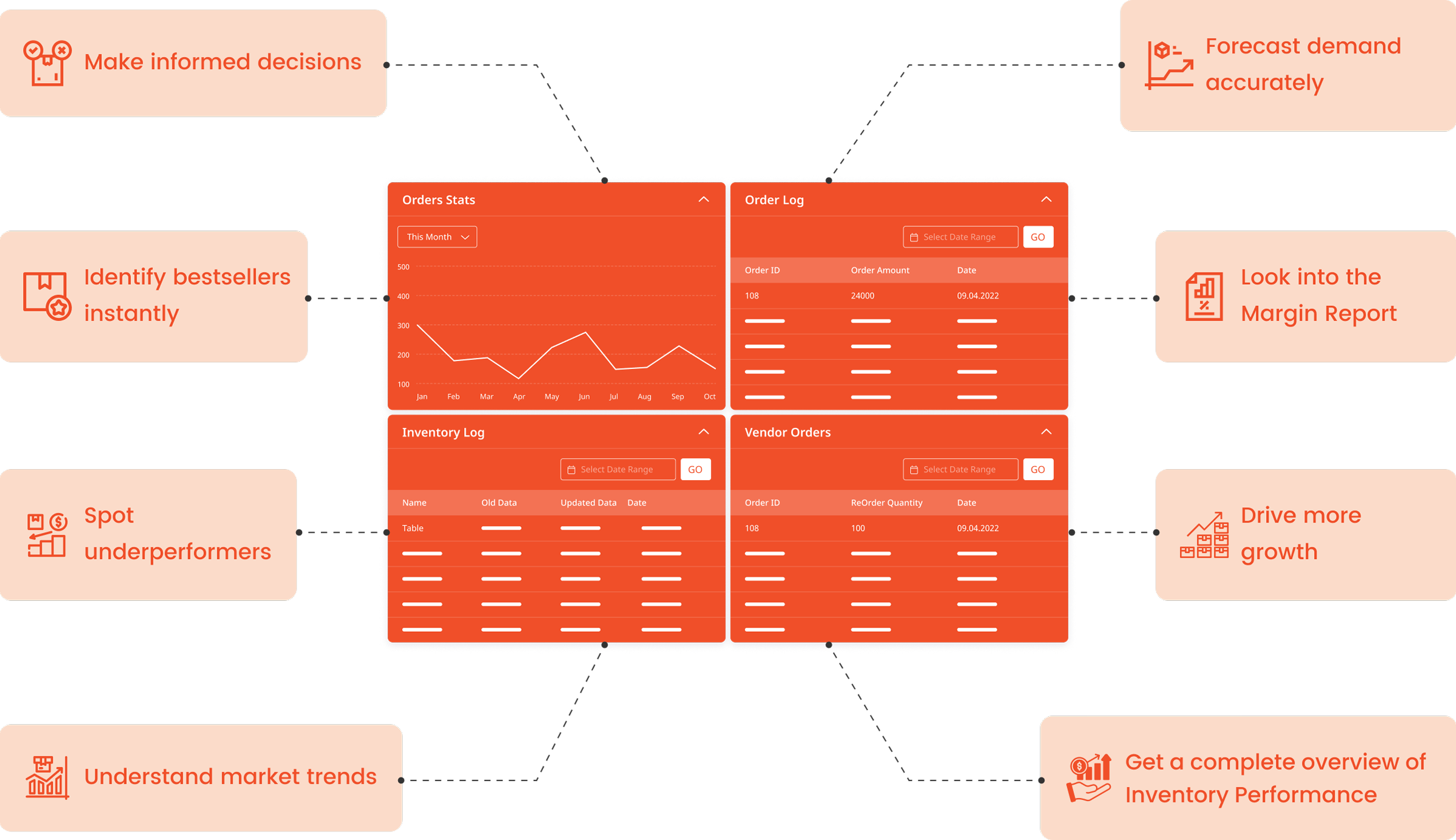
Smart inventory systems provide valuable analytics that help you track inventory performance and identify areas for improvement. Metrics like inventory turnover rates, order lead times, and sales forecasts can be analyzed to optimize your workflow.
By continuously analyzing inventory data, you can adjust your stock levels, reorder points, and supply chain processes to ensure that you’re operating at maximum efficiency. Analytics help you identify slow-moving products, improve stock rotation, and reduce deadstock, leading to more cost-effective inventory management.
Final Thoughts
Integrating smart inventory systems into your business operations can significantly enhance efficiency and productivity. By automating data entry, providing real-time visibility, and offering valuable insights, these systems simplify your workflows and reduce the risk of errors.
The Universell platform offers an all-in-one solution for inventory management, operations, payments, and more. By streamlining your inventory process, Universell helps businesses improve accuracy, save time, and increase profitability.
Learn more about how Universell can help streamline your inventory management: https://www.universell.us/
#BusinessOperations #WorkflowAutomation #InventoryManagement #OperationalClarity #ProcessImprovement #BusinessEfficiency #SMBTools #Universell