
Jun, 12 2025
How to Tackle Organized Retail Crime Nationwide
Organized retail crime (ORC) has become a significant threat to retailers across the United States, causing billions of dollars in losses each year. These crimes, which involve thefts and frauds perpetrated by well-organized groups, have been increasingly difficult to combat due to the sophistication of the operations and the growing impact of online resale platforms. However, there are effective strategies that retailers can adopt to tackle this growing problem and protect their bottom lines.
What Is Organized Retail Crime (ORC)?
Organized retail crime refers to large-scale theft and fraud committed by professional groups with the intent to resell stolen goods for profit. These operations often involve the theft of high-demand items such as electronics, cosmetics, apparel, and household goods. ORC is not only a financial burden but also a serious threat to public safety and the security of retail environments.
According to the National Association for Shoplifting Prevention (NASP), ORC costs the retail industry around $30 billion annually, and the issue has only intensified with the rise of e-commerce platforms that allow stolen goods to be resold quickly and anonymously.
Effective Strategies for Tackling ORC
Retailers need to adopt a comprehensive approach to combat organized retail crime. Below are some of the most effective strategies:
1. Strengthen In-Store Security
Traditional store-based security measures such as surveillance cameras, anti-theft devices, and uniformed security guards continue to be vital tools for preventing ORC. Retailers should ensure that their stores are equipped with high-quality surveillance systems that cover all areas, including blind spots, to monitor suspicious activities.
- Surveillance Cameras: Invest in high-definition cameras with facial recognition technology and real-time monitoring. Cameras should be placed in both public areas and stock rooms to catch criminals in action.
- Electronic Article Surveillance (EAS) Systems: These systems use security tags that trigger alarms when stolen merchandise is moved past a sensor at the exit.
2. Employee Training and Awareness
Store employees should be trained to identify and report suspicious behavior. Staff should be aware of the tactics used by ORC groups, such as “grab-and-go” thefts or coordinated “flash mob” thefts.
- Red Flags to Look Out For: Employees should watch for individuals or groups that linger near high-value items, distract staff, or move suspiciously around the store.
- Clear Reporting Protocols: Establish a clear, effective reporting system for employees to alert management and security in real time when they spot suspicious activity.
3. Enhance Inventory Management Systems
A robust inventory management system can help track stolen goods and identify discrepancies in real-time. Keeping accurate records of stock and monitoring frequent inventory changes can help catch thefts early before they cause major losses.
- Real-Time Tracking: Implement a system that tracks every product from the moment it enters the store to when it is sold. This can prevent and detect thefts that occur across multiple stores in a retail chain.
- Stock Replenishment Alerts: Automate alerts that notify managers when inventory levels drop unexpectedly, which could indicate a theft.
4. Collaborate with Law Enforcement
Law enforcement plays a key role in tackling ORC, but cooperation between retailers and police departments is essential for effective intervention.
- Retailer-Law Enforcement Partnerships: Retailers should work closely with local and national law enforcement agencies to share information and resources to catch offenders. This can include sharing footage of thefts and organizing joint efforts to address crime rings.
- Specialized ORC Task Forces: Many police departments have specialized units to handle retail crime. Retailers should reach out to these units to ensure swift action when theft occurs.
5. Implement a Cross-Channel Strategy
With online sales platforms becoming a key component of ORC, retailers must extend their crime prevention measures to e-commerce as well.
- Online Platform Monitoring: Keep an eye on third-party marketplaces like eBay, Amazon, and Facebook Marketplace for the resale of stolen goods. Establish partnerships with these platforms to prevent stolen merchandise from being sold.
- Customer Verification Systems: Implement stricter verification for returns, refunds, and online transactions to minimize fraudulent claims and returns.
How the Universell Platform Can Help
In addition to physical security measures, Universell offers an integrated solution that helps retailers manage their operations more efficiently, making it easier to track inventory, handle invoicing, and monitor customer interactions.
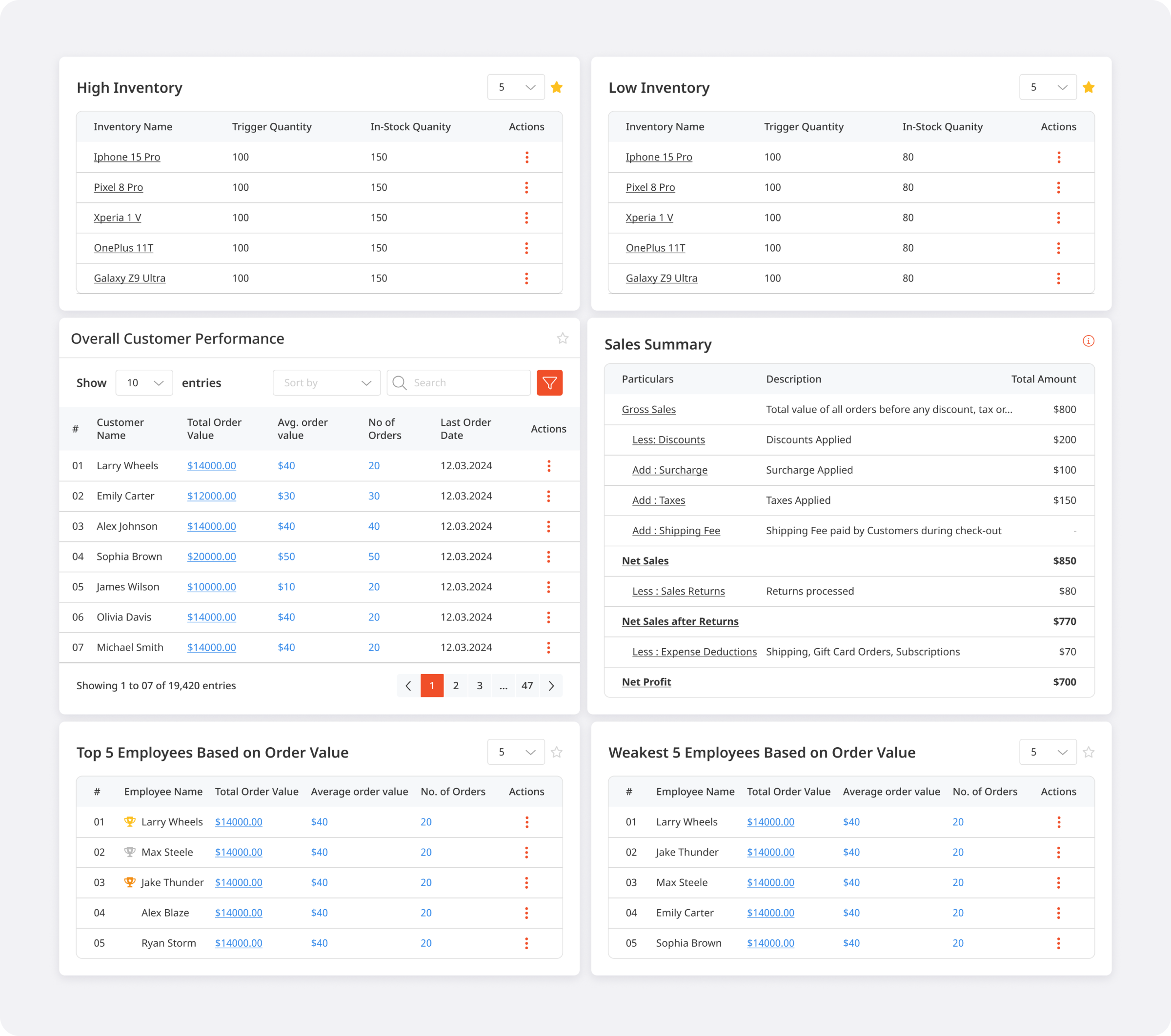
- Inventory Management: Universell provides real-time data on stock levels, making it easier to detect discrepancies early and prevent loss.
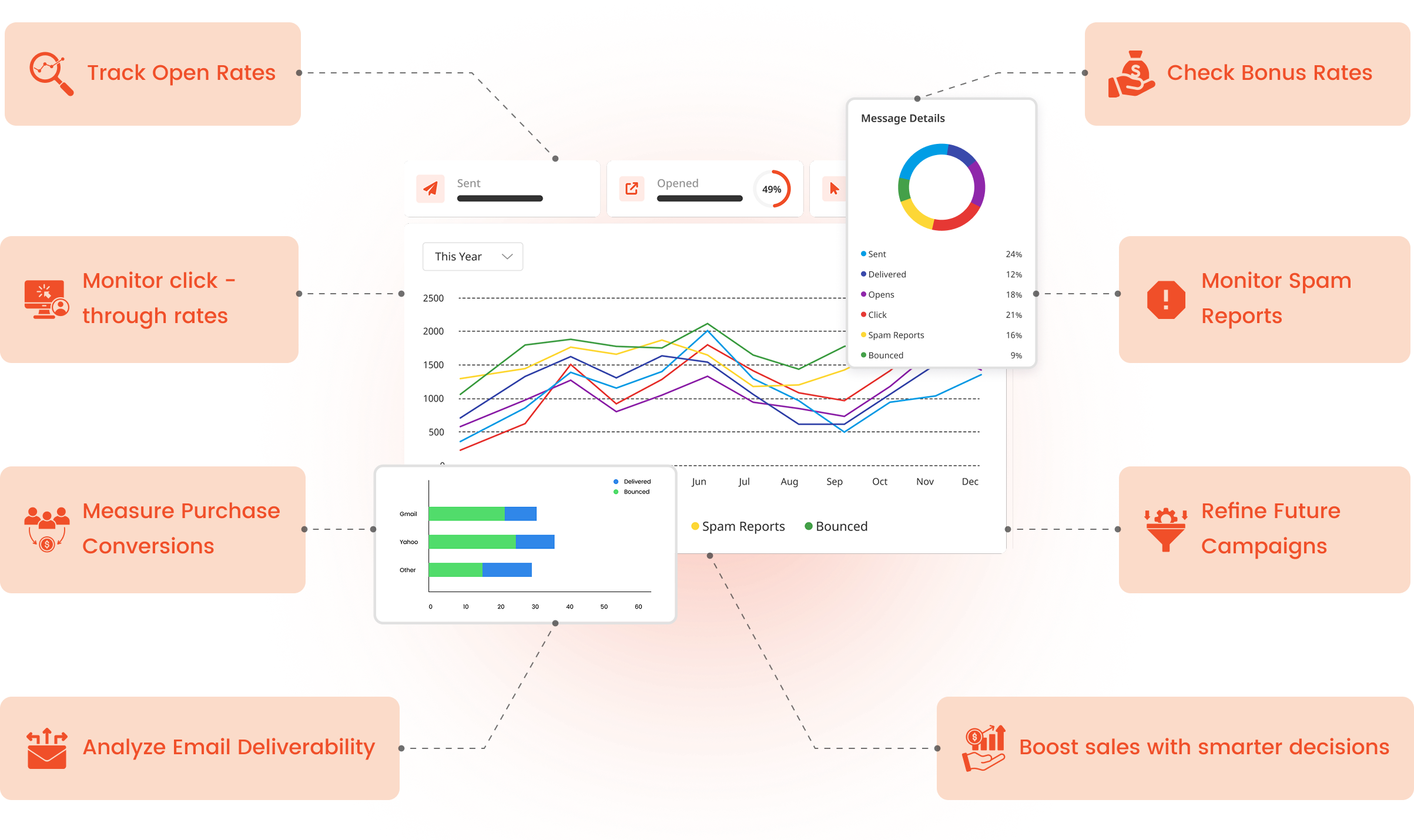
- Sales Tracking and Analytics: Universell’s platform helps retailers analyze sales trends, monitor transaction histories, and identify suspicious activity that could indicate theft.
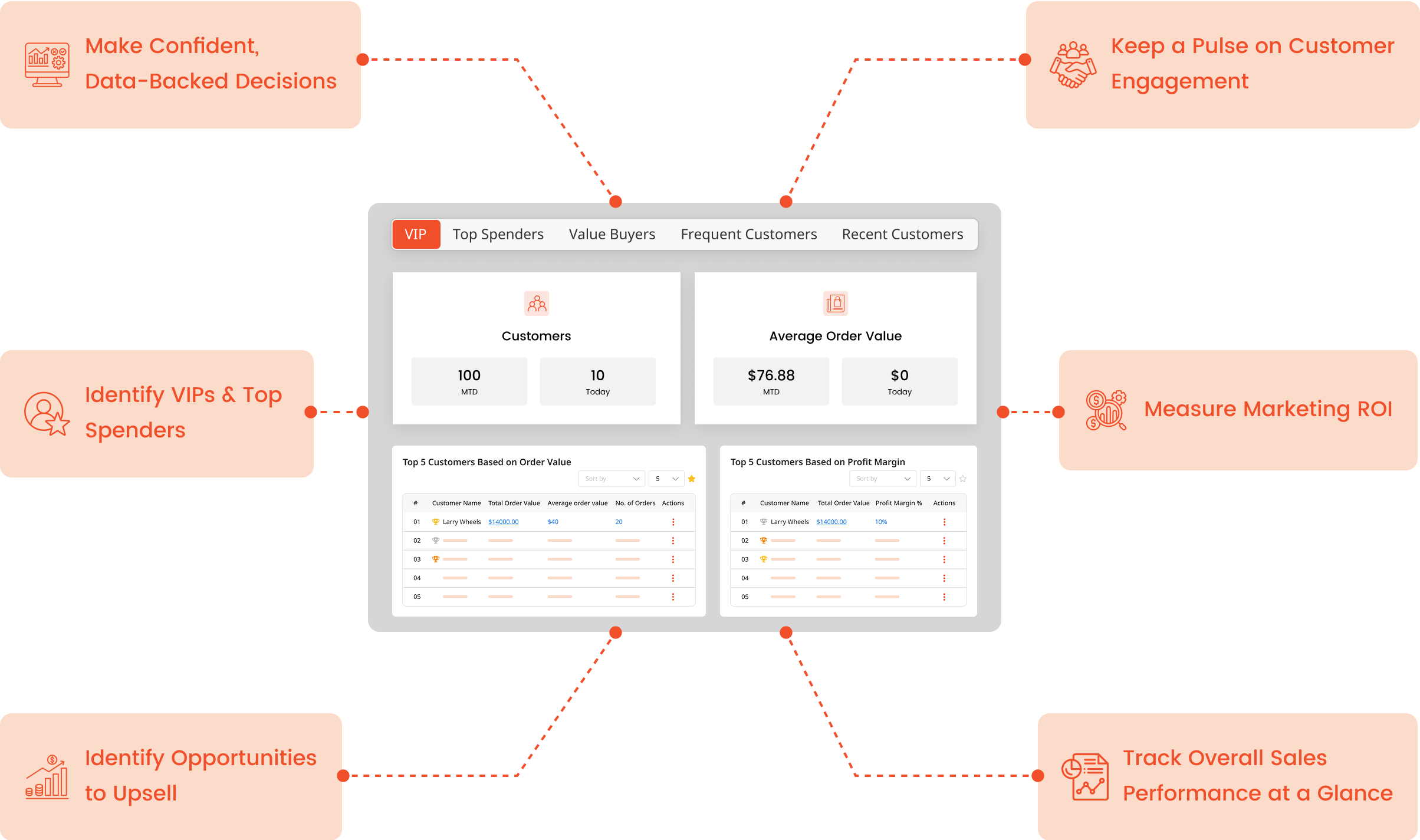
- CRM Integration: By integrating customer data, Universell helps identify unusual purchasing behavior, helping retailers spot potential fraudulent returns or sales made with stolen goods.
By using Universell, retailers can streamline their operations and gain the tools they need to effectively prevent and respond to organized retail crime, ensuring their businesses remain secure and profitable.
Explore more:
📖 Visit www.universell.us to learn how Universell can help protect your retail business from ORC.
#RetailSecurity #OrganizedRetailCrime #LossPrevention #UniversellPlatform #InventoryManagement #RetailSolutions #CrimePrevention #EcommerceSecurity #CustomerExperience