
Feb, 19 2026
How to Track the ROI of Your Marketing Automation Campaigns
Marketing automation is a game-changer for businesses looking to streamline their marketing efforts, improve engagement, and ultimately drive revenue. However, one critical question remains: How do you track the return on investment (ROI) of your marketing automation campaigns?
Tracking ROI is essential for determining the effectiveness of your campaigns, justifying your marketing spend, and ensuring you’re getting the most out of your automation tools. Here’s a guide on how to track the ROI of your marketing automation campaigns and use the data to make informed decisions.
1. Define Clear Objectives
Before diving into tracking ROI, it’s crucial to define the goals of your marketing automation campaign. Without a clear understanding of what you want to achieve, it’s difficult to measure success. Common goals include:
- Lead generation: How many new leads were captured through automated forms, landing pages, or email campaigns?
- Customer retention: Did your automated emails and messaging improve repeat purchases or customer loyalty?
- Sales growth: Did your automation directly contribute to an increase in sales or revenue?
2. Identify Key Metrics to Track
ROI isn’t just about tracking revenue; it’s about understanding the full impact of your campaign. Here are key metrics to consider when measuring ROI:
- Conversion Rates: Track how many leads or visitors turn into customers as a result of your automated campaigns. This is one of the most direct indicators of campaign success.
- Lead-to-Customer Ratio: Measure the effectiveness of your lead nurturing processes by calculating how many leads become paying customers.
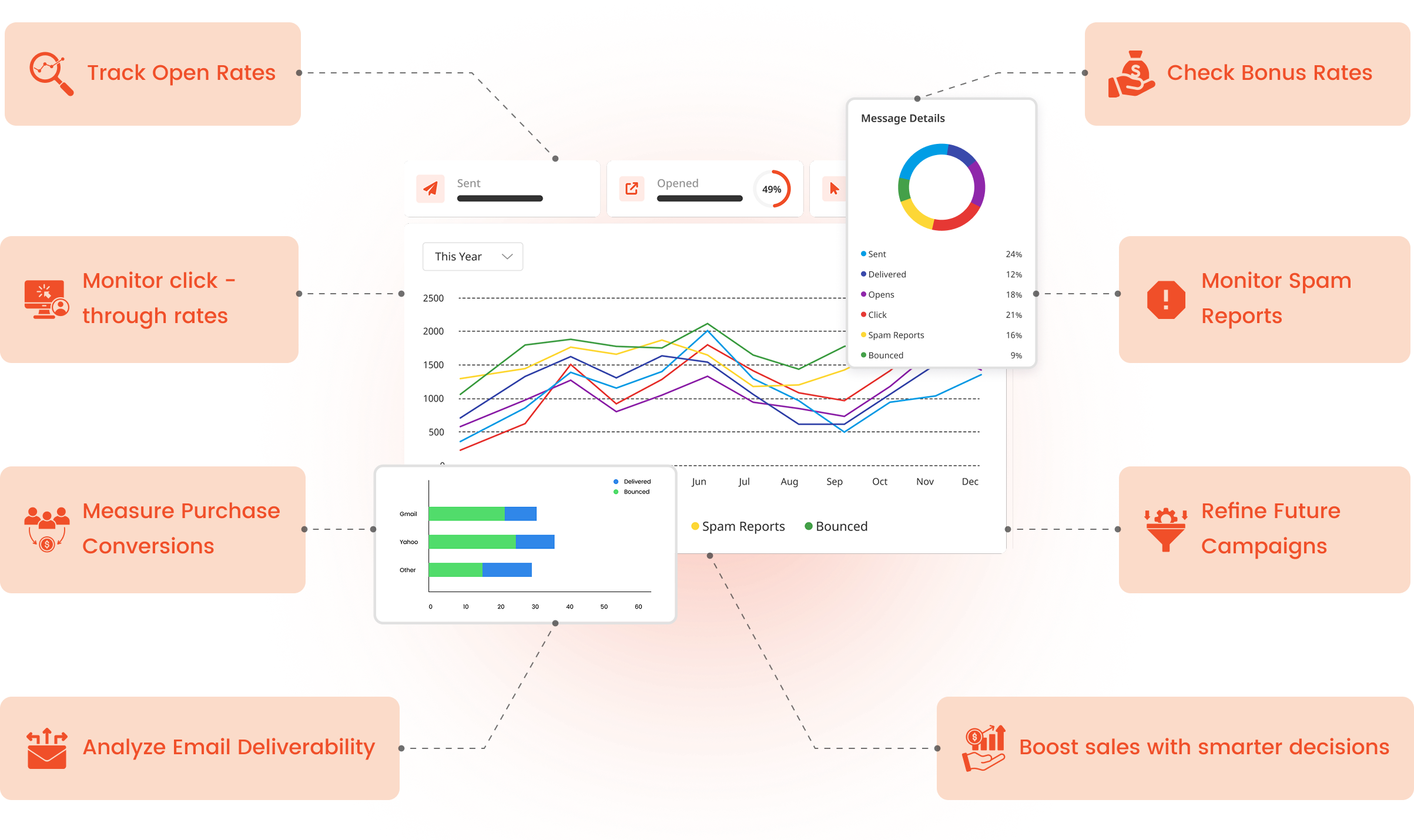
- Engagement Metrics: Open rates, click-through rates (CTR), bounce rates, and social shares will help you gauge the level of interaction with your content and whether automation is improving engagement.
- Customer Lifetime Value (CLV): CLV measures the total revenue generated from a customer over their entire relationship with your brand. Marketing automation can help increase CLV by improving customer engagement and retention.
3. Establish Baseline Data for Comparison
To truly understand the impact of your marketing automation, you need to compare current performance against past data. Establish a baseline by looking at pre-automation results for metrics such as lead conversion rates, customer retention, and sales growth.
For example, if your manual email marketing efforts had a 2% conversion rate before automation, compare that to the 5% conversion rate after automation. This gives you concrete data to measure the improvement in performance.
4. Track Revenue and Costs
Now that you have clear objectives and metrics in place, it’s time to track the financial aspects of your marketing automation campaigns.
- Revenue Attribution: Use tools like UTM codes or CRM systems to track which automated campaigns directly contribute to sales. These tools can help you track which emails, ads, or landing pages are driving the most conversions and revenue.
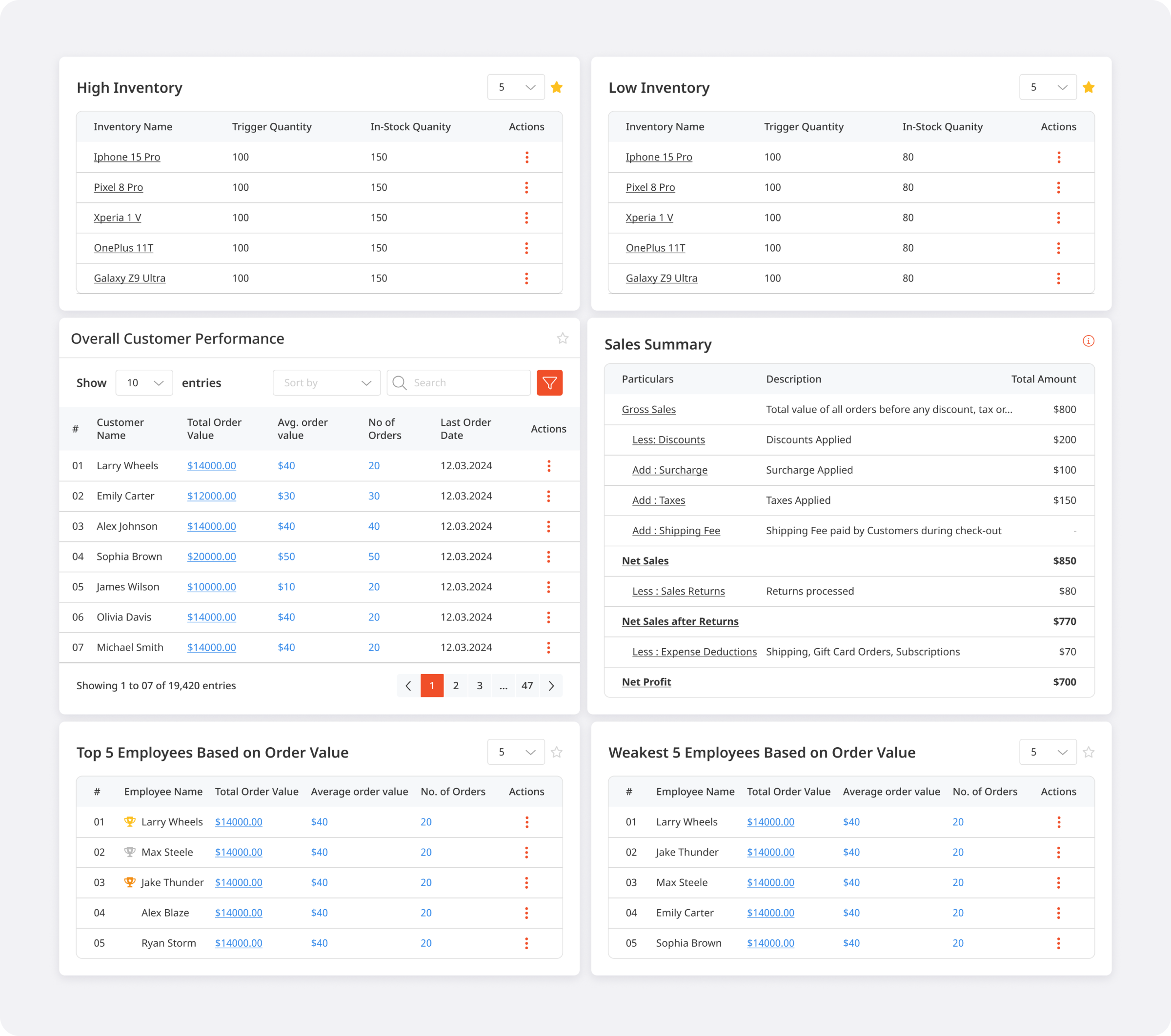
- Cost Tracking: Keep track of both the upfront costs (such as the software subscription fees) and ongoing costs (like content creation, campaign management, and paid ads). Divide the total campaign costs by the number of conversions or sales to determine the cost per lead or sale.
5. Use Analytics Tools for Deeper Insights
To refine your approach and optimize your campaigns further, leverage analytics tools to get more granular insights. Tools like Google Analytics, HubSpot, and Marketo can provide detailed reports on how automation is impacting different parts of the customer journey.
- Multi-Touch Attribution (MTA): Understand which touchpoints in your automated campaign are driving the most conversions. This could help you optimize your strategy by focusing more on high-performing channels.
- A/B Testing: Regularly test different campaign elements (subject lines, CTAs, landing pages) to see which performs best and adjust accordingly to maximize ROI.
6. Adjust Campaigns Based on Results
Marketing automation is a continuous improvement process. Regularly analyze your campaign results and adjust based on the insights you’ve gathered. For example, if you find that a specific email series is underperforming, optimize your subject lines, timing, or content.
Automation allows for quick changes, so don’t hesitate to experiment, optimize, and scale your campaigns as needed to improve your ROI over time.
8. Consider the Long-Term Impact
ROI is often seen as a short-term measure, but the benefits of marketing automation extend beyond immediate results. Over time, automation can:
- Enhance brand consistency by ensuring timely and relevant communication with customers.
- Improve customer relationships by nurturing leads and creating personalized experiences.
- Scale your marketing efforts without additional manual labor, which can lead to greater efficiency and profitability.
Conclusion
Tracking the ROI of your marketing automation campaigns is crucial for understanding their effectiveness and ensuring that your investment is yielding results. By defining clear goals, monitoring key metrics, comparing performance to baselines, and using advanced analytics tools, you can gain valuable insights into the success of your campaigns.
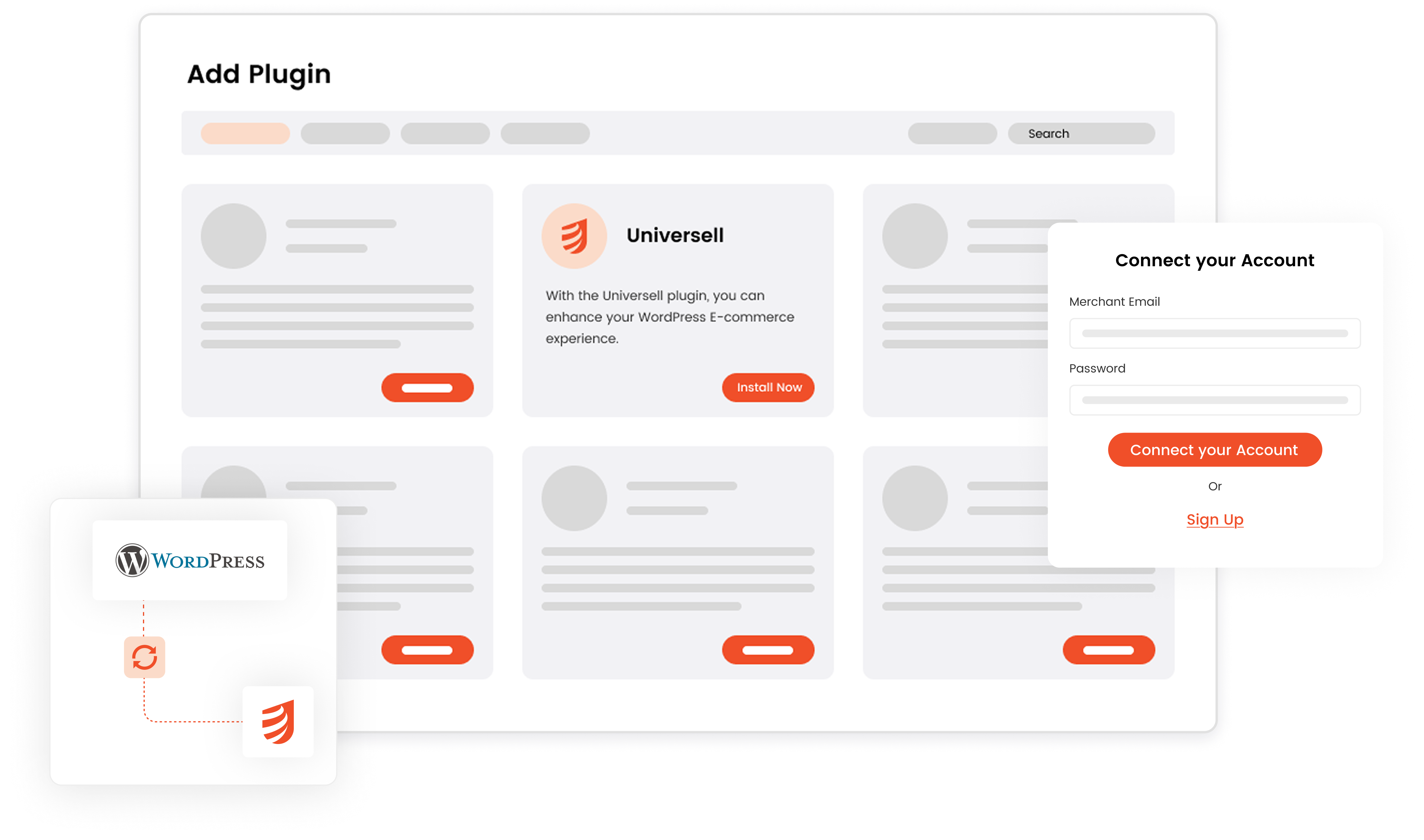
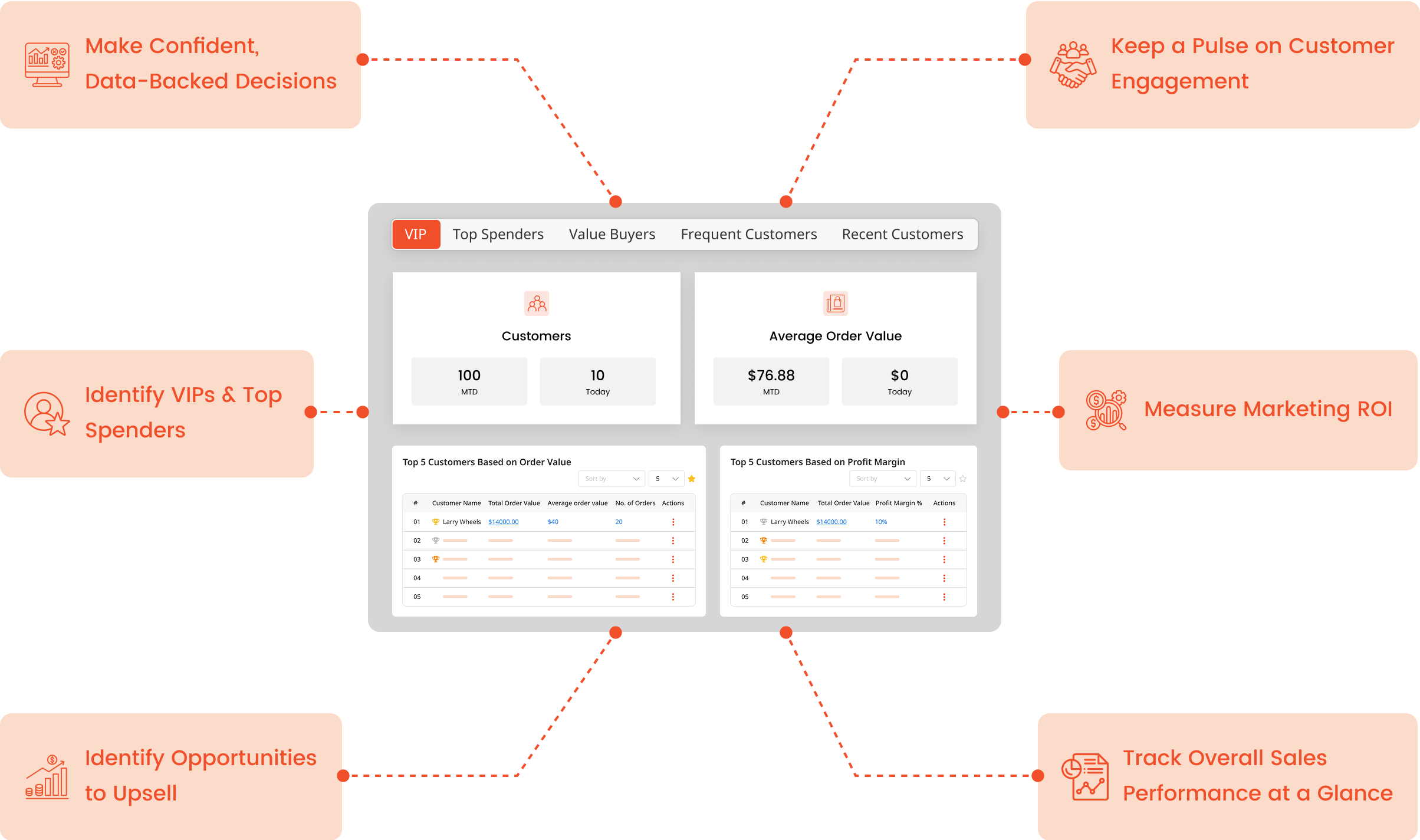
If you’re looking for an all-in-one solution to streamline your marketing efforts, Universell offers a powerful platform that integrates POS, CRM, and automation tools, making it easier than ever to track and optimize your campaigns.
Learn more about how Universell can transform your marketing strategy by visiting www.universell.com
#MarketingAutomation #ROI #BusinessGrowth #AutomationTools #MarketingStrategy #Universell #CRM #POS #LeadGeneration #SalesOptimization #MarketingInsights #EfficiencyInMarketing #BoostYourBusiness