
Feb, 28 2026
How to Use CRM for Better Lead Management
Managing leads effectively is essential for converting prospects into loyal customers. A Customer Relationship Management (CRM) system is one of the most effective tools to optimize the lead management process, helping businesses streamline everything from capturing leads to nurturing them and eventually closing deals. Here’s how to use CRM for better lead management.
1. Capture Leads Efficiently
The first step in lead management is capturing leads, and a CRM system makes this process seamless. With a CRM, you can centralize lead data in one place, making it easy to access and manage. Leads can be captured from various channels:
- Website forms: Easily capture lead information through website contact forms and automatically store the data in your CRM.
- Social media: Integrate your CRM with social media platforms to capture leads from Facebook, LinkedIn, Instagram, and more.
- Emails: Capture leads directly from email interactions by integrating your email system with the CRM.
- Phone calls: CRM systems can track and record leads generated from phone calls, ensuring all data is captured.
By collecting all lead information in one place, your team can have quick access to key contact details and ensure no lead is overlooked.
2. Qualify Leads Quickly
Not all leads are created equal. Some are ready to buy, while others need more nurturing. CRM tools help you qualify leads by tracking key metrics and interactions, such as:
- Lead Scoring: CRM systems allow you to score leads based on their engagement. For instance, a lead who interacts with your website frequently might score higher than one who fills out a basic form.
- Custom Fields: You can tailor the CRM to track specific data points, like the lead’s budget, interest, or location, making it easier to prioritize those who are most likely to convert.
- Behavior Tracking: CRMs track how leads interact with your content. Monitoring actions like email opens, website visits, and content downloads can help you understand where they are in the buying process.
These features allow you to quickly determine which leads are worth pursuing and ensure that your sales team focuses on the most promising prospects.
3. Automate Follow-Up and Nurture Leads
Consistent follow-up is crucial to converting leads into customers. CRM systems can automate much of this process, ensuring that no lead goes neglected. Features include:
- Email Campaigns: Set up automated email sequences to nurture leads. For example, once a lead signs up for a webinar, your CRM can automatically send them follow-up emails with additional content.
- Task Reminders: The CRM can remind your team to follow up with leads at specified intervals, ensuring timely engagement and reducing the risk of forgotten leads.
- Lead Assignment: Automatically assign leads to the appropriate sales reps based on predefined criteria, such as geographic region or product interest, ensuring that each lead is handled by the most suitable person.
Automation ensures that every lead receives the attention they need and that your sales team never misses an opportunity to engage.
4. Track Lead Progress and Communication
Tracking every interaction with your leads is vital for understanding where they are in the sales process. CRM systems provide tools to track every conversation, ensuring that your team can follow up effectively. Key features include:
- Interaction History: CRMs log all interactions with leads, including calls, emails, and meetings, providing a detailed history of each lead’s engagement.
- Notes and Activities: Sales reps can add notes, set follow-up tasks, and update lead statuses, ensuring everyone on the team is aware of the latest developments.
- Lead Stages: Track where each lead is in your pipeline (e.g., new, contacted, qualified, or closed) to ensure that they are moving through the sales process.
This transparency helps your sales team provide personalized outreach and avoid redundant efforts, leading to better conversion rates.
5. Analyze and Optimize Your Lead Management Process
A CRM system is not just a tool for managing leads—it’s also a powerful source of data that can help you optimize your lead management process. By analyzing CRM data, you can make informed decisions about how to improve your lead management strategy:
- Lead Conversion Rates: Track which lead sources and channels are most effective at converting leads. For example, are leads from social media more likely to convert than those from email campaigns?
- Sales Performance: Monitor the performance of your sales team, including the number of leads they close and the average time it takes to convert them. This data can help identify top performers and areas that need improvement.
- Lead Source Analysis: Your CRM can provide insights into which lead sources (e.g., paid ads, organic search, or referrals) are bringing in the best quality leads. This allows you to focus on the most profitable channels.
- Pipeline Forecasting: CRMs can help predict future sales by analyzing trends in how leads are progressing through the pipeline, allowing you to plan resources accordingly.
Using these insights, you can fine-tune your lead management process, allocate resources effectively, and improve conversion rates.
6. Enhance Team Collaboration
Effective lead management requires teamwork. CRM systems improve collaboration across your sales, marketing, and customer service teams by providing access to the same information in real-time:
- Shared Lead Data: All teams can access lead information, including details about interactions, lead scores, and status updates. This ensures that everyone is on the same page and has the most up-to-date information.
- Smooth Lead Handover: Once a lead is ready to transition from marketing to sales, the CRM ensures a seamless handover, with all relevant details included, so sales reps can pick up right where marketing left off.
- Customer Service Involvement: After conversion, the customer service team can access the CRM to continue providing excellent support, tracking all post-sale interactions.
By enhancing collaboration, your CRM system ensures that your team works together efficiently, providing a better experience for both employees and customers.
Conclusion
CRM systems are essential for managing leads effectively and efficiently. By capturing, qualifying, nurturing, and tracking leads through each stage of the sales process, CRMs help businesses maximize their lead conversion potential. Additionally, the data and insights provided by CRMs allow for continuous optimization of the lead management process, making it easier to allocate resources, improve performance, and ultimately grow your business. Embracing CRM for lead management not only boosts productivity but also enhances customer relationships, positioning your business for long-term success.
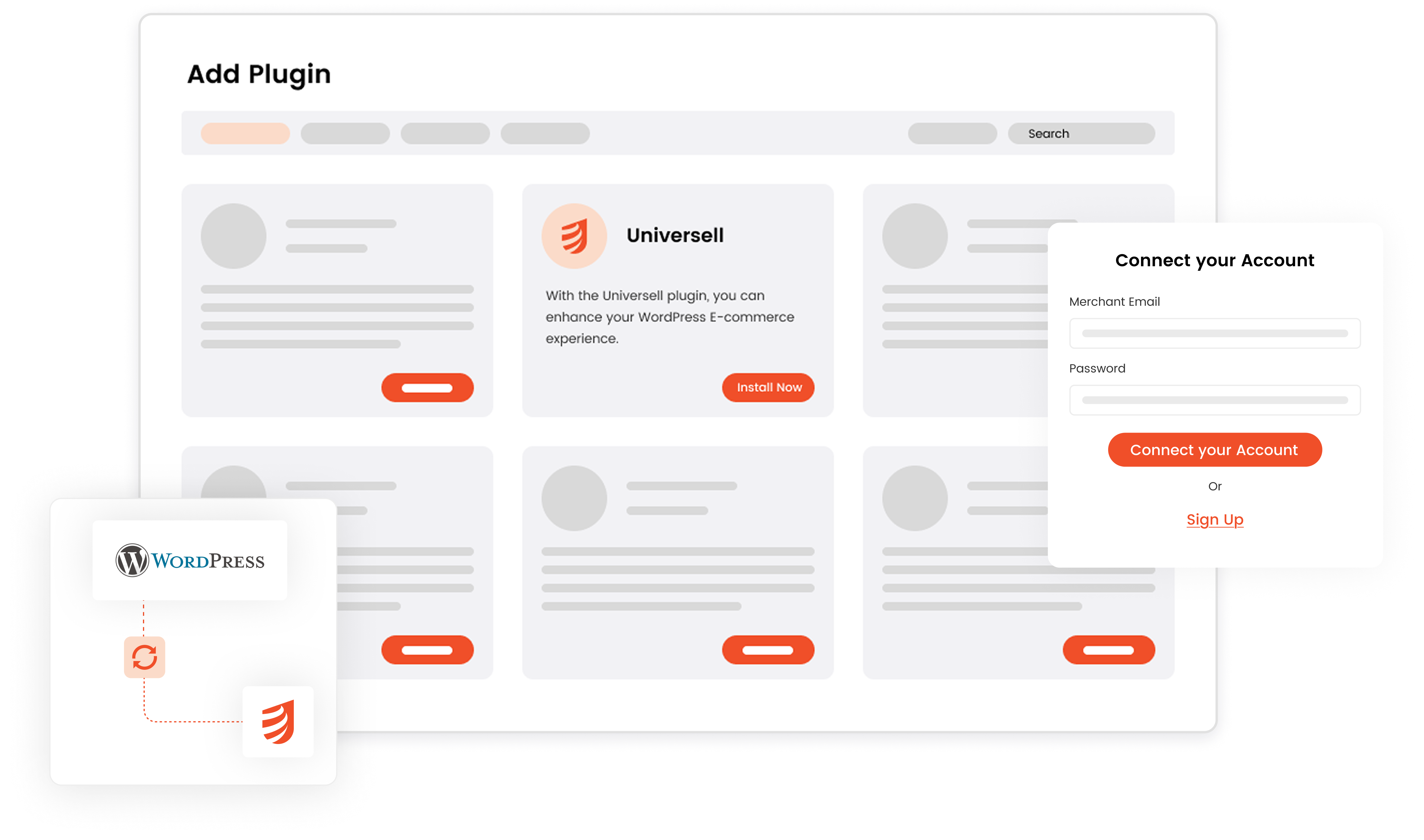
Universell offers a comprehensive CRM system that helps you manage your leads seamlessly, streamline workflows, and enhance customer engagement. Learn more about how Universell can transform your business at www.universell.us.
#CRM #LeadManagement #BusinessGrowth #SalesOptimization #CustomerEngagement #UniversellPlatform #BusinessEfficiency #CRMSystem #SmallBusinessTools