
Feb, 07 2026
How to Use Inventory Data to Improve Your Product Offerings
Inventory management plays a crucial role in any retail business, especially for small businesses looking to maximize profitability and meet customer demand. By leveraging inventory data, retailers can not only ensure product availability but also identify trends, optimize stock levels, and tailor their offerings to match customer needs. Here are five key ways to use inventory data to improve your product offerings.
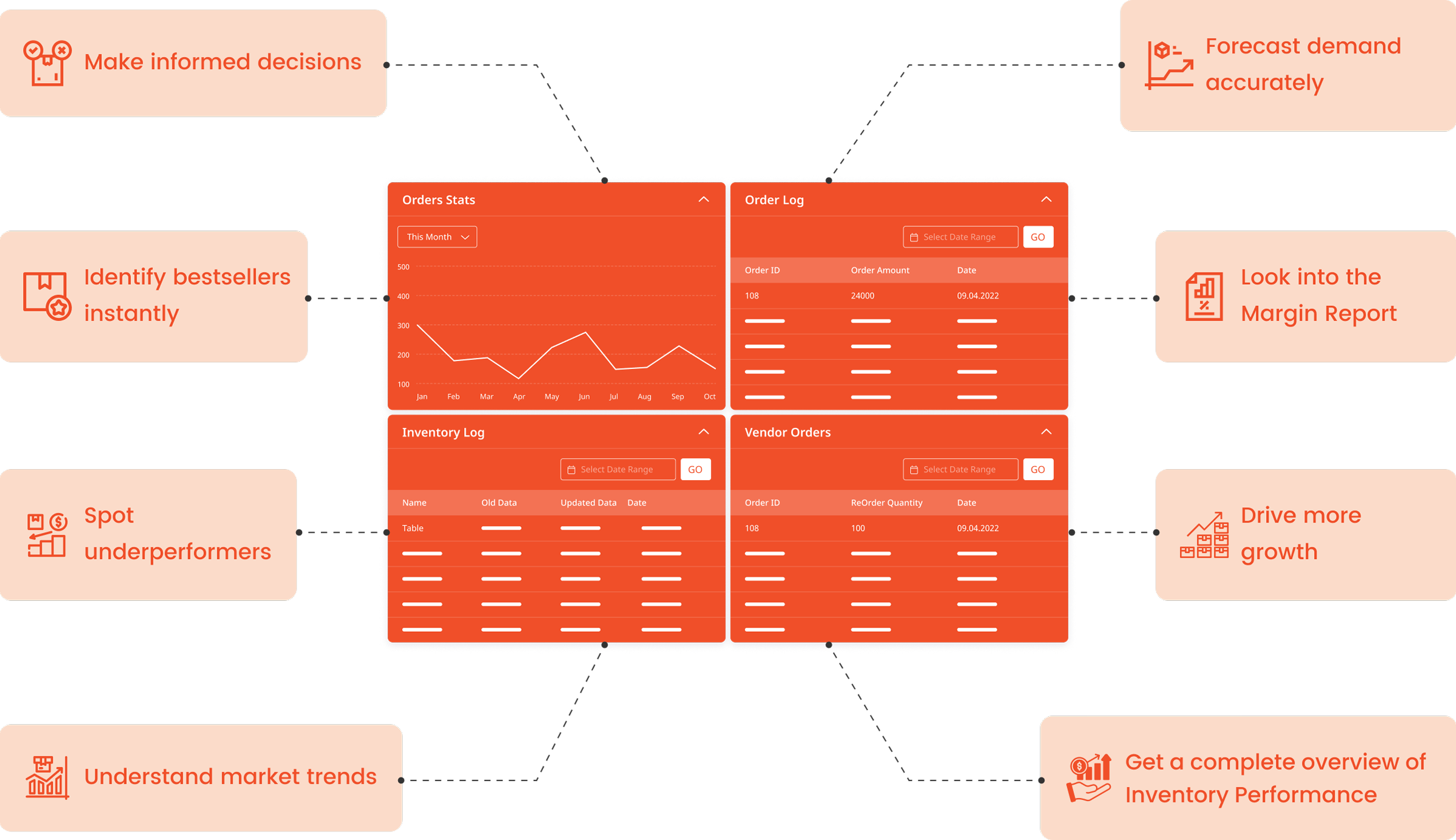
1. Identify Best-Selling Products
One of the simplest and most effective ways to improve your product offerings is by identifying your best-selling items. By analyzing your inventory data, you can pinpoint products that generate the most revenue and attract the most customers. This insight allows you to:
Increase stock levels for high-demand products to avoid stockouts.
Introduce similar products or variations to capitalize on the popularity of top sellers.
Phase out underperforming products, freeing up space for better-selling items.
By focusing on best-sellers, you can drive more sales and meet customer demand more effectively.
2. Understand Customer Preferences
Inventory data provides valuable insights into your customers’ buying habits and preferences. By analyzing which products are purchased most frequently and during which periods, you can:
Adjust your inventory to better meet seasonal demand.
Tailor your product offerings based on regional preferences or demographic insights.
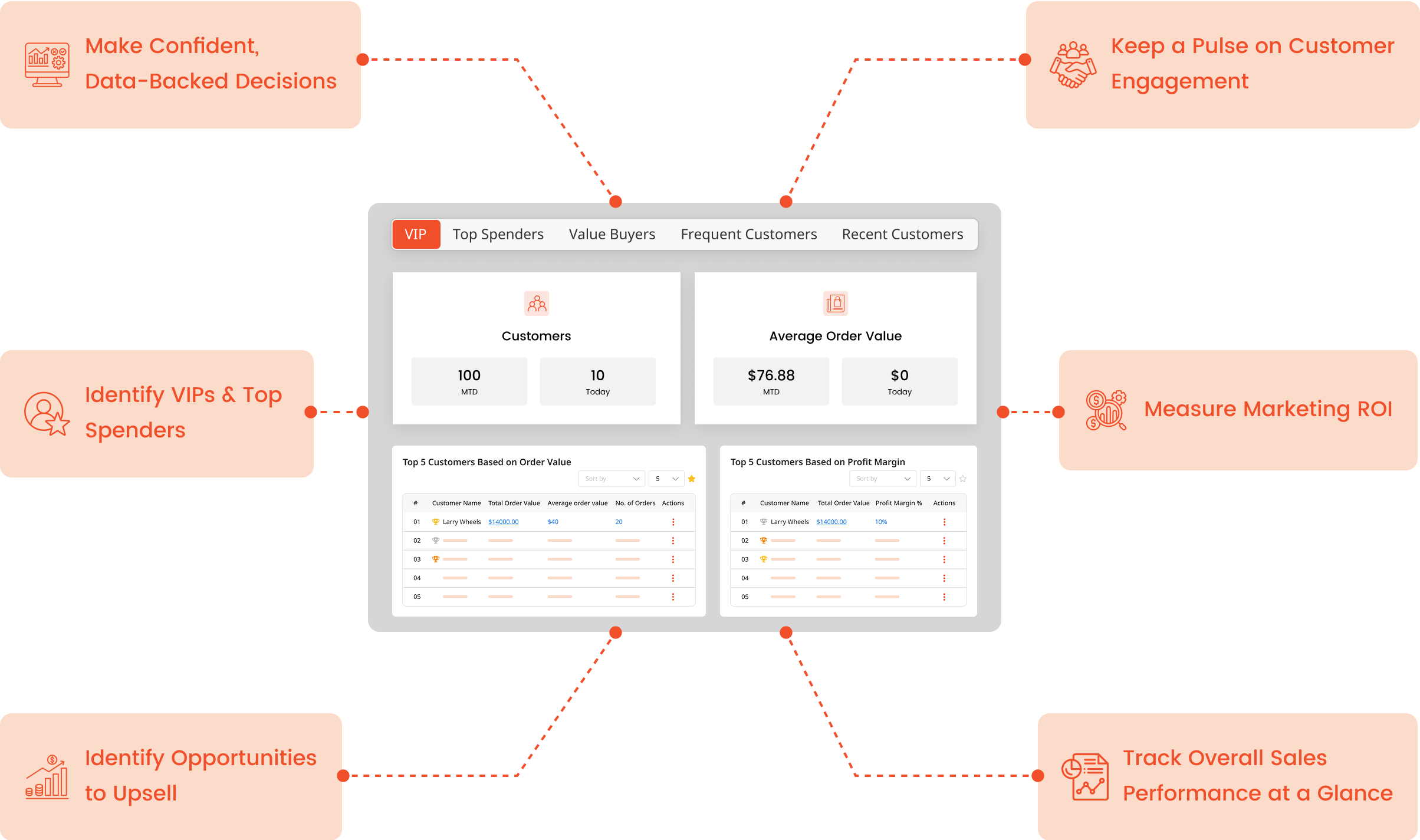
Spot trends by identifying changes in customer behavior, such as a shift toward sustainable or eco-friendly products.
This understanding of customer preferences allows businesses to stay ahead of the competition and cater directly to what customers want, improving both sales and satisfaction.
3. Optimize Stock Levels
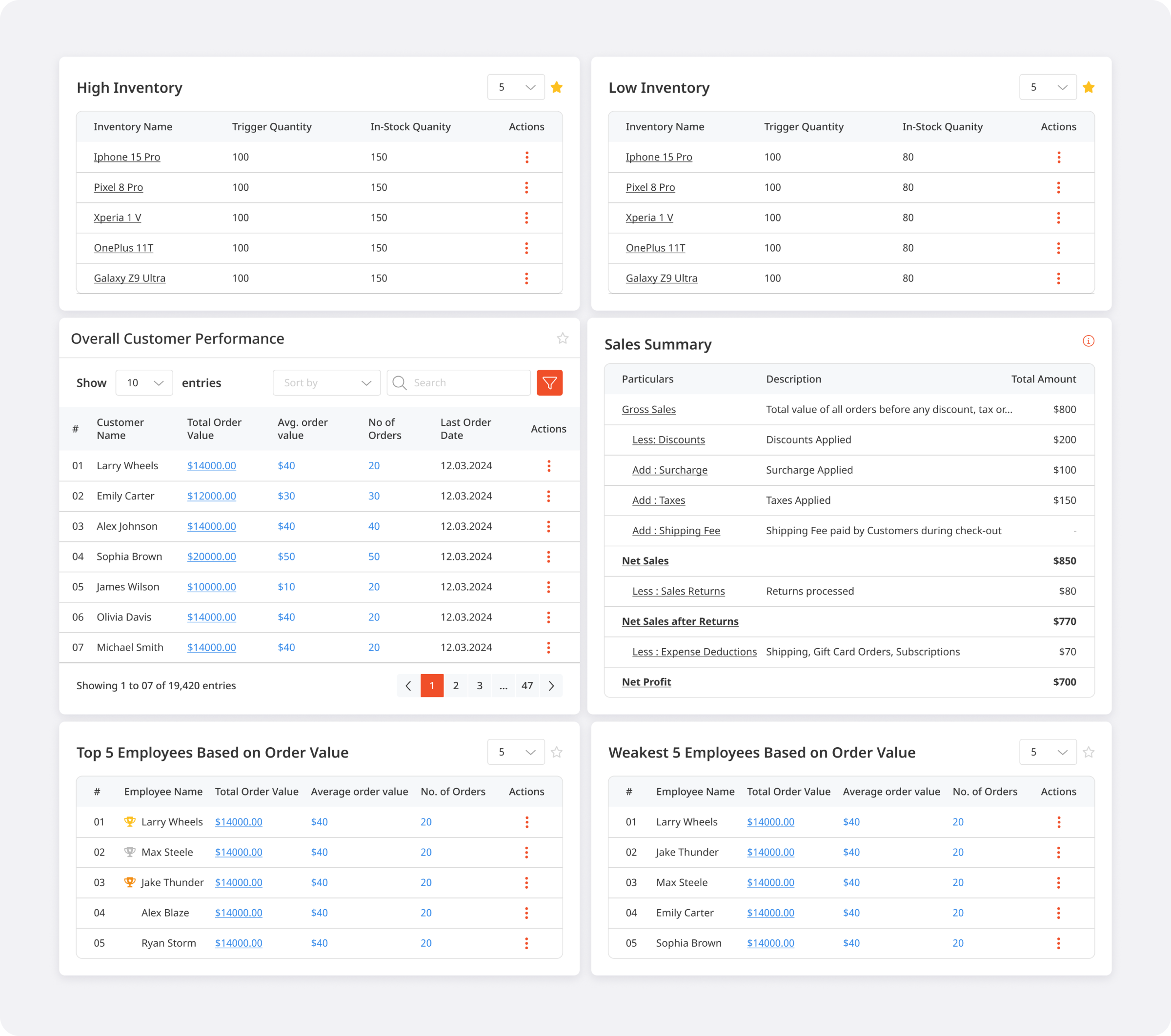
Finding the right balance between supply and demand is key to successful inventory management. Too much stock ties up capital and increases storage costs, while too little stock leads to missed sales opportunities. By using inventory data, you can:
Forecast demand more accurately, based on historical sales trends, to avoid overstocking or understocking.
Automate reordering processes to ensure timely restocking of high-demand items.
Clear out slow-moving stock through discounts or promotions, making space for more popular products.
Optimizing stock levels helps prevent lost sales and unnecessary costs, ensuring your inventory is always aligned with customer demand.
4. Spot New Opportunities and Trends
Inventory data also helps businesses spot emerging trends and new product opportunities. By regularly analyzing sales data, you can identify:
Rising demand for specific products or features, allowing you to introduce new variations or complementary items.
Product bundles: Offering products that are frequently purchased together can boost sales and create more value for customers.
Market gaps: If certain product categories are underrepresented in your inventory, this could indicate an opportunity to expand your offerings.
Using inventory data to identify trends ensures your product offerings stay relevant and aligned with evolving customer preferences.
5. Reduce Wastage and Improve Profit Margins
Tracking inventory data over time allows you to better manage the lifecycle of your products. With insights into stock movement, you can:
Discount or promote slow-moving items to clear them out before they become obsolete.
Phase out underperforming products and replace them with higher-demand items.
Reduce waste by ensuring that perishable or time-sensitive products are sold before they expire.
By reducing wastage and improving product turnover, businesses can increase profitability and ensure their product offerings remain fresh and aligned with customer needs.
Conclusion
Inventory data is a powerful tool for improving product offerings and enhancing business performance. By identifying best-sellers, understanding customer preferences, optimizing stock levels, spotting trends, and reducing waste, businesses can make data-driven decisions that improve profitability, customer satisfaction, and overall growth.
Universell provides advanced analytics and automation tools to help businesses optimize inventory management and refine their product offerings. Learn more at www.universell.us