
Apr, 04 2026
Inventory Management Challenges in E-Commerce
E-commerce has significantly changed the way businesses operate, allowing companies to sell products to customers anywhere in the world. While this creates exciting growth opportunities, it also introduces several operational challenges. One of the most critical challenges for online businesses is inventory management. Unlike traditional retail stores, e-commerce businesses must track stock across multiple channels, warehouses, and order fulfillment systems. Without an efficient inventory strategy, businesses may face stock shortages, excess inventory, delayed shipments, and dissatisfied customers.
Understanding the key inventory challenges in e-commerce can help businesses build better systems and maintain smooth operations.
1. Lack of Real-Time Inventory Visibility
One of the biggest challenges for e-commerce businesses is maintaining accurate and real-time visibility of stock levels. Many companies still rely on manual tracking methods or disconnected systems to manage inventory. When inventory data is not updated in real time, businesses may accidentally sell products that are already out of stock.
This situation often leads to canceled orders, refund requests, and frustrated customers. Real-time inventory visibility is essential for ensuring accurate stock records and maintaining customer trust.
2. Managing Inventory Across Multiple Sales Channels
Most modern e-commerce businesses sell products through multiple channels such as their own website, online marketplaces, and social commerce platforms. While this increases sales opportunities, it also creates complexity in inventory management.
When inventory data is not synchronized across these platforms, businesses may experience overselling or inconsistent stock information. Managing inventory across different channels requires centralized systems that keep all sales platforms updated with accurate stock levels.
3. Demand Forecasting Challenges
Customer demand in e-commerce can change quickly due to promotions, seasonal trends, and changing consumer preferences. Predicting demand accurately can be difficult, especially for businesses experiencing rapid growth.
Poor demand forecasting may result in stockouts, which lead to lost sales and disappointed customers. On the other hand, overstocking products can increase storage costs and tie up valuable capital that could be used elsewhere in the business.
4. Handling Returns and Reverse Logistics
Returns are a common part of e-commerce operations. Customers frequently return products due to size issues, product expectations, or delivery problems. Managing returned products requires inspection, restocking decisions, and accurate updates to inventory records.
If return processes are not properly organized, businesses may struggle with inaccurate stock data and delayed restocking. Efficient reverse logistics is important for maintaining inventory accuracy and reducing operational costs.
5. Warehouse and Fulfillment Complexity
As e-commerce businesses grow, they often expand their fulfillment networks by using multiple warehouses or third-party logistics providers. While this helps improve delivery speed, it also adds complexity to inventory management.
Businesses must track which products are stored in each warehouse, coordinate stock transfers, and ensure orders are fulfilled from the most efficient location. Without proper inventory visibility, fulfillment delays and operational inefficiencies can occur.
6. Inventory Errors and Stock Discrepancies
Inventory discrepancies can occur due to damaged goods, incorrect counts, or manual data entry mistakes. Even small errors can create larger operational problems over time.
Inaccurate stock data can affect order fulfillment, disrupt financial reporting, and reduce customer satisfaction when orders cannot be completed as expected.
Strengthening Inventory Management with Technology
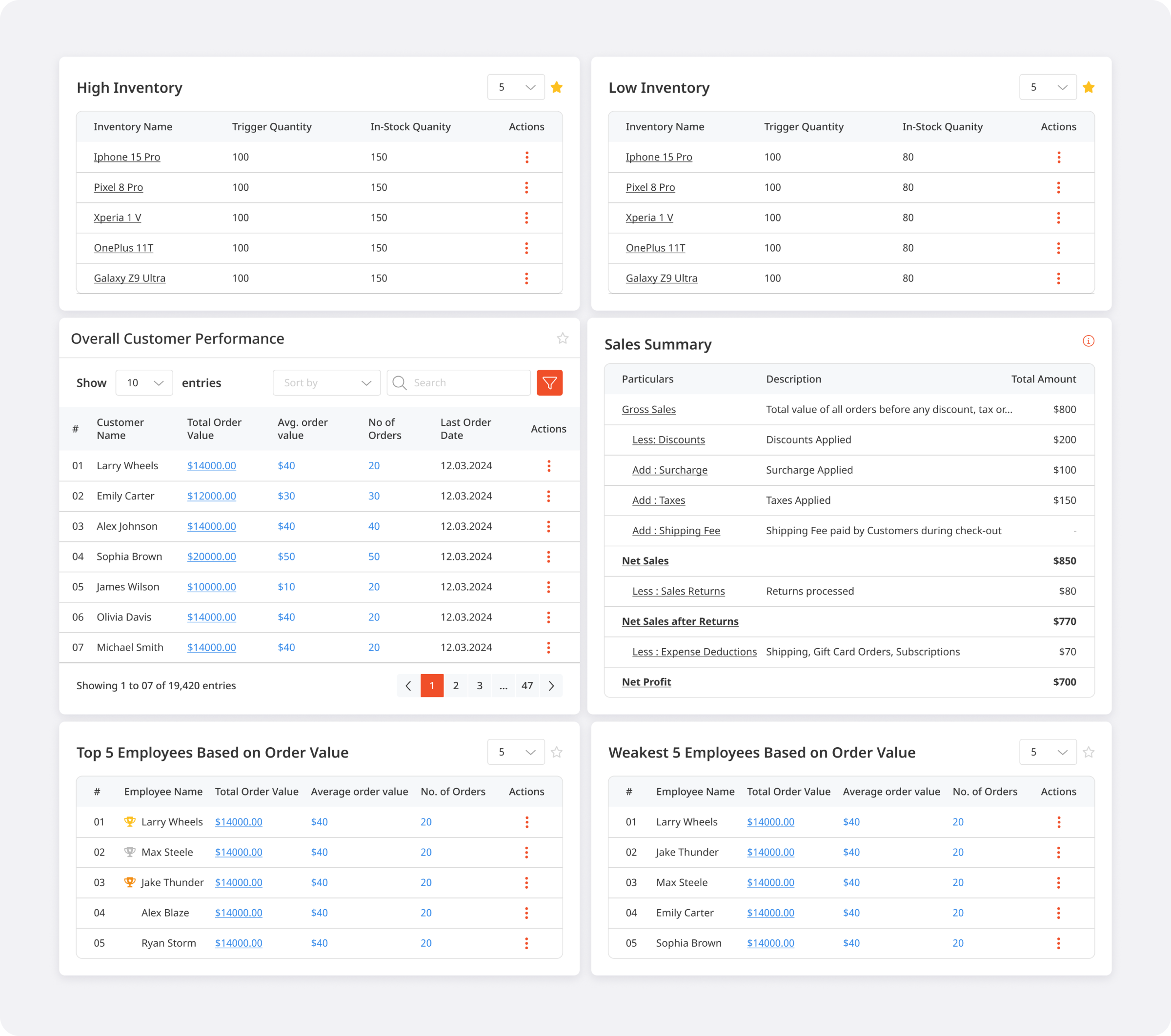
To overcome these challenges, businesses need modern systems that provide real-time inventory visibility and automation. Platforms like Universell help businesses track inventory across channels, manage stock efficiently, and gain better operational insights through one connected system.
With smarter inventory tools, businesses can improve accuracy, reduce operational risks, and build a more reliable e-commerce operation.
Learn more: https://www.universell.us/
#InventoryManagement #EcommerceOperations #RetailTechnology #SmartRetail #InventoryControl #EcommerceGrowth #RetailAutomation #OmnichannelRetail