
Feb, 26 2026
Inventory Management for Seasonal Businesses
Seasonal businesses face a unique set of challenges when it comes to inventory management. The very nature of these businesses means that demand fluctuates dramatically at different times of the year, leaving them to manage inventory effectively in both peak and off-seasons. Whether you’re selling holiday décor, summer apparel, or seasonal produce, efficient inventory management is crucial to avoid stockouts during busy periods and overstocking during slower months.
1. Forecast Demand Accurately
One of the biggest challenges for seasonal businesses is predicting how much inventory will be needed during peak periods. Overestimating demand can lead to excess stock that must be stored or discounted at the end of the season. Underestimating demand, on the other hand, may result in stockouts, missed sales, and unhappy customers.
To forecast demand accurately:
- Analyze historical sales data: Look at past seasons and trends to estimate future demand. Consider factors like weather, local events, and holidays.
- Consider external factors: Market shifts, new competitors, or changes in customer behavior can all impact demand.
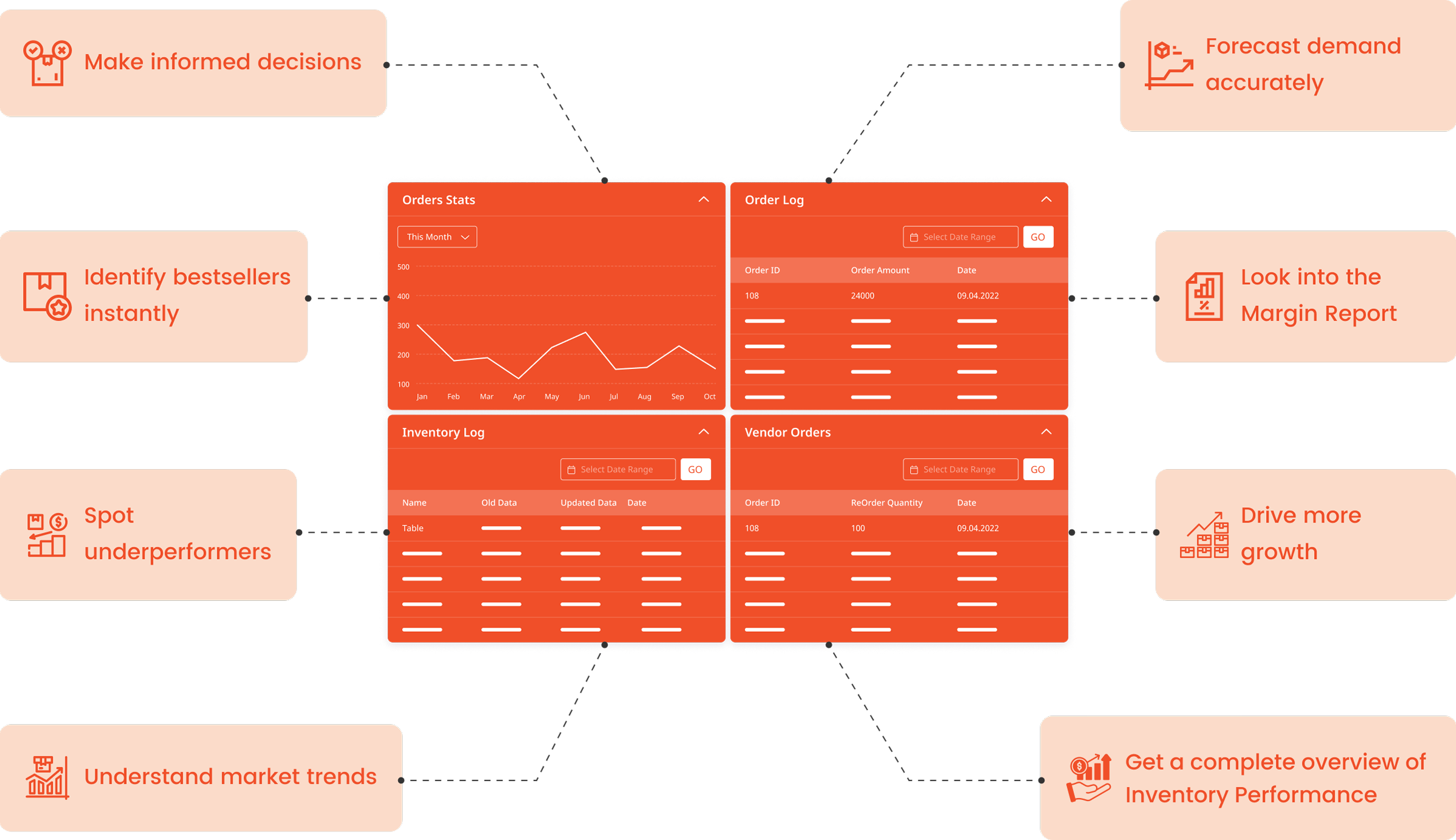
- Use inventory management software: Advanced software can analyze historical data and trends to create more accurate demand forecasts, helping you make smarter purchasing decisions.
By relying on data-driven insights, businesses can predict inventory needs with greater precision and ensure they’re fully prepared for their busy seasons.
2. Plan for Lead Time and Supplier Relationships
Seasonal businesses often work with suppliers who have long lead times, meaning you need to plan ahead. A last-minute order could result in delayed shipments, leaving you with too little stock during your peak period.
To ensure you’re prepared:
- Build strong relationships with suppliers: Foster open communication with your suppliers so you can stay ahead of any delays or supply chain issues. Make sure they understand your peak seasons and can accommodate your inventory needs.
- Order early: Always place orders well in advance of peak season, accounting for lead times and any potential delays.
- Use safety stock: In case of unexpected surges in demand or delays, consider holding a small buffer of inventory (safety stock) to prevent stockouts.
Strong supplier relationships and proactive ordering can help mitigate many of the risks associated with inventory shortages.
3. Implement a Just-in-Time Inventory System
While some businesses rely on bulk purchasing to prepare for peak seasons, others benefit from a Just-in-Time (JIT) inventory system, which allows for the efficient and cost-effective flow of goods with minimal stock.
JIT inventory management involves:
- Ordering smaller, more frequent shipments to reduce the amount of stock held at once.
- Reducing storage costs by minimizing inventory levels during the off-season.
- Faster inventory turnover during peak season, which allows you to keep fresh stock on hand and avoid excessive waste.
This method works well for businesses that have accurate demand forecasting and supplier reliability, allowing them to reduce inventory costs while ensuring they’re never caught off guard during high-demand periods.
4. Use Technology for Real-Time Inventory Tracking
Seasonal businesses often operate with a mix of in-store and online sales, which means managing inventory across multiple channels. Using an inventory management system that provides real-time tracking will allow you to monitor your stock levels, avoid overordering, and streamline replenishment.
Key benefits of real-time inventory systems include:
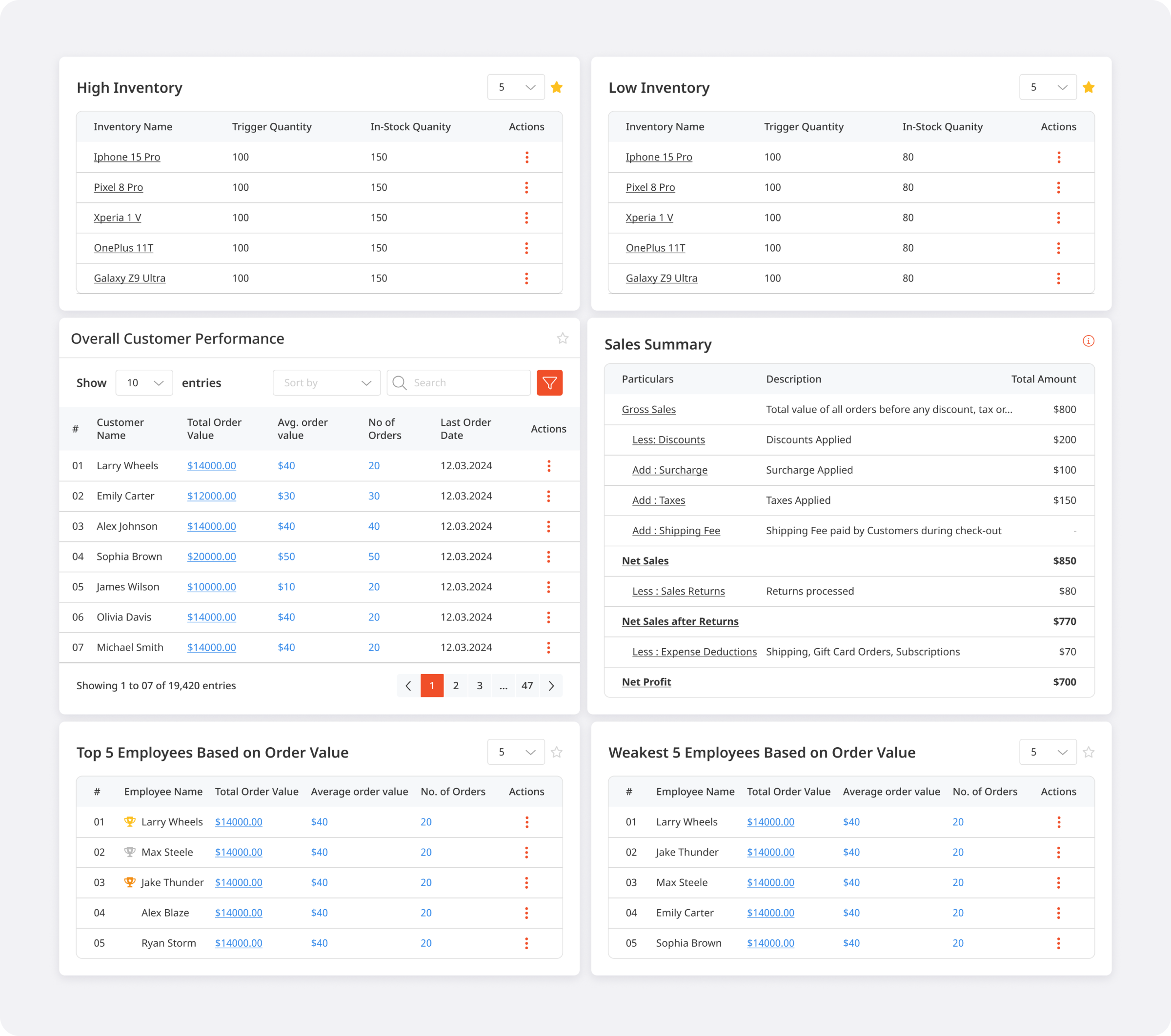
- Instantly see stock levels across all locations (online and physical).
- Automatic updates when new stock arrives or when a product is sold.
- Inventory visibility across channels, reducing the risk of overselling.
- Analytics and reporting that help you track inventory turnover, sales trends, and the effectiveness of promotional efforts.
Real-time inventory systems integrated with e-commerce platforms can also automate stock updates, preventing the risk of selling items that are no longer in stock.
5. Prepare for the Off-Season with a Clear Plan
After your peak season ends, the last thing you want is to be stuck with unsold inventory that takes up valuable space. To manage this:
- Plan discounts or sales to clear out excess stock. Flash sales, end-of-season promotions, and bundled deals are great strategies.
- Consider offering off-season services or rentals if applicable. For example, renting out seasonal items during the off-season can generate additional revenue.
- Store excess inventory efficiently: If you can’t sell it all, store it in a way that’s cost-effective. Consider renting warehouse space or using third-party fulfillment services.
By planning your off-season strategy in advance, you can maintain cash flow and avoid storing unnecessary stock.
Final Thoughts
Managing inventory in a seasonal business can be tricky, but with the right strategies in place, you can minimize risk and maximize profit. By forecasting demand accurately, building strong supplier relationships, utilizing inventory management systems, and preparing for both peak and off-season periods, you’ll be able to navigate the complexities of seasonal demand and keep your business running smoothly year-round.
Adopting best practices for inventory management doesn’t just ensure that you’ll meet demand – it sets you up for long-term success.
Universell offers a comprehensive suite of inventory and business management tools designed to help seasonal businesses stay ahead of demand. Their platform enables real-time tracking, automated forecasting, and seamless integration with sales and CRM tools, ensuring your inventory strategy is always aligned with your business needs.
Learn more at:
www.universell.us
#InventoryManagement #SeasonalBusiness #Ecommerce #BusinessGrowth #InventoryTracking #SmallBusinessSolutions #OperationalEfficiency #RetailManagement #SmartInventory #DemandForecasting