
May, 14 2025
Major Retail Chains Hit by Data Breaches, Shaking Consumer Trust
Recent cyberattacks targeting major retail chains have sent shockwaves through the industry, highlighting how vulnerable even well-established brands are in today’s digital-first world. As breaches grow more frequent and sophisticated, consumer trust is taking a significant hit—forcing businesses of all sizes to reassess how they handle sensitive information.
High-Profile Breaches Spark Industry Alarm
In early 2025, UK retailers like Marks & Spencer, the Co-operative Group, and Harrods were hit by large-scale cyberattacks. The M&S breach reportedly exploited internal system vulnerabilities, while the Co-op’s IT infrastructure suffered data theft, affecting both operations and customer confidence. These incidents underscore the critical importance of digital vigilance and strong operational protocols.
Erosion of Consumer Trust
According to recent surveys, over 65% of consumers lose trust in brands that suffer a data breach—many even stop shopping with them entirely. The impact isn’t just reputational. Businesses face legal exposure, increased insurance premiums, and expensive system overhauls.
The Operational Side of Prevention
While cybersecurity tools are essential, many breaches also expose gaps in operational processes—like poor access controls, inefficient payment workflows, or delayed invoicing follow-ups that create administrative confusion.
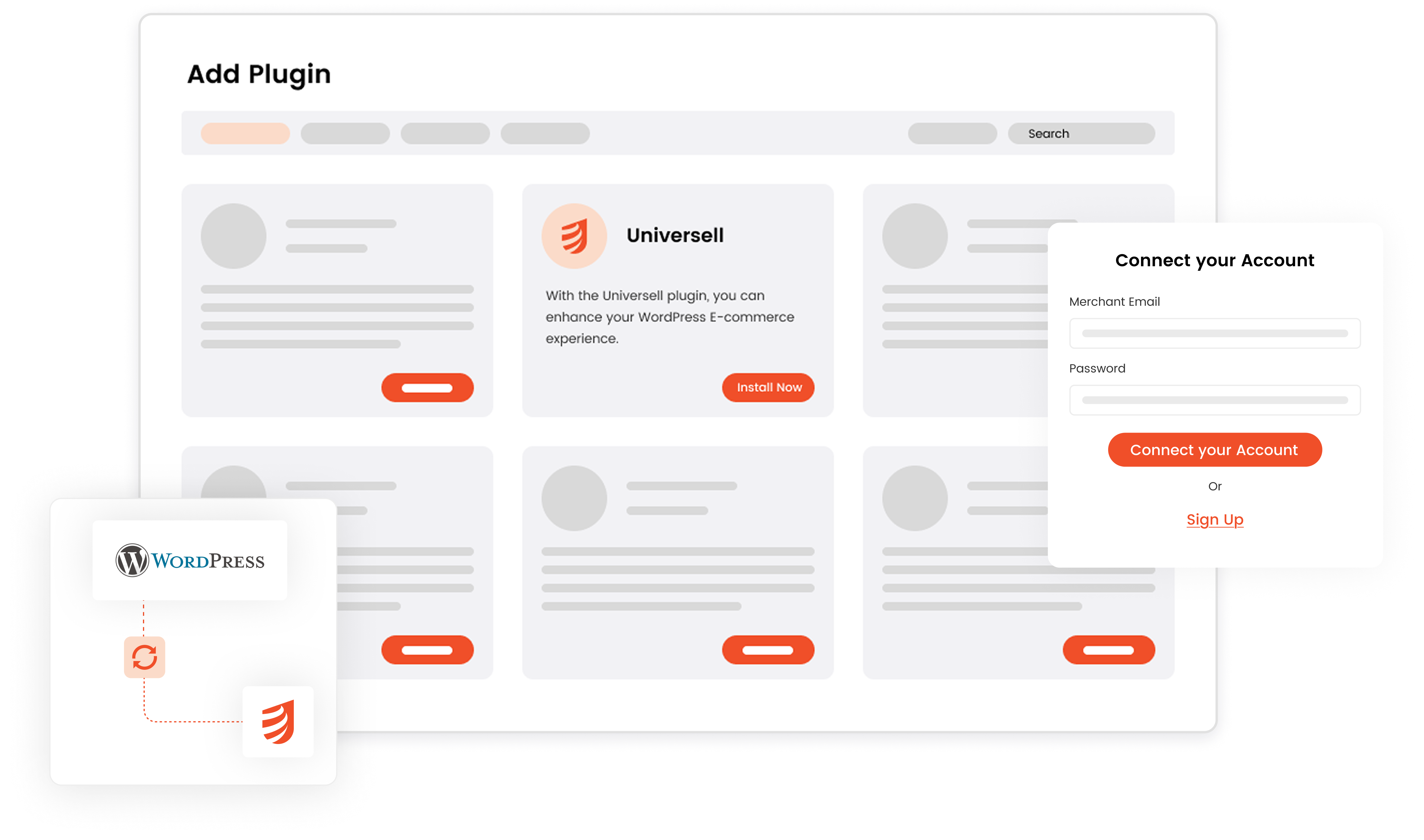
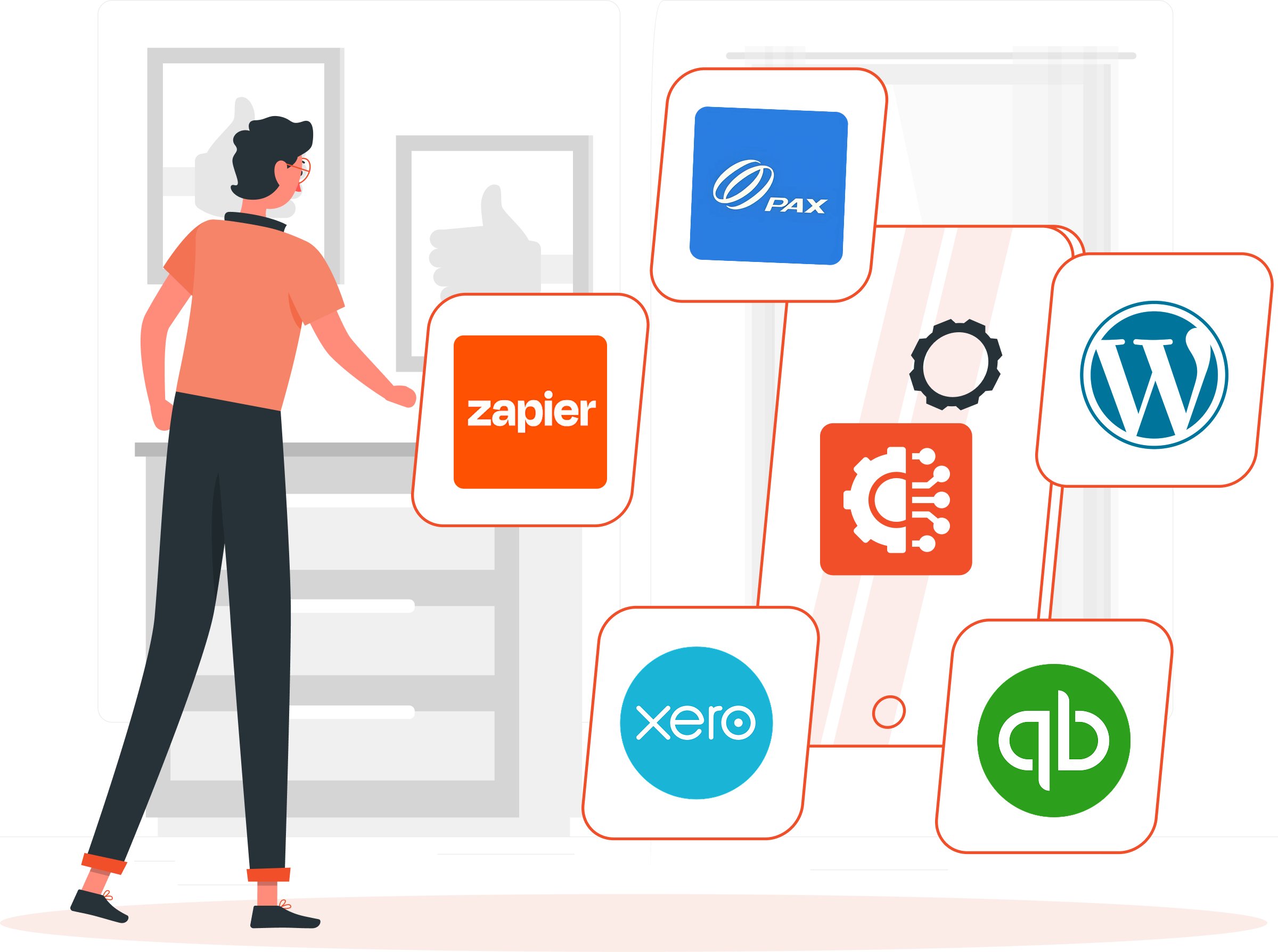
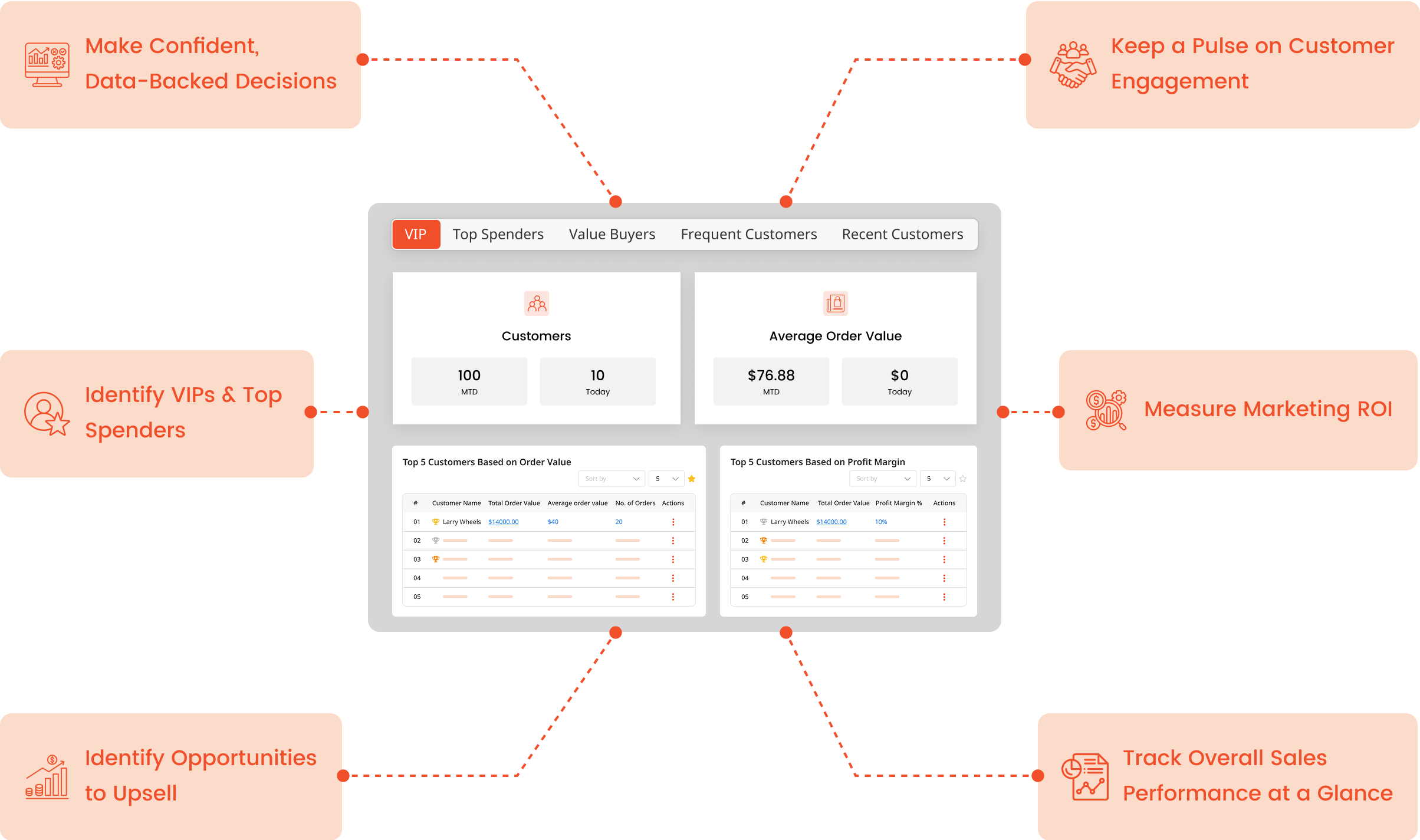
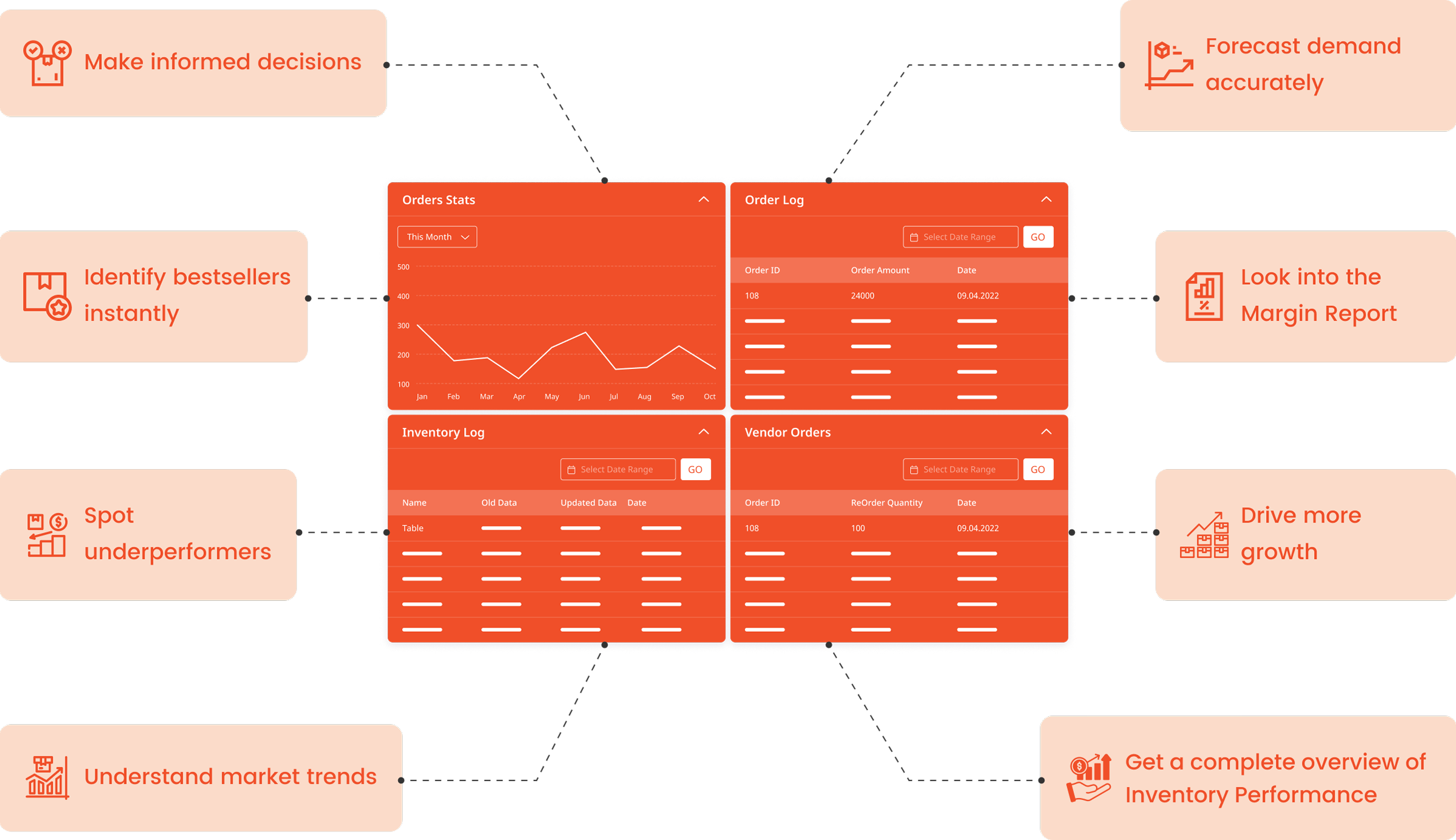
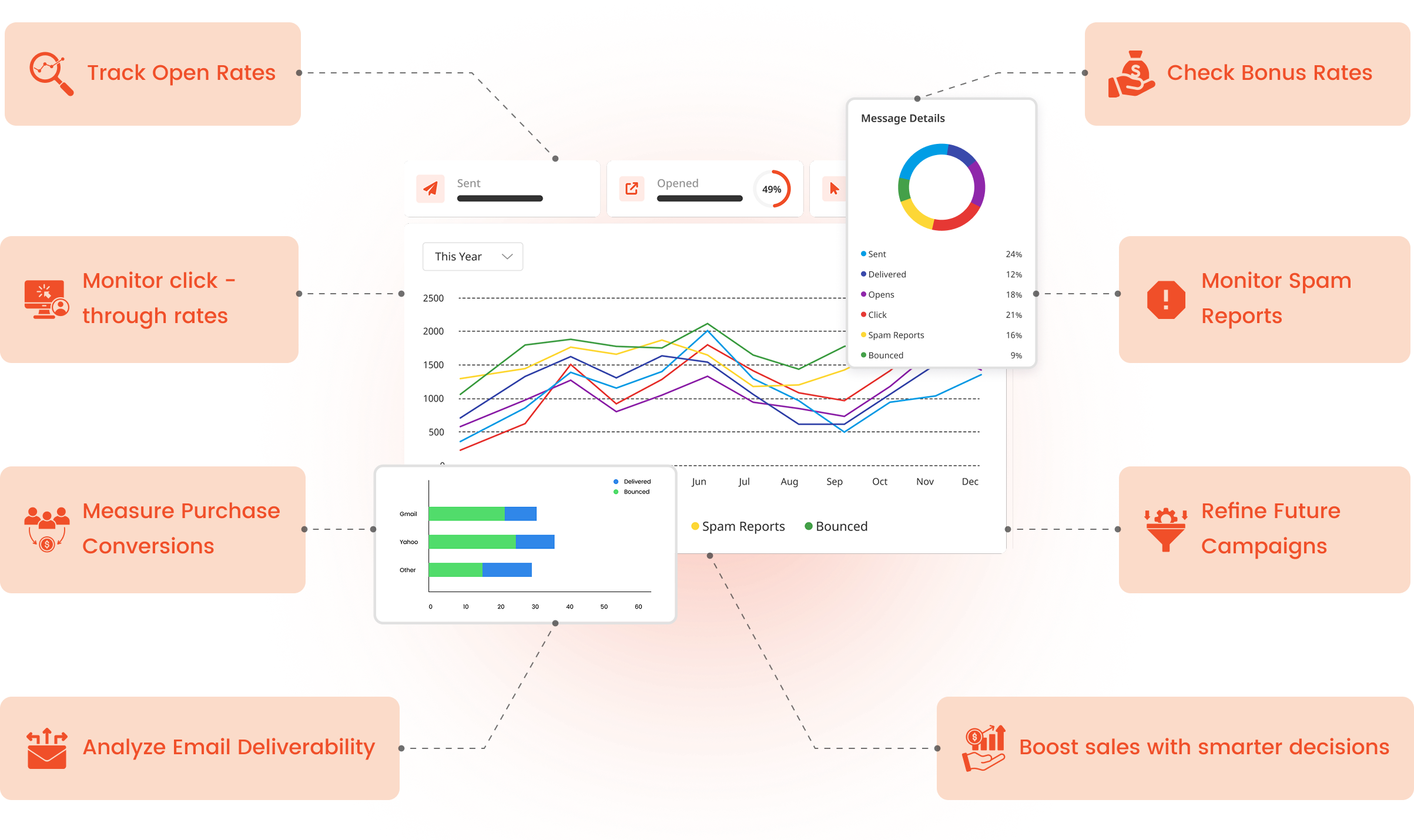
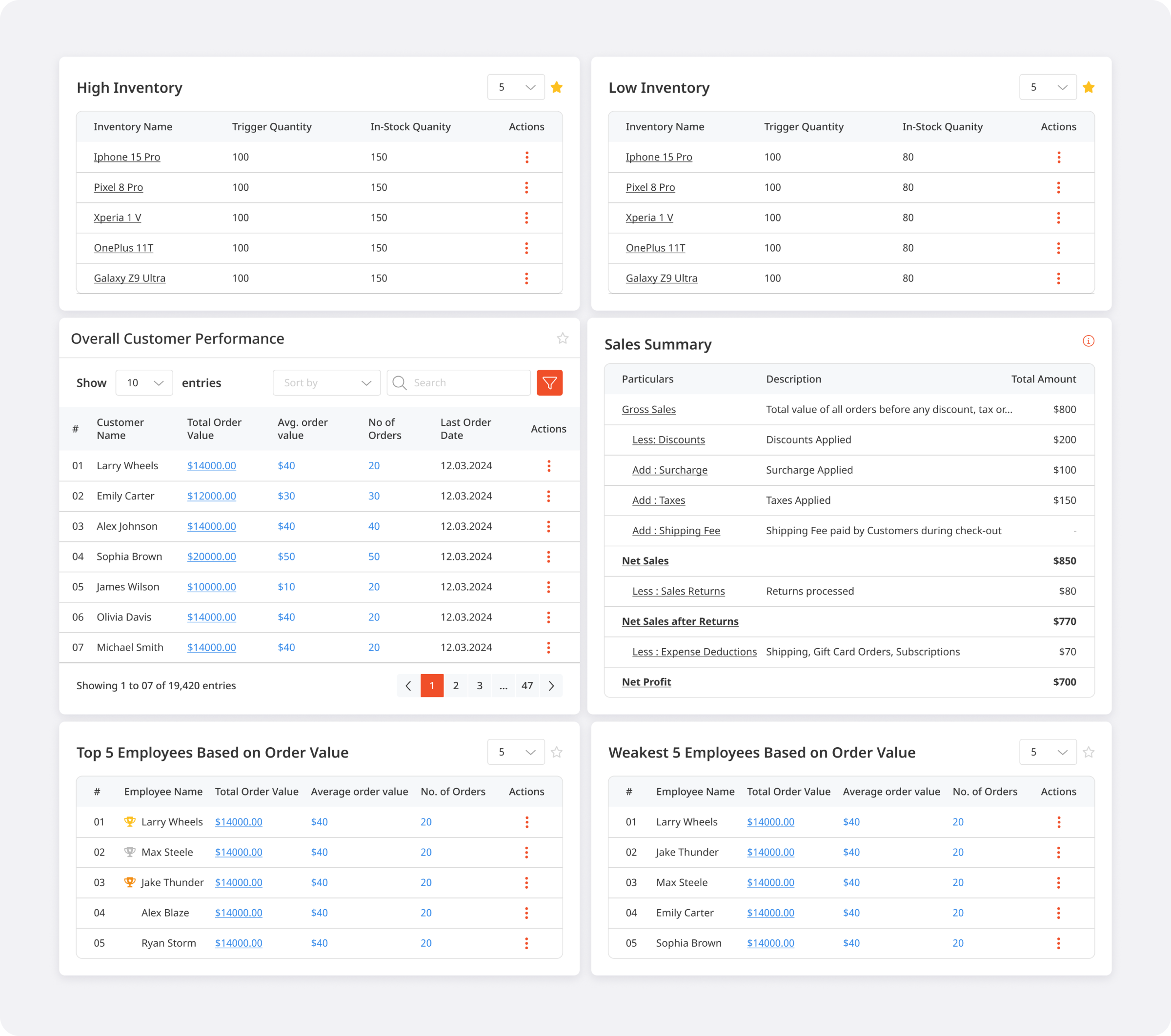
This is where structured platforms like Universell come in—not as a cybersecurity tool, but as a business operations solution. By offering all-in-one invoicing, payment reminders, sales tracking, and CRM syncing, Universell helps small and medium businesses reduce scattered workflows and minimize avoidable risks in day-to-day operations.
Conclusion
As large retailers face growing scrutiny and consumer skepticism, small businesses can take proactive steps—not just with cybersecurity software—but with smarter systems that promote clarity, speed, and professionalism. Platforms like Universell empower SMBs to stay organized, reduce operational blind spots, and build stronger customer trust in a digital economy where every interaction matters.