
Apr, 02 2026
Mastering CRM Customization to Align with Your Business Needs
Customer Relationship Management (CRM) systems are essential tools for managing customer interactions, automating processes, and improving satisfaction. However, a one-size-fits-all CRM solution may not meet your business needs. CRM customization allows businesses to tailor their CRM system to suit specific goals, improve customer relationships, and streamline operations. This article explores the importance of CRM customization and provides tips for aligning your CRM with your business needs.
Why CRM Customization Matters
Every business has unique goals, processes, and customer needs. Customizing your CRM system allows you to:
- Enhance User Experience: Customization helps your team work more efficiently and increases CRM adoption.
- Streamline Operations: Customize workflows to match your business needs and eliminate inefficiencies.
- Improve Data Accuracy: Track the most relevant data for your business, leading to better decision-making.
- Strengthen Customer Relationships: Personalization enhances the customer experience and builds loyalty.
Steps to Customize Your CRM for Business Success
1. Define Your Business Goals
Start by identifying your business goals and challenges. Consider these questions:
- What specific problems need solving?
- Which areas need CRM support (sales, marketing, customer service)?
- What features are essential to achieving these goals?
Understanding these objectives will guide you in customizing your CRM to meet your business’s unique needs.
2. Choose the Right CRM Platform
It’s crucial to choose a CRM that offers flexibility. Look for platforms that allow:
- Custom Fields: To track business-specific data.
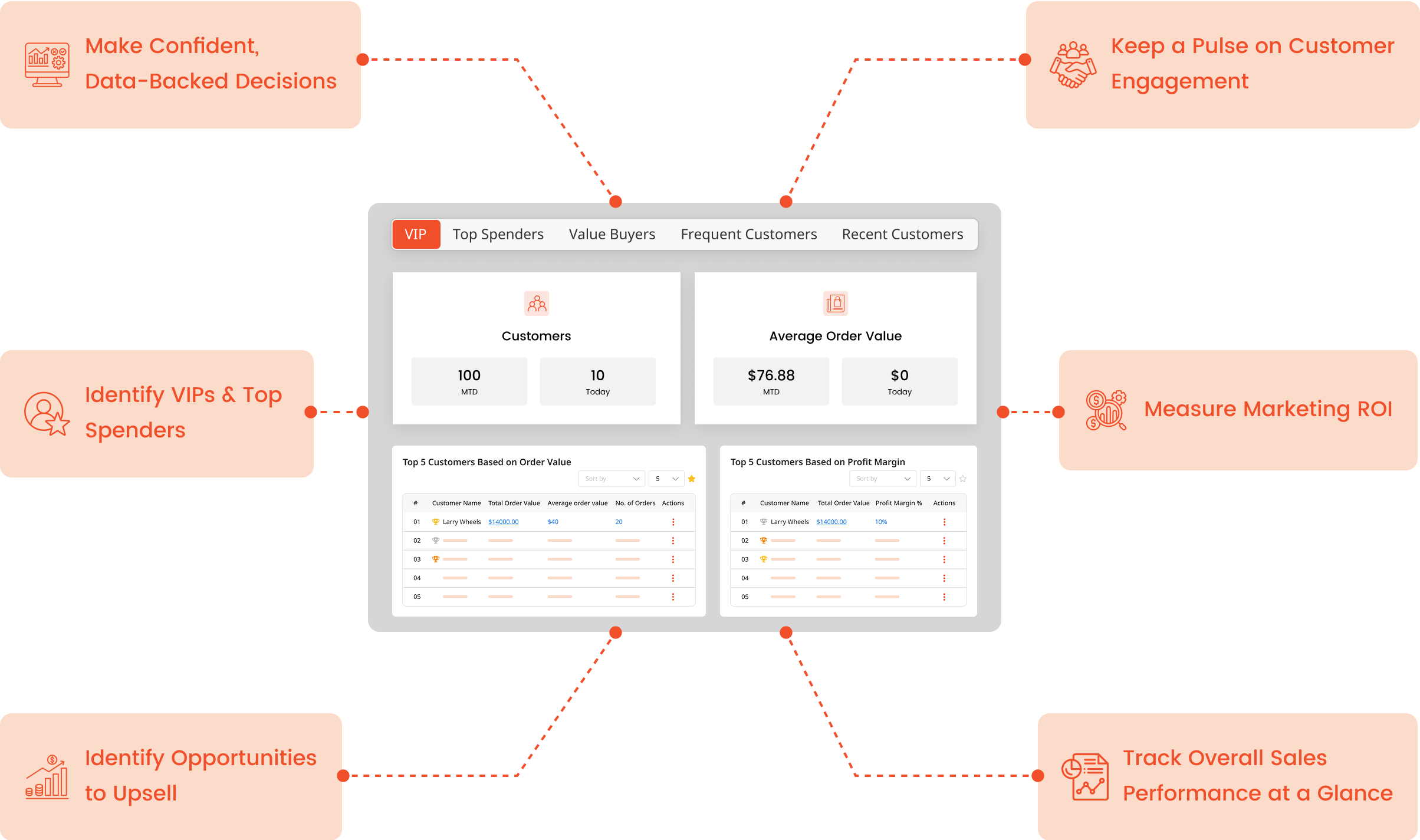
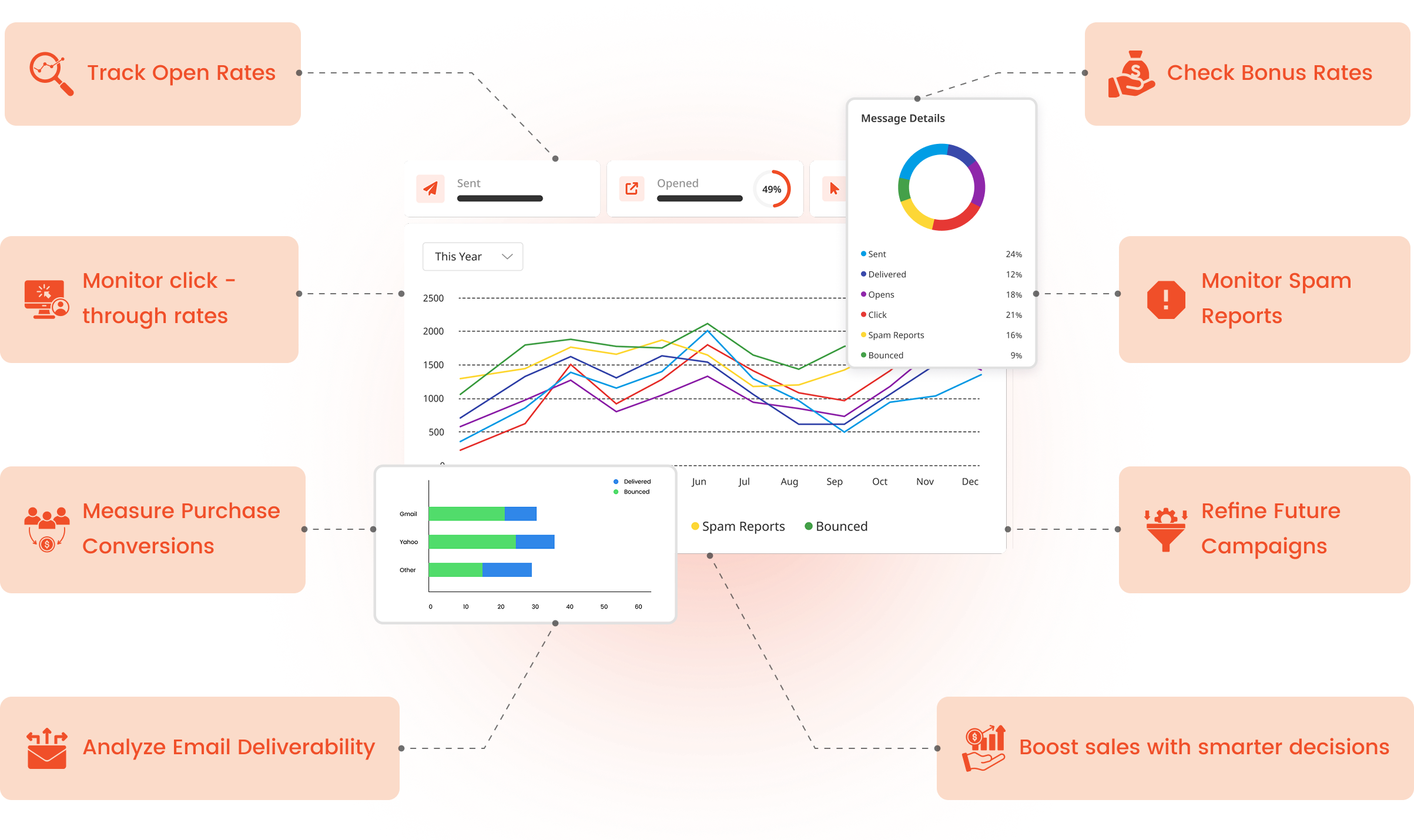
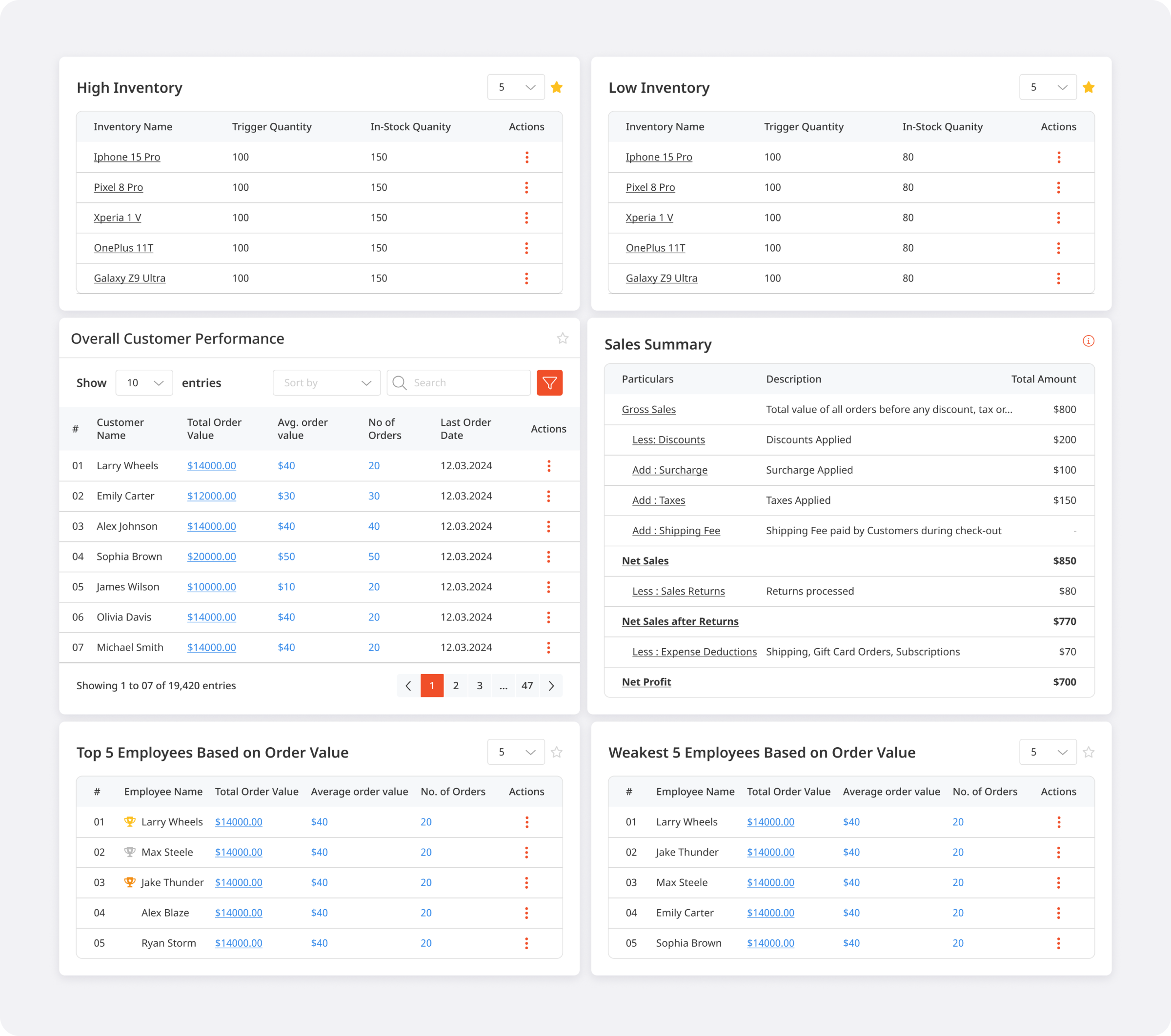
- Custom Dashboards: To visualize the data most important to your team.
- Automation Features: To reduce repetitive tasks and improve workflow.
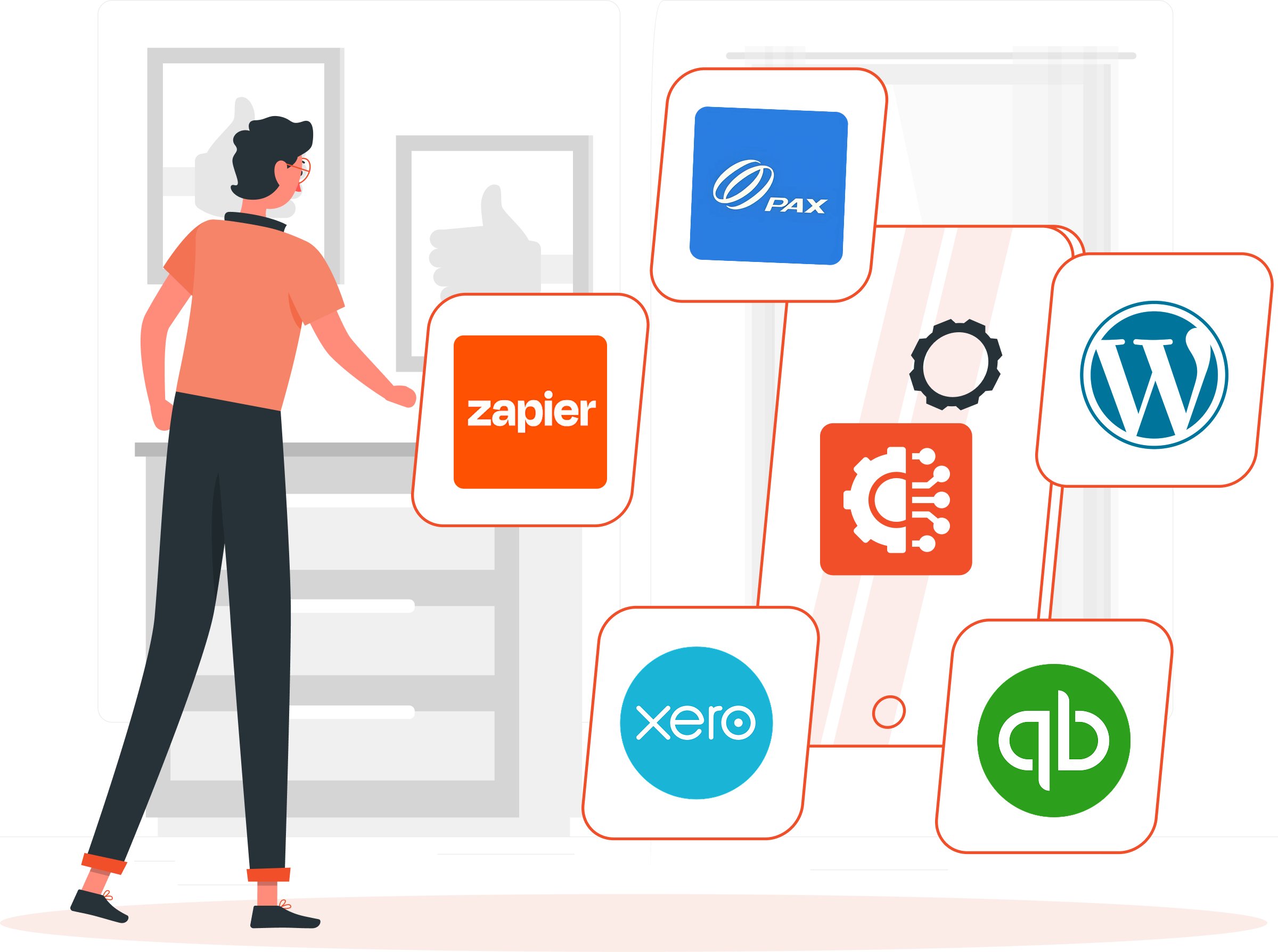
- Integration Capabilities: To connect with tools like marketing software and email platforms.
3. Tailor Data Fields and Automate Workflows
Custom data fields ensure you track the most relevant information, such as customer preferences or project details. Automation helps streamline processes by:
- Automatically sending follow-up emails after a customer inquiry.
- Assigning leads based on region or interest.
- Creating tasks for team members based on triggers like new sales or inquiries.
By customizing data fields and automating workflows, your CRM becomes more efficient and less reliant on manual tasks.
4. Integrate CRM with Other Tools
Your CRM should integrate seamlessly with other business tools. Popular integrations include:
- Email Marketing: Sync customer data for targeted campaigns.
- Social Media: Track customer interactions and social media engagement.
- Accounting Tools: Manage invoicing, payments, and financial data.
Integrating your CRM with these systems centralizes customer data, allowing for a more cohesive approach to managing interactions.
5. Train Your Team and Get Feedback
A customized CRM system is only effective if your team knows how to use it. Provide hands-on training to show how the system aligns with their daily tasks. After the CRM is in use, gather feedback to ensure it meets your team’s needs. Continuously adjust the CRM based on this feedback for maximum effectiveness.
Conclusion: Building a CRM that Works for Your Business
CRM customization is an ongoing process that evolves as your business grows. By tailoring your CRM to meet your unique processes and goals, you can improve productivity, streamline operations, and foster better customer relationships.
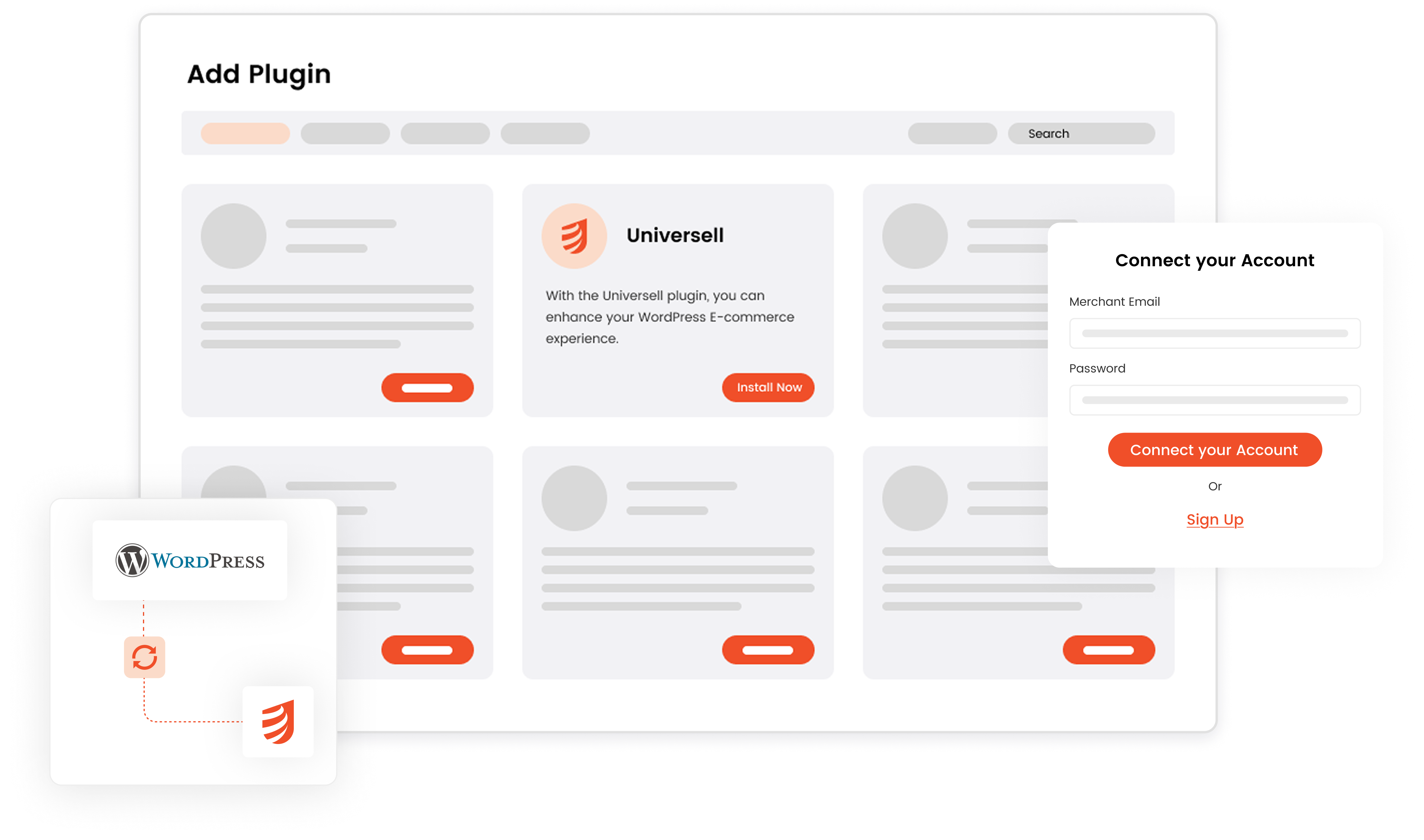
If you’re looking for an easy-to-use platform for CRM customization, Universell offers real-time solutions that integrate seamlessly with your existing systems. Automate processes, improve customer management, and scale your business with confidence.
🔗 Learn more: https://www.universell.us
#Universell #CRMCustomization #BusinessGrowth #CustomerManagement #Automation #SmartRetail