
Aug, 02 2025
Micro Fulfillment Center: How It Helps Retailers Speed Up Fulfillment
In the fast-paced world of retail, speed is everything. Consumers expect quicker delivery times, and businesses are under constant pressure to meet these expectations while maintaining profitability. As online shopping continues to surge, retailers are turning to innovative solutions to optimize their fulfillment processes. One such solution is the Micro Fulfillment Center (MFC).
A Micro Fulfillment Center is a small, automated warehouse located closer to customers to help speed up order fulfillment. In this article, we will explore how MFCs work and how they help retailers deliver a better customer experience by speeding up fulfillment times.
What is a Micro Fulfillment Center?
A Micro Fulfillment Center is a compact, localized distribution hub that helps retailers manage inventory and fulfill orders more efficiently. Unlike traditional warehouses, which are typically located on the outskirts of cities, MFCs are strategically placed within urban areas, often closer to the consumer. This proximity enables retailers to cut down on delivery times and costs significantly.
MFCs are often powered by automation, including robotics, conveyors, and artificial intelligence, which allow them to handle high volumes of orders with minimal human intervention. These centers are smaller in size but highly optimized, focusing on getting products from shelf to doorstep as quickly as possible.
How Do Micro Fulfillment Centers Speed Up Fulfillment?
- Reduced Delivery Times
One of the biggest advantages of MFCs is their proximity to consumers. Traditional fulfillment centers are typically located in rural areas, which can lead to long delivery times, especially for customers located in urban centers. Micro Fulfillment Centers, being located closer to where customers live, drastically reduce delivery times, ensuring that products reach consumers faster. - Improved Inventory Management
MFCs are designed for efficient inventory management. With automation and real-time data tracking, retailers can ensure that products are always in stock and ready for shipment. This reduces the likelihood of backorders, which can frustrate customers and impact the retailer’s reputation. - Increased Order Accuracy
Automation in MFCs helps to increase the accuracy of order picking. With robotic systems and AI-powered solutions, products are picked, packed, and shipped with a much lower error rate compared to manual labor. This not only speeds up the process but also minimizes costly returns due to incorrect orders. - Cost-Efficiency
Micro Fulfillment Centers reduce the need for large, expensive warehouses located far from urban areas. By placing these centers closer to customers, retailers can cut down on transportation costs and reduce the carbon footprint of deliveries. This cost savings can be reinvested into other areas of the business, like customer service or technology upgrades. - Scalability
MFCs are highly scalable, allowing retailers to expand quickly without the need for significant capital investment. As demand grows, retailers can easily add new MFCs in different geographic locations, ensuring that fulfillment speeds remain fast, regardless of how many orders are being processed. - Faster Response to Demand Fluctuations
Traditional warehouses are designed to handle large volumes of inventory and orders, but they can struggle with rapid changes in demand. MFCs, however, are designed to handle fluctuations more easily. Since MFCs typically manage a smaller inventory in a specific area, they can be more responsive to local demand and make quick adjustments. - Enhanced Customer Satisfaction
Ultimately, all of these advantages lead to a better customer experience. Faster delivery times, accurate orders, and reliable service contribute to higher customer satisfaction. Customers are more likely to return to a retailer that consistently delivers their products quickly and accurately, building long-term loyalty.
The Role of Technology in Micro Fulfillment Centers
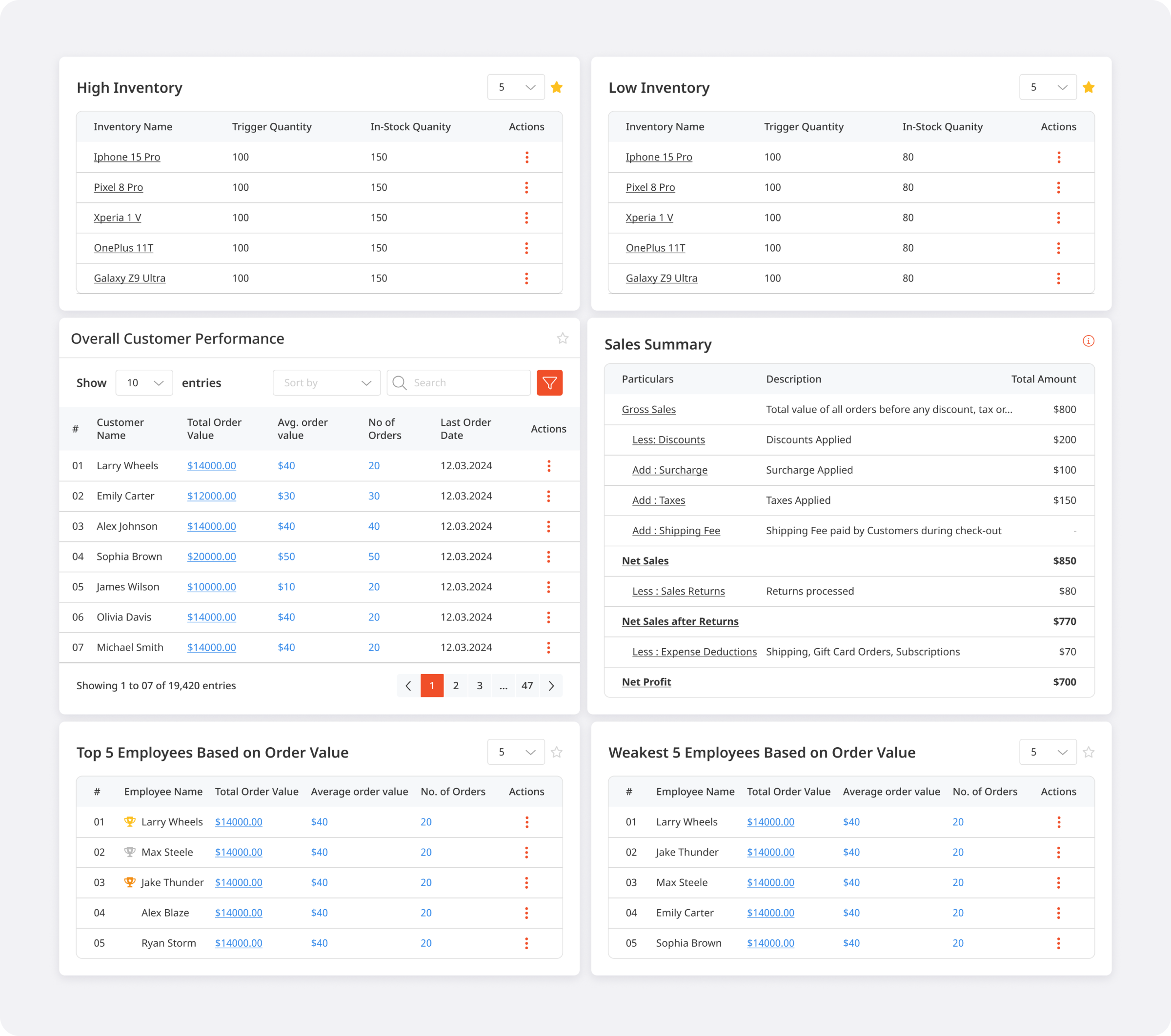
Technology is at the heart of Micro Fulfillment Centers. From AI and machine learning that predict demand to robotics that pick and pack orders, these centers are designed to be fully automated. The use of advanced technology ensures that MFCs can scale efficiently while maintaining low operational costs.
Additionally, MFCs can be integrated with a retailer’s existing online platform, making it easier to manage orders and inventory in real time. This seamless integration enhances both operational efficiency and the overall customer experience.
How Universell Can Help Retailers Optimize Fulfillment
While Micro Fulfillment Centers are revolutionizing the way retailers fulfill orders, having the right tools to manage inventory, customer data, and payments is equally important. Universell is an all-in-one platform that can help streamline your fulfillment processes, from inventory management to payment solutions.
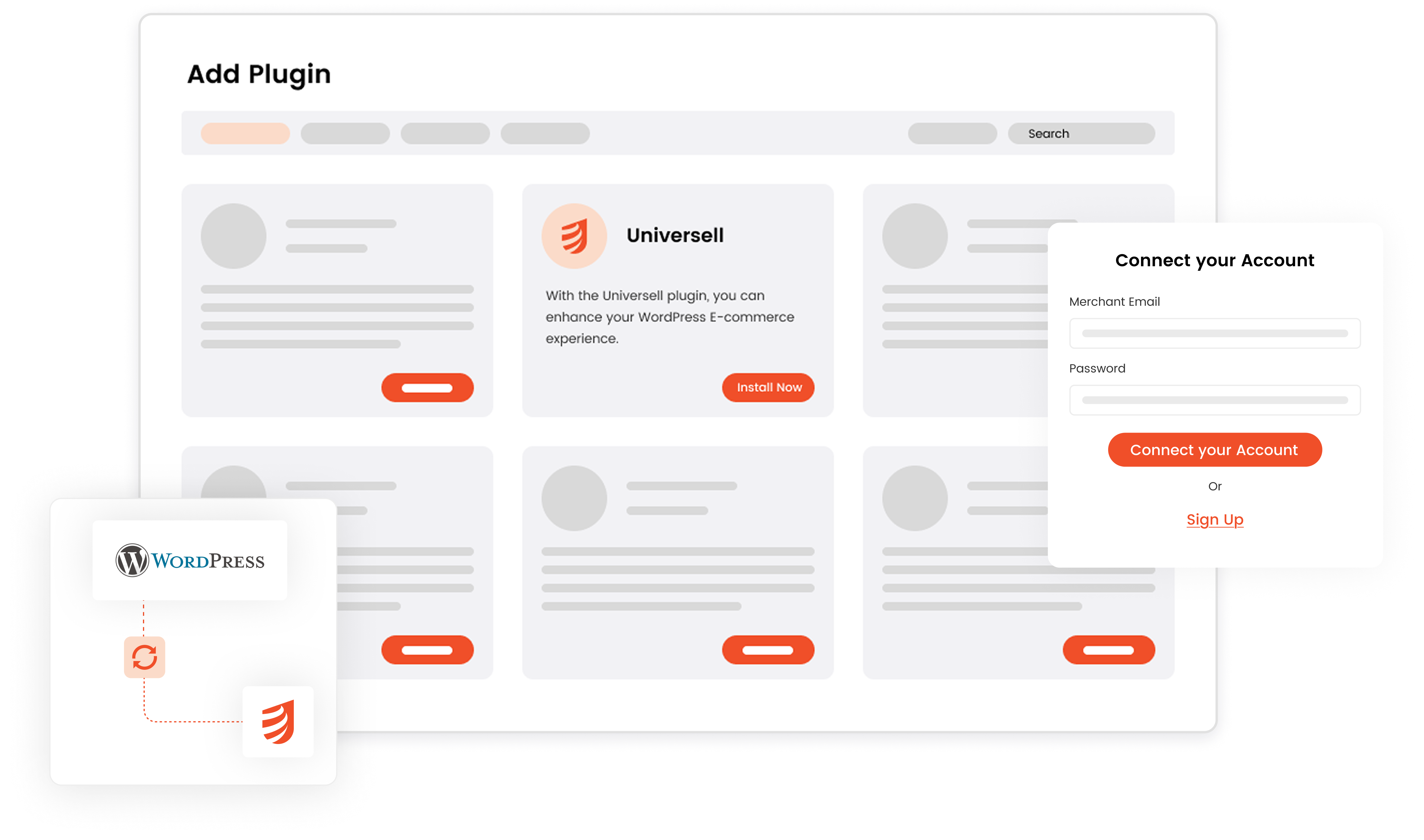
With Universell, retailers can integrate their MFC operations with monitoring inventory levels, and handle customer communication. The platform’s flexibility and scalability make it a perfect partner for retailers looking to optimize their fulfillment process and offer faster, more reliable service to their customers.
Visit www.universell.us to learn more about how our solutions can help you scale your business, improve fulfillment efficiency, and enhance customer satisfaction.
Hashtags:
#MicroFulfillment #RetailTech #SupplyChainOptimization #FastFulfillment #Ecommerce #CustomerExperience #RetailInnovation #Universell #ScalableBusiness #TechForRetail #FulfillmentEfficiency #RetailSolutions