
Feb, 22 2026
Protecting Profit Margins from Inventory Gaps
Inventory gaps – whether caused by stockouts or overstocking – quietly erode profit margins. While many businesses focus on increasing sales, fewer pay attention to how inventory imbalances directly impact revenue, cash flow, and operational efficiency. Protecting profit margins requires a proactive strategy that aligns inventory management with real-time demand, data visibility, and operational discipline.
Understanding Inventory Gaps
Inventory gaps occur when there is a mismatch between supply and demand. These gaps typically show up in two forms:
- Stockouts: When products are unavailable despite customer demand.
- Overstocking: When excess inventory ties up cash flow and increases holding costs.
Both scenarios reduce profitability. Stockouts lead to missed sales and frustrated customers, while overstocking increases storage costs, markdowns, and product obsolescence.
The Financial Impact of Stockouts
When a product is unavailable, the damage goes beyond a single lost sale. Customers may:
- Switch to competitors
- Lose trust in the brand
- Reduce repeat purchases
Additionally, emergency restocking often requires expedited shipping, which increases operational expenses. Over time, frequent stockouts weaken brand reputation and long-term revenue potential.
The Hidden Cost of Overstocking
Excess inventory may seem safer than running out of stock, but it comes at a cost:
- Increased warehousing and storage expenses
- Capital tied up in unsold products
- Higher risk of markdowns and obsolescence
- Cash flow constraints
Overstocking reduces financial flexibility and limits a business’s ability to invest in growth opportunities.
Real-Time Visibility as a Profit Strategy
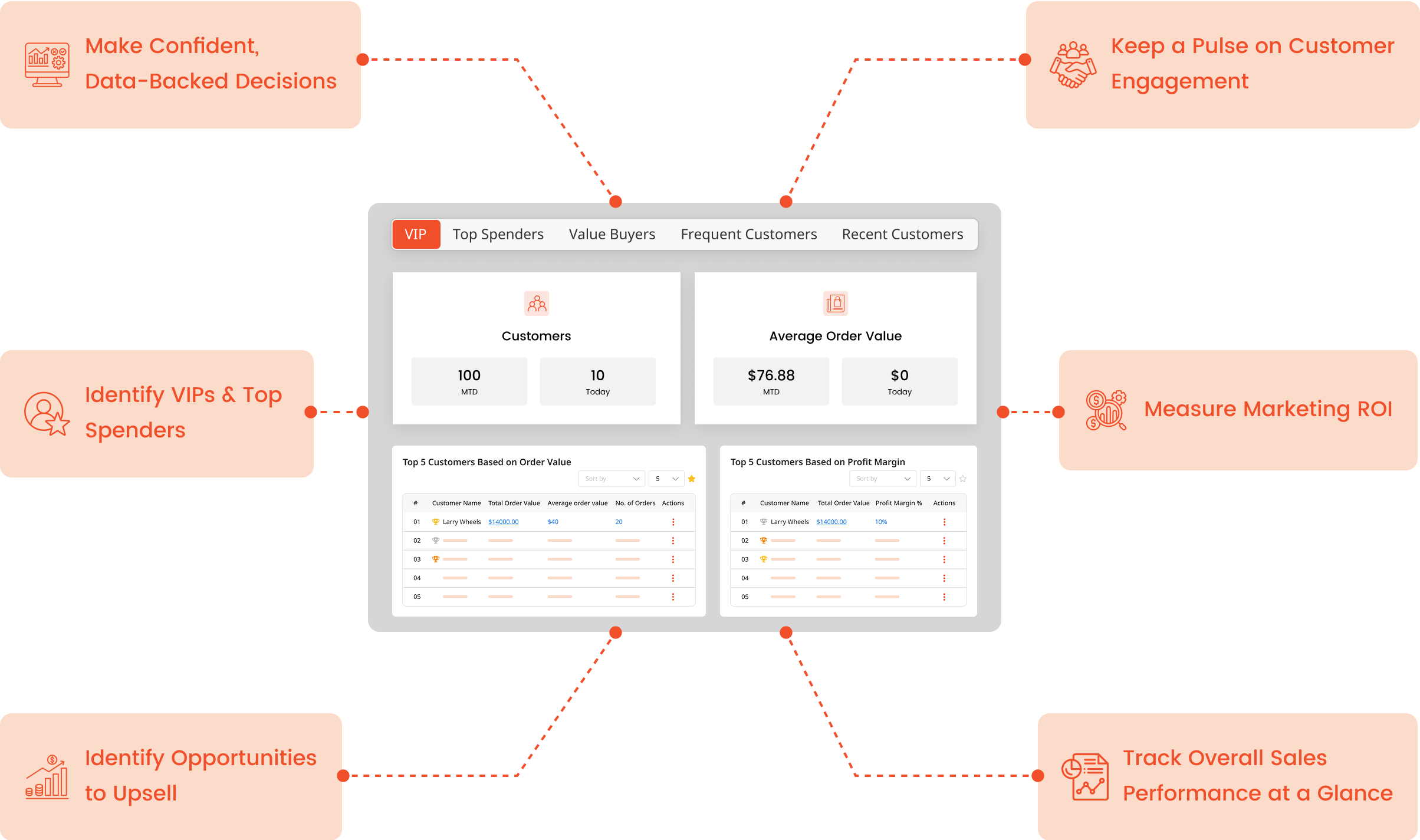
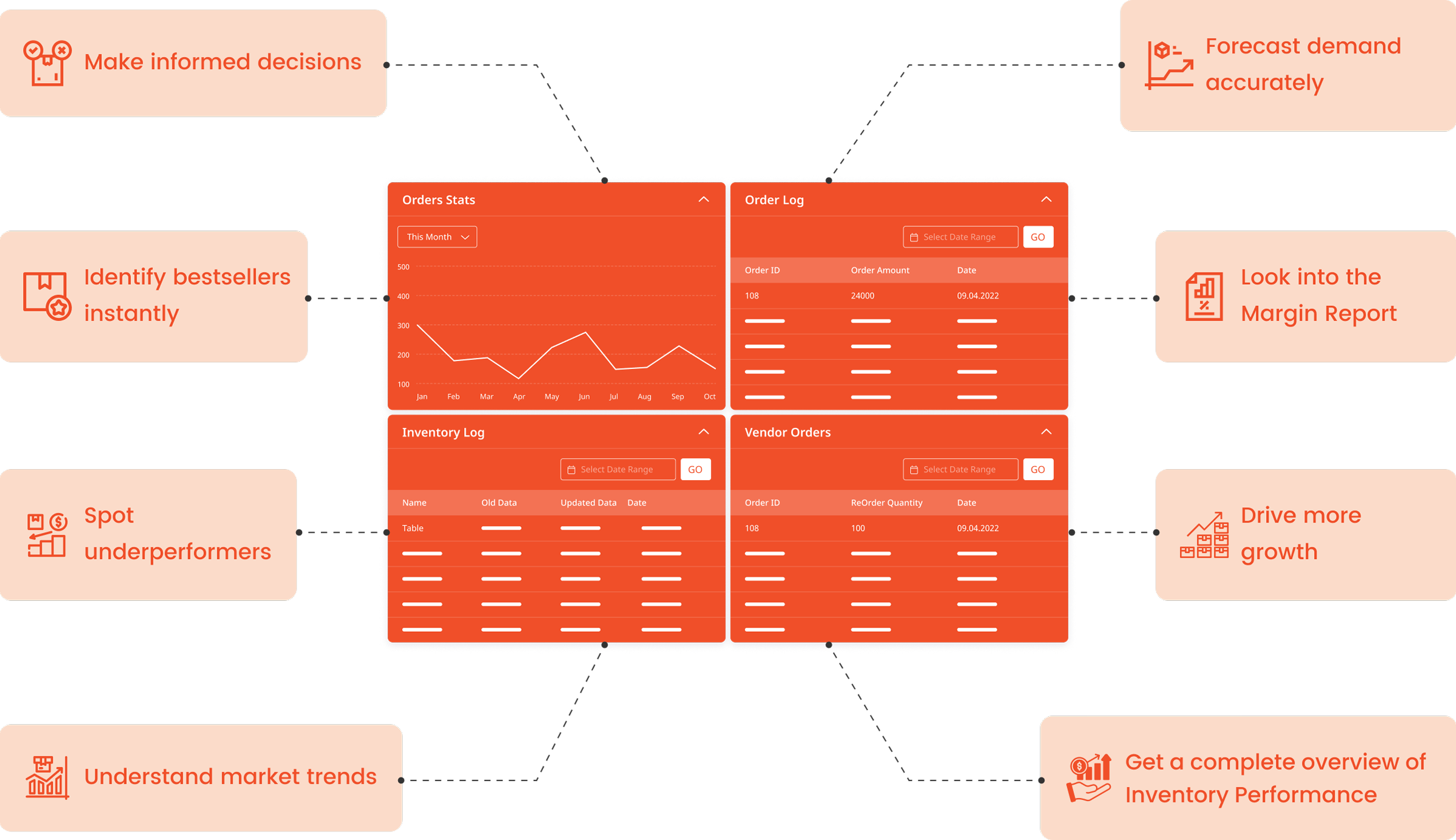
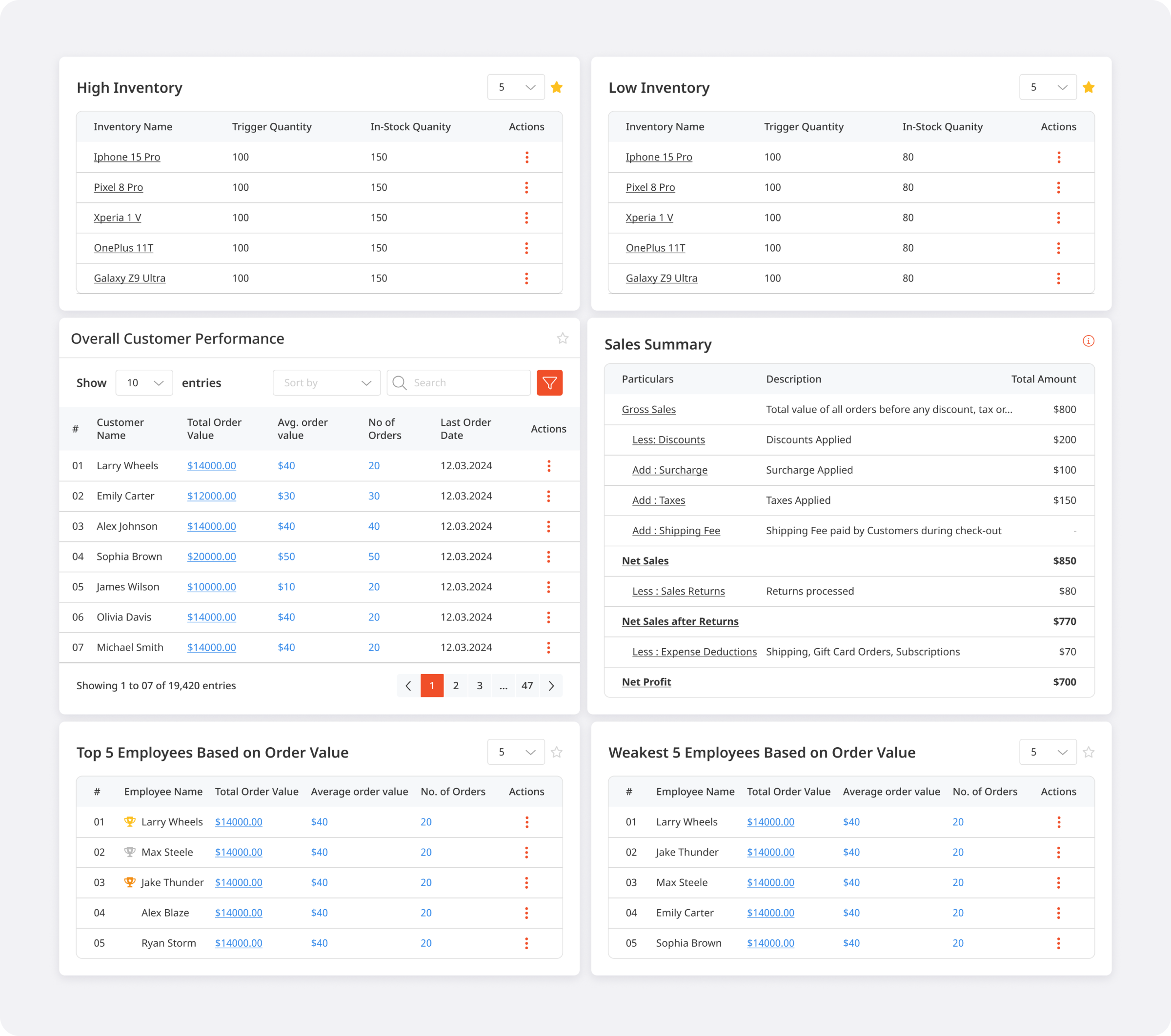
The most effective way to protect profit margins is through real-time inventory visibility. Businesses need immediate insight into:
- Stock levels across locations
- Sales trends and velocity
- Seasonal demand fluctuations
- Reorder thresholds
When inventory data is centralized and accurate, decision-makers can respond quickly to demand shifts and avoid costly imbalances.
Demand Forecasting and Predictive Planning
Historical sales data, seasonal patterns, and customer behavior analytics help businesses forecast demand more accurately. Predictive planning reduces guesswork and ensures purchasing decisions align with actual sales performance.
Better forecasting leads to:
- Fewer stockouts
- Reduced overstocking
- Improved inventory turnover
- Stronger cash flow management
Aligning Inventory with Marketing and Sales
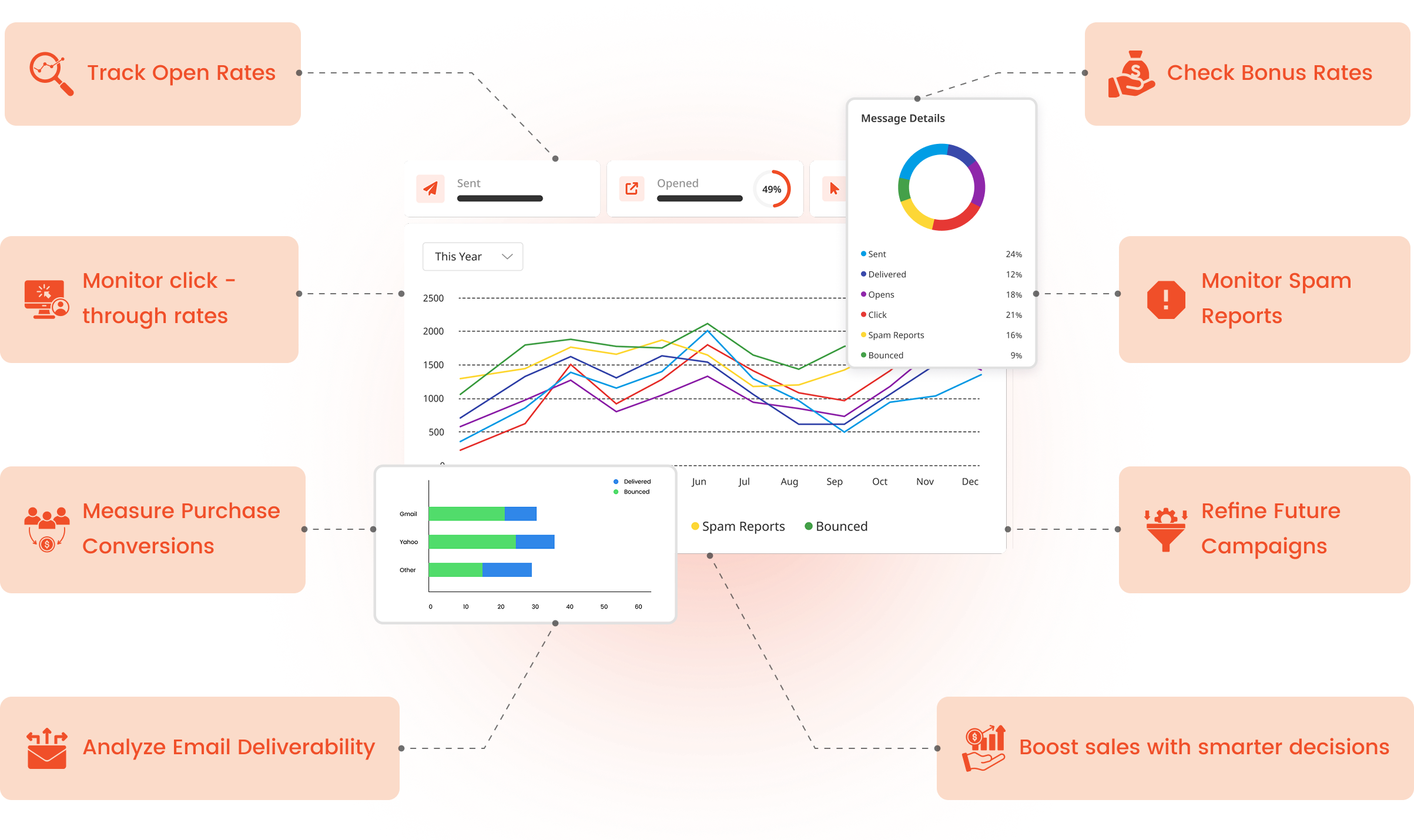
Promotions and campaigns can quickly create unexpected demand spikes. Without coordinated planning between marketing and inventory teams, businesses risk running out of stock during peak demand periods.
Synchronizing inventory data with sales and promotional planning ensures that product availability supports revenue-driving initiatives.
Automation Reduces Human Error
Manual inventory management increases the risk of miscounts, delayed updates, and reporting inconsistencies. Automated systems:
- Update stock levels in real time
- Trigger reorder alerts
- Sync online and offline sales channels
- Reduce reconciliation errors
Automation strengthens operational control and minimizes costly mistakes.
Building a Resilient Inventory Strategy
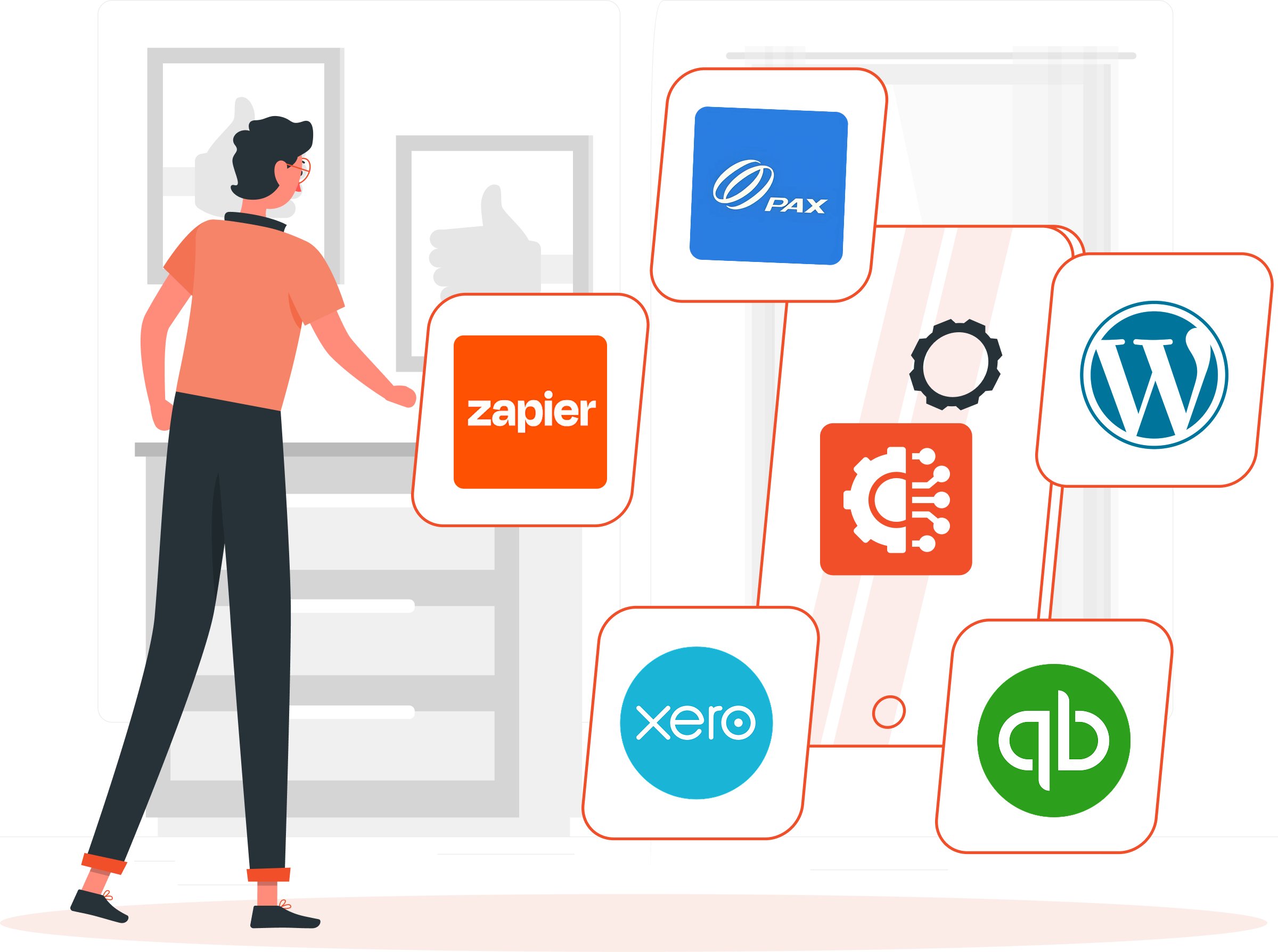
Protecting profit margins requires more than tracking stock. It requires a connected approach that integrates:
- Inventory management
- Sales reporting
- Customer demand data
- Supplier coordination
Businesses that unify these systems gain stronger visibility and tighter financial control.
Conclusion
Inventory gaps are more than operational issues – they are direct threats to profitability. Stockouts lead to missed revenue and customer dissatisfaction, while overstocking drains cash flow and increases risk. By leveraging real-time data, predictive forecasting, and automation, businesses can maintain balanced inventory levels and protect their margins.
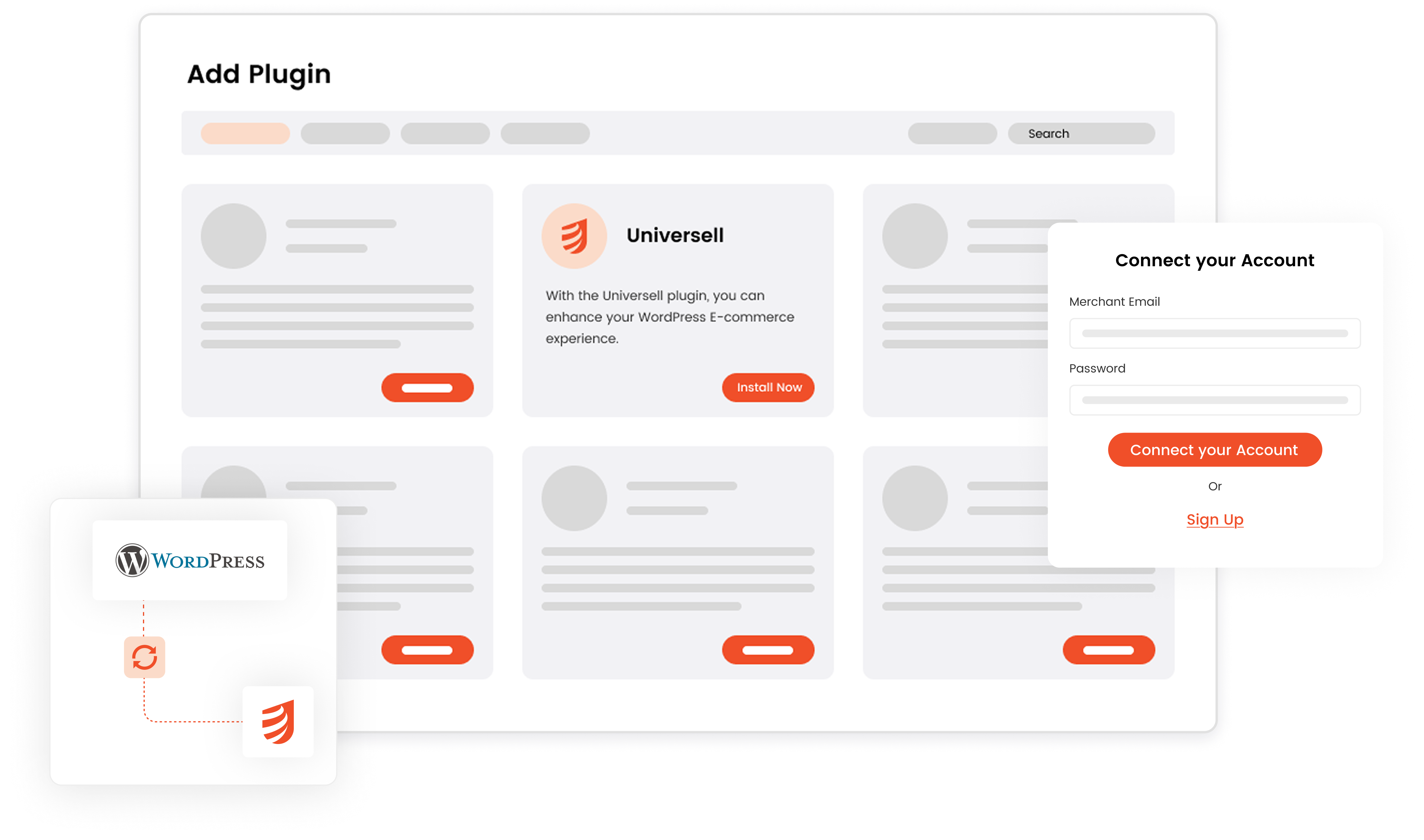
Universell helps businesses centralize inventory, sales, and operational data into one unified system. With real-time visibility and intelligent automation, Universell empowers companies to reduce inventory gaps, improve efficiency, and safeguard profitability.
Learn more at www.universell.us
#InventoryManagement #ProfitOptimization #RetailStrategy #BusinessAutomation #OperationalEfficiency #Universell