
Dec, 16 2025
Retailers Take Bold Steps to Neutralise Rising Costs
Retailers are operating in a difficult environment marked by persistent inflation, higher operating costs, and the growing impact of tariffs on imported goods. These pressures are squeezing margins and making it harder for businesses to maintain competitive pricing. Instead of relying on broad price increases, retailers are adopting smarter, more targeted strategies to reduce costs and protect profitability. Here are the five most effective steps retailers are taking to neutralise inflation and tariff drag.
1. Smarter, Diversified Sourcing
Inflation and tariffs have forced retailers to rethink traditional sourcing models. Many businesses are diversifying suppliers, shifting production to tariff-friendly countries, and negotiating better long-term contracts. Some are partnering with domestic manufacturers to stabilise supply and reduce dependence on high-tariff regions.
This diversified approach helps retailers avoid sudden cost spikes and maintain more consistent pricing, even during global trade shifts.
2. Tighter Inventory Control
With storage, transport, and warehousing costs rising, inventory has become a major expense. Holding too much stock ties up capital, while understocking leads to missed sales.
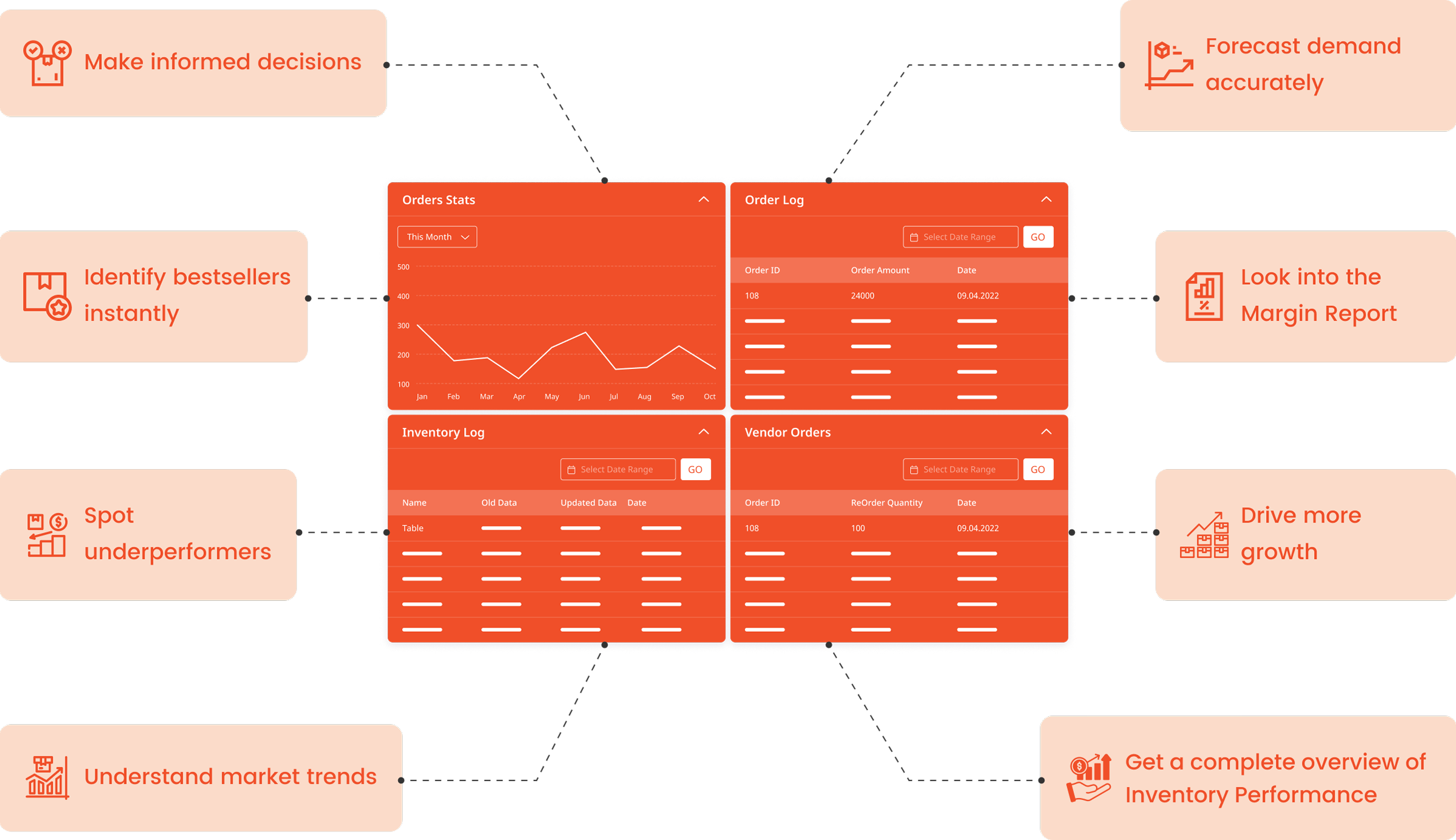
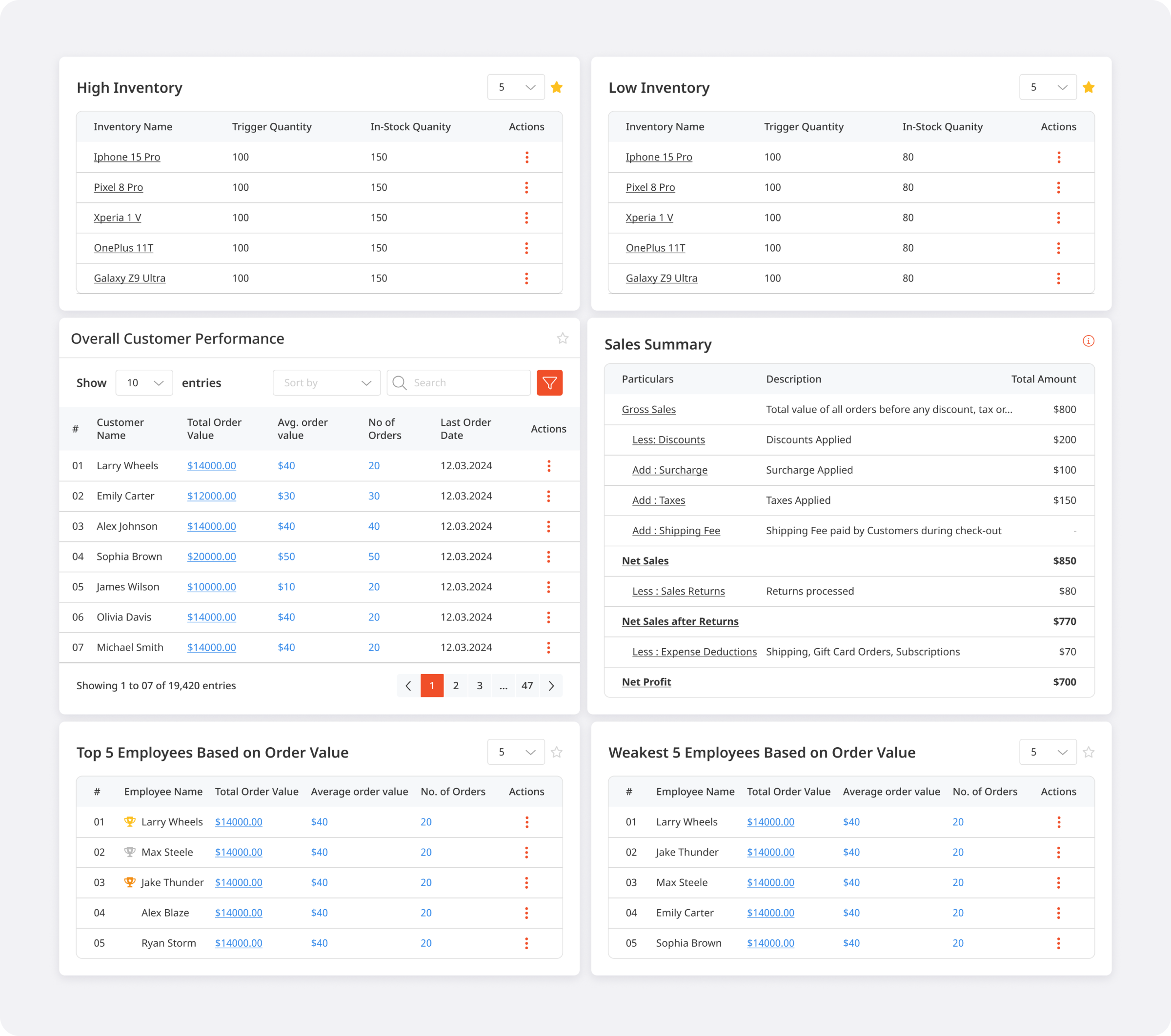
To balance both, retailers are using real-time inventory systems and demand forecasting tools to stock smarter – not more. These systems reduce excess stock, minimise markdowns, and prevent out-of-stock issues. Better inventory control directly improves cash flow and protects margins during inflation.
3. Strategic Price Adjustments
Instead of raising prices across the board, retailers are using selective pricing tactics such as:
- Small, targeted price increases
- Offering private-label alternatives
- Slightly reducing product sizes (shrinkflation)
These strategies help recover cost increases while maintaining customer trust. The goal is to preserve value perception, not overwhelm shoppers with sudden price jumps.
4. Leaner Operations Through Automation
Automation is becoming one of the strongest tools against inflation. Retailers are adopting automated POS systems, digital scheduling, self-checkout options, and AI-powered analytics to reduce manual work and streamline operations.
By running leaner, retailers can absorb rising costs without heavily passing them on to customers. Automation also improves accuracy and frees staff to focus on customer experience.
5. Value-Driven Promotions
Customers are more price-sensitive than ever, so retailers are leaning on promotions that highlight value rather than deep discounts. Loyalty rewards, cashback, bundles, and buy-more-save-more offers help boost sales while keeping margins intact. These value-focused strategies strengthen customer loyalty even in a tougher economic climate.
Retailers are responding to inflation and tariffs with innovation, efficiency, and smarter strategies. The businesses that adapt quickest are the ones staying competitive.
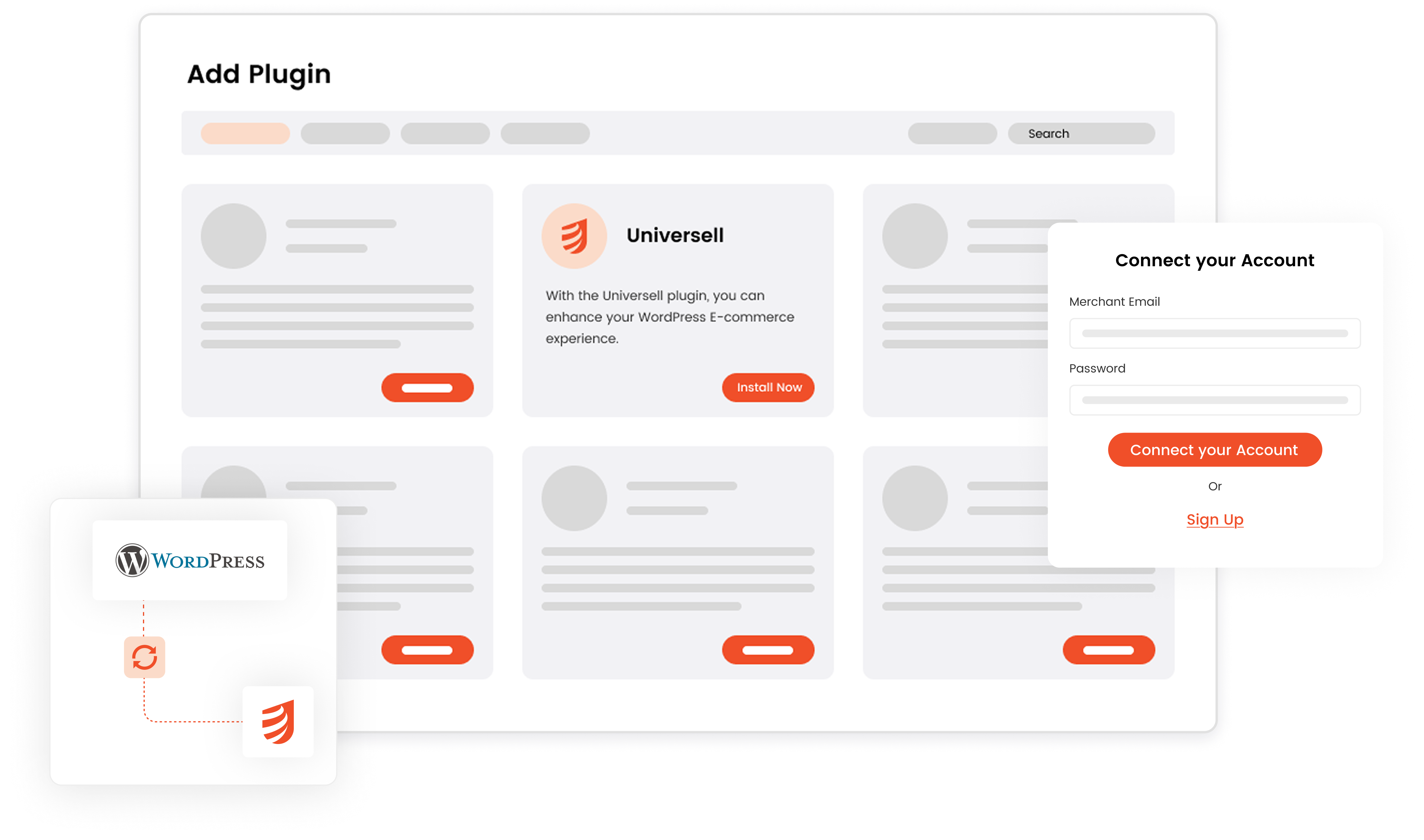
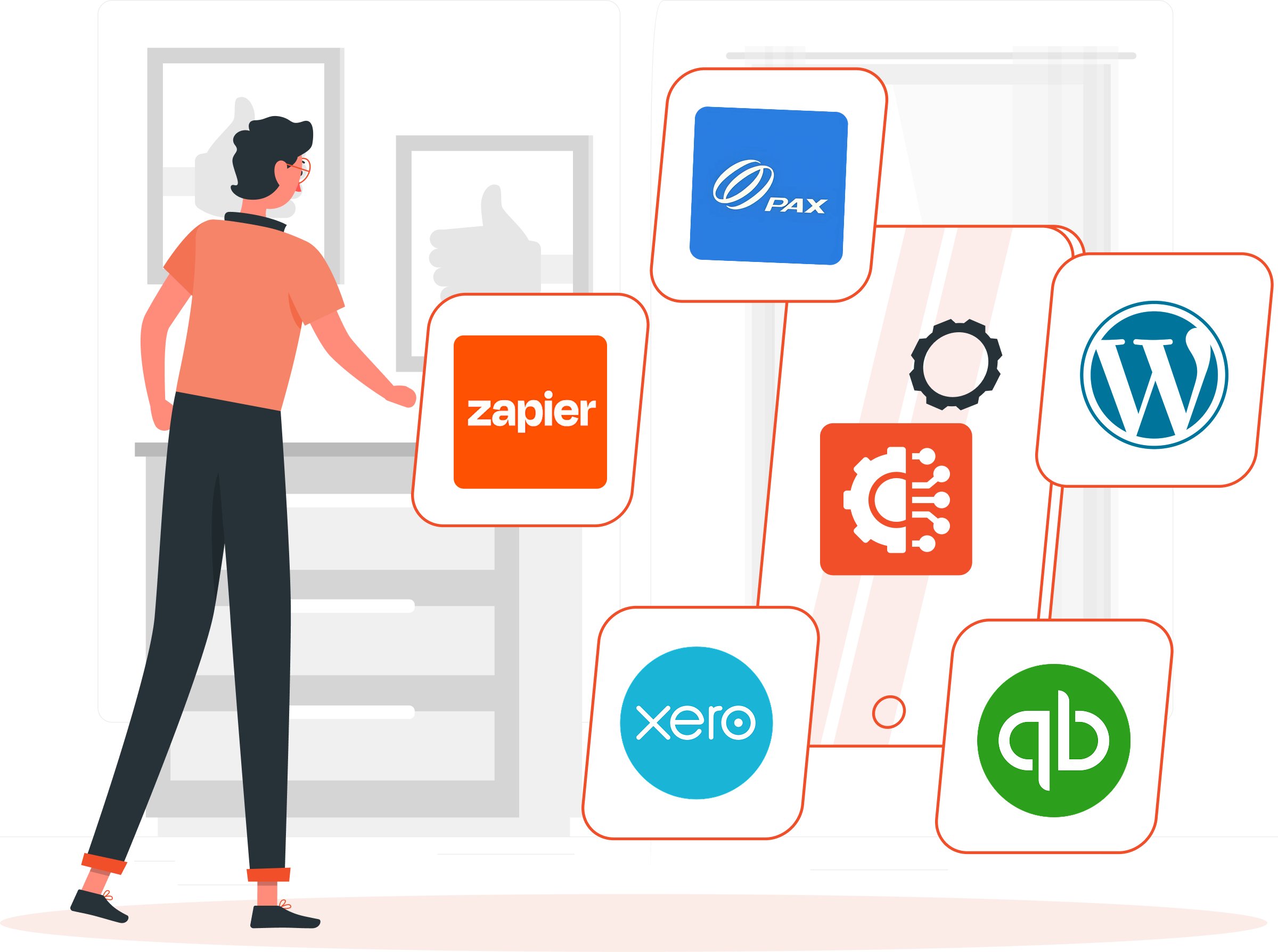
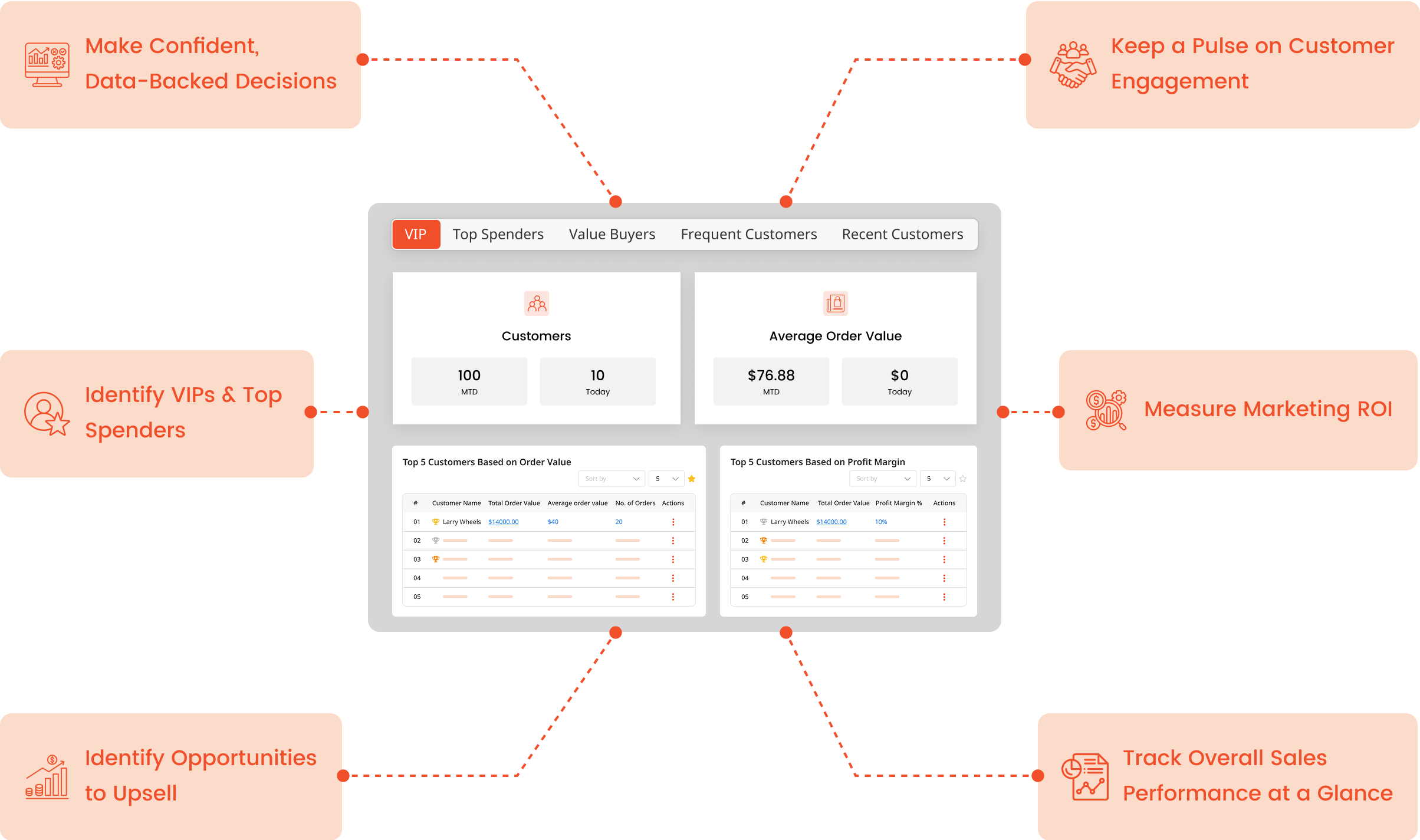
The Universell Platform helps retailers streamline POS, CRM, inventory, and operations in one place – reducing costs and boosting efficiency even during inflation.
Explore Universell www.universell.us
#RetailNews #RetailGrowth #RetailManagement #RetailTechnology #RetailTrends #Universell #RetailInnovation