
Feb, 13 2026
Setting Up E-Commerce Analytics for Better Decisions
E-commerce businesses are constantly evolving, and the key to staying competitive lies in making informed decisions based on solid data. E-commerce analytics provides valuable insights into customer behavior, sales trends, and website performance, all of which can be used to optimize the shopping experience, increase conversions, and boost revenue. Setting up e-commerce analytics may seem daunting, but with the right tools and approach, it becomes a powerful asset for decision-making. Here’s how to set up e-commerce analytics effectively for better business decisions.
1. Choose the Right Analytics Tool
The first step to implementing e-commerce analytics is selecting the right analytics tool. The tool you choose will determine the depth of data you can collect and the ease with which you can analyze it. Google Analytics is one of the most widely used platforms and offers robust features for tracking sales, customer behavior, and site performance. Other specialized tools like Shopify Analytics, Adobe Analytics, or Kissmetrics might be more suited to your business depending on your needs.
2. Define Key Metrics (KPIs)
Key performance indicators (KPIs) are the metrics that allow you to measure the success of your e-commerce store. Before setting up your analytics tool, define the KPIs that are most important to your business. Common e-commerce KPIs include:
- Conversion Rate: The percentage of website visitors who complete a purchase.
- Average Order Value (AOV): The average amount customers spend per transaction.
- Customer Lifetime Value (CLV): The total revenue generated from a customer over the course of their relationship with your brand.
- Cart Abandonment Rate: The percentage of users who add items to their cart but don’t complete the purchase.
- Traffic Sources: Where your website visitors are coming from (e.g., organic search, paid ads, social media).
By focusing on these metrics, you can assess the effectiveness of your marketing strategies, identify areas of improvement, and prioritize actions that will have the most significant impact on your business’s bottom line.
3. Segment Your Audience
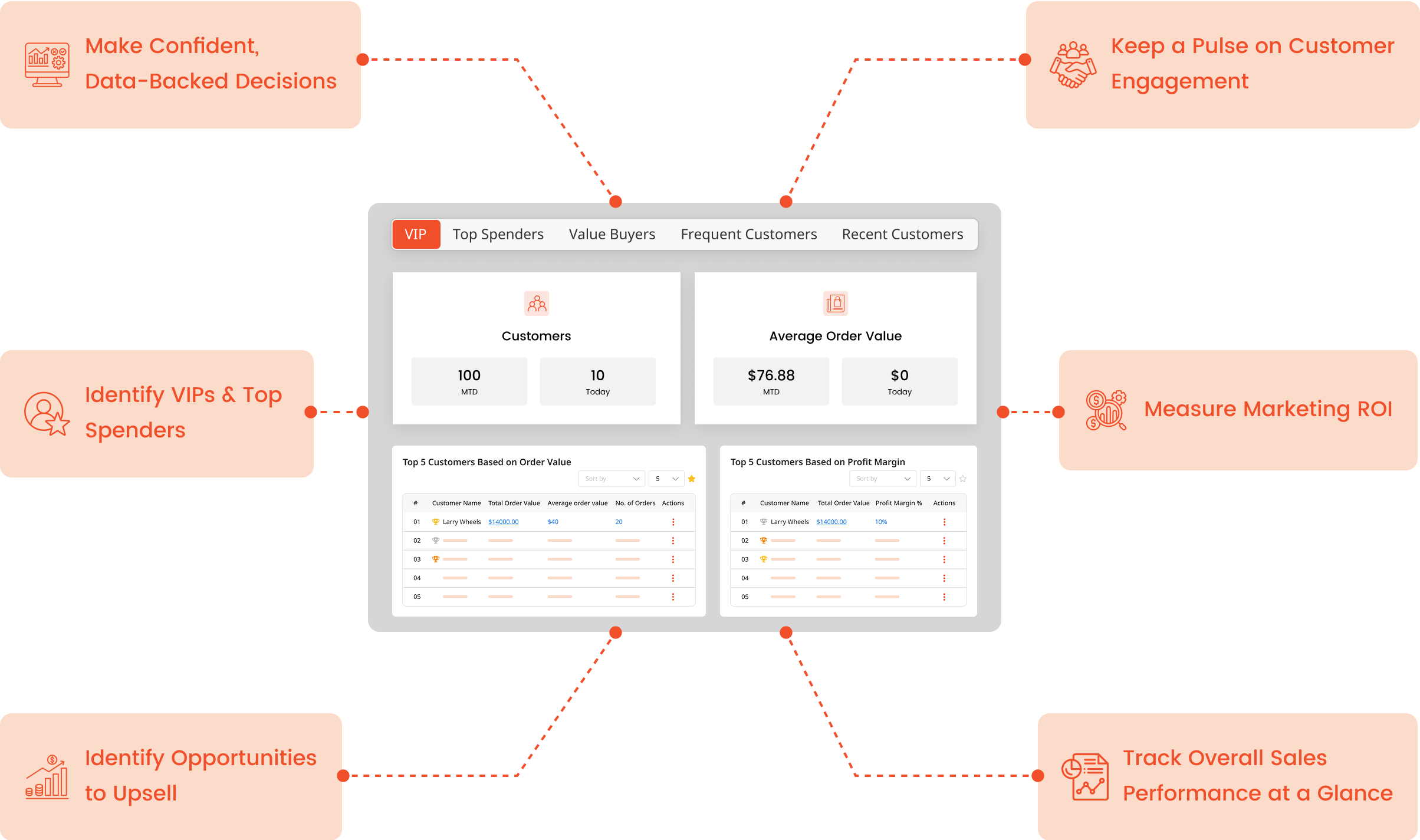
Understanding your customers is essential for tailoring marketing efforts and improving conversions. With e-commerce analytics, you can segment your audience based on different factors such as demographics, behaviors, or traffic sources. Audience segmentation enables you to create personalized campaigns that speak directly to specific groups.
For example, you might segment your audience by:
- Location: Target customers in specific regions with region-specific offers.
- Device: Offer mobile-optimized content and promotions for mobile shoppers.
- Traffic Source: Tailor campaigns for visitors coming from organic search, paid ads, or social media.
4. Track Customer Behavior
Customer behavior analytics provides insights into how visitors interact with your website, helping you identify opportunities to optimize the user experience. Key metrics to monitor include:
- Bounce Rate: The percentage of visitors who leave your website after viewing only one page. A high bounce rate may indicate that your landing pages aren’t engaging or relevant to your audience.
- Average Session Duration: How long customers spend on your site. The longer they stay, the more likely they are to convert.
- Exit Pages: The pages where visitors are leaving your site. If customers consistently exit from a particular page, you may need to optimize it to keep them engaged.
Tracking customer behavior helps you pinpoint areas where visitors might be encountering obstacles, whether it’s slow load times, confusing navigation, or irrelevant content. By addressing these issues, you can improve the overall shopping experience, reduce bounce rates, and increase conversions.
5. Leverage Product Performance Data
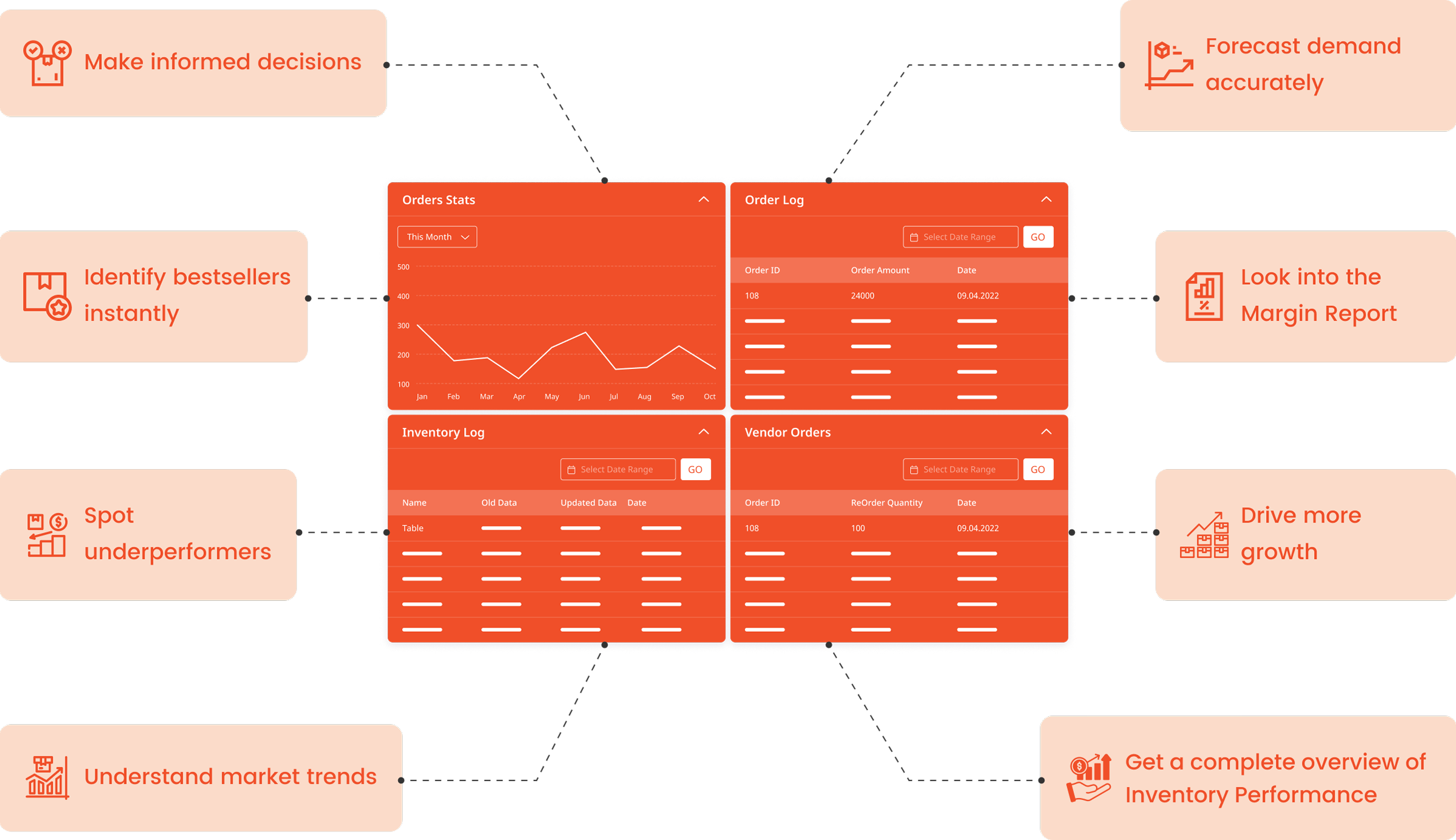
Product performance analytics enables you to identify which products are selling well and which are underperforming. By analyzing metrics like product views, add-to-cart actions, and purchase rates, you can gain valuable insights into customer preferences and make data-driven decisions about your inventory and marketing strategies.
6. Use A/B Testing
A/B testing, also known as split testing, allows you to test different variations of a webpage, product page, or campaign to see which version performs better. For example, you could test different call-to-action (CTA) buttons, product images, or discount offers. By comparing the performance of two variations, you can determine which one resonates more with your audience and leads to higher conversions.
A/B testing is an essential tool for optimizing the user experience on your site. It helps you make data-driven decisions about design and functionality, ensuring that your website is as effective as possible in converting visitors into customers.
Conclusion
Setting up e-commerce analytics is an essential step in making informed, data-driven decisions that improve your online store’s performance. By choosing the right analytics tool, defining key metrics, segmenting your audience, tracking customer behavior, leveraging product performance data, and using A/B testing, you can optimize every aspect of your business. With the right analytics setup, you can make smarter decisions that lead to better customer experiences, higher conversions, and sustained business growth.
Universell offers powerful e-commerce analytics solutions to help businesses make smarter, data-driven decisions.
Learn more at www.universell.us
#Universell #EcommerceAnalytics #DataDrivenDecisions #OnlineStoreOptimization #EcommerceGrowth #BusinessInsights