
Apr, 06 2026
Streamlining Customer Follow-Ups with CRM Automation
Building strong relationships with customers is essential for business success. One key aspect of maintaining these relationships is ensuring timely follow-ups. However, manually tracking every customer and following up individually can be tedious and inefficient. This is where Customer Relationship Management (CRM) systems come in.
CRM systems allow businesses to automate customer follow-ups, ensuring consistency, reducing manual effort, and enhancing customer satisfaction. Let’s explore how to automate customer follow-ups using CRM systems and the benefits they bring.
What is CRM Automation?
CRM automation refers to using technology to manage customer interactions and automate tasks such as sending follow-up emails, reminders, and notifications. These tasks are triggered by specific customer actions, like a purchase, an inquiry, or an abandoned cart. By automating follow-ups, businesses can ensure that all customers receive timely communication without any manual intervention.
Why Automate Customer Follow-Ups?
- Consistency: Automation ensures every customer is contacted at the right time, regardless of how many interactions you have. Consistent communication builds trust and strengthens customer relationships.
- Time-Saving: With CRM automation, follow-up tasks are handled automatically, saving your team time. This allows your team to focus on higher-priority tasks like strategic planning.
- Personalization: CRM systems enable customer segmentation based on behaviors and preferences. This allows businesses to send personalized messages, enhancing engagement and customer satisfaction.
- Improved Retention: Regular and personalized follow-ups make customers feel valued, which improves retention and loyalty over time.
- Increased Efficiency: CRM automation allows businesses to manage larger volumes of customers, ensuring that follow-ups are timely and efficient.
Steps to Automate Customer Follow-Ups Using CRM Systems
1. Choose the Right CRM Software
The first step is to select a CRM that offers automation features like task reminders, email marketing, and customer segmentation. Popular platforms such as HubSpot, Salesforce, and Zoho CRM provide these capabilities.
2. Segment Your Customer Base
Effective follow-ups depend on understanding your customers. Use your CRM to segment your customer base by:
- Purchase History: Tailor follow-ups for recent buyers or repeat customers.
- Engagement: Differentiate between active customers and those who haven’t interacted recently.
- Demographics: Segment by location, age, etc., for more targeted messages.
This segmentation ensures follow-ups are relevant and personalized.
3. Set Follow-Up Triggers
CRM systems allow you to set up triggers that automatically initiate follow-ups based on specific customer actions. These triggers can include:
- Post-Purchase Follow-Ups: Send a thank-you email or ask for feedback.
- Abandoned Cart Reminders: Automatically remind customers to complete their purchases.
- Customer Service Check-Ins: Follow up with customers after a service interaction to ensure satisfaction.
These triggers ensure that follow-ups are timely and relevant, without manual effort.
4. Create Email Templates and Automate Workflows
Once your CRM is set up, create email templates for follow-ups. These templates can include:
- Personalized Greetings: Use the customer’s name and refer to previous interactions.
- Relevant Offers: Recommend products based on past purchases.
- Clear CTAs: Direct customers to take the next step, like providing feedback or making another purchase.
Set up workflows that automatically send these emails based on the triggers, streamlining the entire follow-up process.
5. Monitor and Optimize
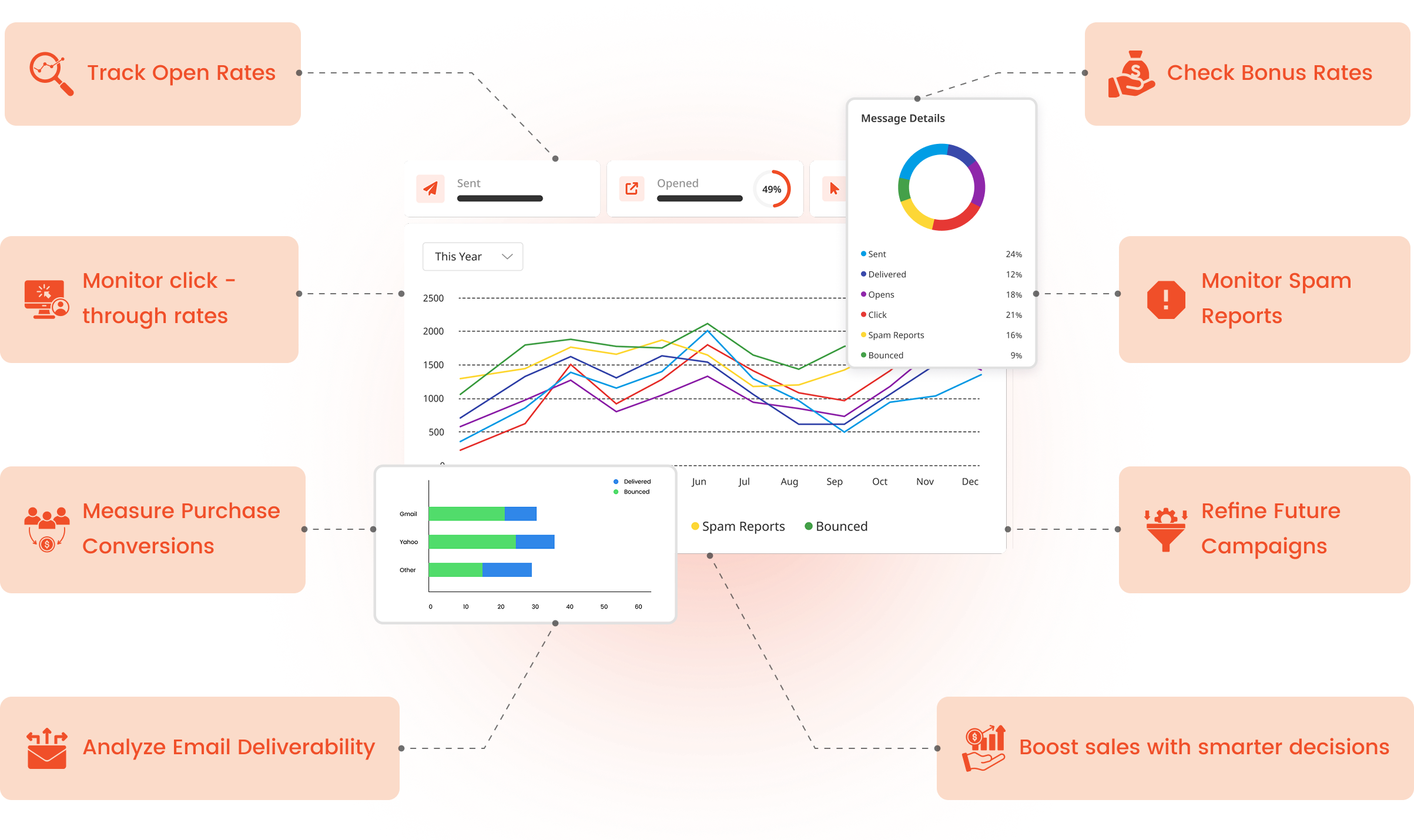
After automation is in place, monitor its performance using the CRM’s analytics tools. Track metrics such as open rates, click-through rates, and customer responses. Based on this data, optimize your follow-up strategy by adjusting email content, timing, and segmentation.
Best Practices for Automating Customer Follow-Ups
- Personalize Communication: Use data to tailor follow-up emails, making them more relevant to the customer.
- Timeliness is Key: Set your CRM to send follow-ups promptly—typically within 24-48 hours of an interaction.
- Regular Testing and Optimization: Continuously test your automated emails and workflows to see what works best.
Conclusion
Automating customer follow-ups using CRM systems is an essential strategy for businesses that want to enhance customer engagement, increase retention, and improve efficiency. By selecting the right CRM, segmenting your audience, setting triggers, and optimizing workflows, you can ensure that every customer interaction is timely and personalized.
CRM automation not only saves time and reduces errors but also helps businesses build stronger customer relationships. Start automating your follow-ups today and enjoy the benefits of more effective communication and business growth.
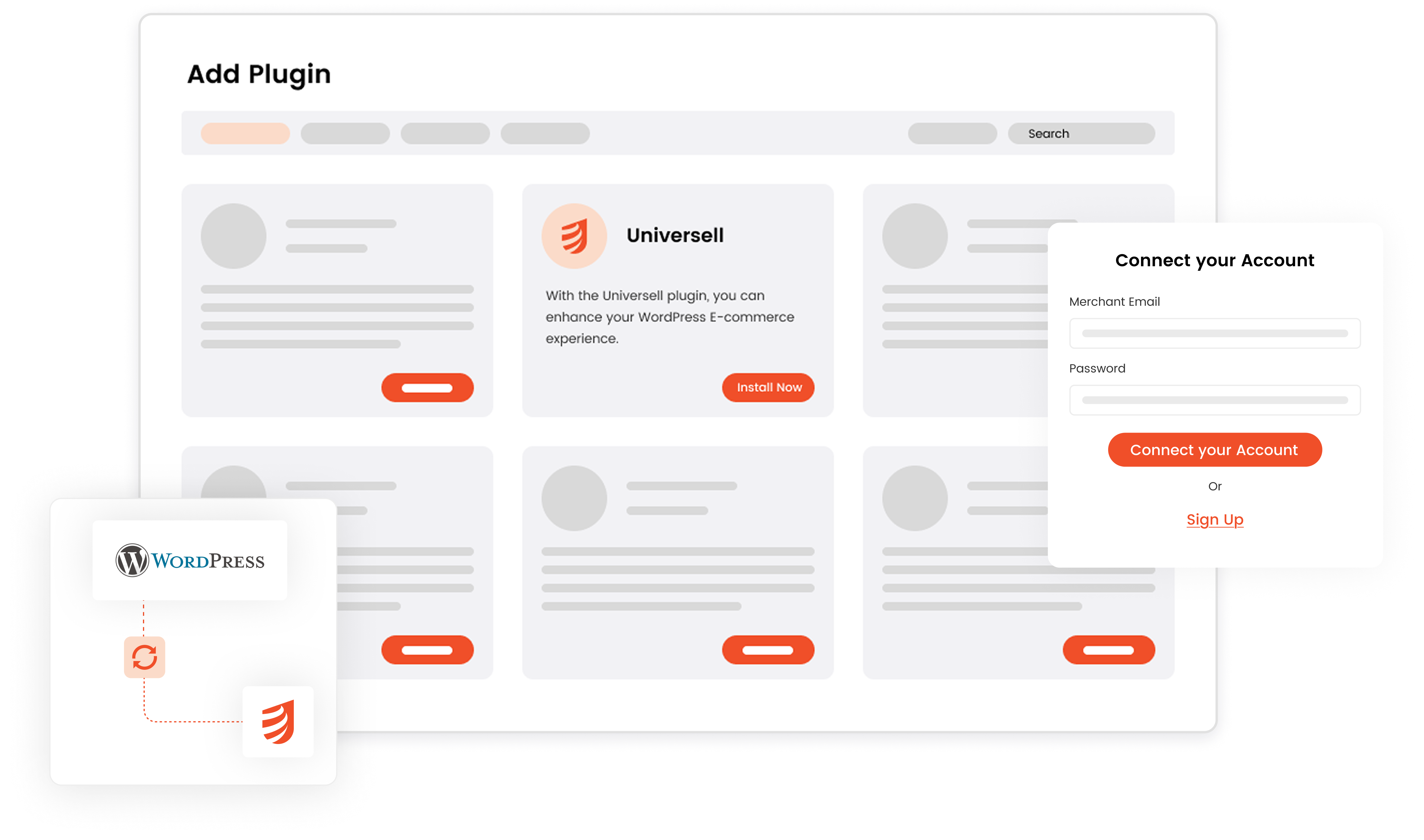
Universell offers an advanced CRM system that can help streamline your customer follow-up processes. Learn more at www.universell.us.
#Universell #CRMAutomation #CustomerRetention #CustomerEngagement #BusinessGrowth