
Jan, 11 2026
The Role of AI in Automating Customer Segmentation
Understanding your customers and delivering tailored marketing strategies is key to business success. One of the most effective ways to target the right audience with personalized offers and content is through customer segmentation. While traditionally time-consuming, artificial intelligence (AI) is revolutionizing this process, making it more accurate, efficient, and scalable.
What is Customer Segmentation?
Customer segmentation involves dividing your customer base into distinct groups based on shared characteristics, behaviors, or needs. These segments allow businesses to deliver personalized messages, improving engagement, conversions, and satisfaction. Traditionally, segmentation was based on basic factors like demographics (age, gender, location). However, today’s businesses use more sophisticated methods to engage their audience.
How AI is Revolutionizing Customer Segmentation
AI is transforming customer segmentation by processing vast amounts of data and identifying patterns that human analysts might miss. By automating this process, AI enables businesses to handle complex segmentation tasks more quickly and accurately than before. Here’s how AI plays a key role in segmentation:
1. Data-Driven Insights
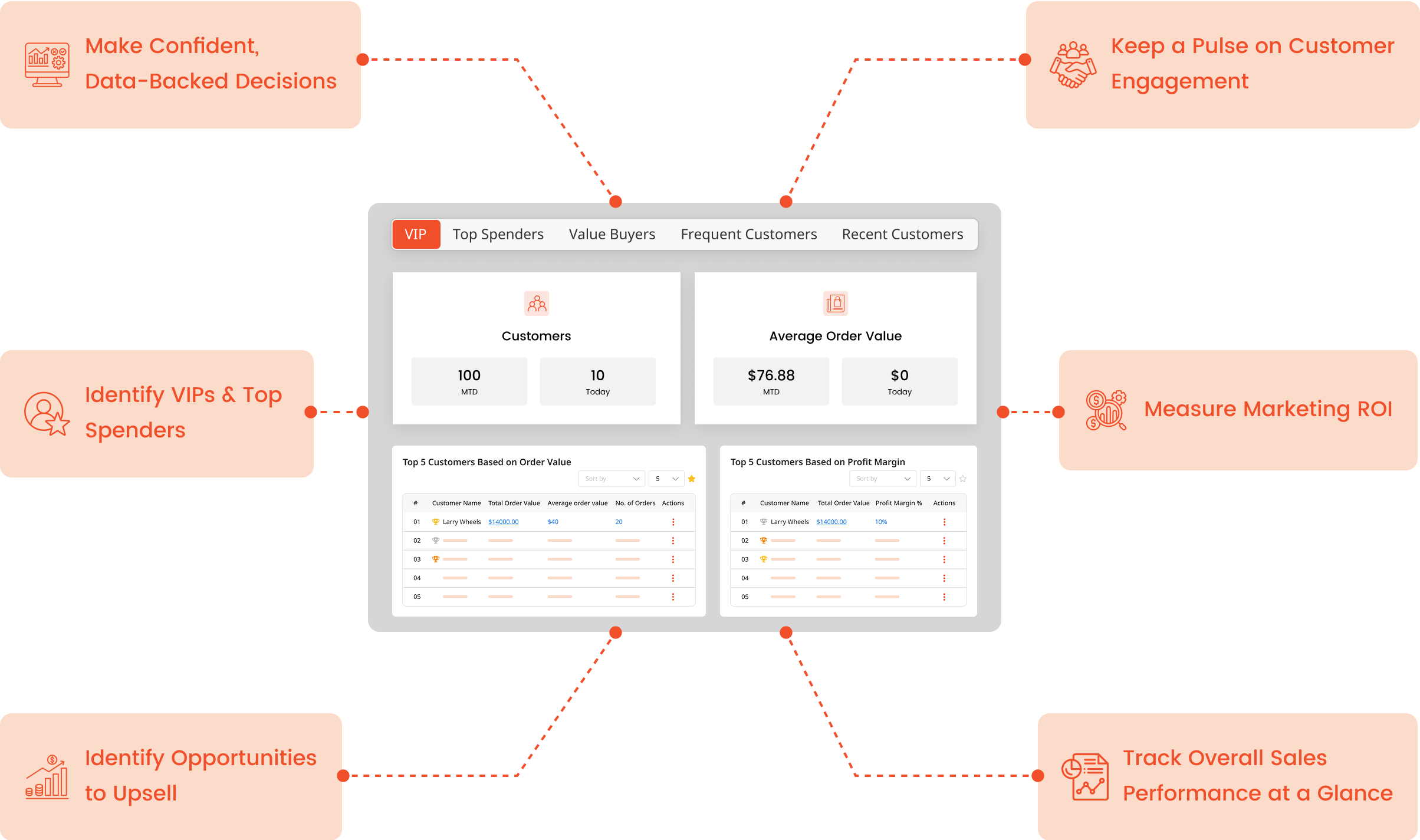
AI can analyze large datasets in real time, revealing hidden patterns across customer bases. By processing data such as purchase history, interactions, and social media activity, AI helps businesses identify high-value customers, predict future behaviors, and uncover new segments. For instance, AI can predict which products customers are likely to buy, creating more accurate segments for targeted marketing.
2. Advanced Behavioral Segmentation
Traditional segmentation often uses demographic factors, but AI goes deeper by analyzing behavioral data such as:
- Purchase History: Tracking customers’ buying habits and frequency.
- Website Interaction: Observing how customers engage with your site.
- Engagement Patterns: Analyzing how customers respond to emails and social media posts.
By considering these behavioral patterns, AI enables businesses to create highly personalized campaigns that resonate with specific groups.
3. Dynamic Segmentation
Unlike traditional segmentation, which often relies on static groups, AI-powered tools adjust segments continuously based on new data. For example, AI automatically updates segments when customers change their buying behavior, ensuring that businesses always target the right audience with relevant offers.
4. Personalized Marketing Campaigns
AI allows businesses to personalize their marketing campaigns based on detailed insights into customer preferences. By automating segmentation, AI ensures that businesses can deliver highly targeted campaigns with greater chances of success. Personalized emails, product recommendations, and advertisements help build customer loyalty.
5. Cost and Time Efficiency
AI reduces the time and effort required for segmentation, freeing up resources for other tasks. It also ensures that marketing budgets are used more efficiently by focusing on the most promising segments, leading to a better return on investment.
Conclusion
AI is revolutionizing customer segmentation by automating data analysis and delivering personalized marketing. It helps businesses improve engagement, save time, and boost sales. By embracing AI-powered segmentation, businesses can optimize marketing campaigns and stay competitive in today’s data-driven world.
Universell offers AI-driven tools for seamless customer segmentation, helping businesses optimize their marketing efforts with smart automation.
Learn more at www.universell.us.
#CustomerSegmentation #AI #MarketingAutomation #BusinessGrowth #Universell #DataDriven #AIInBusiness #MarketingStrategy