
Apr, 08 2026
The Role of CRM in Managing B2B Relationships
Managing strong, long-lasting B2B (business-to-business) relationships is essential for sustainable business success. In a competitive landscape, businesses need tools that help streamline processes, improve communication, and create personalized experiences for their clients. CRM (Customer Relationship Management) systems provide these capabilities, playing a crucial role in managing B2B relationships effectively.
CRM systems help businesses centralize client data, track leads, and enhance customer engagement. By offering automated workflows and providing valuable insights, CRM systems enable businesses to build deeper, more meaningful relationships with clients. Below are the key ways CRM contributes to managing B2B relationships.
1. Centralized Data Management
CRM systems consolidate client data into a single location, making it easy for businesses to track interactions, manage contacts, and access relevant details. In B2B settings, businesses often interact with multiple stakeholders within a client organization. With CRM, all information, such as contact details, transaction history, and communication records, is stored in one place. This centralization ensures that sales, marketing, and customer service teams have consistent and up-to-date information, improving collaboration and decision-making across departments.
2. Better Lead and Opportunity Management
Effective lead management is critical in B2B sales. A CRM system enables businesses to manage and track leads based on their stage in the sales funnel. By automating follow-ups, task assignments, and reminders, CRM systems ensure that no lead is missed. This organization allows sales teams to prioritize high-value opportunities, helping businesses move prospects through the sales pipeline more efficiently and increase the chances of closing deals. Well-managed opportunities translate into stronger client relationships and long-term business growth.
3. Personalized Customer Experience
Personalization is at the core of B2B relationships. CRM systems provide businesses with valuable insights into client preferences, behaviors, and past interactions. By using this data, businesses can offer tailored solutions and communications, ensuring that their messaging is relevant and meaningful. For example, if a client has shown interest in a specific product, CRM can automatically suggest similar offerings, creating a customized experience. Personalized interactions help foster trust and loyalty, which are essential for retaining clients and building long-term business partnerships.
4. Effective Communication and Collaboration
In B2B environments, communication between teams such as sales, customer service, and marketing is crucial. A CRM system allows all teams to access the same client information, ensuring consistent communication. Whether it’s a follow-up email, a sales pitch, or customer support, CRM enables teams to be aligned and respond promptly to client needs. This improved communication strengthens relationships with clients, as they feel that everyone in the business is on the same page, creating a seamless experience.
5. Performance Analytics and Reporting
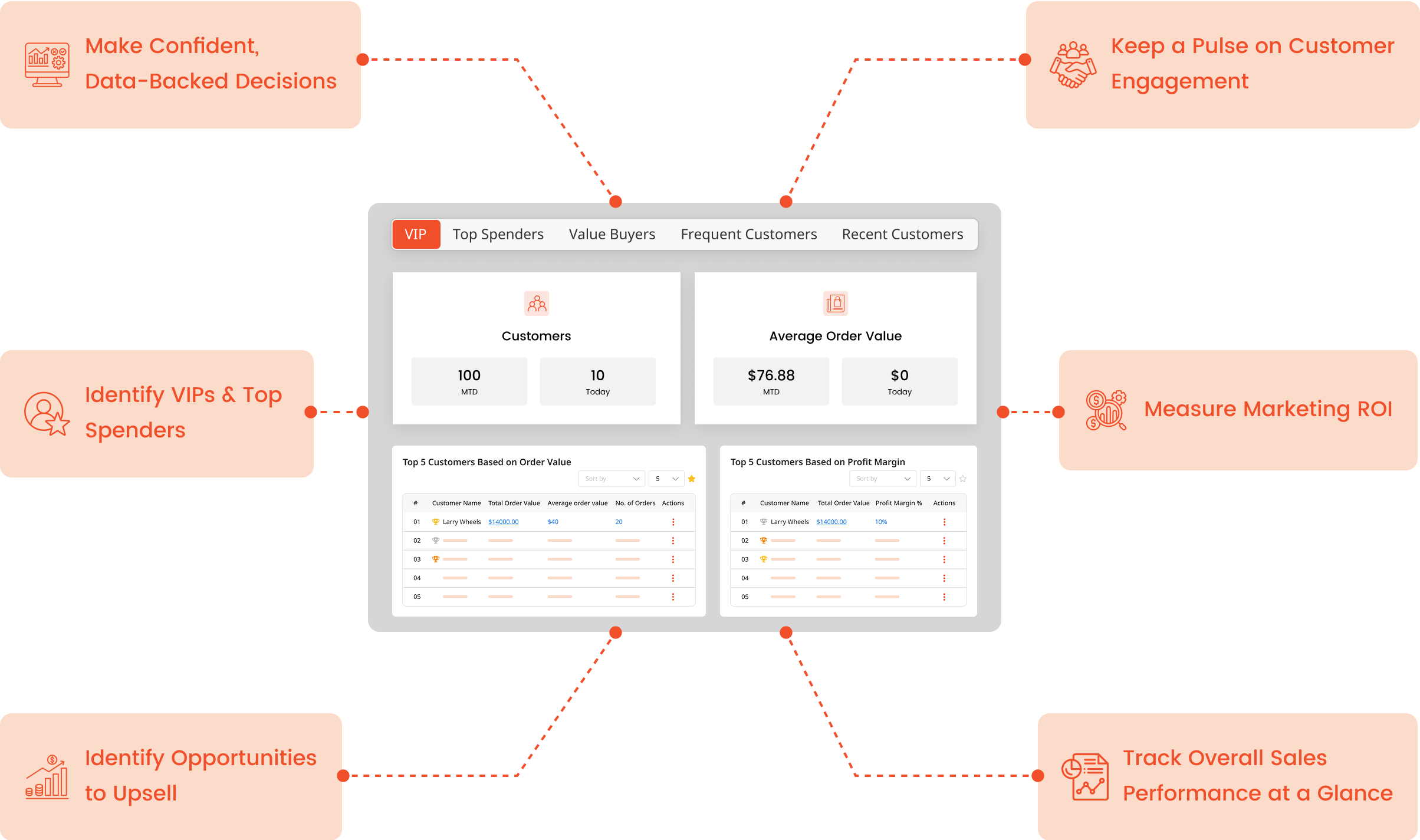
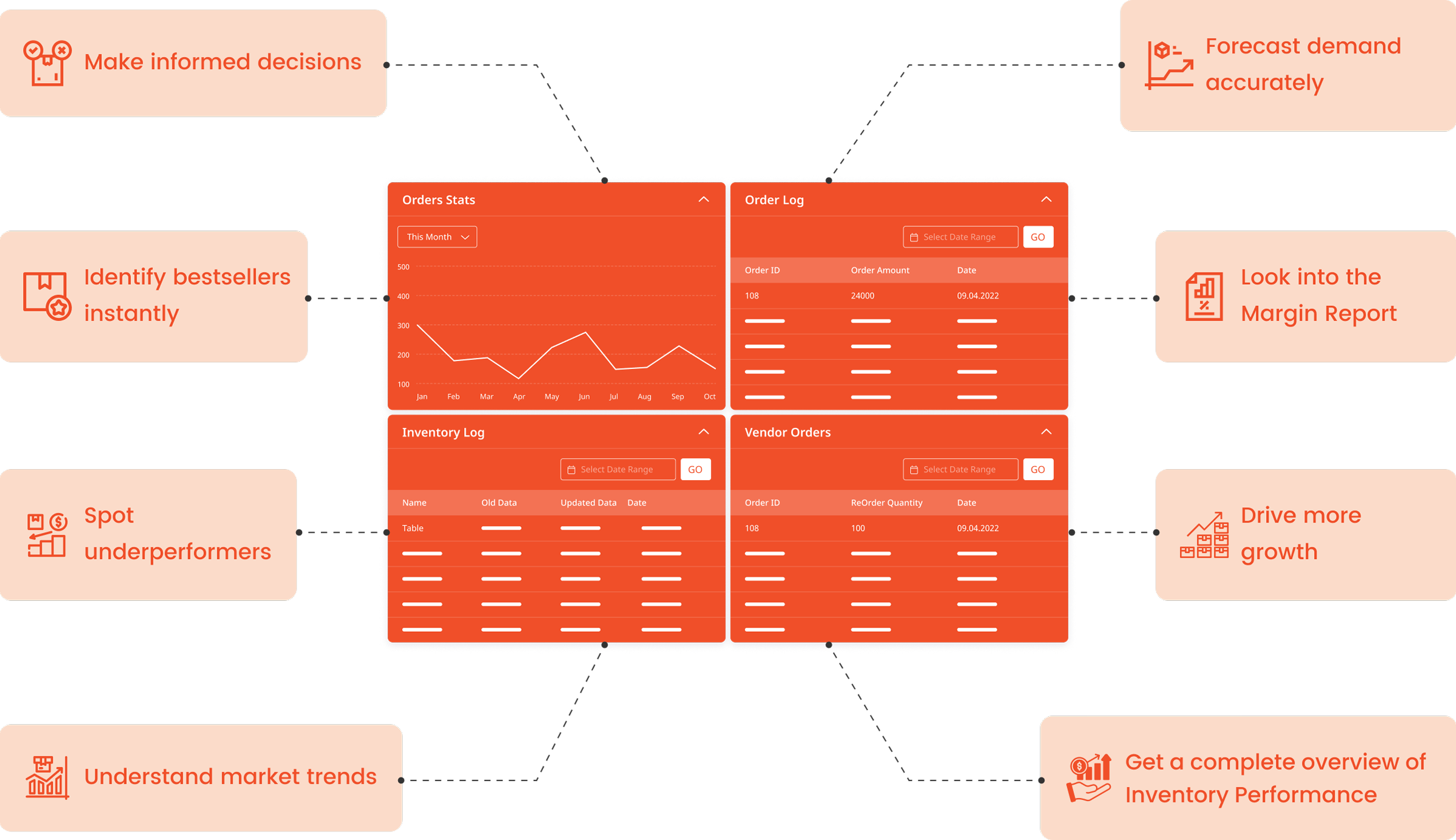
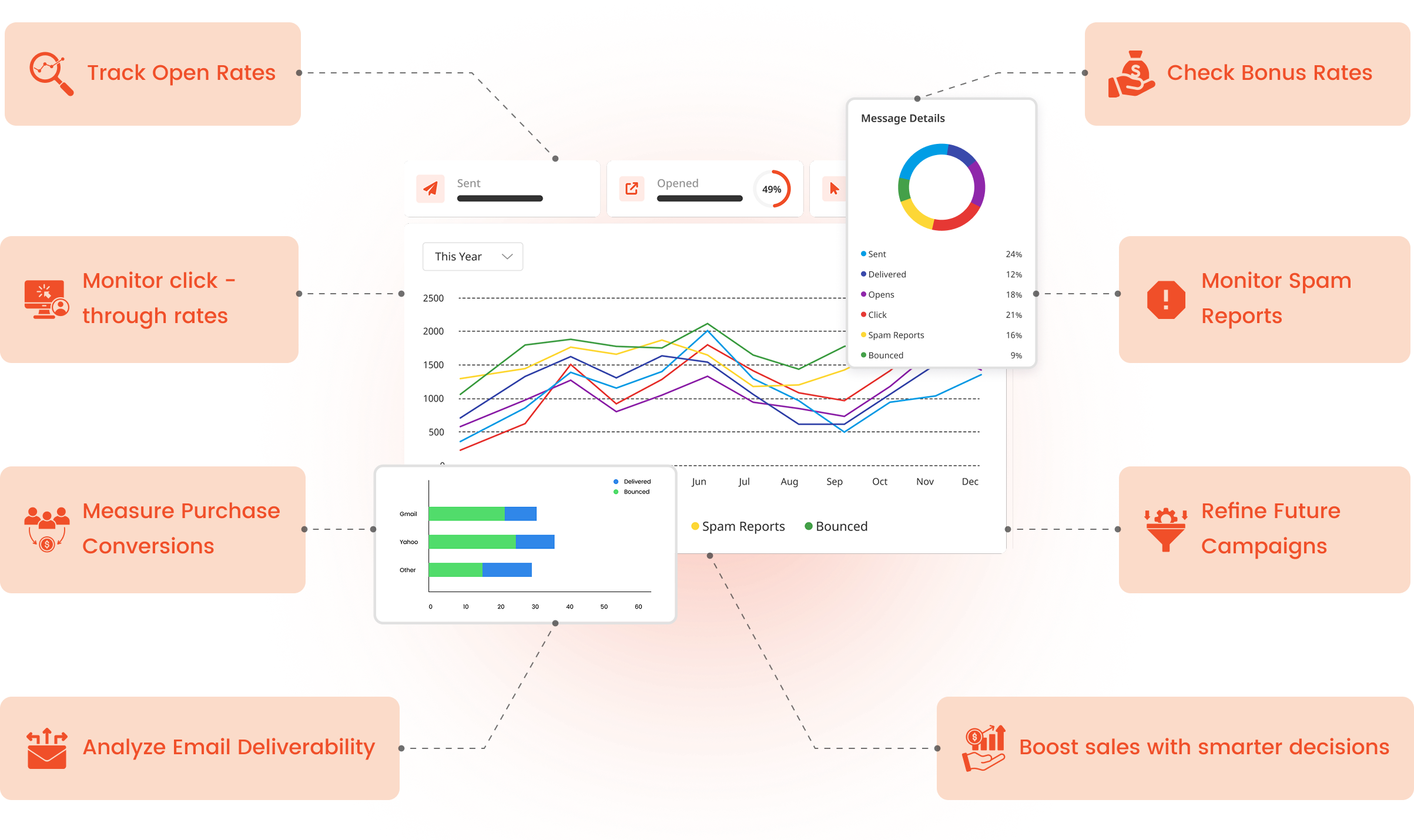
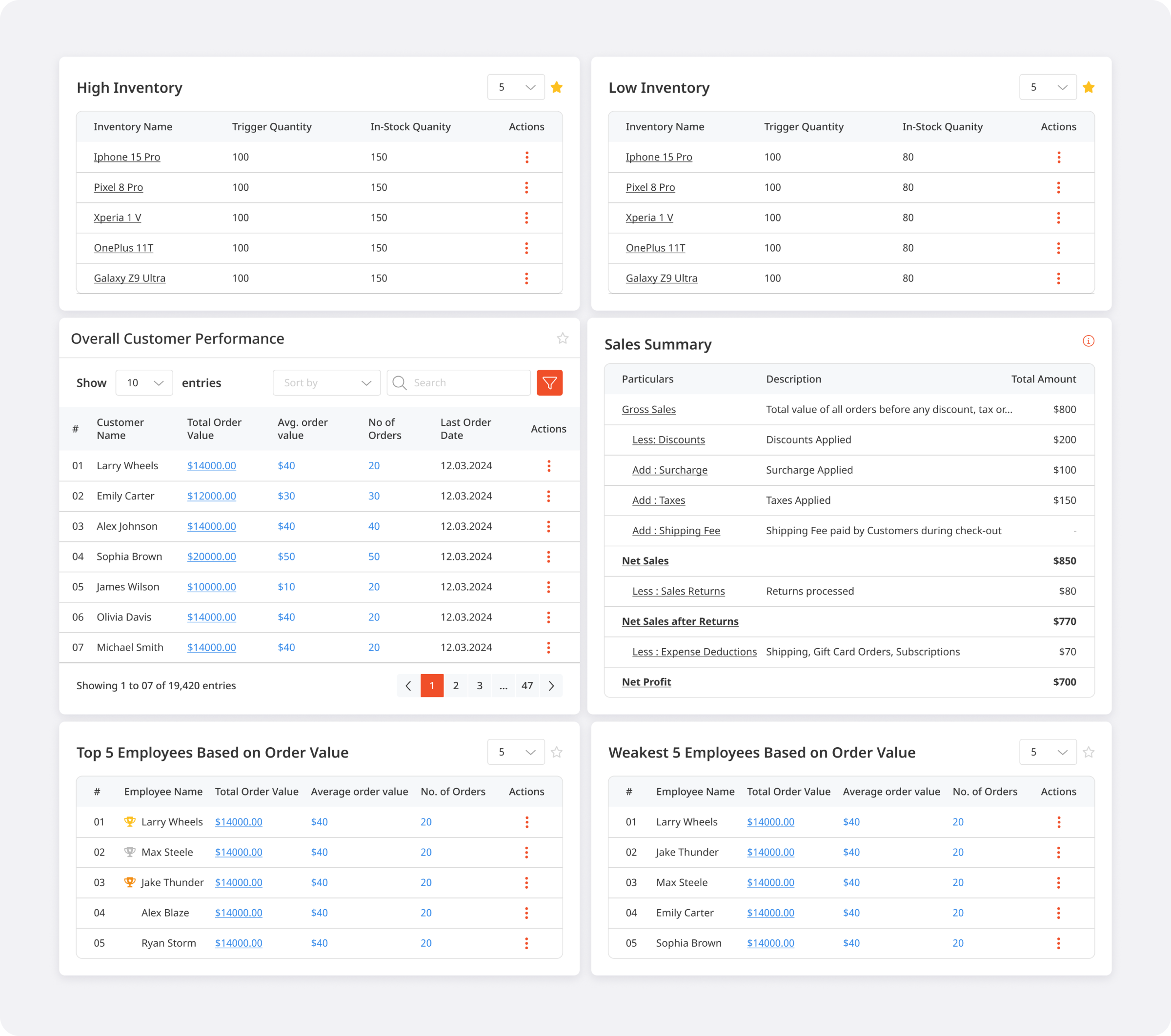
CRM systems provide powerful reporting and analytics features that allow businesses to track their performance and make data-driven decisions. With access to metrics such as lead conversion rates, sales performance, and customer behavior, businesses can assess their strategies and identify areas for improvement. CRM analytics also help businesses understand client needs better, enabling them to refine their approach and optimize their relationship-building efforts. This continuous feedback loop enhances client engagement and satisfaction, ensuring that the business is always improving.
6. Increased Customer Retention
In B2B relationships, customer retention is often more valuable than acquiring new clients. CRM systems help businesses stay on top of their clients’ needs by automating follow-ups, sending reminders for contract renewals, and scheduling regular check-ins. By proactively engaging with clients, businesses can identify potential issues before they escalate, offering timely solutions. This approach improves client satisfaction, reduces churn, and strengthens long-term relationships, ultimately contributing to business stability and growth.
Conclusion
CRM systems are indispensable for managing B2B relationships, allowing businesses to centralize data, automate tasks, and personalize interactions. These tools help businesses engage more effectively with clients, improve collaboration, and make data-driven decisions that contribute to growth.
Universell provides a comprehensive CRM solution designed to streamline operations and enhance customer engagement. With real-time insights, automation, and collaboration tools, Universell helps businesses optimize B2B relationships and increase overall efficiency.
To learn more, visit www.universell.us.
#CRM #B2B #CustomerRelationshipManagement #BusinessGrowth #Automation #CustomerRetention #Universell #BusinessSolutions #CustomerExperience #MarketingAutomation