
Mar, 20 2025
The Shift Towards Local Manufacturing in Consumer Durables
In recent years, there has been a noticeable shift in consumer preferences and business strategies towards locally manufactured products. The debate between Made in USA and imported consumer durables has gained momentum due to economic, environmental, and geopolitical factors. With supply chain disruptions, rising import costs, and increasing consumer demand for locally sourced goods, companies are rethinking their approach to manufacturing. This article explores the key drivers behind this trend and what it means for businesses and consumers alike.
The Case for Made in USA
Manufacturing goods domestically offers several benefits, both for businesses and consumers:
Quality Assurance & Product Reliability
- American-made products are often associated with higher quality standards, strict regulatory compliance, and superior craftsmanship.
- Domestic factories are subject to rigorous inspections and adherence to safety guidelines, ensuring that the final products meet high expectations.
Job Creation & Economic Growth
- Supporting local manufacturers means generating employment opportunities and boosting the national economy.
- According to the Economic Policy Institute, every $1 million spent on domestic manufacturing creates significantly more jobs compared to the same amount spent on imports.
Supply Chain Resilience
- The COVID-19 pandemic exposed vulnerabilities in global supply chains, leading to delayed shipments and material shortages.
- By producing goods locally, businesses can reduce dependence on overseas suppliers and ensure more stable production cycles.
Sustainability & Reduced Carbon Footprint
- Local production significantly cuts down on transportation emissions and energy-intensive logistics.
- Consumers are increasingly conscious of eco-friendly choices, making Made in USA an attractive option for those prioritizing sustainability.
The Challenges of Domestic Manufacturing
Despite its advantages, local manufacturing faces some hurdles:
Higher Production Costs
- Labor wages and operational expenses in the U.S. tend to be higher than in countries with lower production costs.
- Raw material procurement within the U.S. can be more expensive compared to outsourcing from countries like China, India, or Mexico.
Infrastructure & Skilled Workforce Shortage
- Over the decades, outsourcing led to a decline in manufacturing skills within the domestic workforce.
- Investing in worker training and upgrading infrastructure will be necessary to compete effectively with established global manufacturers.
Scaling Challenges for Businesses
- Small and mid-sized enterprises (SMEs) may find it difficult to scale operations and compete with cheaper imported alternatives.
- Government incentives and technological advancements in automation can help bridge the gap.
The Role of Imported Consumer Durables
While Made in USA has its appeal, imported consumer durables still dominate certain industries. Some reasons include:
- Lower Costs: Many companies prefer outsourcing manufacturing to countries with lower labor costs, keeping product prices competitive.
- Mass Production Capabilities: Countries like China have heavily invested in infrastructure that allows mass production at an unprecedented scale.
- Specialized Expertise: Some international manufacturers specialize in niche consumer durable products, making it more efficient to source rather than develop domestically.
The Future of Local Manufacturing in the U.S.
As consumer preferences shift towards American-made products, businesses must find a balance between cost-efficiency and supporting local economies. Some strategies include:
- Investing in Automation & AI: Leveraging smart manufacturing technologies can reduce labor costs and improve efficiency.
- Public-Private Partnerships: Government incentives, tax breaks, and subsidies can encourage businesses to invest in local manufacturing.
- Hybrid Manufacturing Models: A mix of domestic and offshore production can help brands stay competitive while meeting consumer demand for locally sourced goods.
How Universell Supports Local Manufacturing
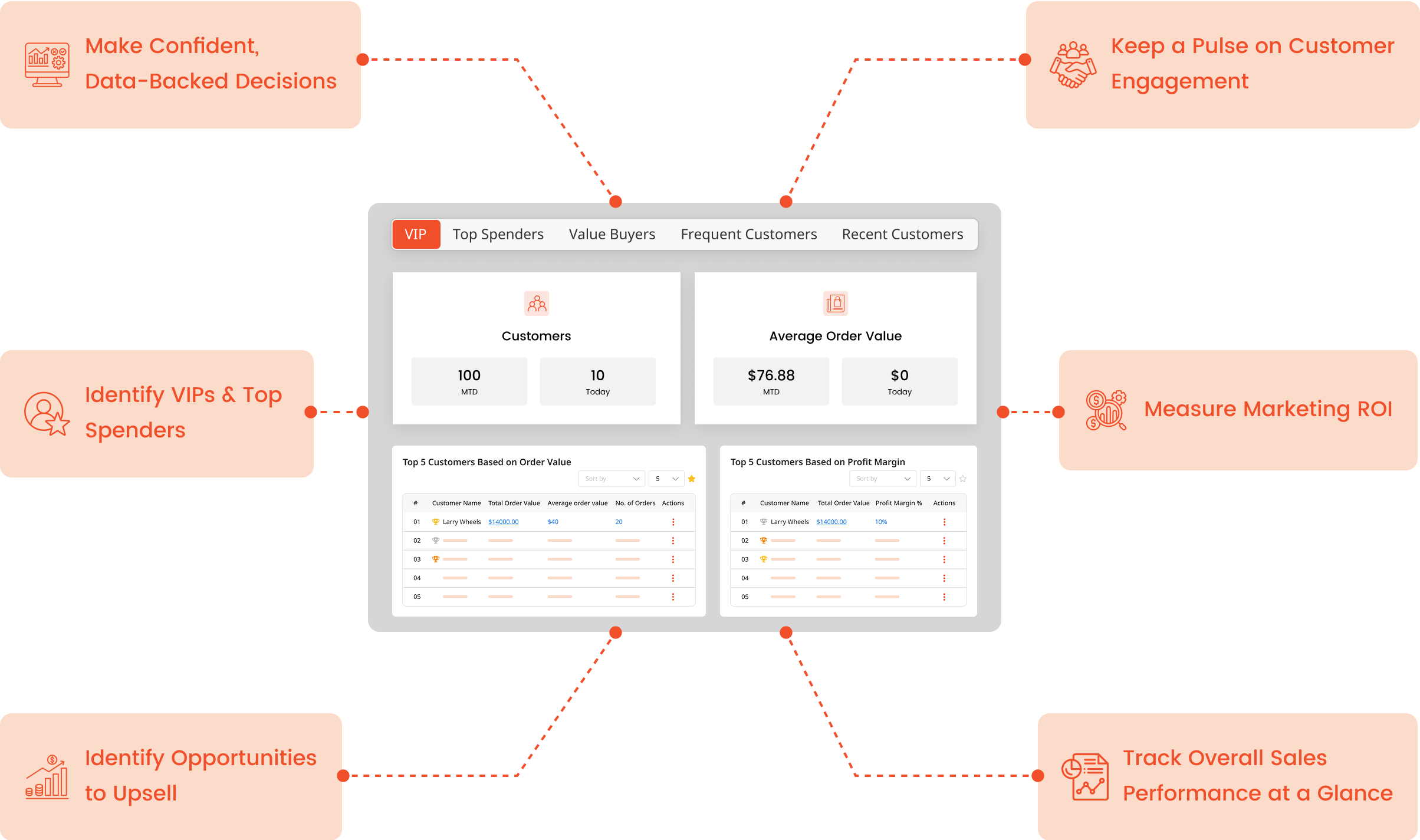
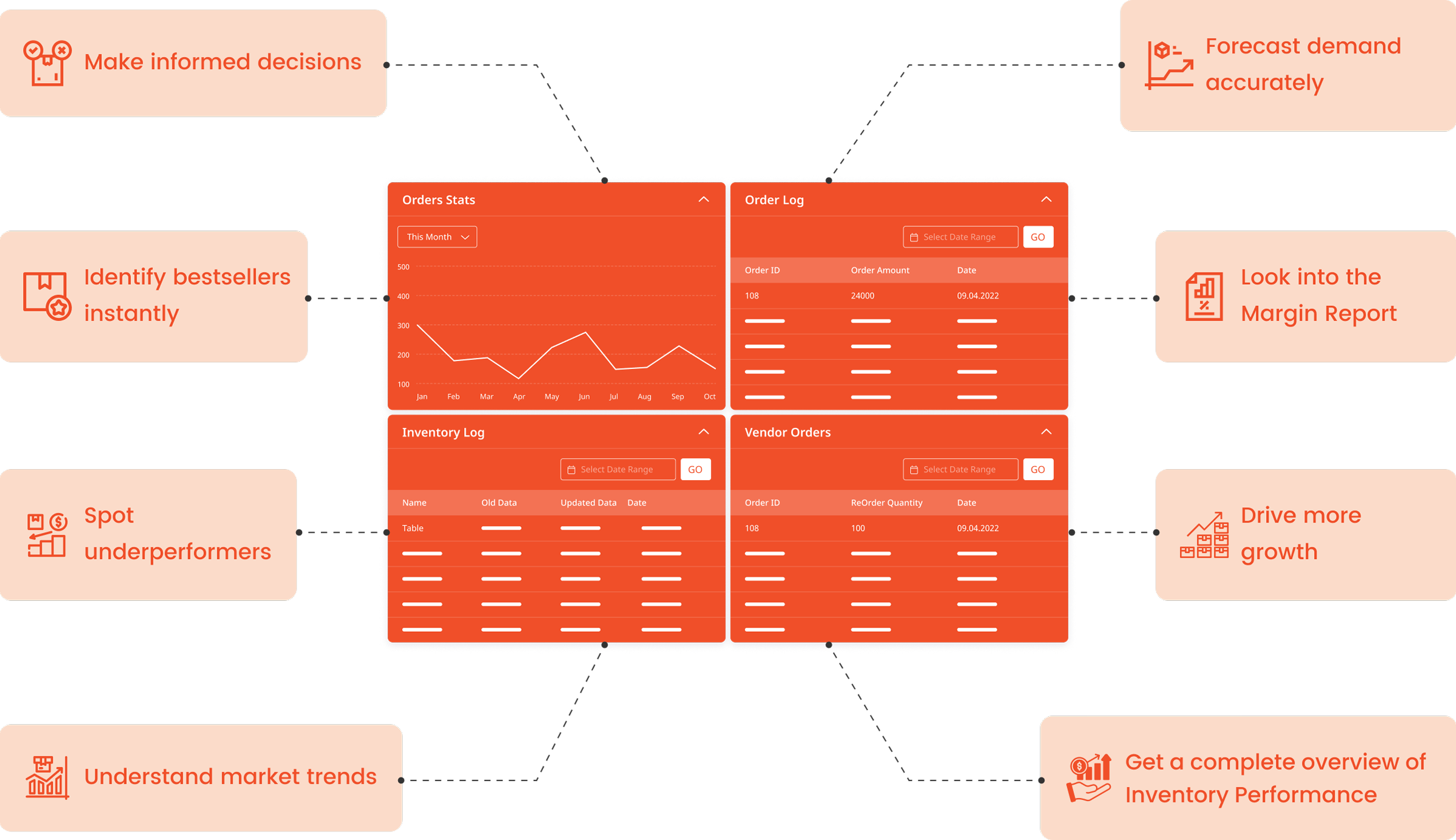
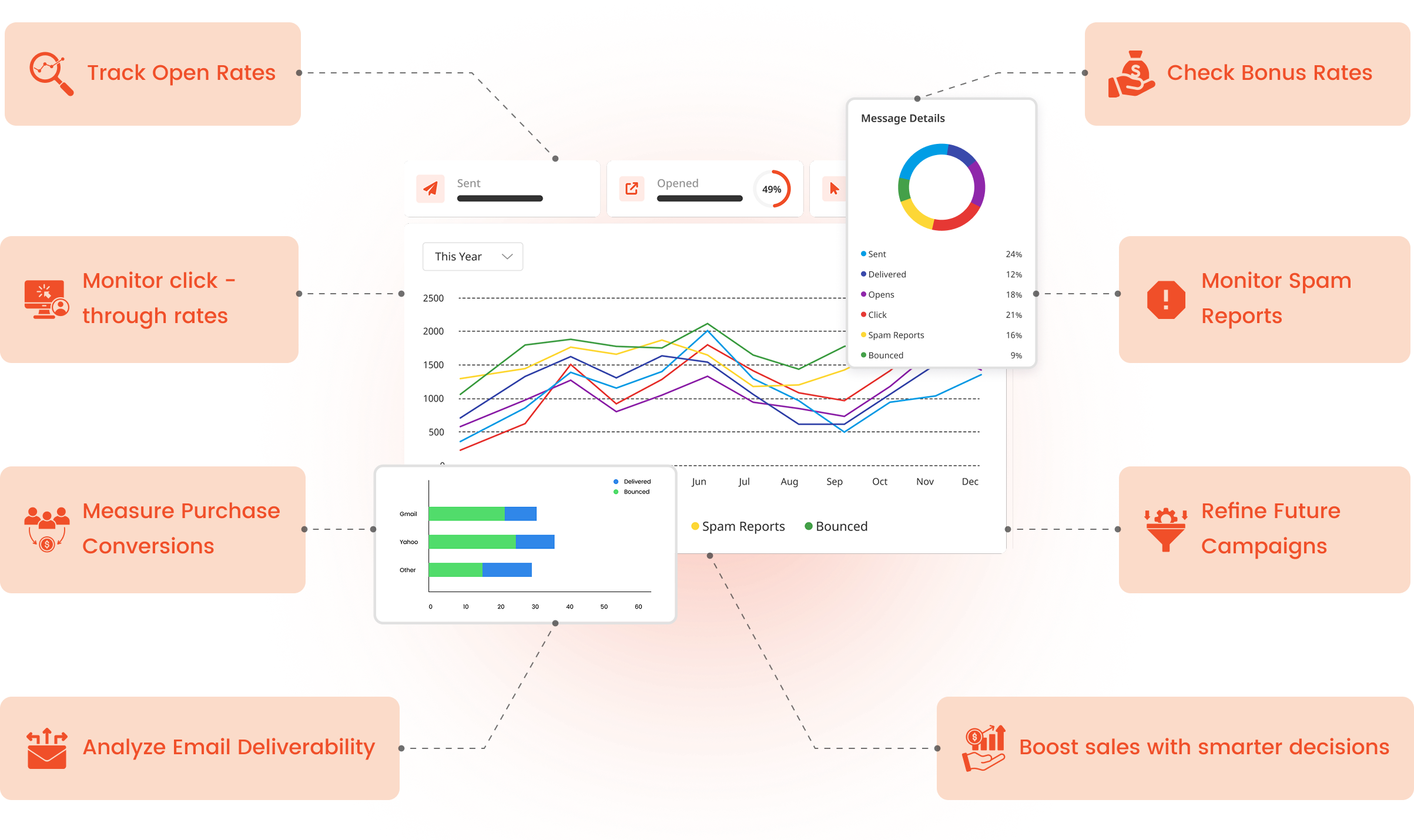
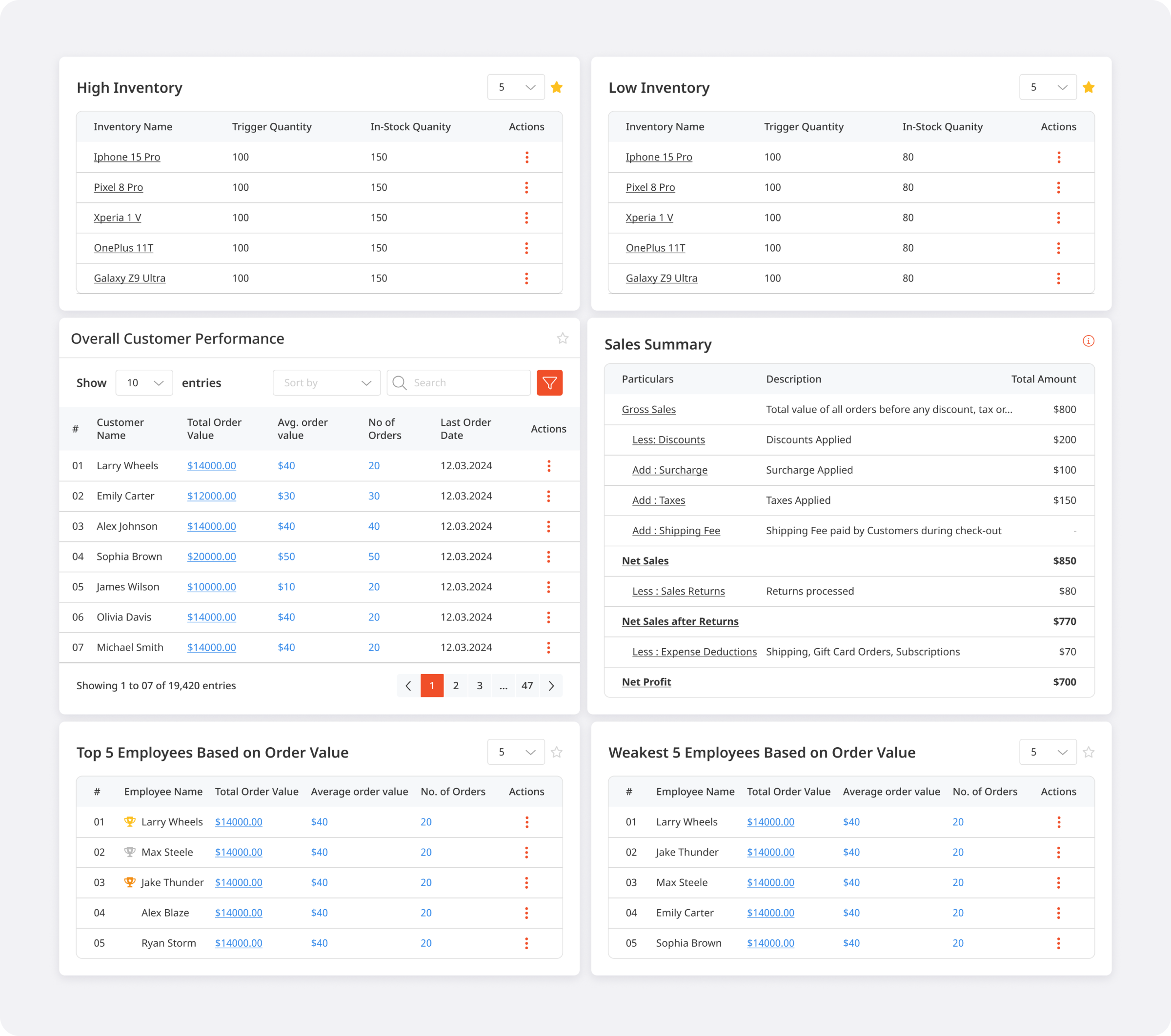
Businesses looking to streamline their Made in USA operations can benefit from Universell, an all-in-one business automation platform. Universell provides tools for inventory management, CRM, order processing, and payment solutions, helping manufacturers and retailers optimize their workflow. Whether sourcing locally or balancing imports with domestic production, Universell enables businesses to make data-driven decisions, improve efficiency, and enhance customer experiences.
The shift towards local manufacturing is no longer just a trend—it’s a movement. With the right technology and strategic approach, businesses can thrive in this evolving landscape while supporting economic growth and sustainability.
Learn more: www.universell.us
#MadeInUSA #LocalManufacturing #SupportLocalBusinesses #BusinessGrowth #EcommerceTips #SmallBusinessSuccess #RetailTrends #ConsumerDurables #SupplyChainManagement #UniversellBusiness #BusinessAutomation #SmartPOSSystem #InventoryManagement #CRMSoftware #AIforBusiness #RetailManagement #SellMoreOnline #EntrepreneurMindset #StartupSuccess #ScaleYourBusiness #MarketingStrategy #TechForBusiness #FutureOfRetail #SmallBusinessOwner #B2BMarketing