
Mar, 10 2025
Trump Tariffs Could Lead to Higher Prices for U.S. Consumers
The implementation of President Donald Trump’s tariffs on imports from countries like China, Canada, and Mexico has raised significant concerns among major U.S. retailers about the potential for increased consumer prices. These tariffs, which include a 25% levy on imports from Canada and Mexico and a 20% tariff on Chinese goods, have prompted discussions about their impact on the retail sector and the broader economy.
Impact on Retailers and Consumers
Major retailers such as Target and Best Buy have indicated that these tariffs are likely to result in higher prices for a range of products. Target CEO Brian Cornell acknowledged that while the company has reduced its reliance on Chinese imports, certain products, especially those sourced from Mexico, like produce items, could see price increases. This sentiment is echoed by other retailers who anticipate that the added costs from tariffs will be passed on to consumers.
The National Retail Federation (NRF) has provided estimates on how tariffs could affect consumer prices. For instance, a $40 toaster could see its price rise to between $48 and $52, and a $50 pair of running shoes might increase to approximately $61.50. These increases highlight the direct impact tariffs can have on everyday consumer goods.
Economic Implications
Beyond individual retailers, the broader economic implications of these tariffs are significant. The Congressional Budget Office (CBO) estimated that the trade barriers implemented between January 2018 and January 2020 would reduce the real GDP by roughly 0.5% and raise consumer prices by 0.5% in 2020. This translates to an average reduction of $1,277 in real household income for that year.
Navigating the Challenges
In light of these challenges, retailers are exploring strategies to mitigate the impact of tariffs. Some are diversifying their supply chains, seeking alternative sourcing options, or negotiating with suppliers to share the added costs. However, these measures may not fully offset the increased expenses, leading to inevitable price adjustments for consumers.
Leveraging Technology for Efficiency
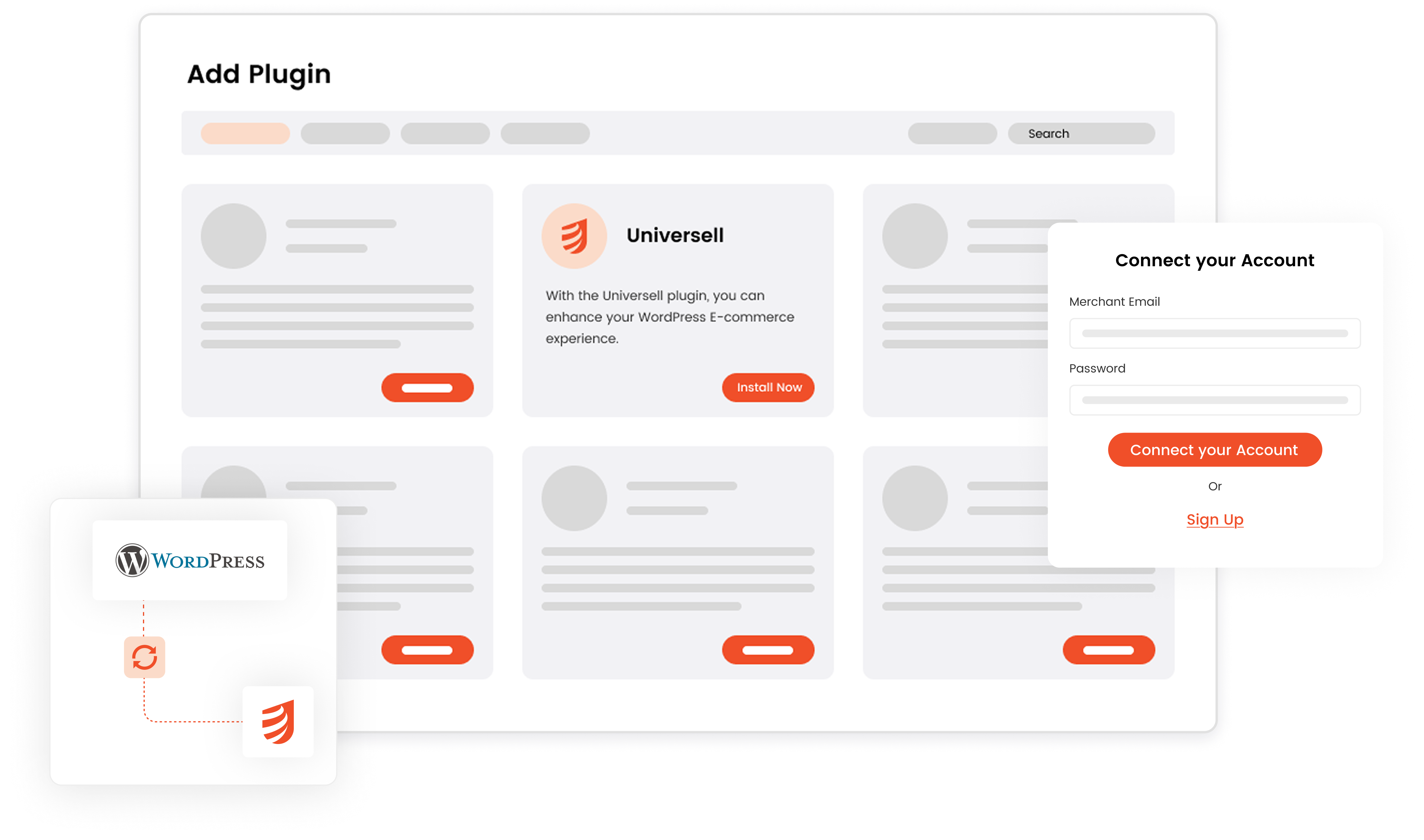
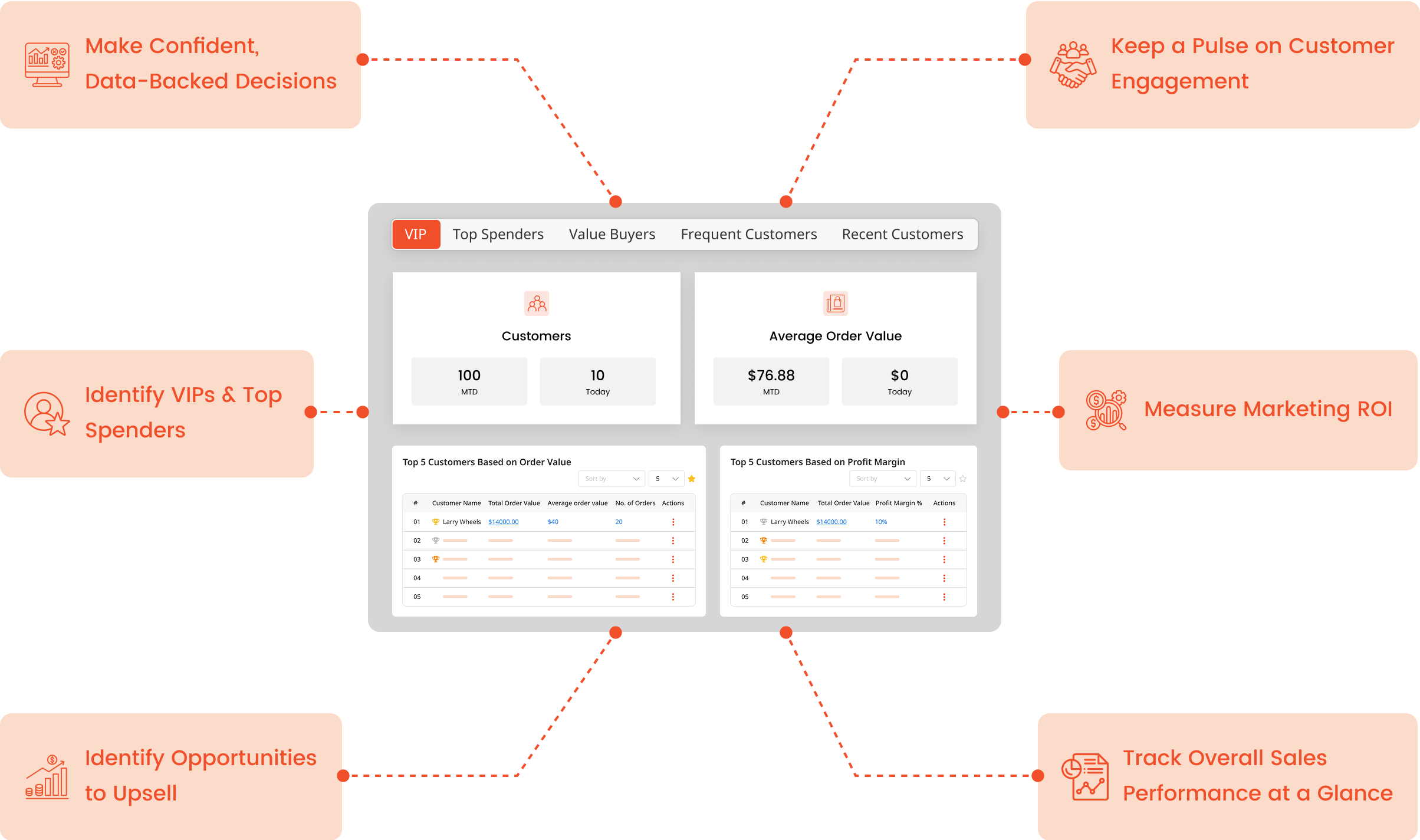
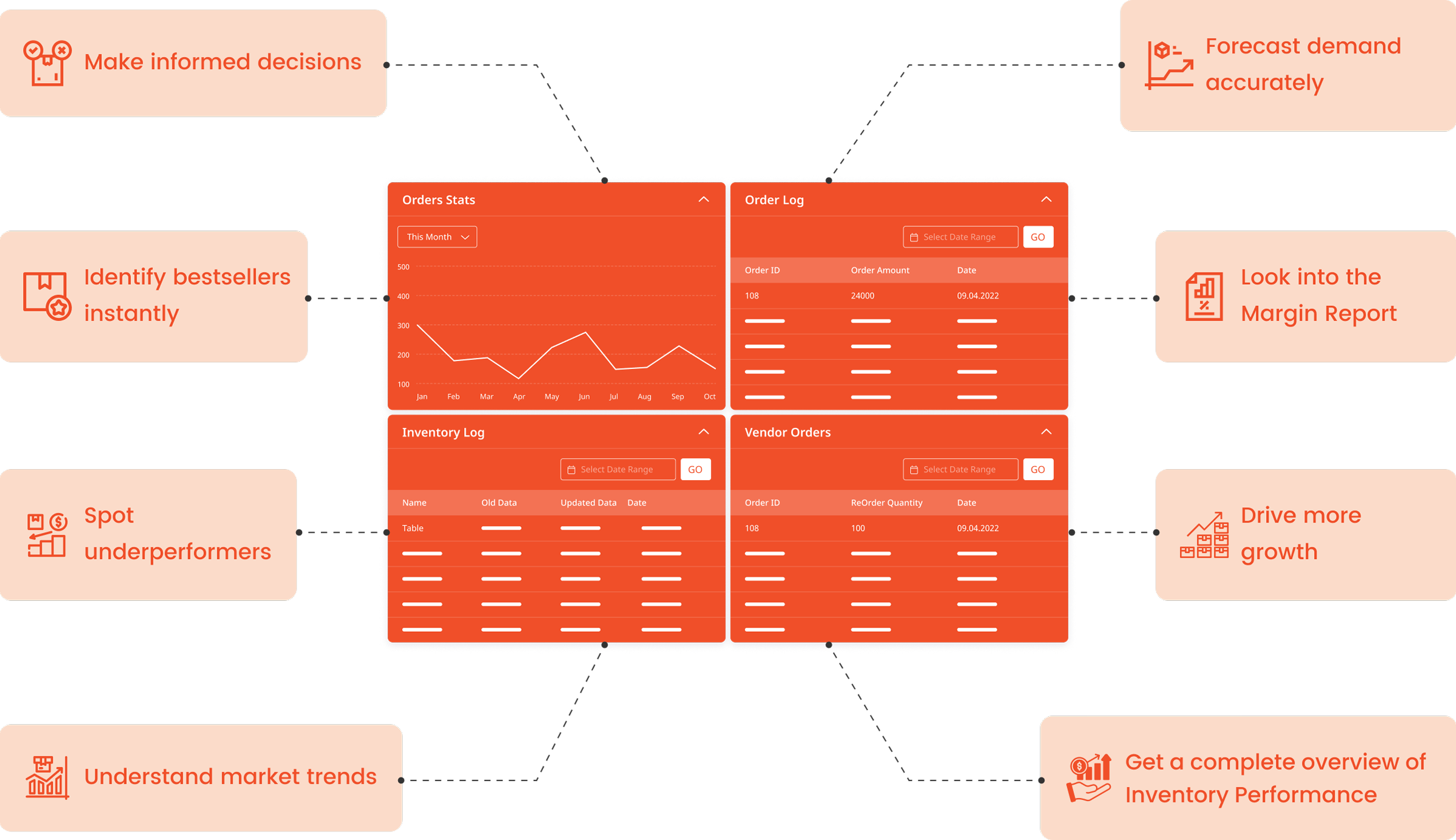
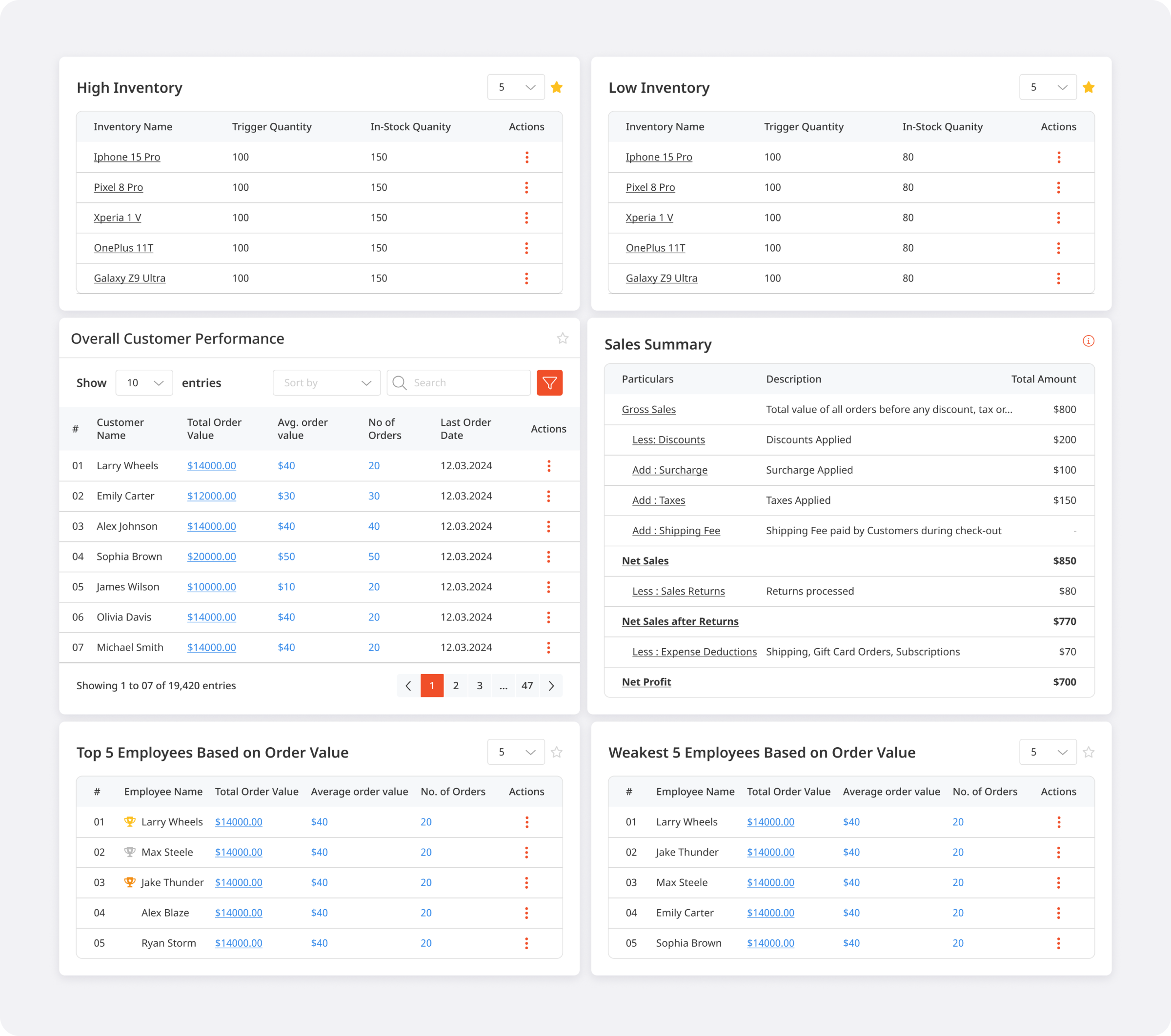
To adapt to these economic shifts, retailers can benefit from integrating advanced technology solutions into their operations. Platforms like Universell offer comprehensive tools for inventory management, sales tracking, and customer relationship management, enabling businesses to operate more efficiently and maintain competitiveness in a challenging market environment. By streamlining processes and enhancing operational efficiency, retailers can better navigate the complexities introduced by tariffs and other economic factors.
For more information on how Universell can support your retail business, visit www.universell.us.
#TrumpTariffs #RetailNews #ConsumerPrices #EconomicImpact #BusinessStrategy #Retailers #USMarket #TradePolicy #SupplyChain #TariffEffects #RetailTrends #SmallBusinessGrowth #Ecommerce #CostOfLiving #RetailSolutions #BusinessOwners #InflationImpact #TradeWar #RetailEconomy #ShopSmart #MarketTrends #UniversellPlatform