
May, 10 2025
US Retailers Are Facing Post-Tariff Spending Disorder
In the wake of new and reinstated tariffs on Chinese imports, US retailers are grappling with a fresh wave of economic turbulence. Dubbed the “post-tariff spending disorder,” this challenge is more than just a pricing issue—it’s a complex mix of supply chain disruptions, shifting consumer behavior, and operational strain.
The Ripple Effect of Tariffs
With the Biden administration reinstating tariffs on key Chinese goods—including technology components, steel, and textiles—retailers are once again facing rising import costs. For businesses already battling inflation, wage increases, and lingering pandemic-era supply chain issues, the added tariff pressure has tipped the scales.
Retailers must now choose between shrinking their profit margins or passing the costs onto consumers. Neither is a desirable option in an already sensitive market.
Shifting Consumer Behavior
Higher prices at the shelf are driving changes in consumer habits. Shoppers are pulling back on discretionary spending, seeking deals, and favoring private-label or discount brands. This behavior shift is forcing retailers to rethink their pricing strategies and stock choices.
Even large chains like Walmart and Target are publicly adjusting their forecasts and inventory strategies to accommodate this post-tariff slowdown.
Operational Strain on Small Retailers
For small and mid-sized businesses, the impact is even more intense. Many lack the purchasing power or supply chain agility to quickly adapt to tariff-induced price changes. They’re stuck between rising vendor costs and increasingly cautious customers.
This leads to tighter cash flow, uncertain demand, and the need for smarter, faster business decisions—especially when it comes to invoicing, sales tracking, and inventory control.
How Platforms Like Universell Can Help
While technology can’t eliminate tariffs, it can reduce the operational burden that comes with economic uncertainty.
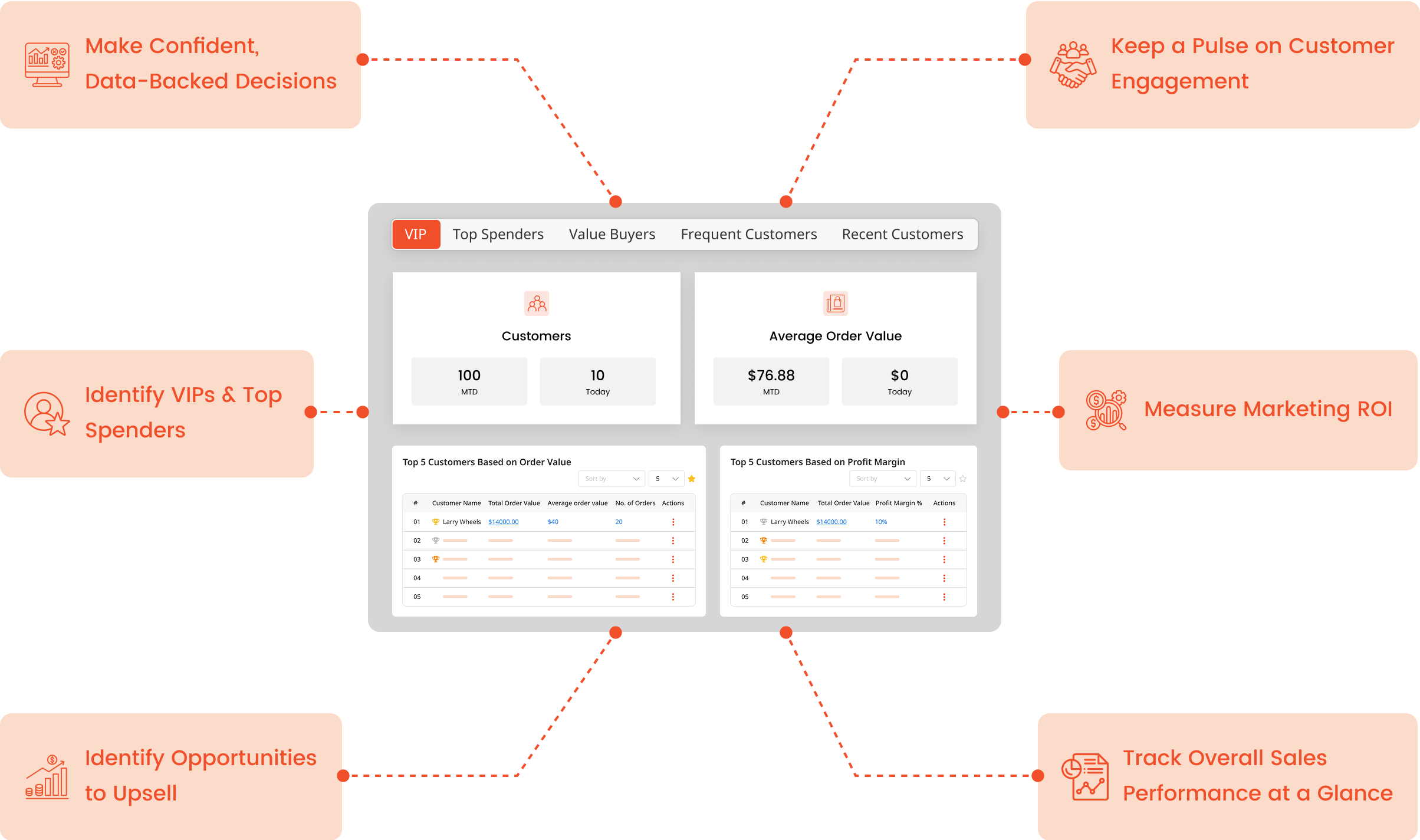
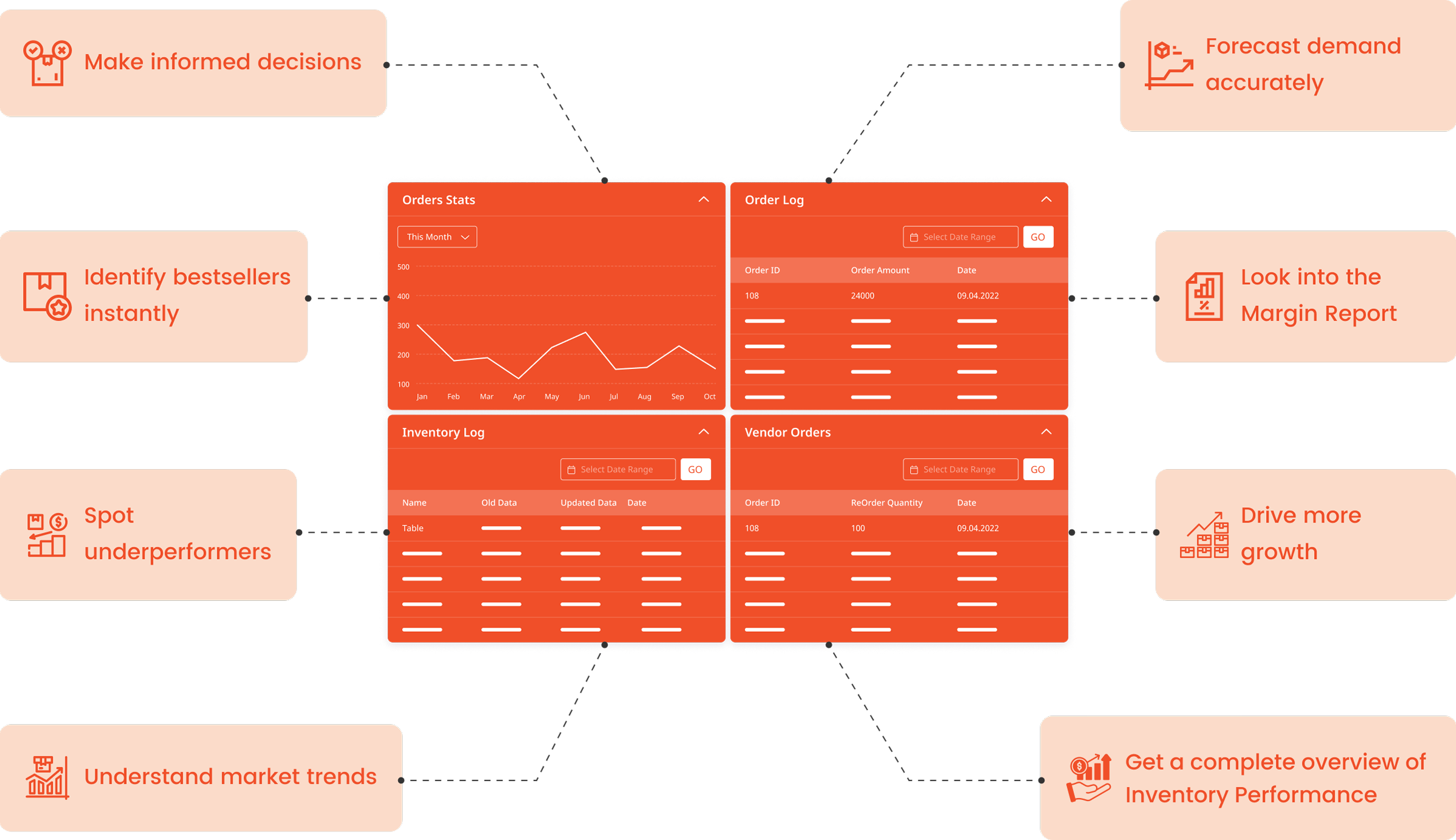
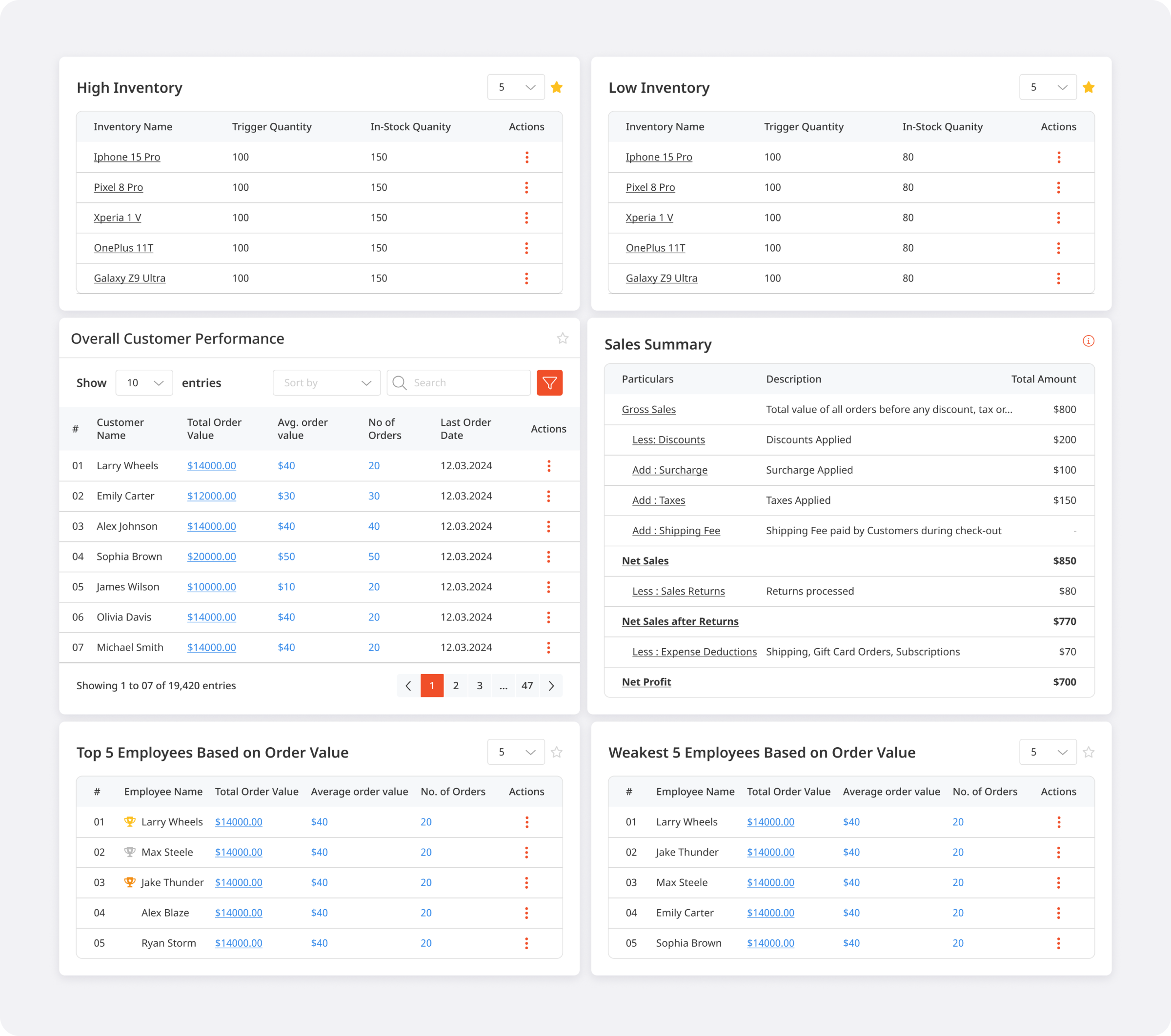
Platforms like Universell give small retailers the tools to streamline invoicing, monitor sales trends in real time, and adjust inventory accordingly. By integrating payments, CRM, and reporting into one user-friendly dashboard, Universell helps businesses stay agile—even in unpredictable markets.
Want to operate smarter in a shifting economy?
📖 Explore solutions at: www.universell.us
#RetailNews #TariffImpact #SmallBusinessTools #RetailStrategy #UniversellPlatform #InventoryManagement #RetailTech #BusinessAgility #USRetail