
Mar, 03 2026
Why CRM is the Backbone of a Successful Omnichannel Strategy
Customer experience is now a critical factor for business success. A seamless omnichannel strategy, where customers enjoy a consistent and personalized experience across every interaction with a brand, is more important than ever. A strong omnichannel strategy relies heavily on one essential tool: Customer Relationship Management (CRM) systems. These tools are the backbone of a unified, customer-centric approach, making them crucial to businesses aiming to deliver an integrated and consistent experience across all channels.
Let’s explore why CRM is so vital to a successful omnichannel strategy.
1. Unified Customer View Across All Channels
CRM systems centralize all customer data, consolidating information from various touchpoints – whether online, in-store, via mobile, or on social media. This gives businesses a single, comprehensive view of each customer’s preferences, purchase history, and interactions with the brand. This unified profile enables businesses to deliver personalized experiences and relevant recommendations, ensuring that no matter how or where a customer interacts with the brand, they receive the same high-quality service.
For example, if a customer browses your website but doesn’t complete a purchase, a CRM system can alert the sales team in-store to follow up with personalized offers based on that browsing history. This creates a consistent, seamless customer journey across channels.
2. Consistent Messaging and Communication
A CRM system helps businesses maintain consistent communication across all channels. Whether a customer is interacting with your brand via email, social media, or in person, a CRM ensures that your team has access to the same customer information, allowing for consistent messaging.
Without a CRM, customer service reps may struggle to retrieve prior interaction data, leading to confusion or repeated questions. With CRM, agents can access detailed customer histories instantly, ensuring that all communication feels personal and seamless, no matter which channel the customer uses.
3. Customer Insights Through Data Analytics
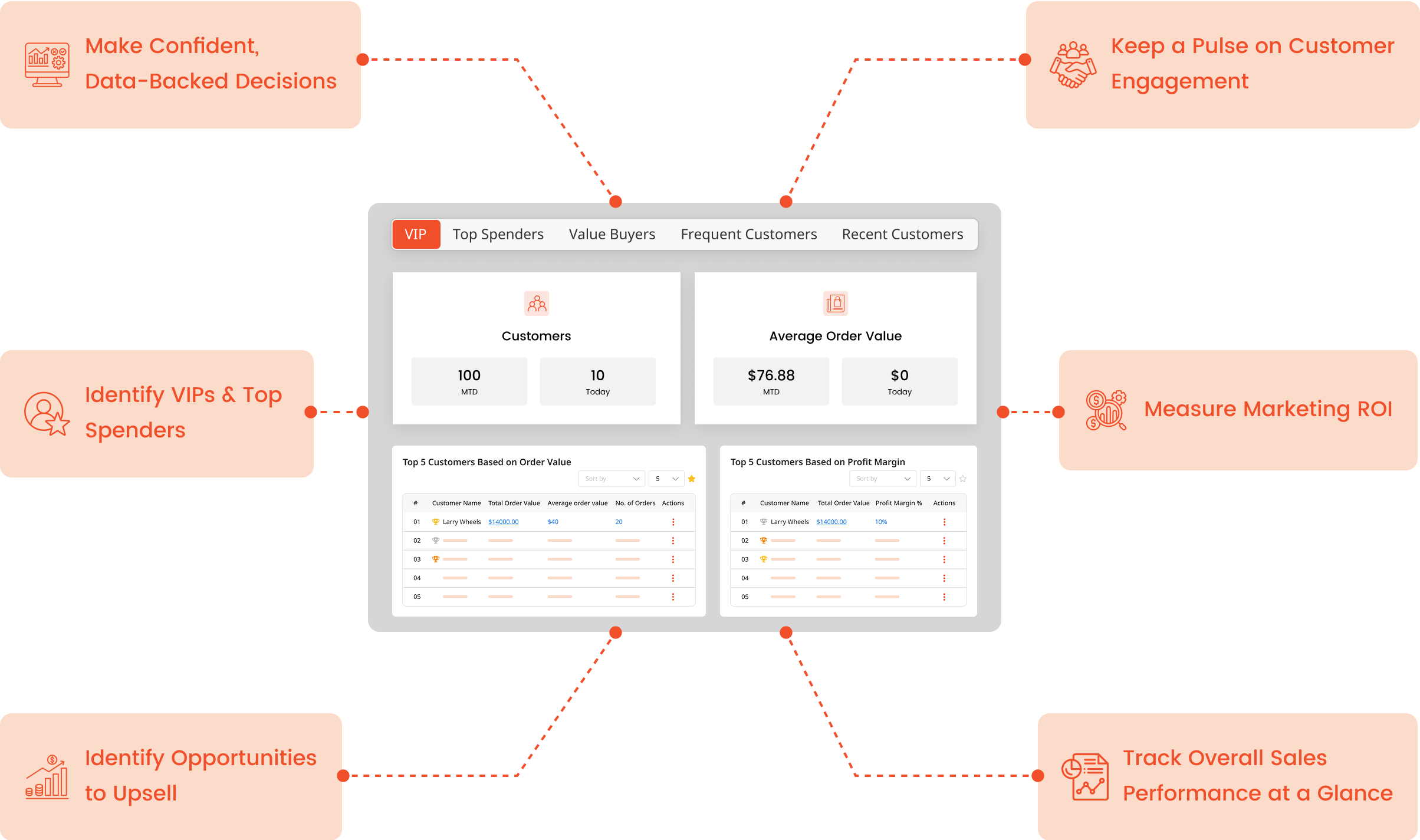
CRM systems provide in-depth analytics on customer behavior, enabling businesses to identify patterns, preferences, and trends. By collecting data across all channels, CRM gives insights into what drives customer engagement, what products are most popular, and which channels are the most effective for outreach.
Using this data, businesses can tailor their marketing campaigns, adjust product offerings, and create strategies that speak directly to the needs of their customer base. For example, a CRM system might reveal that customers interacting via social media tend to make purchases during specific hours, prompting targeted sales strategies during those peak times.
4. Integration Across Various Business Systems
A CRM system doesn’t just store customer data; it integrates seamlessly with other business tools like inventory management, point-of-sale (POS) systems, and marketing platforms. This integration allows businesses to offer a more efficient, streamlined service to customers.
For instance, if a customer places an order online and wants to pick it up in-store, the CRM system can synchronize the order across both channels, ensuring that the product is reserved and ready for the customer when they arrive. This eliminates friction in the customer journey and enhances satisfaction.
5. Personalization at Scale
Personalization is key to a successful omnichannel strategy. CRM systems enable businesses to personalize customer interactions at scale by using behavioral data to tailor experiences. Whether it’s sending personalized emails based on past purchases, offering discounts on frequently bought items, or recommending new products that align with a customer’s interests, a CRM allows brands to customize their outreach across every touchpoint.
With CRM, businesses can create targeted campaigns and offers that are more likely to resonate with customers, increasing engagement and conversions.
6. Efficient Customer Support
CRM systems are vital for providing efficient customer support across multiple channels. When customers reach out with issues or inquiries, a CRM system enables support agents to access the customer’s entire history, including past problems, purchases, and interactions. This gives support teams the context they need to resolve issues quickly and effectively, providing a seamless experience for the customer.
For example, if a customer calls for support after buying a product online, the agent can instantly access the order details, tracking status, and any previous communication, all through the CRM system. This reduces wait times, ensures more accurate resolutions, and improves the overall customer experience.
Conclusion
CRM systems are not just a tool for managing customer data; they are the foundation of a successful omnichannel strategy. By providing a centralized database of customer interactions, CRM enables businesses to deliver personalized, consistent, and seamless experiences across all channels. This not only improves customer satisfaction but also enhances operational efficiency, ultimately driving growth and increasing customer loyalty.
As customer expectations continue to evolve, the role of CRM in managing these expectations becomes even more critical. Investing in a robust CRM system is no longer optional – it’s a strategic necessity for businesses aiming to stay competitive and thrive in an omnichannel world.
Universell offers an all-in-one platform that integrates CRM with inventory management, sales, and customer support systems to help businesses streamline their operations and deliver a seamless omnichannel experience.
Learn more about how Universell can optimize your business at www.universell.us
#CRM #OmnichannelStrategy #CustomerExperience #BusinessGrowth #RetailTech #CustomerLoyalty #Universell