
Feb, 27 2026
Why Integrating CRM with Other Business Tools is Essential
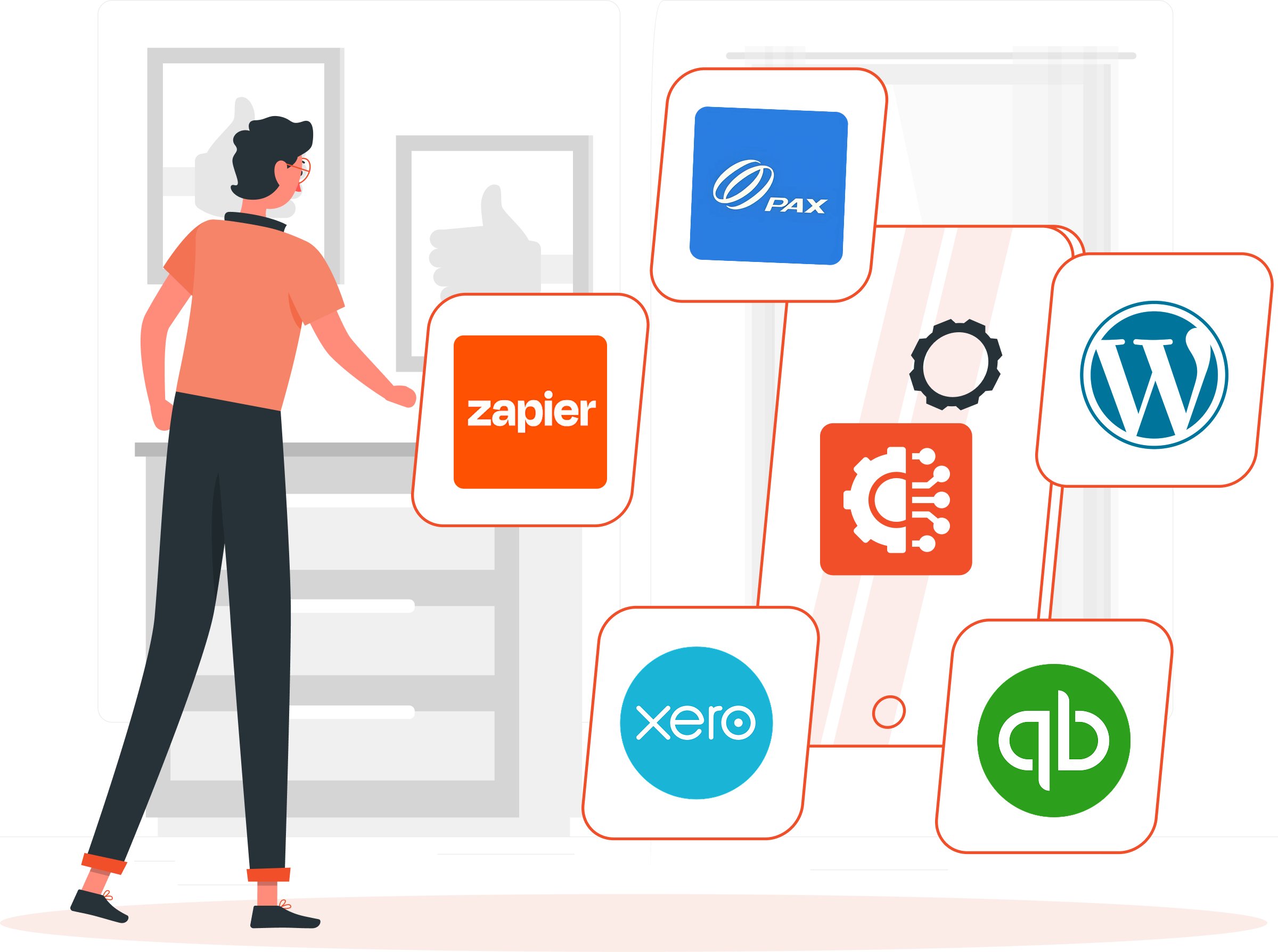
Customer Relationship Management (CRM) systems are essential for businesses that want to manage and nurture their relationships with customers effectively. However, CRM software often works best when integrated with other business tools such as email marketing platforms, invoicing systems, project management tools, and accounting software. Integrating CRM with these tools offers several key benefits that help streamline business operations, improve customer experiences, and drive growth. Below are the top reasons why CRM integration is crucial for your business:
1. Centralized Data for Better Decision-Making
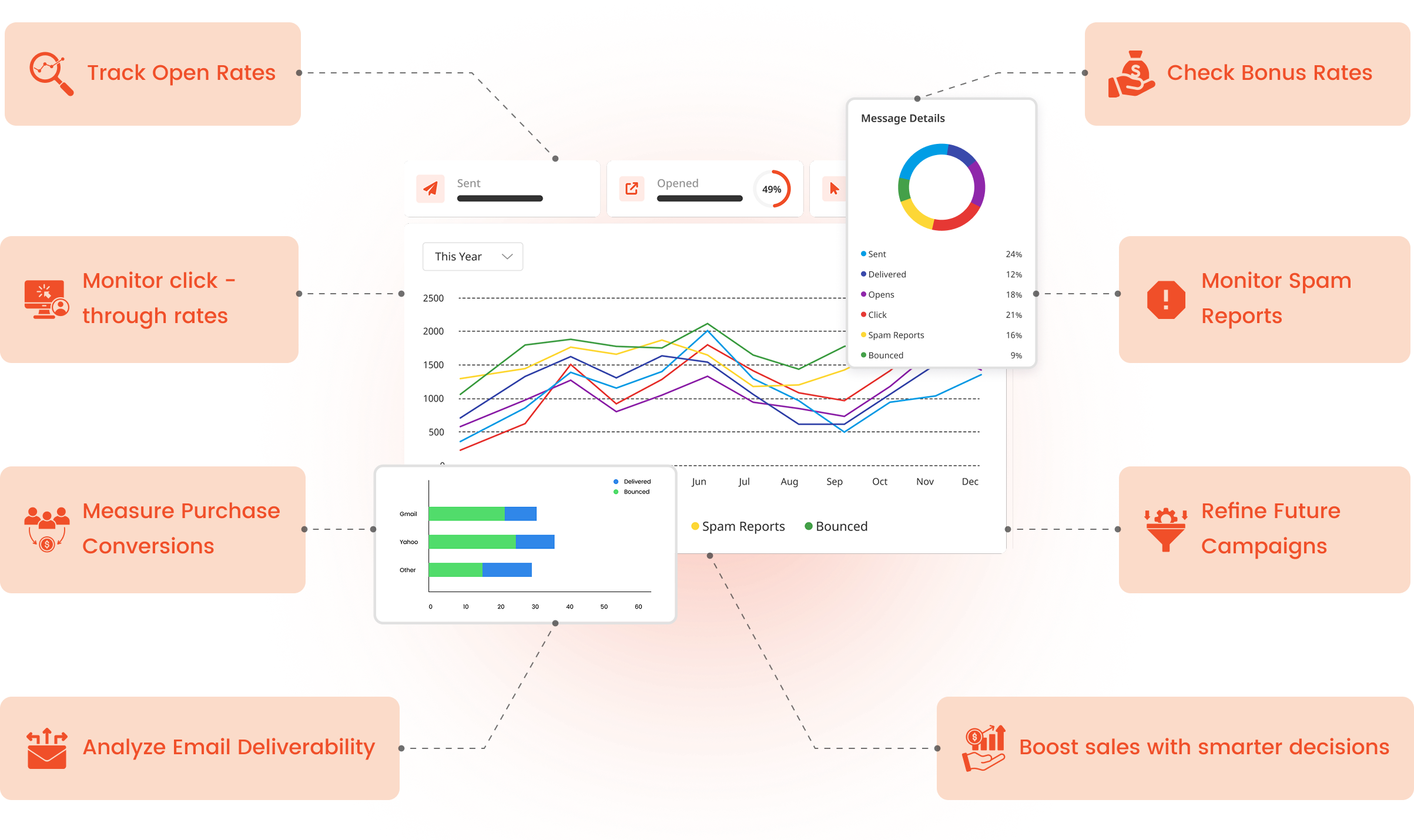
One of the most significant advantages of integrating CRM with other business tools is the ability to centralize data. Typically, CRMs store customer contact details, sales history, support tickets, and more. When you integrate your CRM with other systems like accounting software, email marketing platforms, or project management tools, you create a single source of truth. This centralized data allows teams across the organization to make informed decisions quickly and accurately, as everyone is working with the same information. For instance, integrating CRM with an email marketing tool can allow you to track customer responses to campaigns, providing valuable insights for improving future marketing strategies.
2. Streamlined Processes and Increased Productivity
When CRM systems are integrated with other tools, processes become automated, which reduces the amount of manual work. For example, when a customer places an order on your website, integrating your CRM with the e-commerce platform can automatically update customer details and sales data. This automation reduces the need for manual data entry, saving valuable time and reducing human errors. By automating routine tasks, such as updating customer records or sending follow-up emails, employees can focus on higher-priority activities, boosting overall productivity across teams. Whether it’s the sales team, customer support, or marketing department, CRM integration ensures everyone has real-time access to the necessary data, allowing for smoother workflows and faster decision-making.
3. Enhanced Customer Experience
One of the biggest benefits of CRM integration is the improvement it offers to customer experience. With integrated systems, customer-facing teams (like sales and support) gain access to a complete view of a customer’s journey, including past purchases, interactions, issues, and preferences. For example, if a customer reaches out to your support team, they don’t have to repeat their entire history because the team has access to all relevant data in the CRM. This enables the team to resolve issues more quickly and offer personalized solutions, creating a more satisfying experience for the customer. Personalized service builds trust and loyalty, which ultimately leads to higher customer retention rates.
4. Real-Time Reporting and Insights
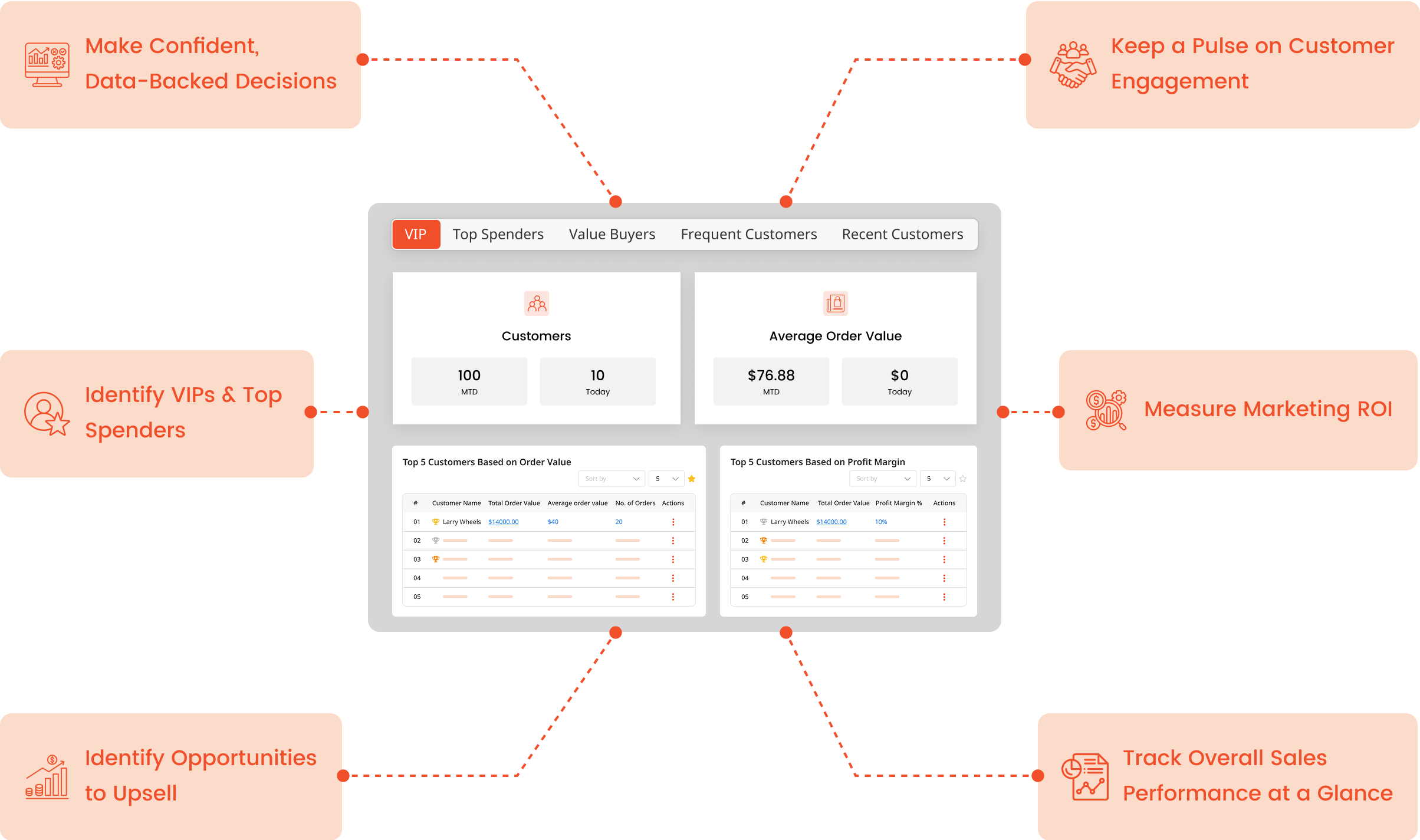
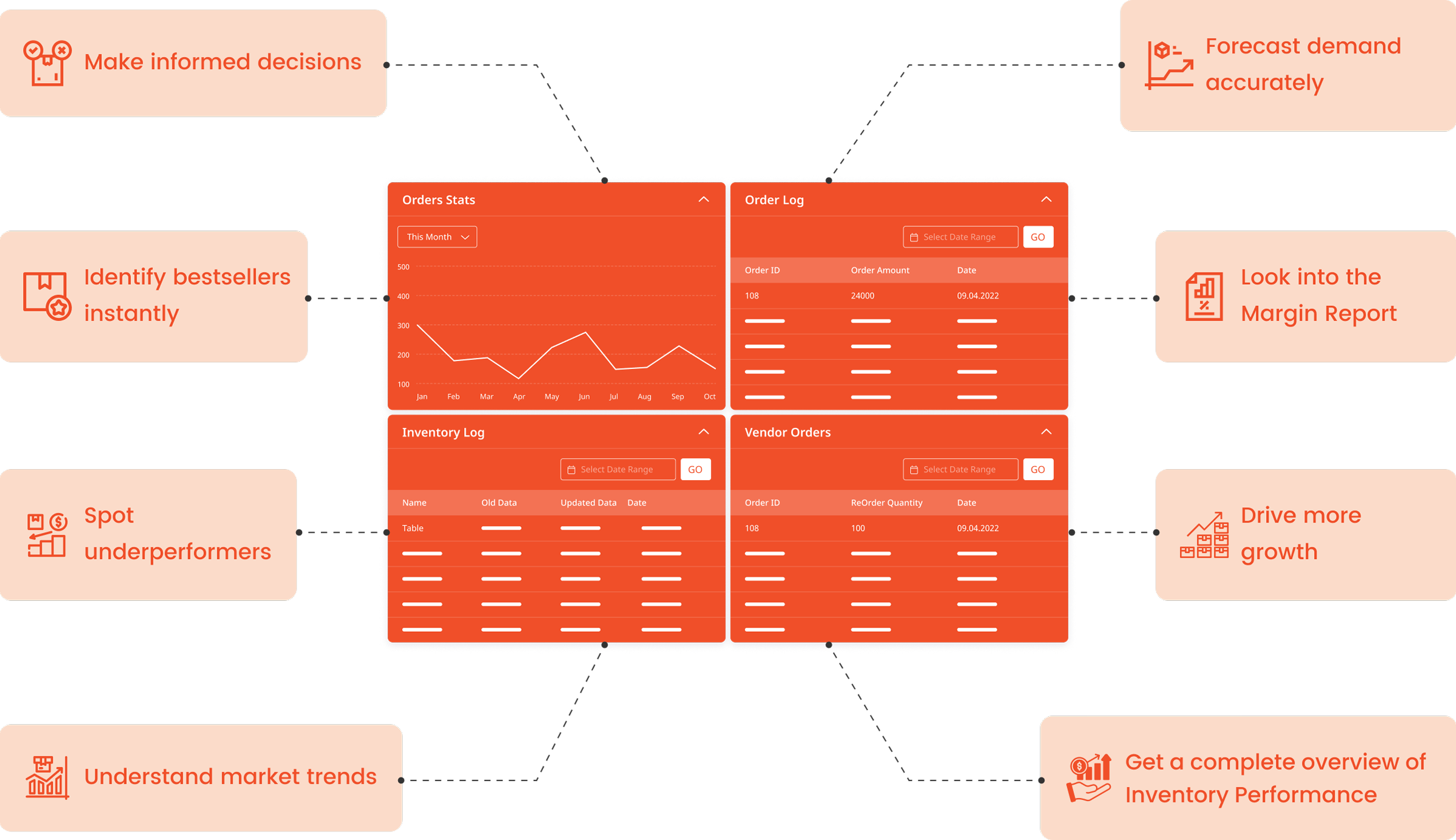
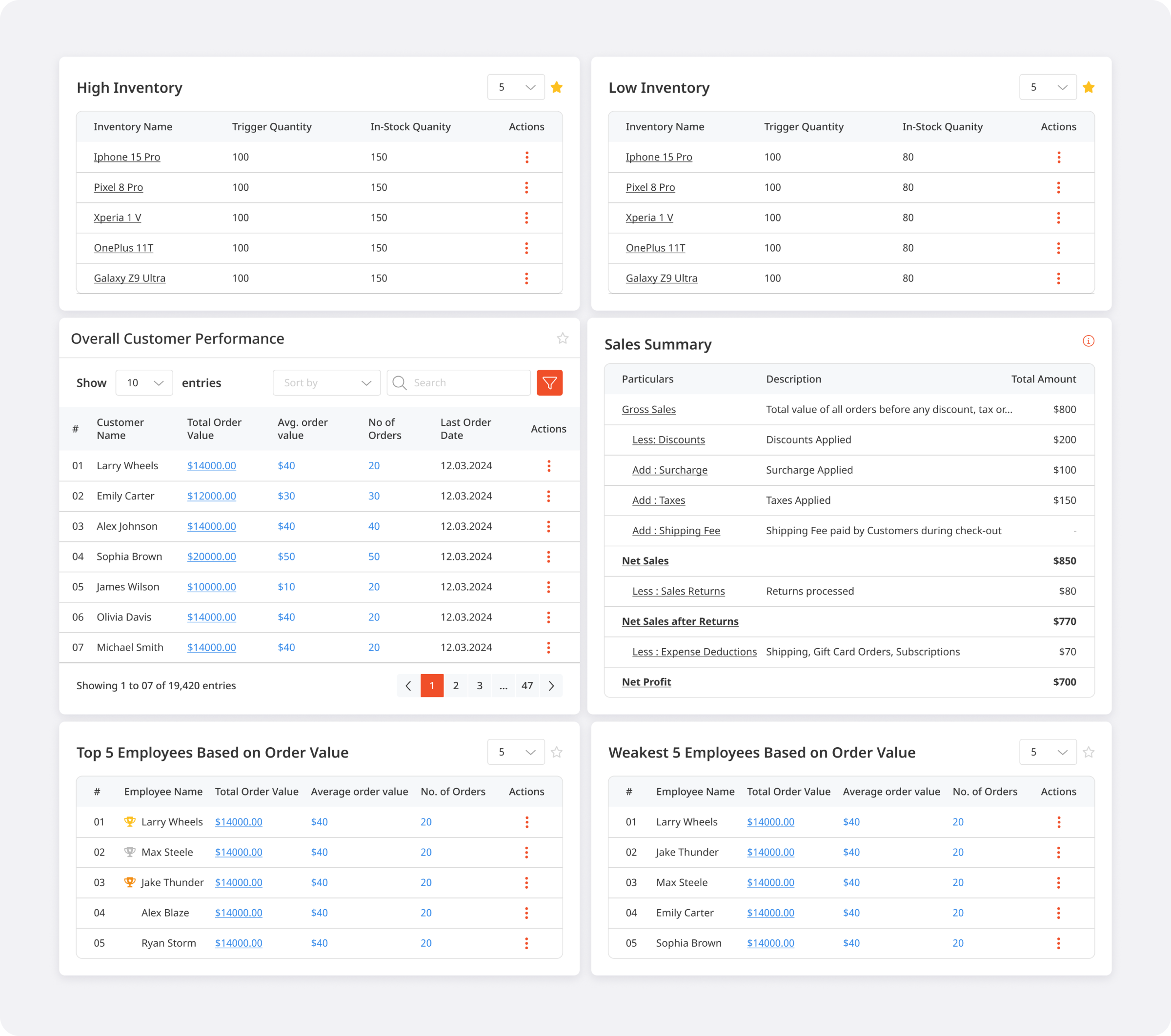
Integrating CRM with other business tools enables businesses to generate accurate, real-time reports and insights. Whether it’s sales data, customer behavior, or marketing campaign performance, real-time reporting ensures that teams have access to up-to-date information. This enables businesses to monitor KPIs, track progress, and make data-driven decisions. For example, integrating your CRM with accounting software allows your finance team to monitor outstanding invoices and ensure that all accounts are up to date. This visibility helps businesses manage their cash flow more effectively and identify areas for improvement.
5. Better Collaboration Across Teams
When CRM systems are integrated with other business tools, it improves collaboration across departments. Sales, marketing, and customer support teams can work in sync, as they all have access to the same customer data. For example, the marketing team can see which customers have responded to their campaigns, while the sales team can track ongoing deals, and customer support can address issues that may arise. This seamless communication reduces silos between departments and ensures that everyone is on the same page. Moreover, by integrating CRM with project management tools, teams can track tasks, deadlines, and customer requests more efficiently, allowing for better coordination and more timely follow-ups.
Conclusion
Integrating CRM with other business tools is no longer optional – it’s essential in today’s fast-paced business environment. CRM integration leads to centralized data, streamlined processes, improved customer experience, real-time reporting, and better collaboration across teams. By integrating CRM with email marketing, invoicing, project management, and other tools, businesses can save time, reduce errors, and increase overall efficiency.
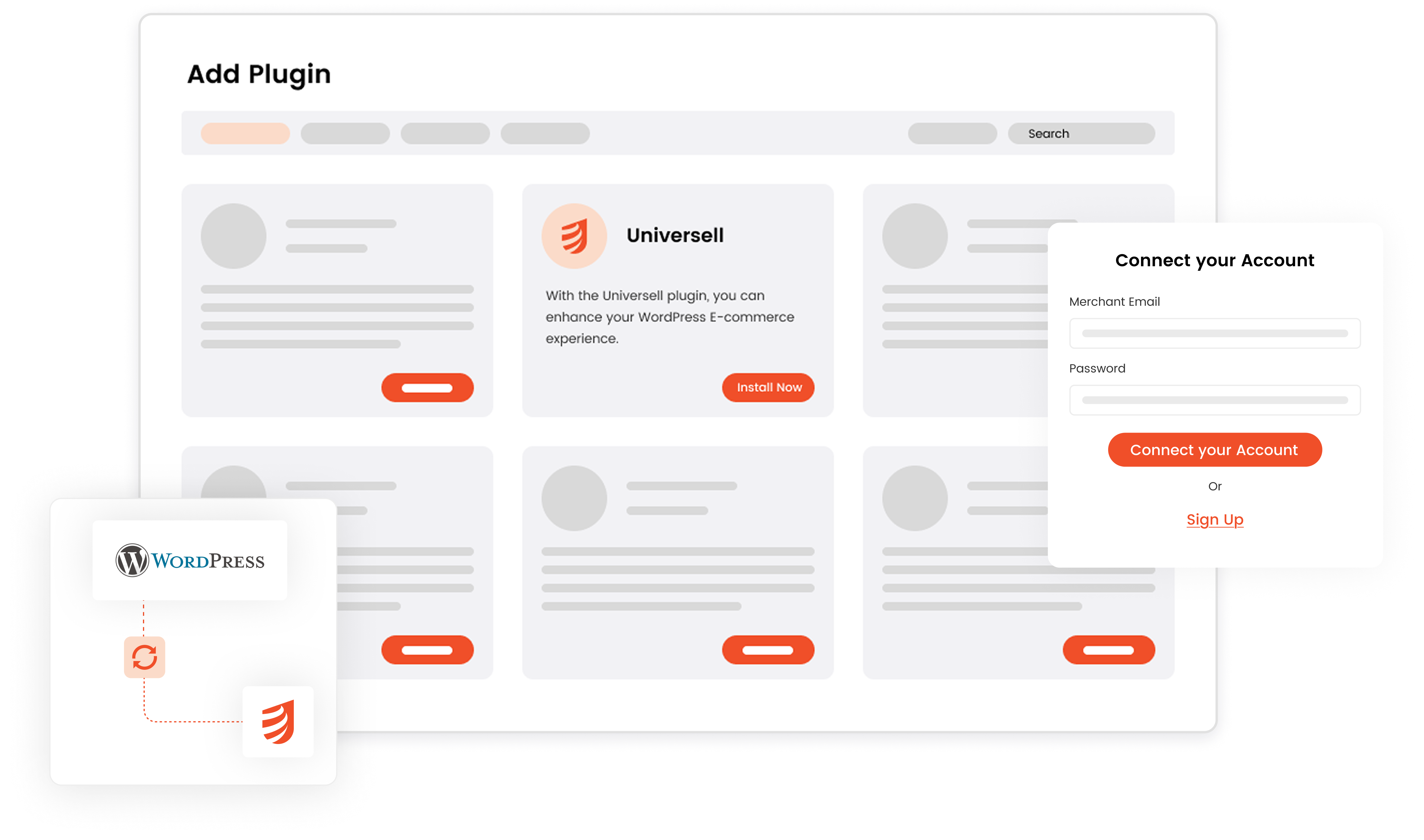
For businesses looking to streamline their operations and enhance customer satisfaction, CRM integration offers a clear path to growth. The Universell Platform offers seamless CRM integration with various business tools, helping you improve operational clarity and achieve better results.
Learn more about how Universell can help your business at universell.us
#CRMIntegration #BusinessTools #CustomerExperience #BusinessEfficiency #TeamCollaboration #UniversellPlatform #ProductivityBoost #BusinessGrowth