
Mar, 10 2026
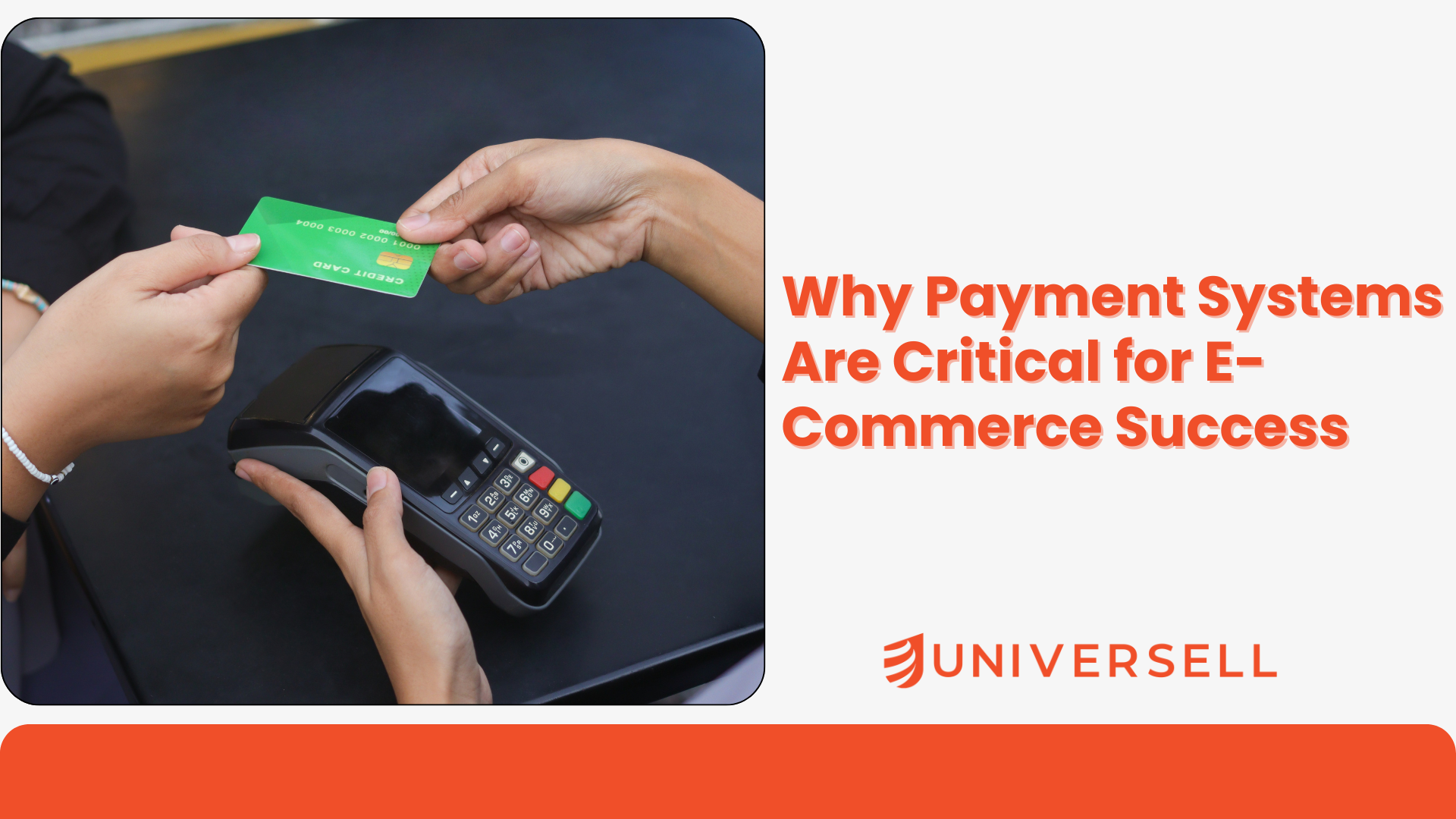
Why Payment Systems Are Critical for E-Commerce Success
In the digital world, e-commerce has become a crucial part of the global economy, allowing businesses to sell products and services to customers worldwide. However, behind every successful online transaction lies a critical component: the payment system. A payment system is more than just a tool for processing payments – it’s integral to the overall success of an e-commerce business. In this article, we’ll explore why payment systems are crucial for e-commerce success and highlight the factors that make them indispensable.
1. Ensuring Seamless Transactions
A smooth and hassle-free payment system is essential for ensuring seamless transactions on your e-commerce platform. The payment process represents the final step in a customer’s purchasing journey. Any delays or difficulties at this stage can result in cart abandonment, customer frustration, and lost sales. When a payment system is efficient and straightforward, it allows customers to complete their purchases quickly and securely. This ease of transaction leads to higher conversion rates and reduces the likelihood of customers abandoning their carts before making a purchase.
2. Building Customer Trust and Security
Security is one of the most significant factors influencing online transactions. As concerns over fraud, identity theft, and data breaches continue to grow, customers are becoming more cautious about where and how they enter their financial information. A secure payment system that uses strong encryption protocols and complies with industry standards, such as PCI-DSS (Payment Card Industry Data Security Standard), builds customer trust. When customers know their financial data is secure, they are more likely to complete their purchases and return for future transactions.
3. Supporting Multiple Payment Methods
E-commerce businesses cater to a global audience, and customers have different preferences when it comes to how they pay. While credit and debit cards are the most common payment methods, offering a variety of options can help businesses appeal to a wider audience. Payment systems that integrate with digital wallets (such as Apple Pay or Google Pay), PayPal, and buy-now-pay-later services (like Klarna or Afterpay) allow businesses to offer flexibility. This flexibility not only meets customer expectations but also increases conversion rates, as customers are more likely to complete a purchase when their preferred payment method is available.
4. Increasing Revenue Opportunities
A flexible payment system can increase revenue opportunities for e-commerce businesses by offering payment methods that cater to various customer needs. For example, offering installment plans or subscription services can make it easier for customers to purchase higher-priced items by breaking payments into smaller, more manageable amounts. Additionally, recurring billing models can create predictable revenue streams for businesses, helping with cash flow management. By accommodating different payment preferences and financial situations, businesses can attract a larger customer base and increase overall sales.
5. Reducing Operational Costs
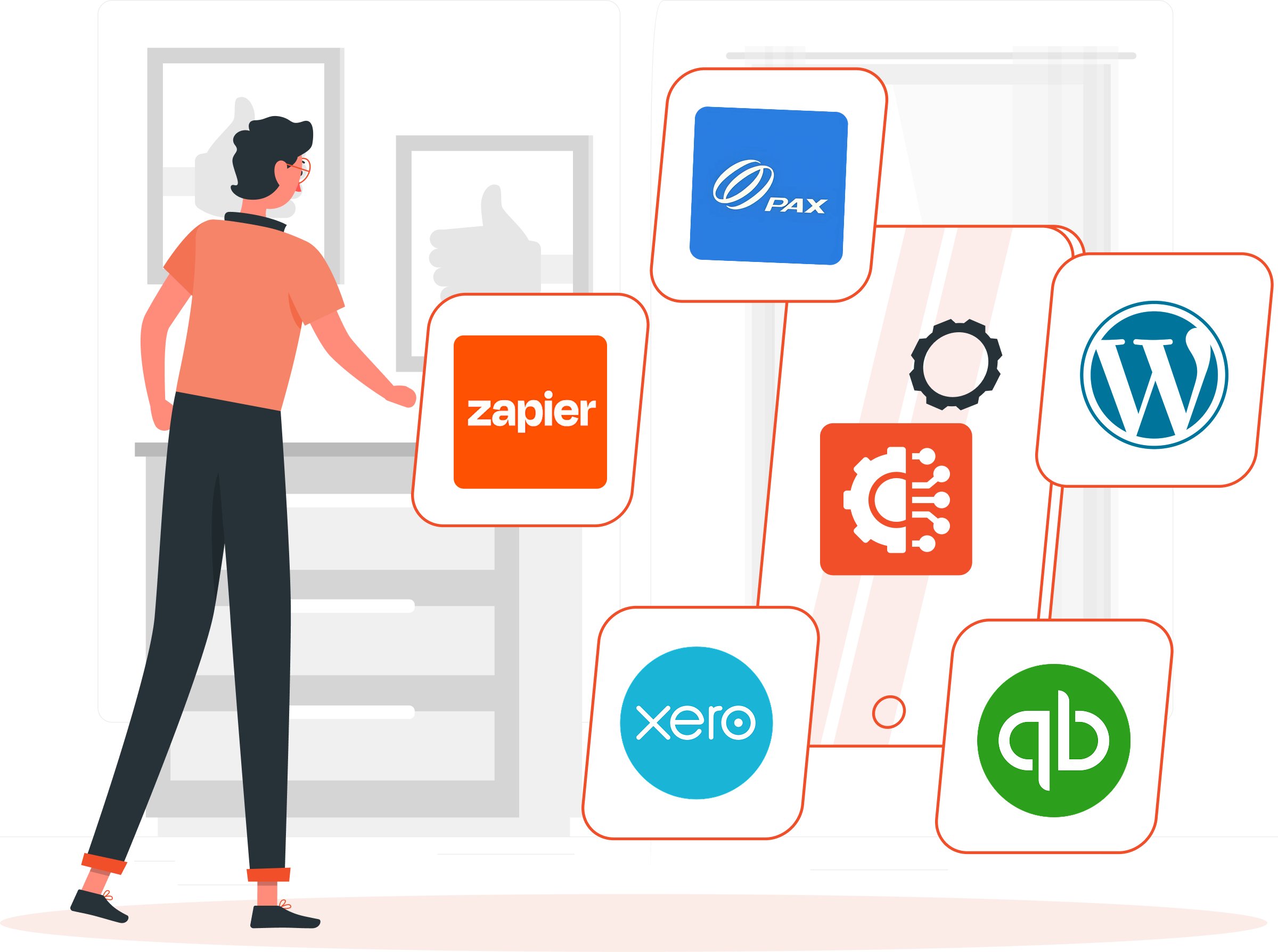
An integrated payment system can significantly reduce operational costs by automating manual tasks like invoicing, tracking transactions, and managing accounts. This reduces the administrative burden on employees, allowing them to focus on more valuable tasks like customer service or marketing. Furthermore, integrating payment systems with inventory and accounting software helps eliminate errors and ensures that financial data is up to date in real time. This streamlined process saves time and lowers operational expenses, allowing businesses to allocate resources more effectively.
6. Enhancing Customer Experience
A seamless, intuitive payment experience is key to enhancing overall customer satisfaction. Today’s online shoppers expect a frictionless, efficient experience from browsing to checkout. A payment system that offers features like one-click purchasing, saved payment methods, and mobile-friendly checkout options contributes to a smoother, more enjoyable shopping experience. Additionally, providing instant order confirmations and digital receipts helps to keep customers informed and satisfied with their purchase, leading to increased customer loyalty and higher chances of repeat business.
Conclusion
Payment systems are more than just a technical requirement – they are essential for e-commerce success. A secure, flexible, and efficient payment system can increase conversion rates, build customer trust, and improve operational efficiency. By offering multiple payment options, enhancing the customer experience, and reducing operational costs, businesses can pave the way for long-term success and growth.
For businesses seeking a comprehensive e-commerce solution, Universell Platform offers integrated tools to optimize payments, inventory, and customer experiences. Learn more about how the Universell Platform can streamline your business at www.universell.com
#EcommerceSuccess #PaymentSystems #OnlinePayments #CustomerExperience #PaymentSolutions #BusinessGrowth #Universell #RetailOptimization #IntegratedSolutions