Running a business today means managing more moving parts than ever before. Marketing, client communication, sales pipelines, scheduling, invoicing, inventory, payments, and automation all demand attention. Most growing businesses try to handle them with a patchwork of disconnected tools that were never designed to work together. That is exactly why all-in-one business platforms have become the operational backbone for serious entrepreneurs and growing teams in every industry.
At Universell, we have seen what happens when businesses try to scale without a unified system. Leads fall through the cracks. Follow-ups get delayed. Revenue opportunities disappear simply because the tools never talked to each other. An all-in-one approach fixes that at the root.
What Is an All-in-One Business Platform?
An all-in-one business platform is a unified software system that combines every core tool a business needs to operate, market, sell, and scale into a single connected environment. Instead of subscribing to eight or twelve separate tools and manually connecting them, everything runs under one dashboard with data flowing automatically between functions.
Understanding the Real Cost of Disconnected Tools
Most business owners do not fully recognize how much their disconnected software stack is costing them until they sit down and calculate it. The financial cost is one part. The operational cost is often worse.
A business using eight tools at an average of $50 per month is spending $400 monthly on software that does not communicate, requires constant manual data transfer, and creates a different learning curve for every team member who touches it. That same business is also losing time to:
Every gap between tools is a place where something can be missed, delayed, or lost entirely. For a solo operator that means personal time. For a growing team it means revenue. Universell was built specifically to close those gaps and give businesses one system that handles everything.
What All-in-One Business Management Software Actually Solves
The real value of all-in-one business management software is not convenience. It is operational leverage. When every function shares the same data, the same automation, and the same reporting layer, the entire business operates with more precision and less friction.
Here is how the shift plays out in practice:
1. Unified Data Across Every Function
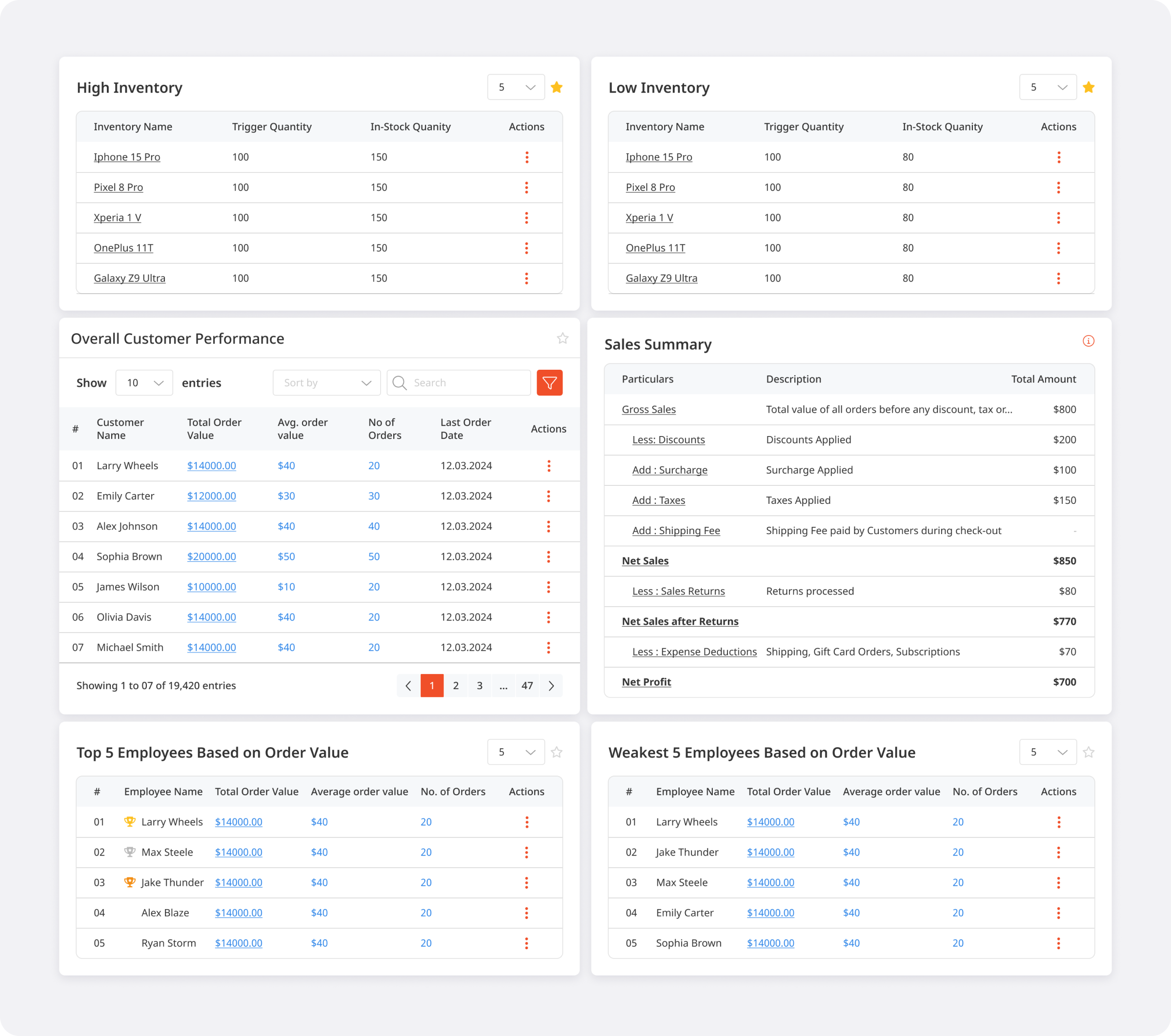
With a single platform, a contact created in your CRM is immediately accessible to your email campaigns, your pipeline, your invoicing, your inventory, and your analytics. There is no duplication, no import-export cycle, and no version of the truth that differs from one tool to the next. Every team member sees the same information in real time.
2. Automation That Spans the Entire Customer Journey
Separate tools can automate within their own environment, but they cannot automate across each other without complex integrations that break constantly. An all-in-one platform runs automation from the first touchpoint to the final invoice inside one connected system. Lead comes in, sequence starts, appointment books, reminder sends, payment collects — all without manual intervention.
3. Reporting That Means Something
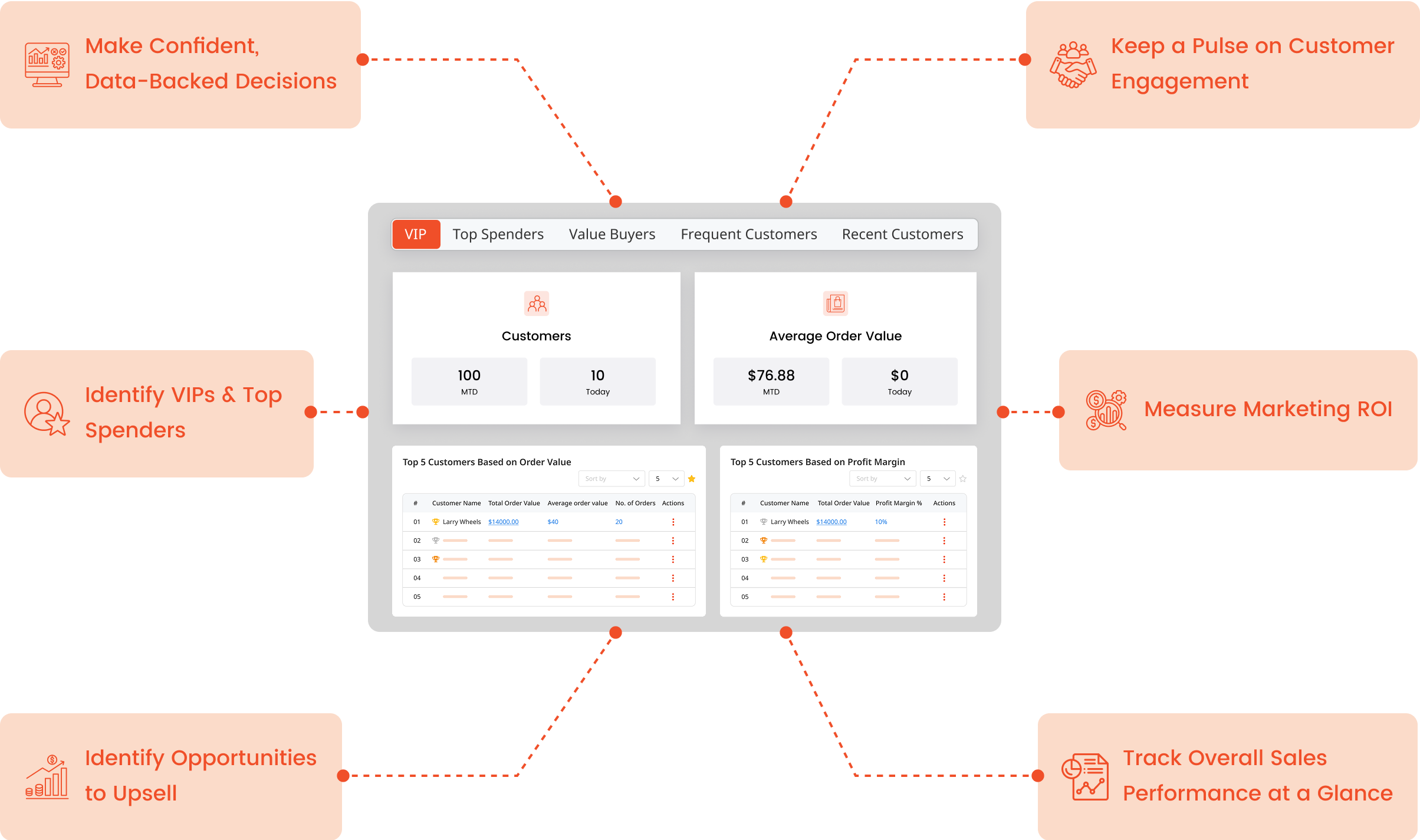
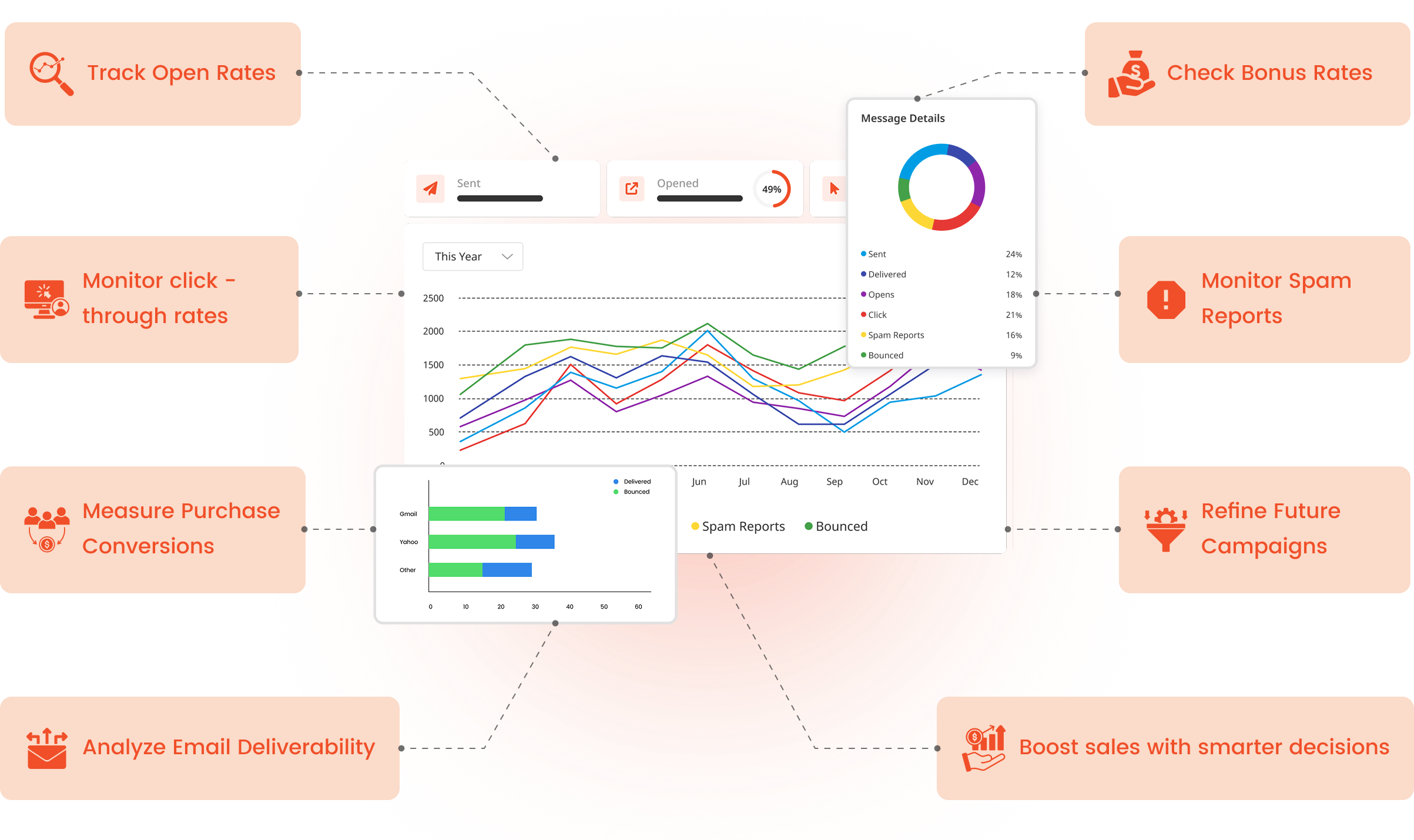
When all your data lives in one place, your reporting tells the full story. You can see which marketing campaign generated the lead, how long it took to convert, what the lifetime value looks like, and where the process slowed down. That level of visibility is impossible when your analytics tool is separate from your CRM, which is separate from your email platform.
4. Simplified Onboarding for New Team Members
One platform means one training process. When you add a team member, they learn one system, one login, and one interface. That reduces ramp-up time significantly and makes it easier to maintain consistency in how your business operates regardless of who is running it on any given day.
How an All-in-One Platform Directly Drives Business Growth
There is a direct line between operational clarity and business growth. When your system handles the follow-up, the scheduling, the onboarding, and the reporting, your attention goes exactly where it generates revenue: building relationships, refining offers, and making strategic decisions.
The three areas where an all-in-one platform accelerates growth most visibly are:
Lead conversion: Automated follow-up sequences mean no lead goes cold because someone forgot to send an email. Speed of response matters, and a system that engages leads instantly wins more deals than one waiting for a human to act.
Client retention: A connected CRM with automated check-ins, review requests, and appointment reminders keeps clients engaged between purchases and reduces churn without adding administrative load.
Team capacity: When your system handles repetitive tasks automatically, your team focuses on work that actually requires human judgment. That shift multiplies output without multiplying headcount.
At Universell, businesses report an average of 15–25% growth year over year thanks to AI-powered automation, loyalty programs, rewards, and sequenced messaging. The growth is not accidental. It is what happens when the right systems are in place.
What to Look for When Choosing a Platform
Not every all-in-one platform is built the same way, and making the wrong choice costs more than it saves. Before committing, evaluate these five areas carefully:
1. Does It Replace Your Entire Current Stack?
List every tool you pay for and confirm the platform covers each function. A partial replacement still leaves you with a split system and a split workflow. The goal is consolidation, not addition.
2. How Powerful Is the Automation?
Basic automation that only triggers emails is not enough. Look for conditional workflows that respond to behavior, time delays, and engagement signals. The automation should handle complex multi-step sequences without requiring technical expertise to build or maintain.
3. What Does Onboarding and Support Look Like?
A powerful platform you cannot fully use is wasted. Strong implementation support, training resources, and ongoing technical assistance matter as much as the feature list. Ask specifically how the platform gets you operational, not just signed up.
4. Is It Built for Your Business Type?
Some platforms are designed primarily for e-commerce. Others are built for service-based businesses, agencies, or creators. Make sure the core tools match how your business actually operates, not just how the platform markets itself.
5. Can It Scale With You?
The platform that works for ten clients needs to work just as cleanly for two hundred. Confirm that pricing, performance, and functionality all scale before you build your operations around the system.
Why Businesses Are Moving Toward All-in-One Solutions
The trend toward unified platforms is not driven by convenience alone. It is driven by results. Businesses that consolidate their operations into a single system consistently report faster response times, fewer missed leads, cleaner reporting, and lower total software spend than those managing a fragmented tool stack.
The businesses doing this well are not necessarily bigger or better funded. They have simply made a deliberate decision to build their operations on a connected foundation rather than a collection of apps held together with manual effort and optimism. That decision compounds over time.
Why Universell Stands Out
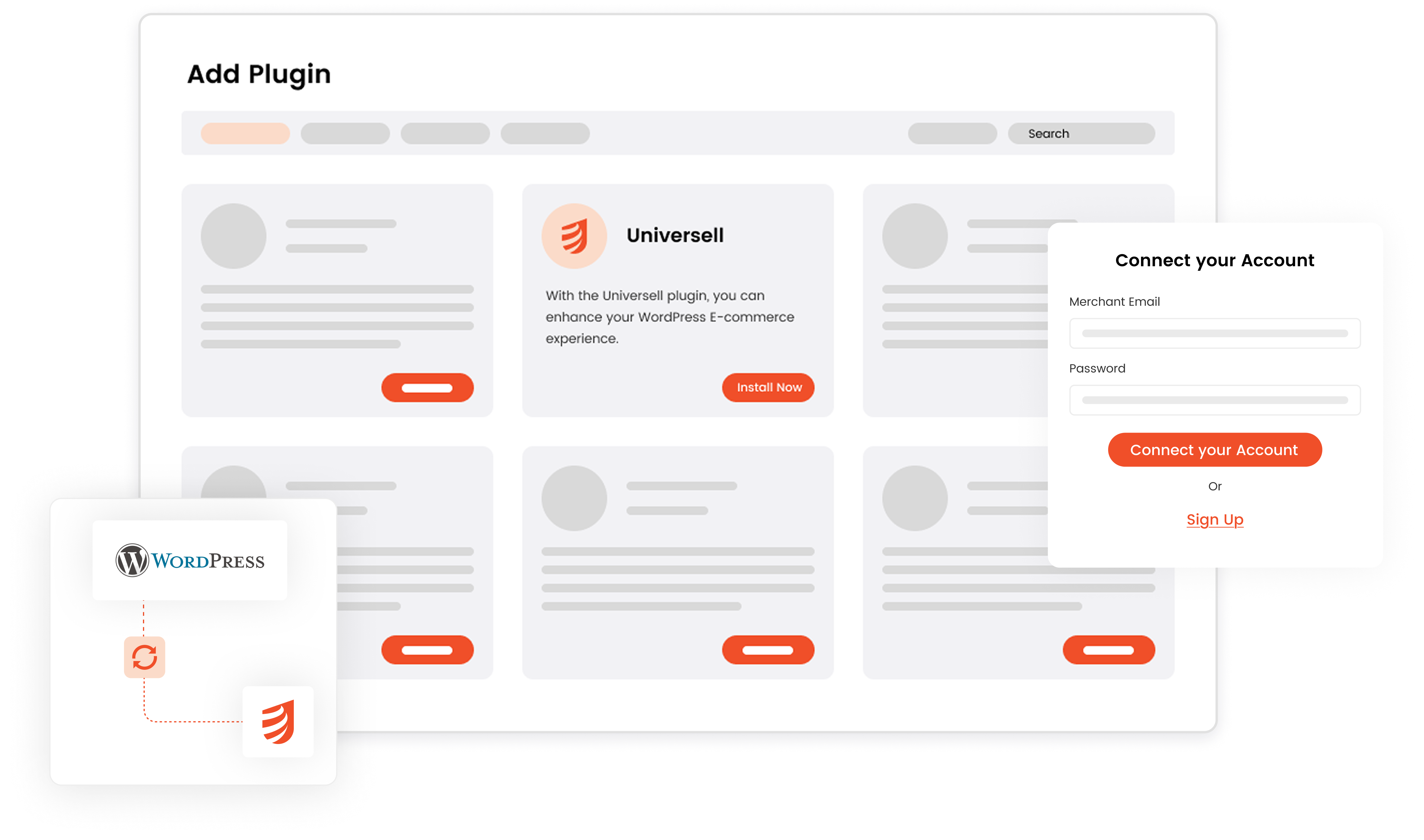
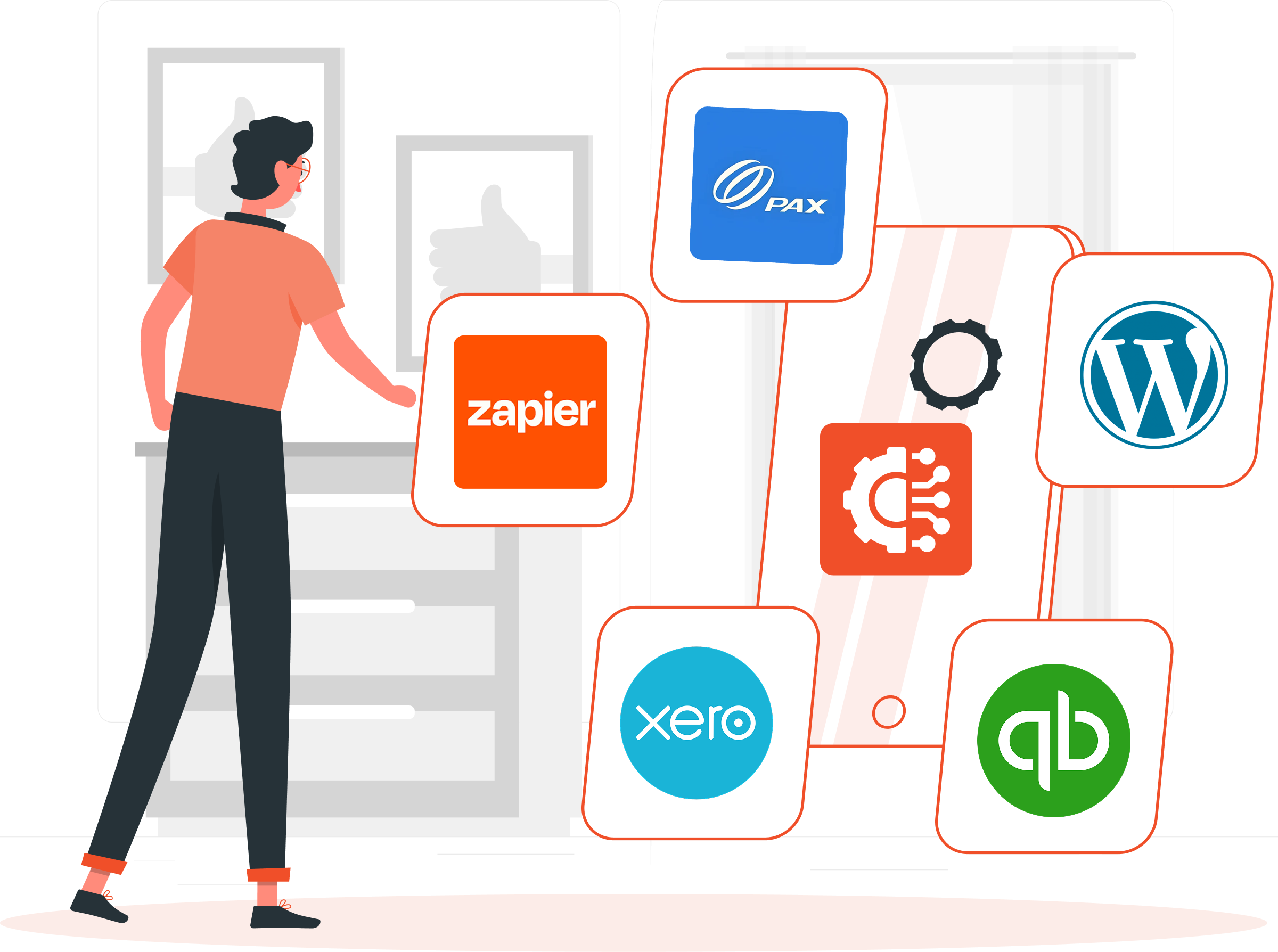
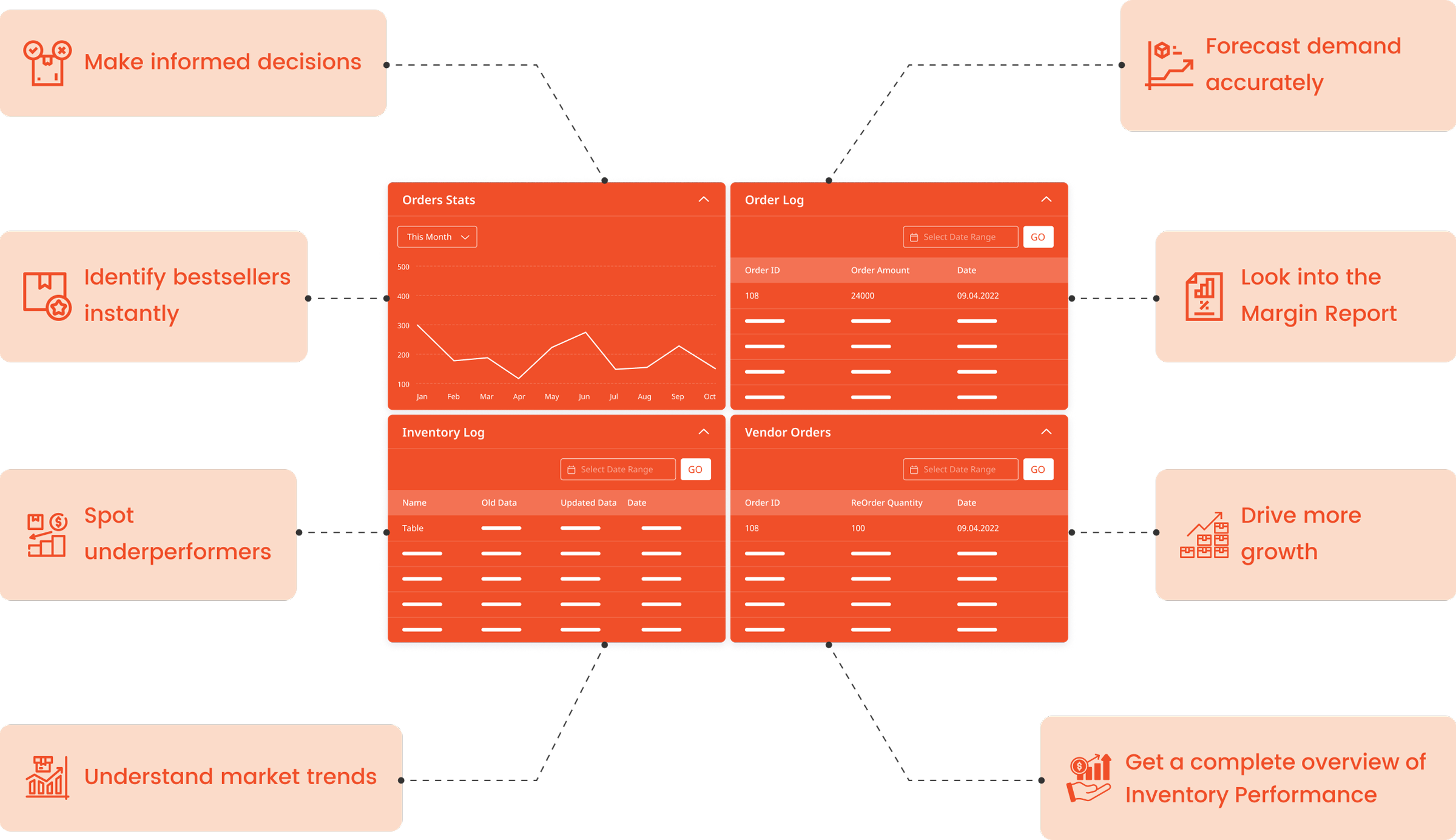
Universell is more than just another all-in-one business platform. It is a unified data engine that brings together back-office operations, employee collaboration, management, leads and deal management, telephony, CRM, inventory, marketing, sales, payments, POS, and e-commerce, all powered by AI to take your business to the next level.
Where most platforms cover a handful of functions, Universell brings 100+ integrated business tools into one place under a single login. That means no more patching systems together, no more syncing issues, and no more paying for 10 to 20 different subscriptions. One monthly price replaces the $1,800+ per month that a typical disconnected stack can cost.
Businesses using Universell report:
- 10–34% increase in efficiency, giving owners more time to focus on what matters
- 15–25% average growth year over year through AI-powered automation and customer retention
- Up to 2x revenue growth from stronger online presence and impactful email marketing
- A week saved per month by automating tasks, managing orders, and streamlining staff scheduling
- $18,000+ saved per year by replacing four or more expensive platforms with one
With over 21 years of software development behind it, Universell combines enterprise-level security with instant setup, deep analytics, and the flexibility to scale from a solo shop to a multi-channel business. Whether you run a retail store, a service business, or an e-commerce brand, everything you need runs under one roof.
Ready to Consolidate?
The cost of a fragmented tool stack is not just the monthly subscriptions. It is the missed leads, the delayed follow-ups, the hours lost to manual data entry, and the growth that never happened because your systems could not talk to each other.
An all-in-one business platform fixes that at the root. And with Universell, you get everything your business needs in one connected, AI-powered system, starting at just $39.95 per month with a 30-day free trial. No credit card required. Cancel anytime.