Migrating business software is one of the highest-risk projects a company can take on. Not because the software is bad, but because the data is complicated. Years of customer records, transaction history, supplier agreements, and operational workflows live across systems that were never designed to talk to each other. Move that carelessly and you lose more than records. You lose revenue, trust, and staff confidence in the new system.
This guide covers what actually goes wrong, what to prepare, and how to run a migration that protects your business.
Why Businesses Migrate in the First Place
Companies rarely switch systems on a whim. The usual triggers:
- The old system cannot handle multi-channel operations. Online orders, in-store sales, and back-office processes do not talk to each other.
- Data accuracy has collapsed. Staff stop trusting the numbers and start keeping their own spreadsheets.
- Reporting is manual. Someone exports to spreadsheets every week to answer basic questions.
- Growth has outgrown the tool. A second location or a larger team breaks a system built for a smaller operation.
- Vendor support has degraded. Updates stopped, or every request becomes a paid custom job.
If two or more of those sound familiar, the migration is overdue. The question is not whether to move, but how to move without bleeding revenue.
The Real Risks During Migration
Most migration failures are not technical. They are operational.
- Revenue loss during the transition window. If staff cannot process a sale or check stock, the business slows down, and a slow front line is a lost sale.
- Records diverging across systems. If your operational data, CRM, and accounting disagree after go-live, you spend months reconciling instead of selling.
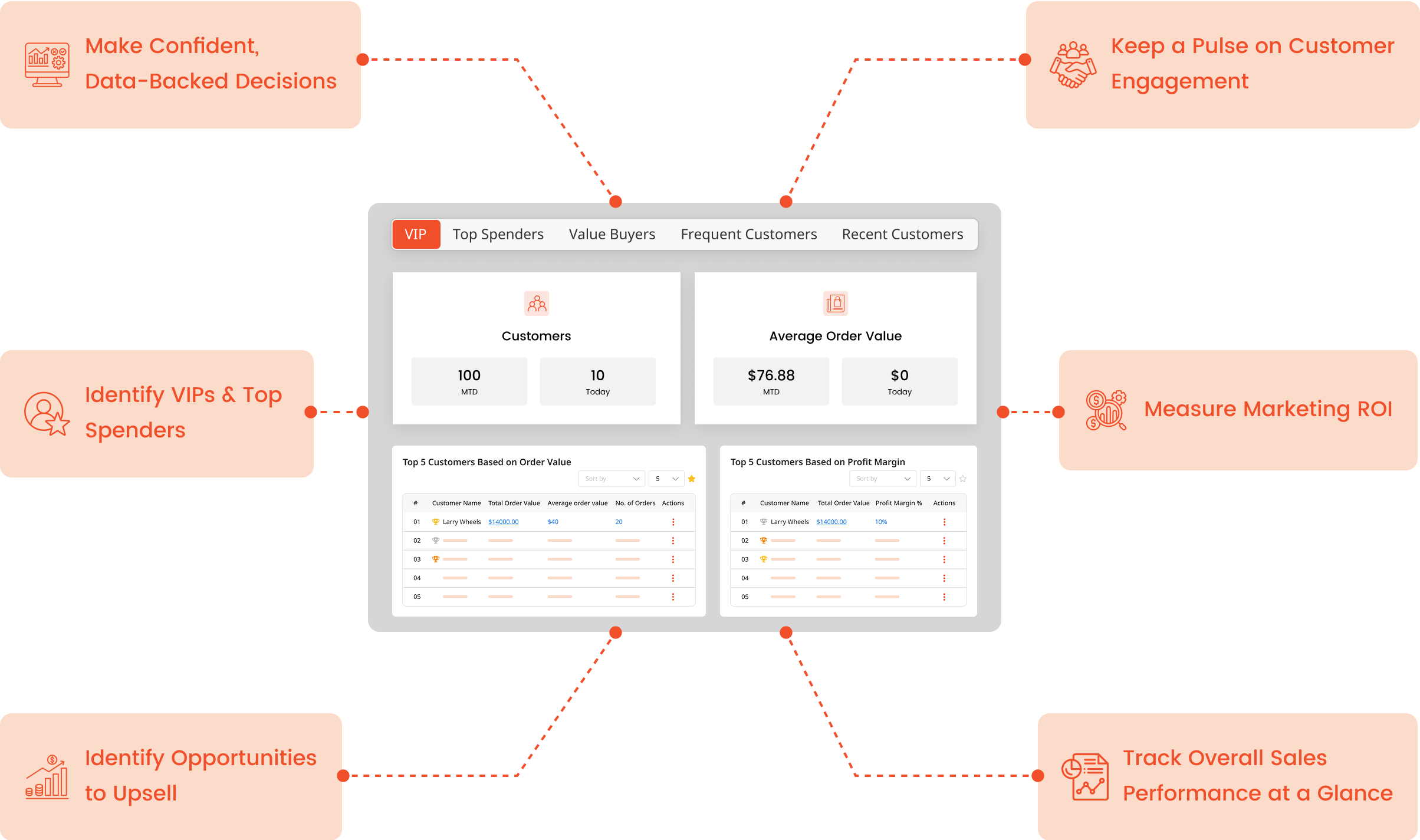
- Customer history going dark. Losing purchase and interaction history destroys your ability to follow up, upsell, and retain accounts.
Staff reverting to old habits. When a new system is confusing, employees quietly keep a parallel spreadsheet, and that is how migrations fail six months after launch.
Common Migration Mistakes Businesses Make
This is where most projects go wrong, and it is almost always the same list.
- Importing duplicate customer records. The same customer exists in your old system, your email tool, and your ecommerce platform. Import all three without deduplication and you get three profiles and split history.
- Migrating inactive data. Teams import every record ever created, including closed accounts and obsolete products. This bloats the system and makes reporting meaningless.
- Not reconciling historical transactions. If past sales are not reconciled against accounting, every comparison you run in year one is unreliable.
- Failing to test critical workflows. Order fulfilment, approvals, and billing cycles break most often because they involve staged steps and multiple people. Test them end to end before launch.
- Training staff after launch instead of before. Training on go-live day means your team learns while serving customers. Train before, in a sandbox, with your own data.
- No parallel run. Cutting over completely on a Monday morning with no fallback is the most avoidable risk in the project.
- Treating export as an afterthought. Ask early how you get your data out, in what format, and at what cost. A vague answer is a warning.
What to Prepare Before You Start
Preparation is where migrations are won. Work through this before anyone touches the import tool.
- Build a data inventory. List every system holding business data, what it holds, and who owns it.
- Clean your customer list first. Deduplicate, merge, and standardise before import, not after.
- Decide your active records. Define which customers, products, and accounts carry forward, then archive the rest.
- Map your fields. Match your existing fields to the new system’s structure, including custom attributes, so nothing gets flattened.
- Set a cutover date and a freeze window. Pick a slow trading period and freeze changes to the old system so the final export is clean.
- Assign internal ownership. One person owns the migration, with authority to make decisions. Not a committee.
- Agree your success criteria. Define what success looks like, such as accurate records and staff completing tasks unaided, so you can verify it.
How Long a Business Software Migration Usually Takes
Timelines vary with data volume and the number of systems involved, but a realistic shape looks like this:
- Preparation and data cleaning: 2 to 6 weeks, and the most underestimated phase.
- Field mapping and test import: 1 to 2 weeks.
- Workflow configuration and testing: 1 to 3 weeks, longer with approvals or multi-step processes.
- Staff training: 1 to 2 weeks, ideally overlapping with testing.
- Parallel run and go-live: 1 to 4 weeks depending on risk tolerance.
For a small business, six to ten weeks end to end is typical. Larger or multi-location operations should be planned for three to six months. Anyone promising a weekend cutover has not done this before.
Data Synchronisation and System Connections
For most businesses, this is the technical heart of the migration.
Your operational data, customer records, and financial systems must reflect the same reality at the same moment. If they do not, you duplicate work and spend your days correcting records instead of growing the business.
Key points to get it right:
Train before launch, not after. Use real scenarios your team already handles, and give each role training specific to what they actually do. Then launch in stages. Run both systems in parallel, verify the data matches, fix what does not, and only then cut over fully.
Keep a rollback plan. Knowing it exists lets your team commit to the new system instead of hedging.
How Universell Simplifies Business Software Migration
Everything above is the work that makes a migration succeed. Universell is built to remove most of it.
- Fast loading at scale. Large files load quickly, so thousands of records and years of history move without the platform stalling.
- Guided onboarding. Support is built around your business, so you are walked directly to the modules that matter for your model.
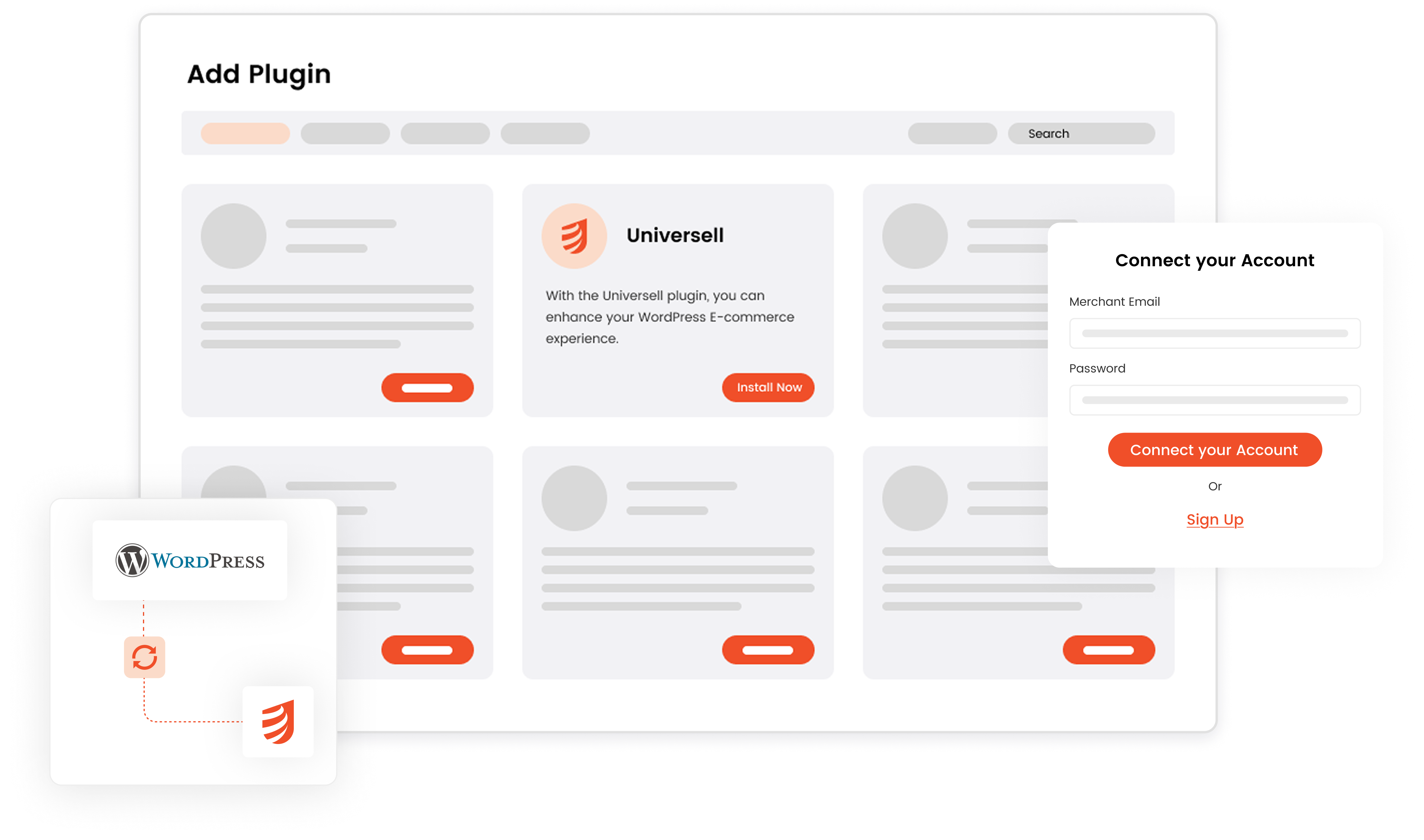
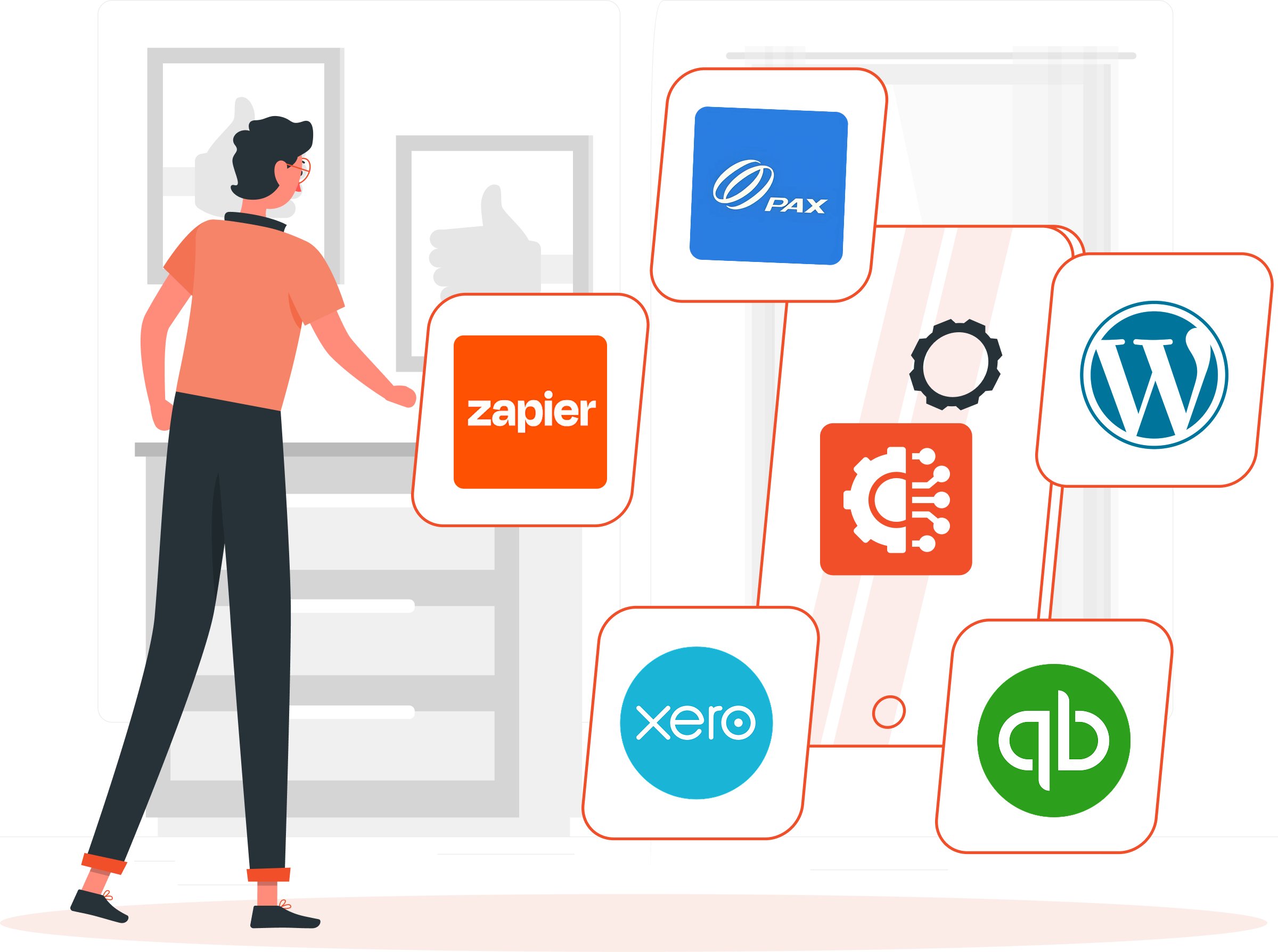
- Integrations that connect what you already run. Your ecommerce store, payment processor, accounting system, and shipping providers plug in, so you are not rebuilding your operation.
- Support that does not expire. Onboarding is not a two-week window, and questions in month three or month nine still get answered.
The One Truth
Universell is a unified data engine that runs your business, bringing together back-office operations, employee collaboration, management, leads and deal management, telephony, CRM, inventory, marketing, sales, payments, POS, and e-commerce, powered by AI to take your business to the next level.
Work smarter, put in fewer hours.
With Universell tools, efficiency increases by 10-34%, giving you more time to truly enjoy life.