Jewelry inventory management is the practice of tracking serialized, high-value merchandise from the day it arrives to the day it sells. Handled well, it protects your margins and your insurance coverage, and it lets you locate a specific ring the moment a customer asks.
Why Jewelry Breaks the Retail Rules
Generic retail advice falls apart in a jewelry store. A grocery chain tracks thousands of identical units. You track individual pieces, each with its own certification, cost, and history.
- Serialized, one-of-a-kind pieces: Five solitaires under one SKU can carry five different diamond certificates and stone qualities. Tracking by serial number stops double-selling and catches theft early.
- Linked appraisals and documentation: Insurance, resale, and repairs all depend on paperwork tied to the specific item. Keep that paperwork attached to the record so claims resolve without a fight.
- Consignment and memo goods: Around 68% of jewelry goods sold in 2025 came in on memo. Separate memo from owned stock so your cost-of-goods figures stay accurate.
- High value per unit: General retail averages about 1.6% shrinkage, but jewelry stores run higher because merchandise passes through many hands.
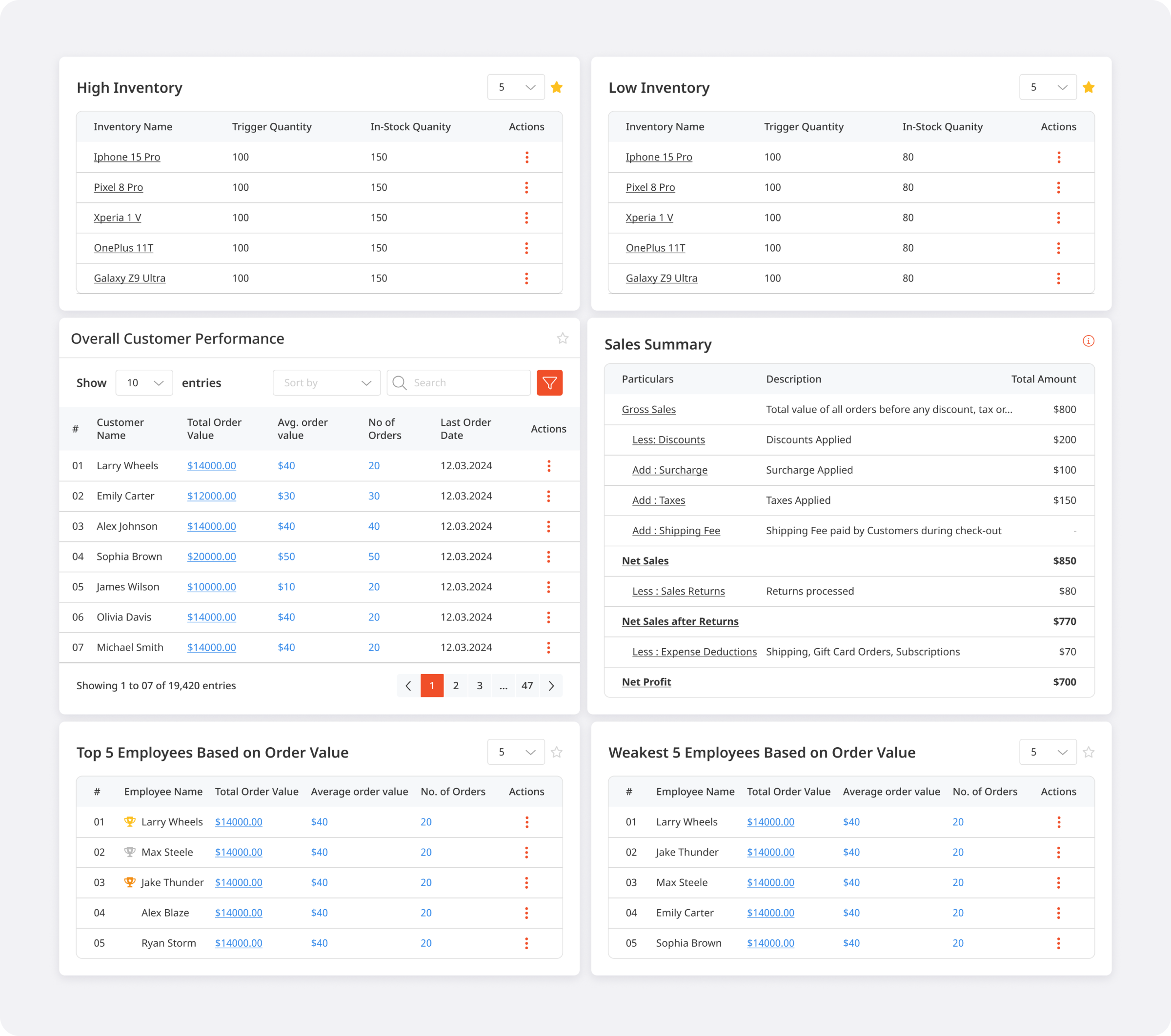
A generic POS system treats a $12,000 bracelet the same as a $12 phone case. Jewelry-specific tracking links the serial number, certificate, and location into one record, so the item never becomes a mystery.
The Inventory Lifecycle in Five Stages
All merchandise moves through five stages, and strong management tracks items at every one: receiving, tagging, tracking, selling, and reordering. Gaps at any stage ripple forward. Items received without serial numbers cannot be tracked, and stock that is not tracked cannot be audited accurately.
Which Inventory Method Fits a Jewelry Store?
Four methods show up in most retail guidance, and they do not all fit jewelry equally well.
- FIFO (first in, first out): Limited fit. Works for fashion pieces and consumables, less so for serialized fine jewelry.
- LIFO (last in, first out): Rarely practical, since individual pieces carry their own serial numbers.
- ABC analysis: Strong fit. Rank inventory by value so diamonds and bridal get tighter counts and greater security than costume pieces.
- EOQ (economic order quantity): Use selectively, for repeatable stock like wedding bands and chains.
For most jewelers, ABC analysis carries the most weight. A practical rhythm is to count “A” items monthly, “B” items quarterly, and “C” items annually.
7 Tips That Actually Move the Needle
- Clean your data first. Merge duplicate SKUs into one master record per item, add missing metal, stone, vendor, serial, and pricing details, and work in batches of 20 to 30 records a week so the cleanup does not stall.
- Serialize everything. Assign a unique number to every piece using a format like a vendor code, year, and sequence. Link certificates, appraisals, repairs, and invoices to that one number, and track status changes such as “Out for Repair”.
- Organize by metal, stone, and vendor. Subcategorize by metal and purity, then by stone and setting, and tag vendor details so you can pull a full designer line at once. Use size variants instead of creating a SKU per ring size.
- Link repairs and appraisals to inventory records. Attach repair tickets to the serial number with status and expected completion date, store appraisals as linked files, and track custom orders in the same system from design through delivery.
- Treat tracking as insurance strategy. Detailed, serialized records are often expected by jeweler’s block insurers to substantiate claims on high-value pieces.
- Audit by value tier. Concentrate counts and security where the money is, rather than forcing a full count every time.
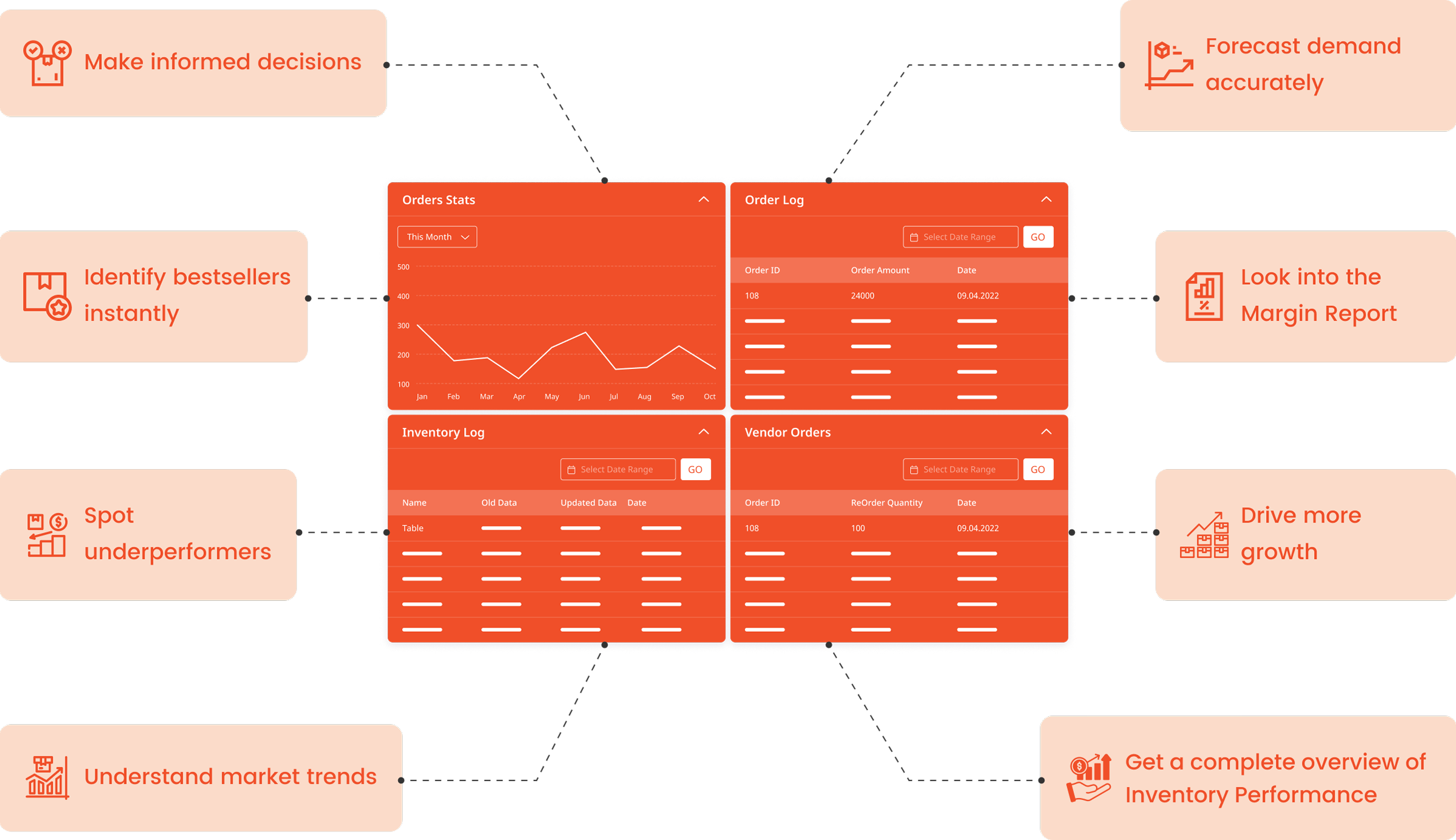
- Let sales data drive reordering. Restock alerts for fast movers, markdown flags for slow stock, and turnover reporting that tells you which capital is sitting still.
Where Universell Fits
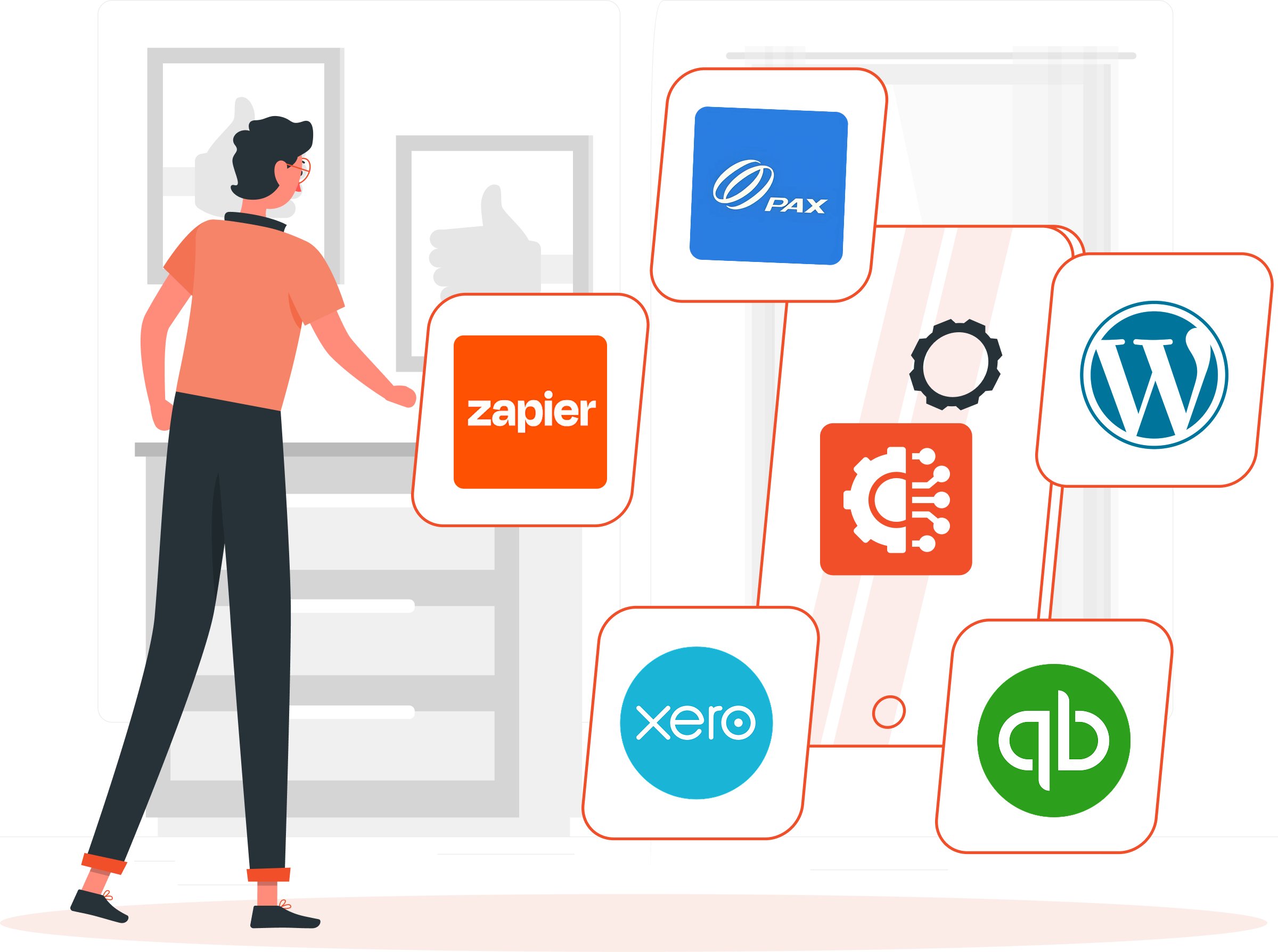
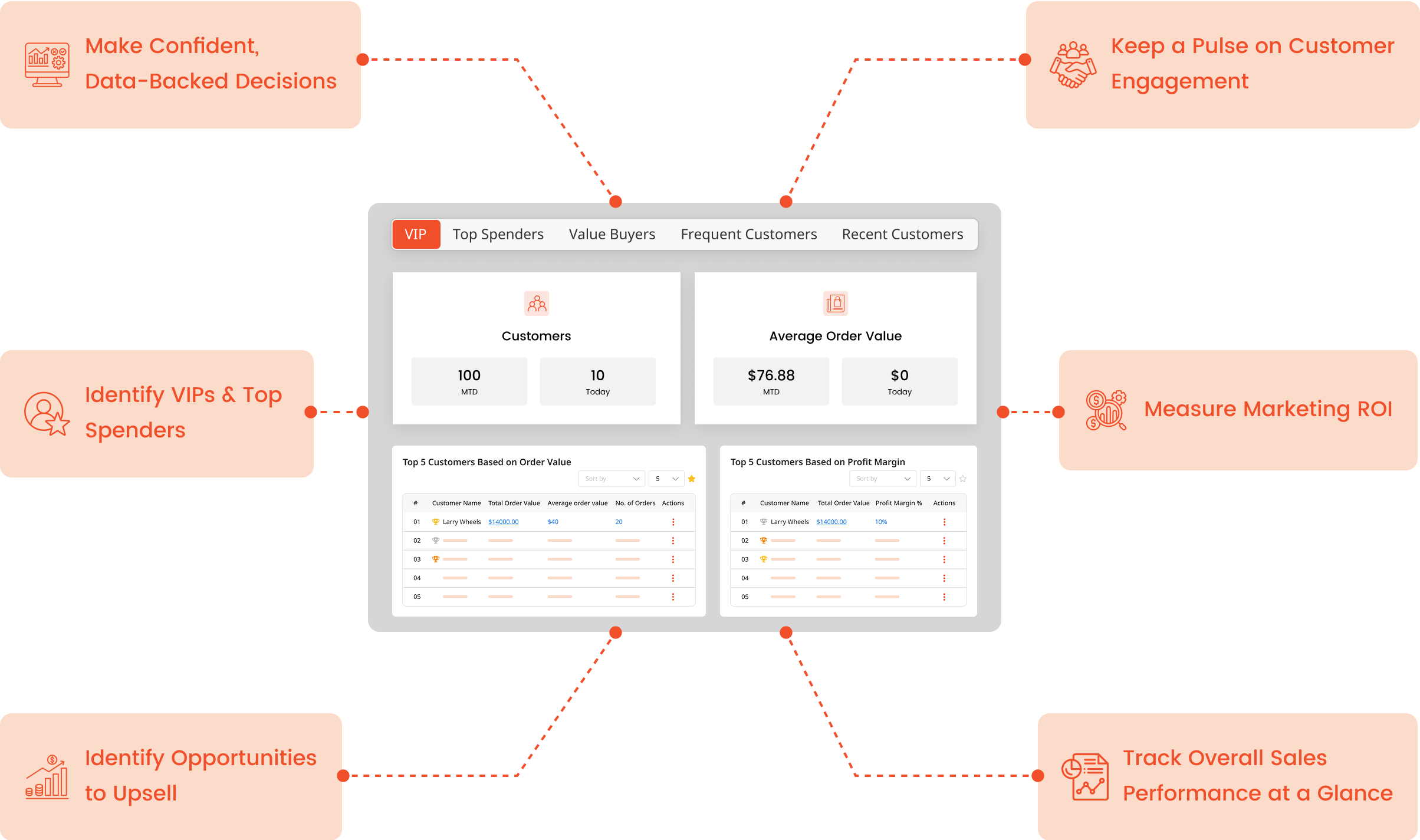
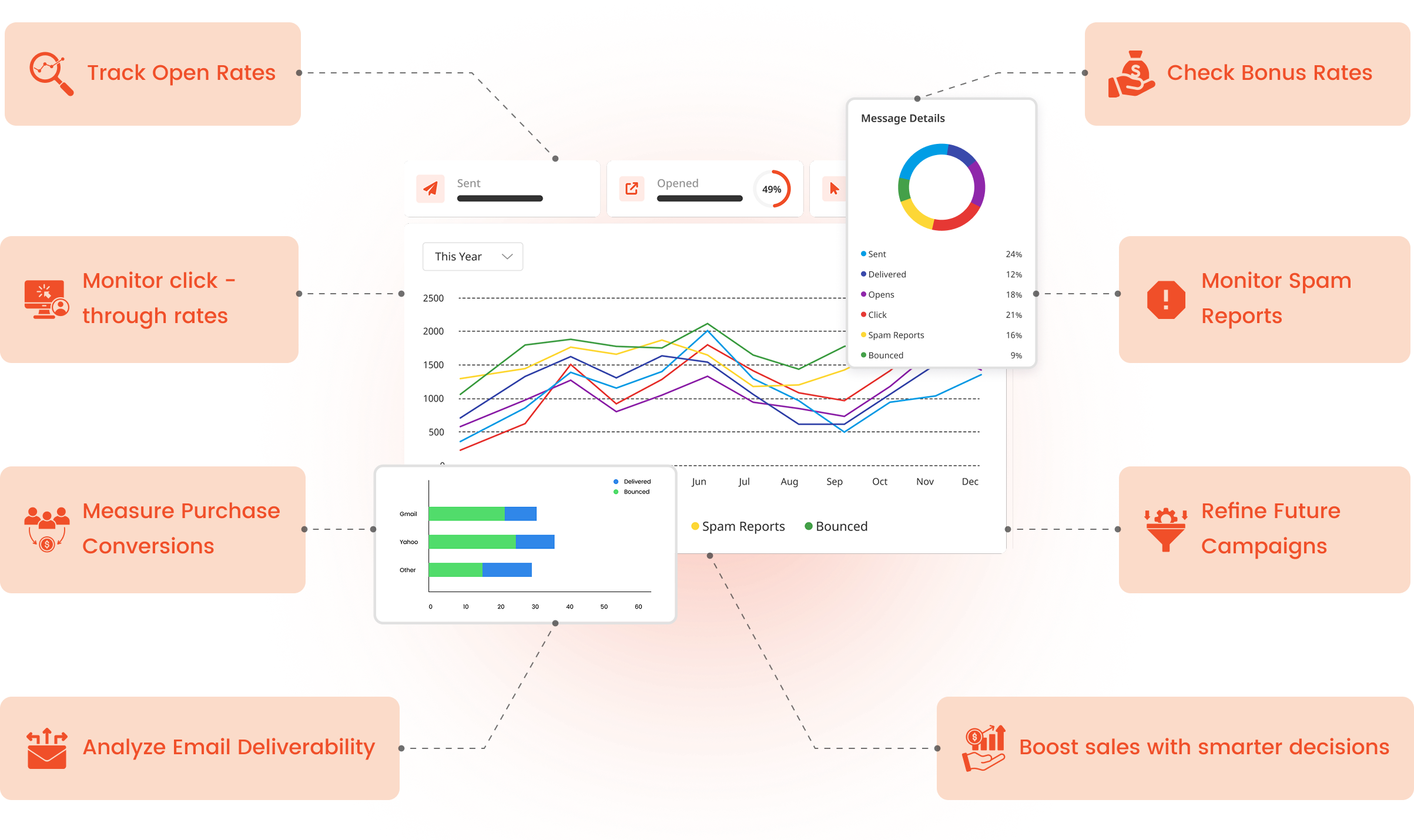
Most jewelers end up running inventory in one system, repairs in another, and marketing somewhere else. Universell runs all of it as one data engine, so a sale updates the count, the customer record, and your reporting at the same time. You get inventory tracking, POS, e-commerce, CRM, and marketing in one place, which means no more reconciling spreadsheets on a Sunday night.
The practical payoff is that the record you look at is the record that is true. When a customer calls about a ring out for sizing, staff see the same status you do.
The One Truth
Universell is a unified data engine that runs your business – bringing together back-office operations, employee collaboration, management, leads and deal management, telephony, CRM, inventory, marketing, sales, payments, POS, and e-commerce – powered by AI to take your business to the next level.
Work smarter, put in fewer hours.
With Universell tools, efficiency increases by 10–34%, giving you more time to truly enjoy life. Try it for 30 days FREE!