The SaaS Sprawl Problem
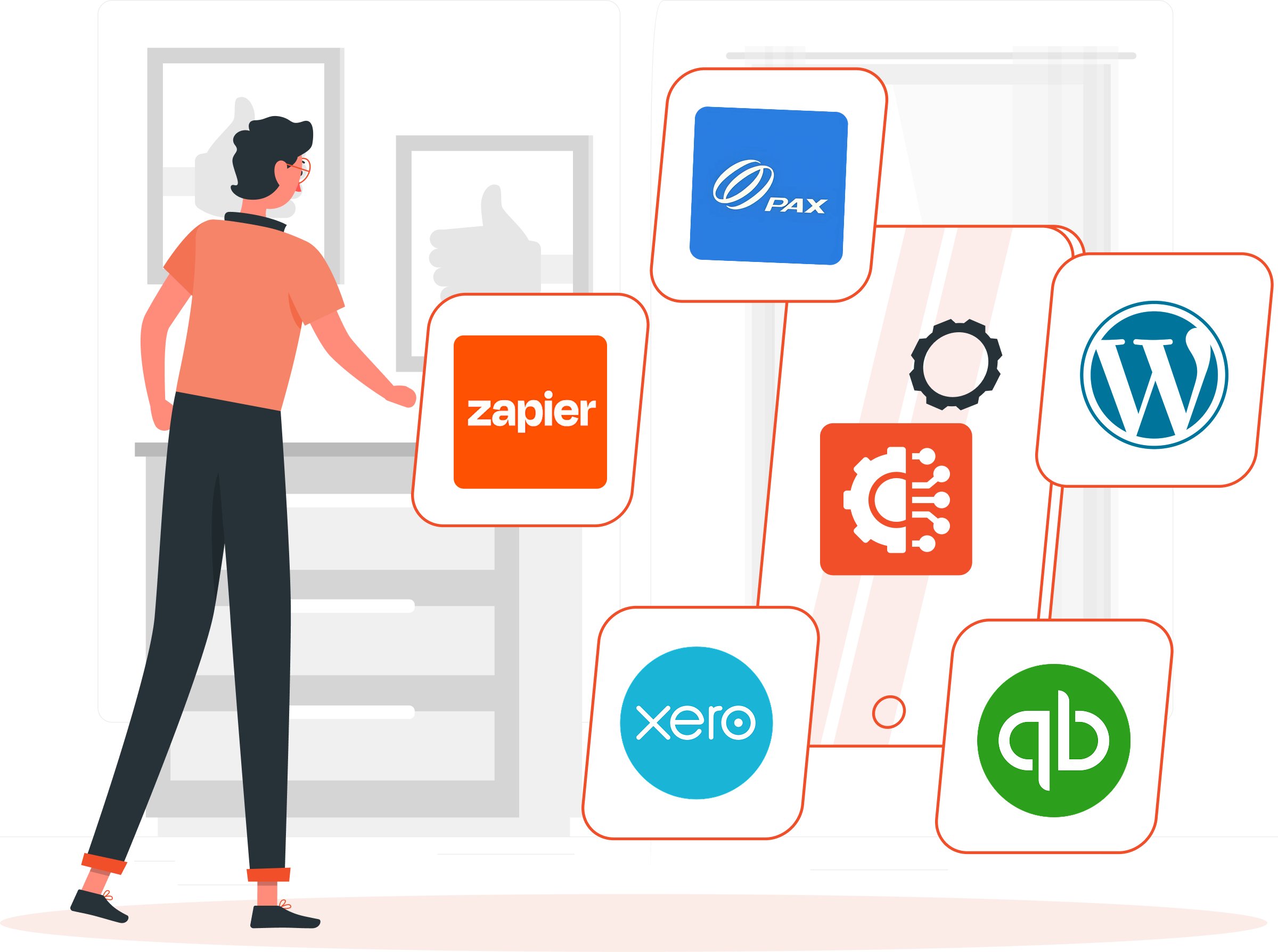
Walk into almost any small business today and you will find the same quiet problem. There is a tool for the CRM, another for email marketing, another for booking appointments, another for inventory, another for payments, and a few more that nobody quite remembers paying for. Each one works fine on its own. Together, they create a mess.
Customer data gets trapped in half a dozen disconnected systems. Your team spends hours copying information between tabs and waiting for integrations to sync. Subscriptions stack up into hundreds of dollars a month, and every new hire has to learn five different interfaces before they can do their job. Meanwhile, every extra tool is one more login, one more password, and one more potential security gap.
This is the SaaS sprawl problem, and in 2026 it has become the single biggest drag on small business productivity. The good news is that the fix is finally here.
The Consolidation Wave of 2026
The data is clear: businesses are consolidating. Studies show a large share of companies plan to reduce their software stack this year, and billions of dollars are wasted annually on unused or redundant subscriptions. The trend is not just about cutting costs, though that matters. It is a strategic shift.
As artificial intelligence becomes a normal part of daily business software, it needs something most scattered tool stacks do not have: data in one place. AI can only make smart recommendations when it can see your customers, your sales, your inventory, and your marketing in a single connected view. A unified platform makes that possible. A pile of disconnected apps does not.
That is why the winning strategy for 2026 is consolidation. Fewer tools. One source of truth. One place where your entire business actually lives.
What an All-in-One Business Platform Looks Like
An all-in-one business platform is not just a CRM with extra buttons. It is a complete operating system for your business, built to replace the five to ten separate subscriptions you are paying for today. The best platforms in 2026 combine the core capabilities every small business needs:
- CRM and customer management, so every lead, deal, and customer profile lives in one place.
- Sales and payments, so you can quote, invoice, and get paid without switching tools.
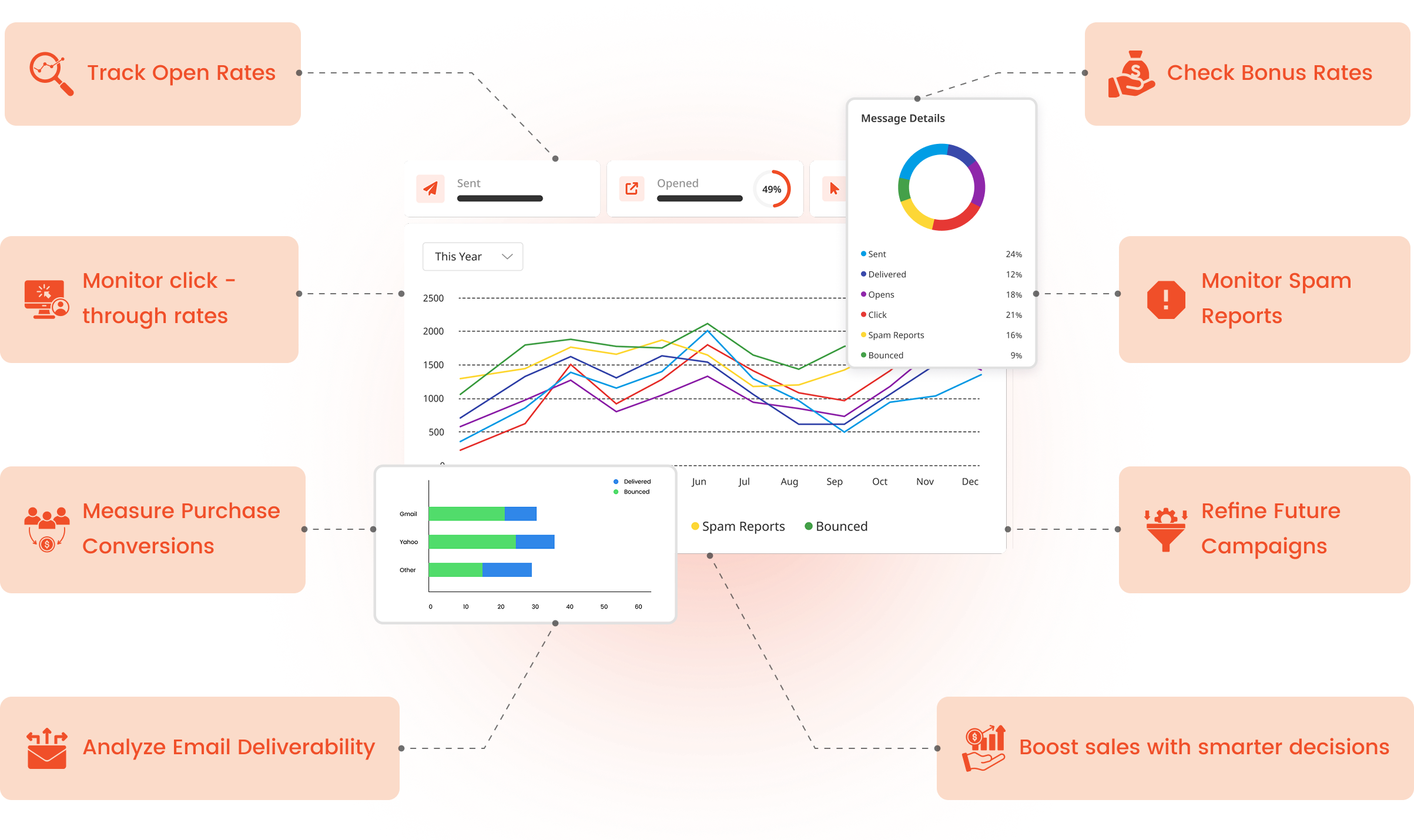
- Marketing, including email and SMS campaigns that pull directly from your customer data.
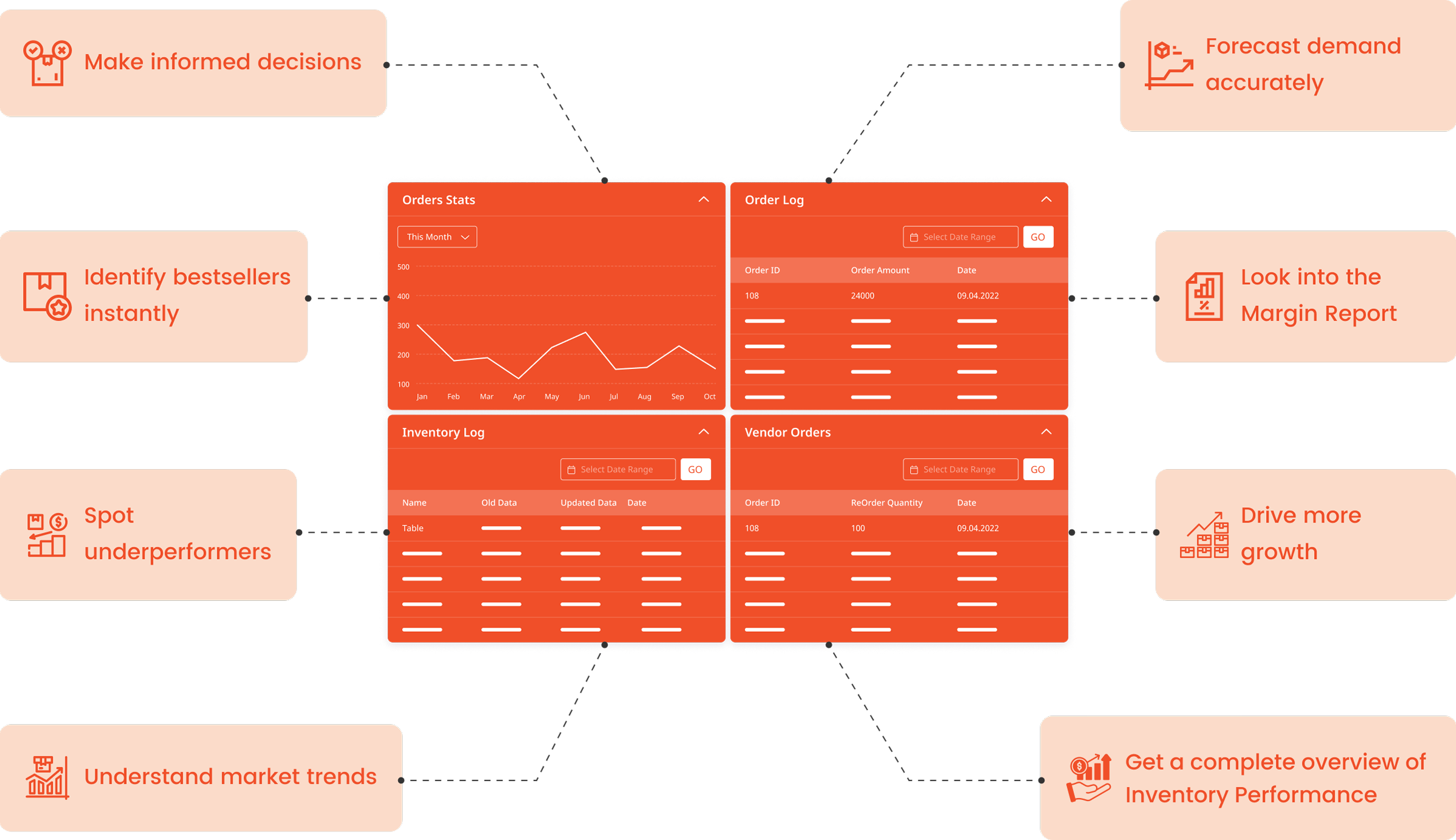
- Inventory and e-commerce, so your online store talks to your stock levels in real time.
- Communication, so calls, texts, and team chat stay connected to the customer record.
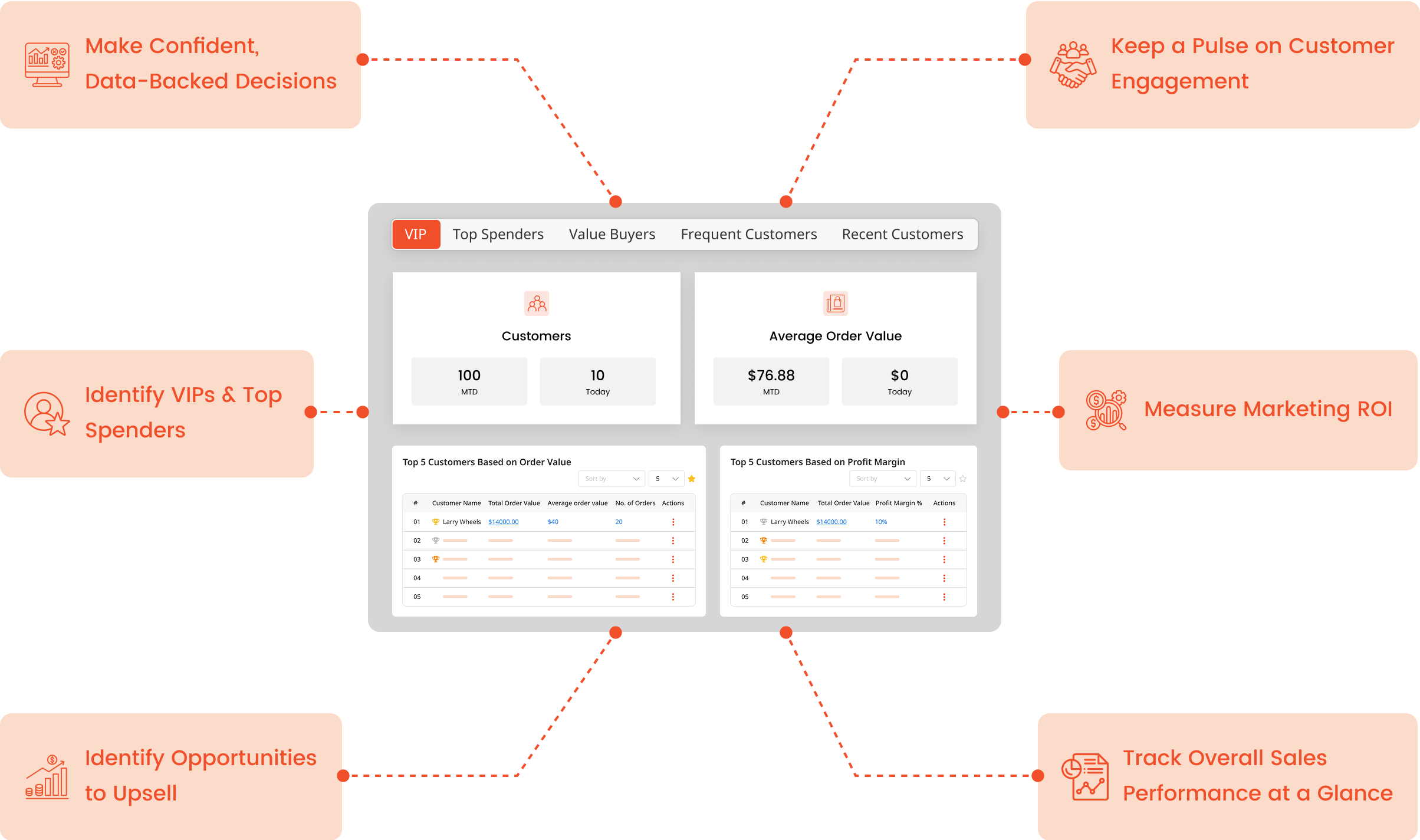
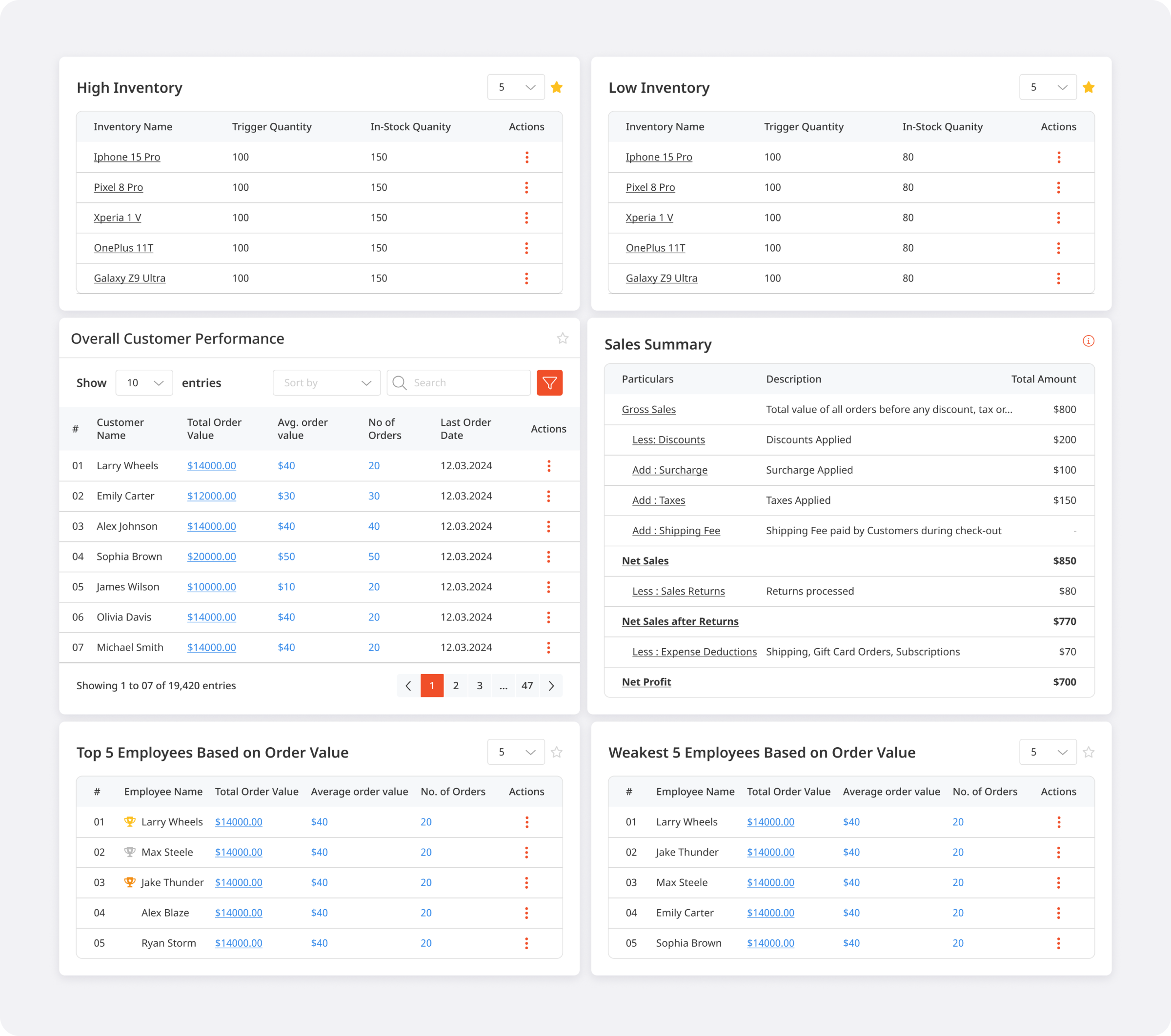
- Analytics, so you can see what is working without exporting spreadsheets.
When all of this lives in one system, the pieces stop fighting each other. A new lead captured on your website can become a deal, get a follow-up email, receive a booking link, and show up in your revenue forecast, all without anyone copying a single row of data.
Why All-in-One Platforms Win
1. Your data finally works together.
The biggest advantage is not convenience. It is intelligence. When your CRM, sales, marketing, and inventory data live in one system, you can see the full customer journey in a way that scattered tools simply cannot provide. You can spot patterns across every channel, automate workflows that cross departments, and get predictions that are actually based on your real business, not a snapshot from one app.
2. The cost savings are real.
Businesses that switch from separate tools to a unified platform routinely report cutting their software spending by more than half. Instead of paying for ten subscriptions with overlapping features, you pay for one platform that does the job. For a small business, that difference can mean thousands of dollars a year back in the budget.
3. Your team moves faster.
No more tab-hopping. No more waiting for data to sync. No more re-entering the same customer information in three different places. Everything happens in real time inside one interface, which means your team spends their time serving customers instead of wrangling software.
4. Fewer tools means better security.
Every application you add is another potential entry point for a cyberattack, and attacks on small businesses are rising sharply. One platform means one security perimeter to manage, one set of access controls, and one place to monitor. That is a simpler and safer setup for a small team.
5. Onboarding goes from weeks to days.
New team members learn one platform instead of five. Training time drops dramatically, and new hires become productive almost immediately. That matters when your team is small and every hour counts.
Who Benefits Most from Consolidation
Startups can launch with everything they need from day one, instead of assembling a patchwork of tools.
- Small and medium businesses can compete with larger companies without enterprise budgets.
- Salons, shops, and service providers can run appointments, payments, and marketing from one place.
- Agencies and consultants can manage multiple clients from a single dashboard.
- Growing teams can add staff and locations without adding more software.
If your business lives in any of these categories, you are probably already feeling the pain of a scattered stack. The good news is you do not have to live with it.
How to Evaluate an All-in-One Platform
Before you switch, ask these questions:
- Does it cover the essentials? Look for CRM, sales and payments, marketing, inventory, communication, and analytics in one place.
- Does it fit your industry? The best platforms are not one-size-fits-all. A platform built for 100+ business types can adapt to the way you actually work.
- Is the pricing transparent? Watch out for per-user fees and hidden costs. Flat, predictable pricing is easier to budget for.
- Can you migrate your data? Make sure you can import your existing customers and history without starting over.
- Will it scale with you? Choose a platform that can grow from a single location to multi-location without forcing you to switch tools again.
The Bottom Line
The era of juggling a dozen disconnected tools is ending. In 2026, the businesses that win are the ones that consolidate their tech stack and let their data work together. They spend less, move faster, onboard teams quicker, and get more value out of the software they already pay for.
If your business is still running on a patchwork of apps, the smartest move you can make this year is to bring it all together under one roof.
Why Universell
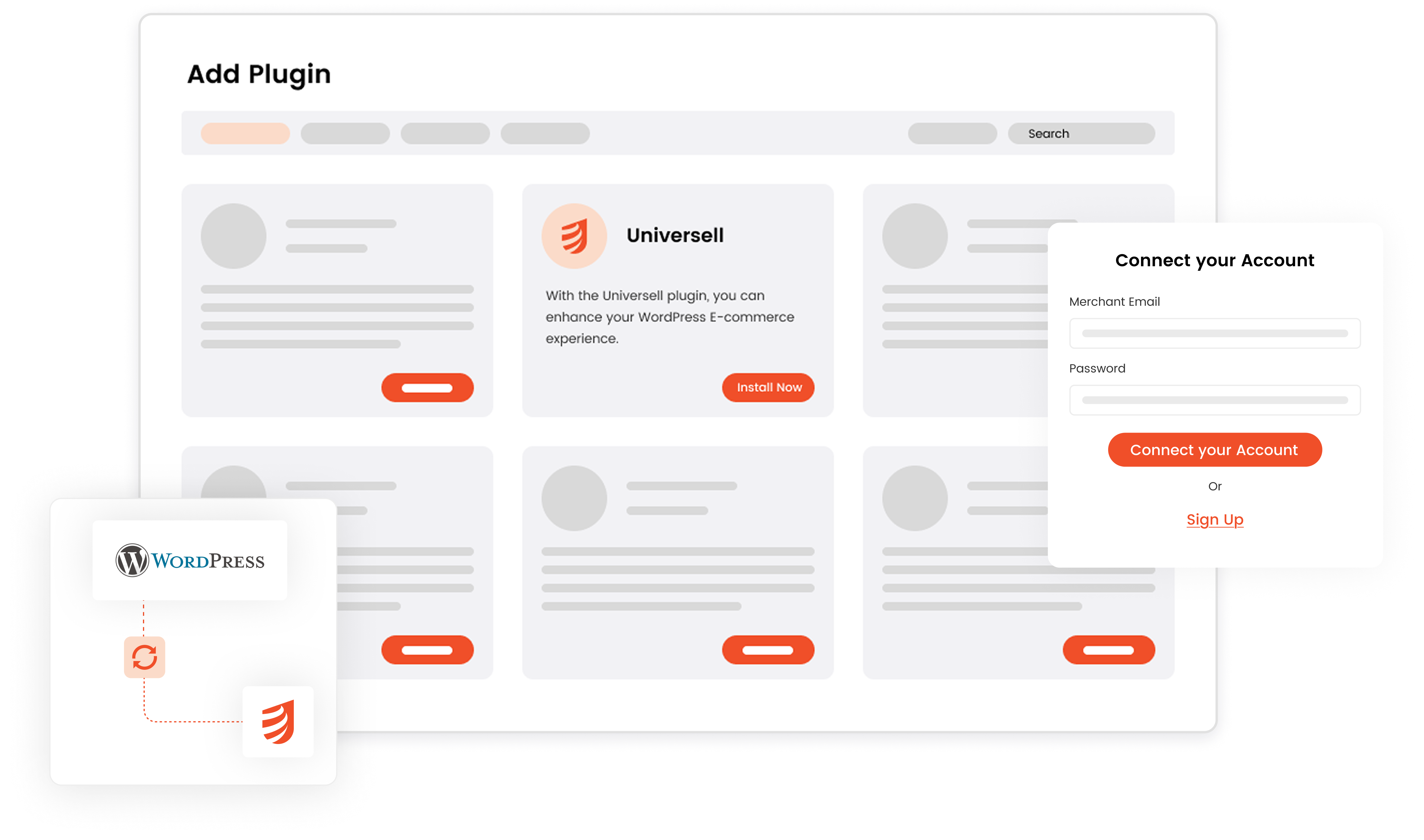
That is exactly the problem Universell was built to solve. Universell is an all-in-one business platform designed for small businesses, with 100+ apps covering CRM and customer management, communication, inventory, HR and employee tools, sales and payments, e-commerce, marketing, integrations, and analytics. Whether you run a retail store, a salon, a home service business, or a consultancy, Universell adapts to your industry instead of forcing you to adapt to it.
Instead of paying for ten separate subscriptions and stitching them together with integrations, you get one unified workspace where your customers, your team, and your data all live together. A lead captured on your website flows into your CRM. A booking becomes an appointment. A sale updates your inventory and your revenue report at the same time. Everything works together because it is one system, not a collection of apps pretending to be one.
If you are tired of the sprawl and ready to simplify, see how Universell can bring your entire business into one platform. Your future self, and your budget, will thank you.