Every growing business hits the same wall. Sales are climbing, customers are happy, and then suddenly your team is drowning in follow-up emails, duplicate data entry, and handoffs that keep getting dropped. The problem is rarely the people. It is the way work flows between them.
The fix is workflow management. It is the practice of organizing, tracking, and optimizing the repeatable sequences of steps that keep your business running, from onboarding a customer to processing an order to following up on a quote. When those sequences are structured and automated, your team spends less time coordinating and more time doing the work that actually moves the business forward.
Here is what workflow management looks like in practice for a small or mid-sized company, and why it is the highest-leverage investment you can make this year.
What a workflow actually is
A workflow is simply a series of steps that turns an input into an output. It sounds obvious, but most businesses never write theirs down. Take a standard sales process. The input is an inquiry. The steps are qualifying the lead, sending a quote, following up, and closing. The output is a signed customer.
Now consider everything that happens around that one sale. The customer needs to be added to your CRM. An invoice has to be generated. The order has to reach your inventory team. A welcome email has to go out. Each of those is its own workflow, and each one is an opportunity for something to slip through the cracks.
When you map these out, you start to see the whole picture. You see where work gets duplicated, where approvals stall, and where information gets lost between departments. That visibility is the first benefit of workflow management, and it is the foundation for everything else.
The six building blocks of every workflow
Every workflow, no matter how simple, is made up of the same core elements. Understanding them helps you design processes that actually hold up under real-world pressure.
First are the stakeholders, the people involved in or affected by the workflow. Next come the inputs, the data and resources you need to complete it. Then there is the output, the deliverable that marks completion. Between those sit the steps, the individual actions that move work forward. Transformation is how inputs become outputs at each stage. And conditions are the rules that decide when a step begins, repeats, or is skipped.
Here is a concrete example. A customer support ticket comes in. The input is the customer’s issue. The steps are categorizing the ticket, resolving it, and closing it out. The condition might be that a ticket only closes once the customer confirms the issue is solved. If it is not solved, it loops back.
The power of naming these pieces is that it turns a vague process into something you can inspect and improve. You can see exactly where a step is redundant or a condition is missing.
The right workflow type for each job
Not all workflows should be built the same way. Different processes call for different structures.
A sequential workflow follows a fixed order, one step after another, which works well for something like employee onboarding. A parallel workflow runs several steps at once, ideal when a designer and a writer can work on the same project simultaneously. A state machine moves work between states, like a ticket going from Open to In Progress to Closed. A rules-driven workflow advances based on conditions, such as a loan application moving forward when a credit threshold is met.
Then there is the one that matters most in 2026: the AI-driven workflow. Here, the system interprets information and takes action within defined parameters. An AI agent categorizes support tickets, resolves the routine ones, and routes the complex cases to a human. This is where workflow management stops being about cutting steps and starts being about removing them entirely.
Workflow management versus project management
It helps to keep these two disciplines straight. Project management handles unique, time-bound initiatives with a defined scope and deadline, like launching a product or migrating to a new system. Workflow management handles the repeatable, process-level sequences that keep recurring operations running, like processing invoices or onboarding customers.
They work together. Projects contain workflows, and good workflow management ensures the repeatable parts of any project run smoothly every time. If you are a small business owner, you are probably doing both every day without realizing it. The goal is to make the repeatable parts automatic so you can spend your energy on the unique parts that need your judgment.
Why this matters for small business
The benefits of workflow management are not abstract. They show up in measurable ways.
Accountability improves because every step has an owner. Productivity rises because automated transitions mean nobody is waiting on an approval or chasing a status update. Transparency increases because everyone can see what their colleagues are working on. Redundancies disappear when you spot two people doing the same task. And when something breaks, you can refer to your documented process and fix it instead of guessing.
For a small team, these gains compound quickly. A few automated handoffs a day become hours of reclaimed time a week. That is time you can spend on customers, on new products, or simply on getting your evenings back.
The real challenge: keeping it all in one place
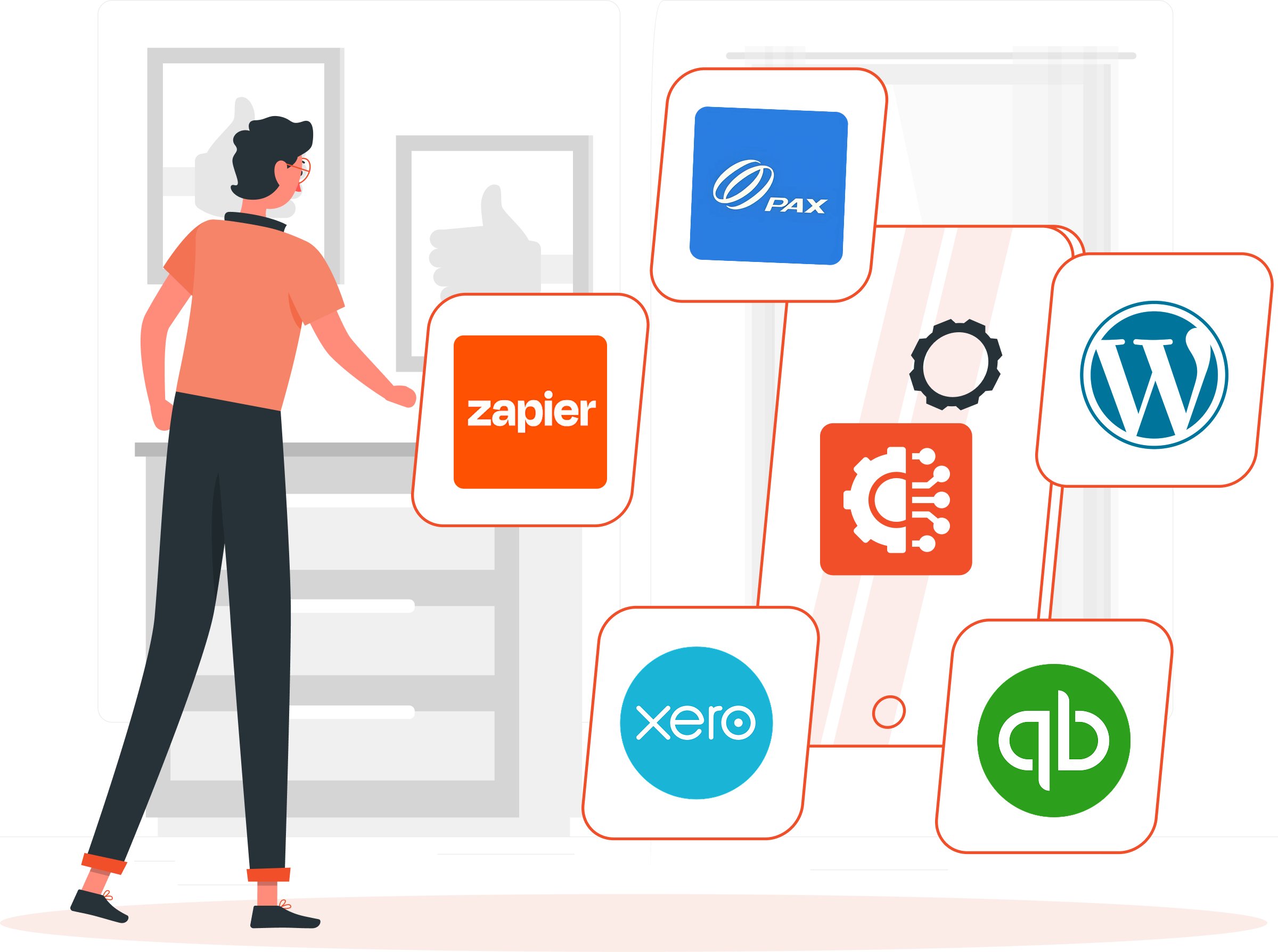
Here is where most workflow management efforts stumble. You map out your processes, you automate a few steps, and then you realize your tools do not talk to each other. Your CRM lives in one app, your inventory in another, your invoicing in a third, and your marketing in a fourth. Every time work crosses a boundary, a human has to carry it across manually. That manual handoff is exactly where errors and delays creep in.
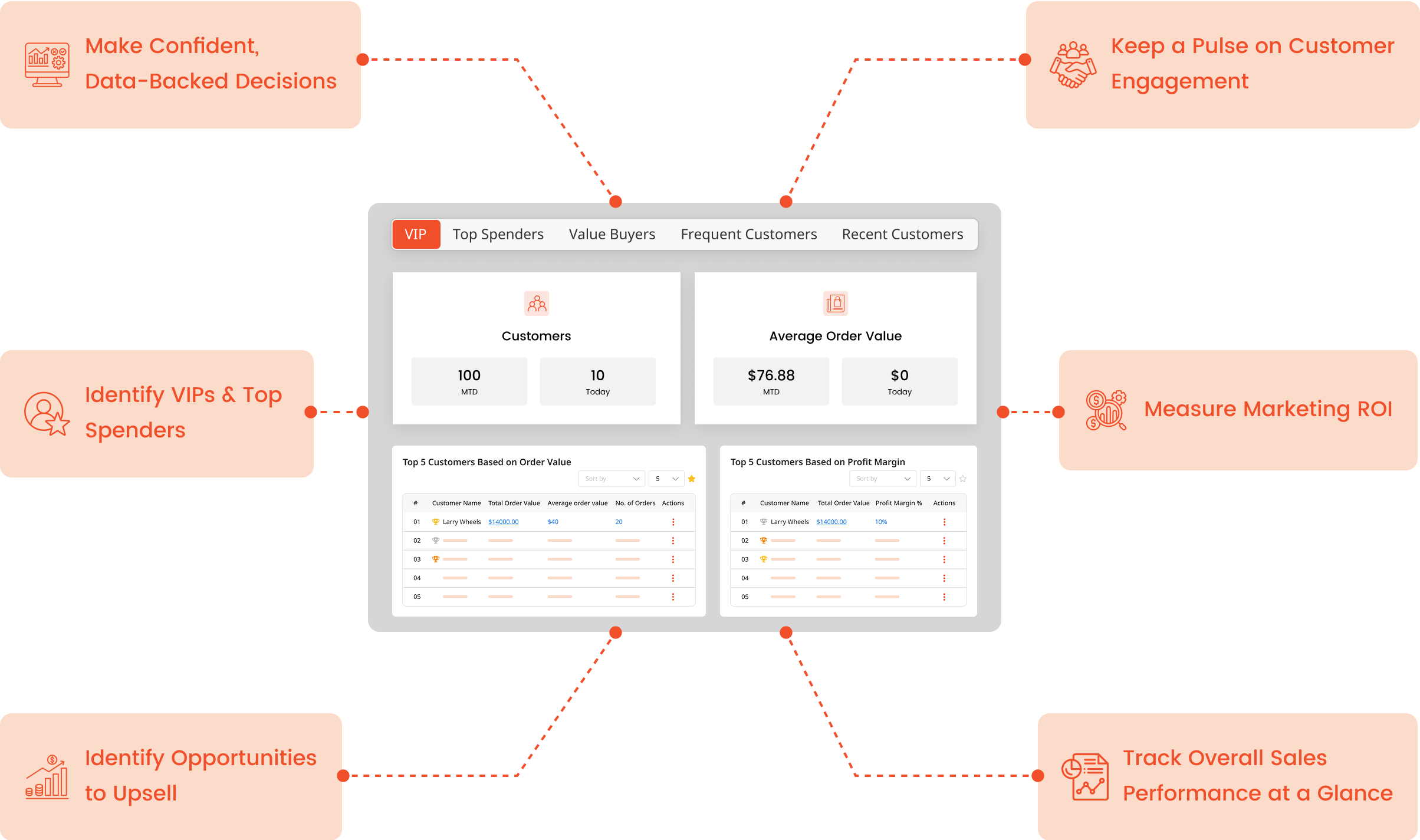
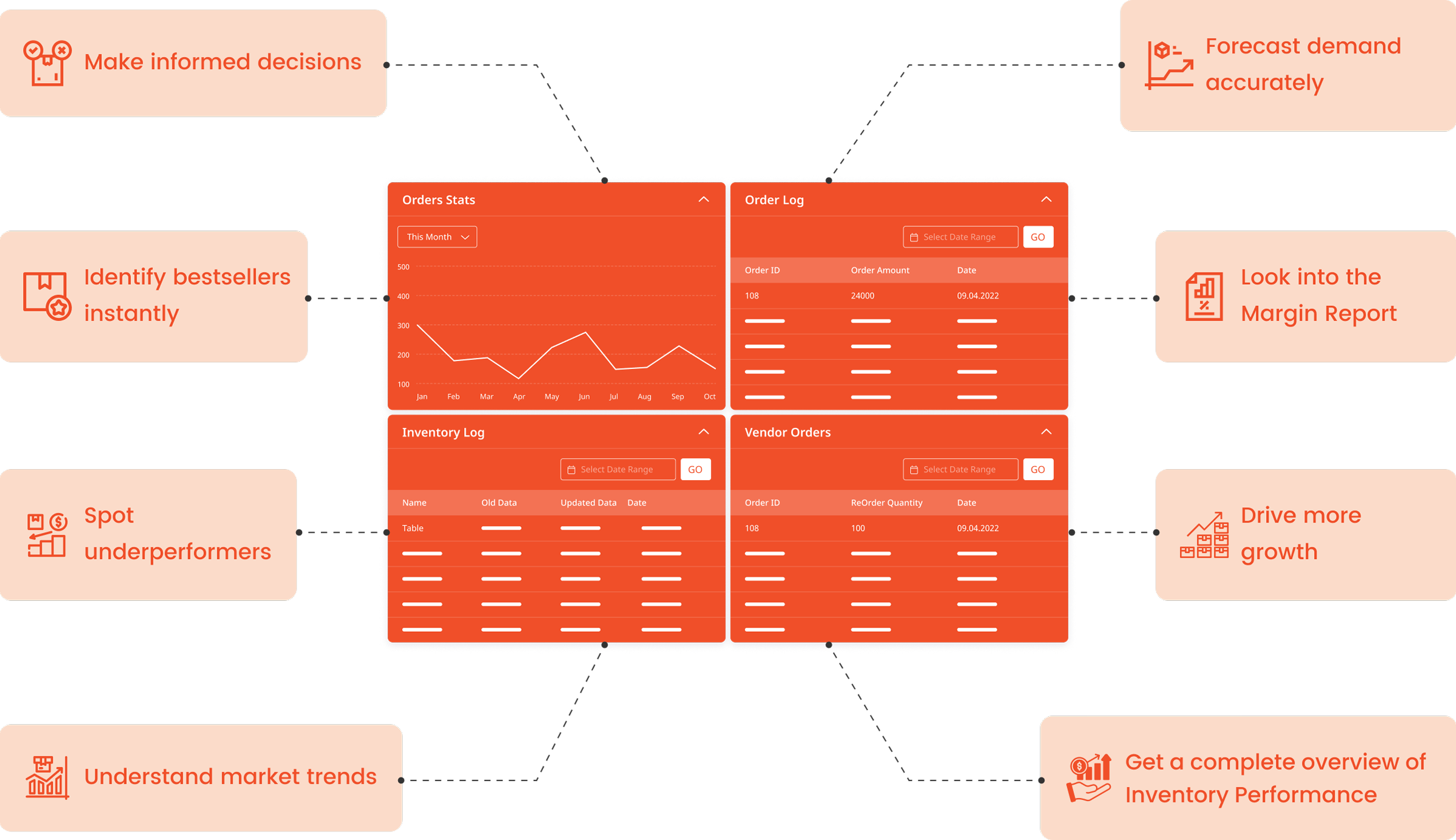
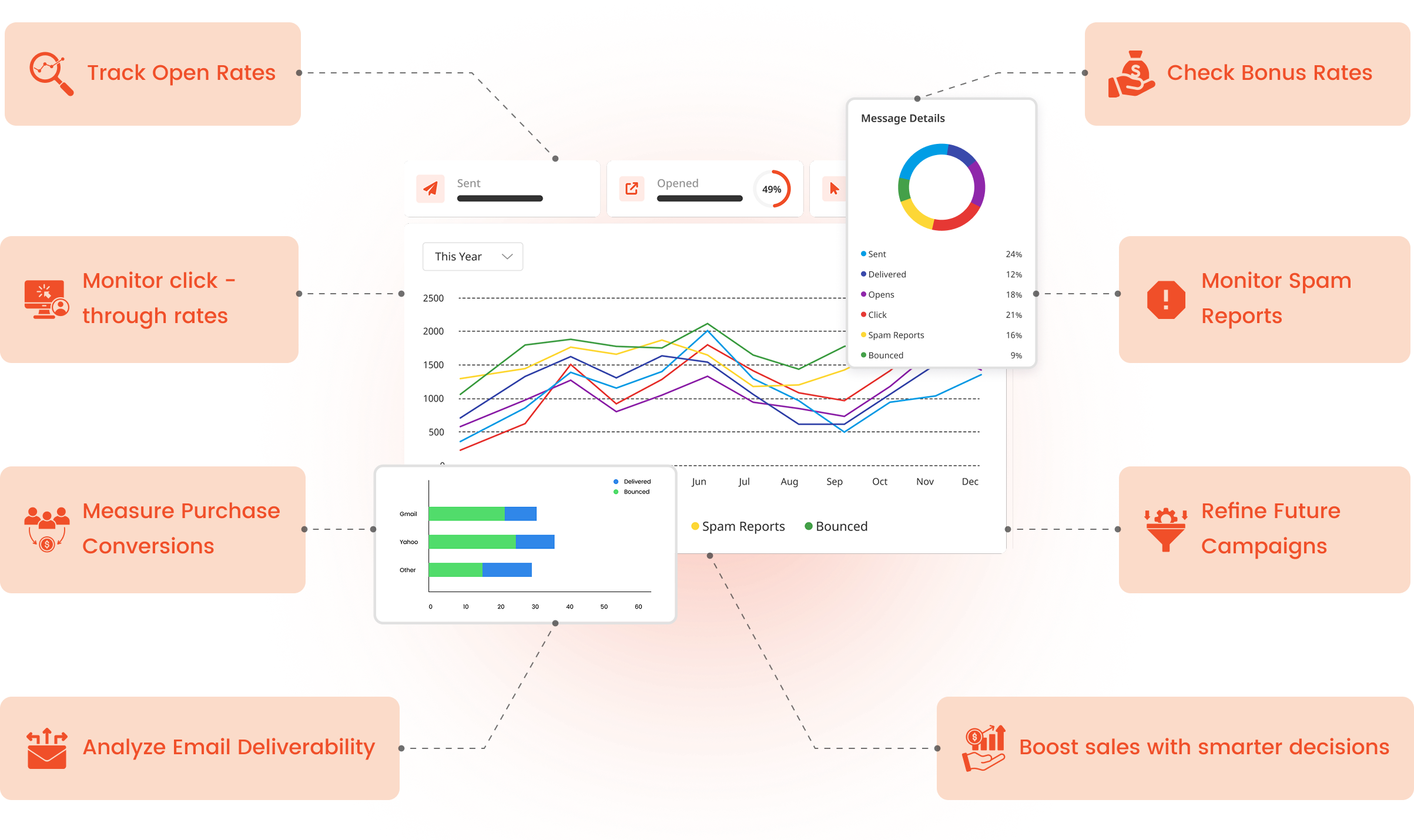
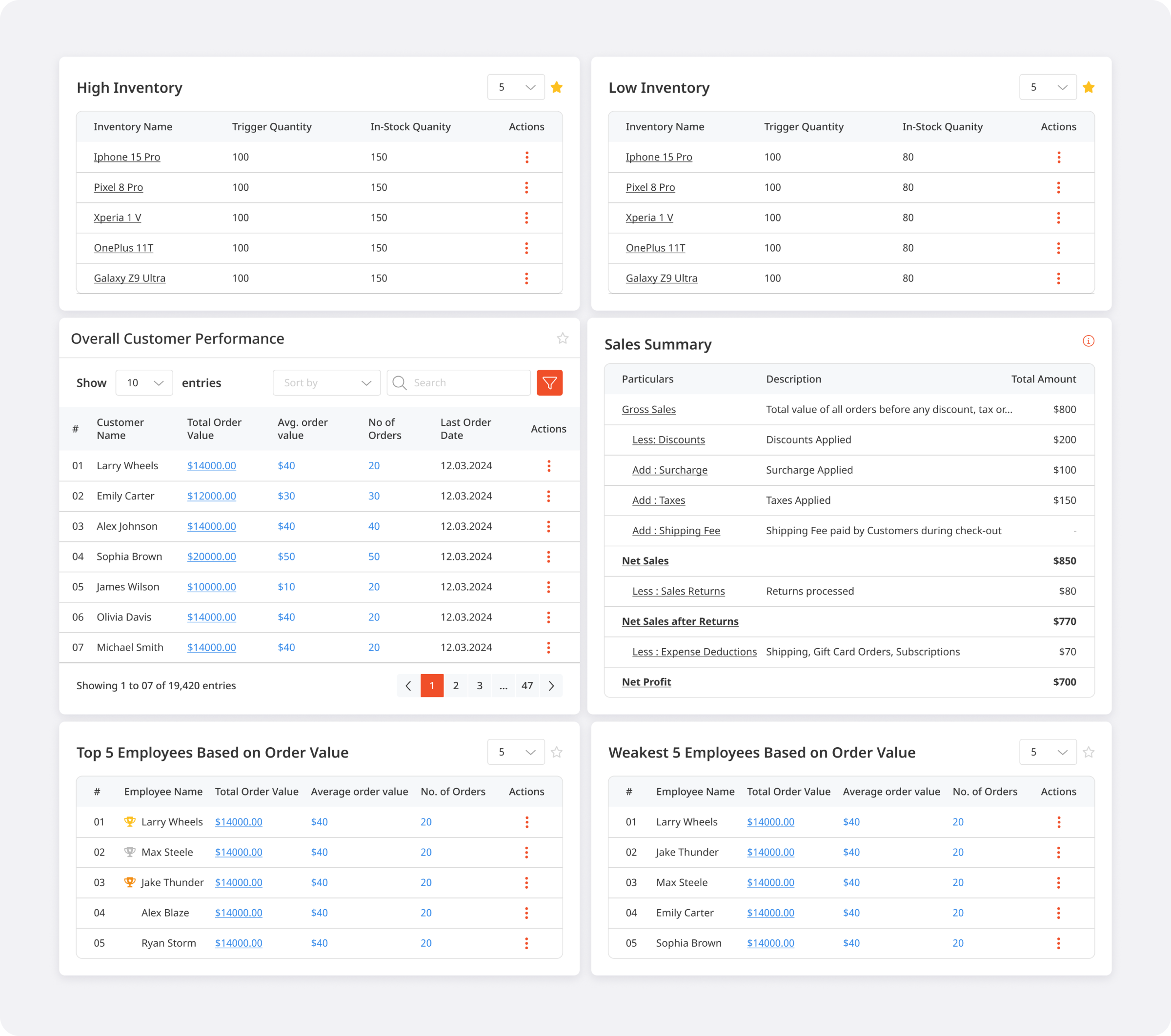
The solution is not more software. It is fewer, better-integrated tools. When your customer records, orders, inventory, payments, and marketing live in one system, workflows can run end to end without anyone copying data between apps. An order updates inventory automatically. A payment triggers an invoice and a follow-up email. A support ticket surfaces the full customer history in one view.
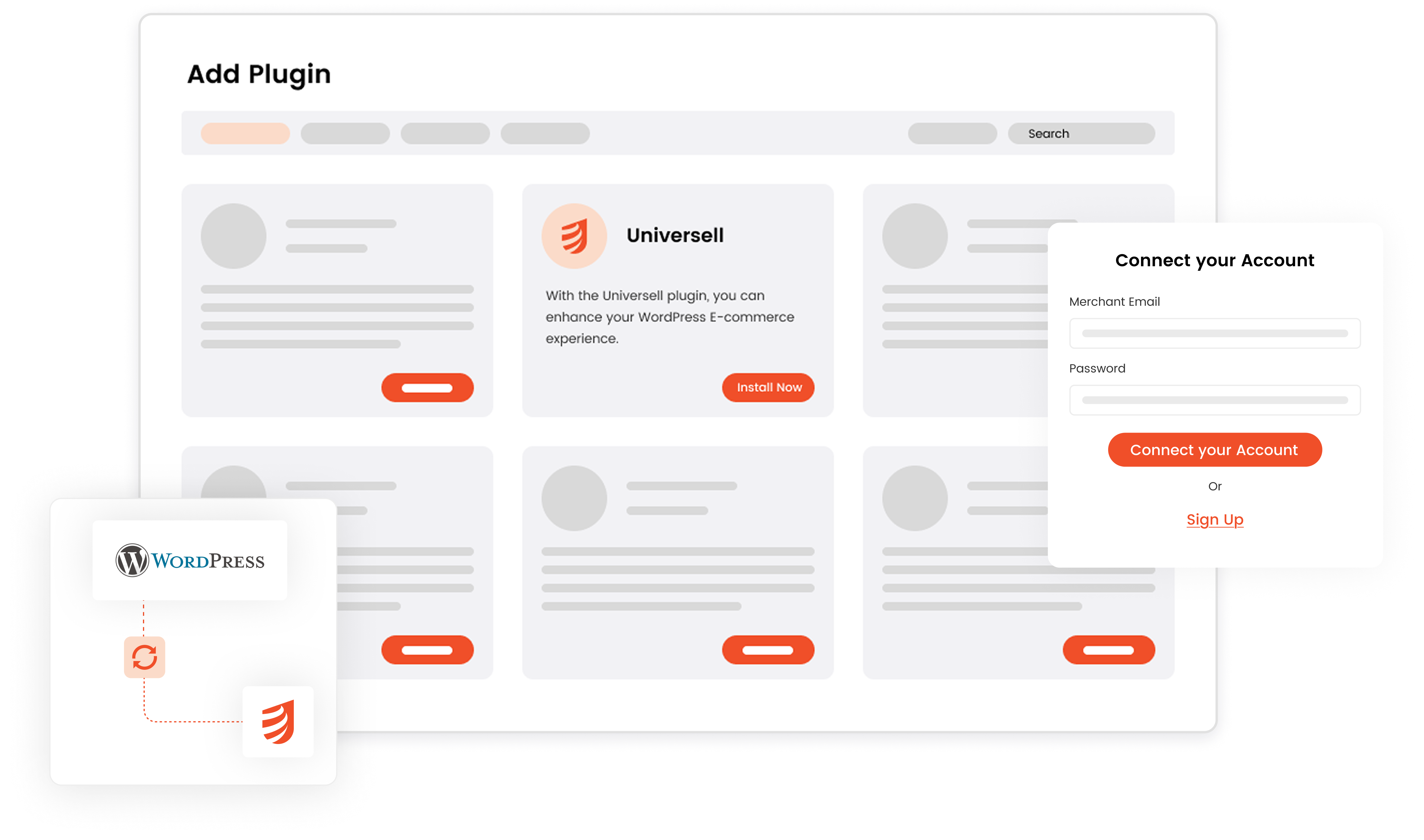
That is the philosophy behind Universell. It brings together your CRM, inventory, e-commerce, marketing, payments, and back-office operations into one unified platform, with AI built in to automate the routine work. Instead of stitching together five tools and hoping they cooperate, you get one system where workflows actually flow.
How to get started today
You do not need a big project to begin. Pick one process that causes you the most friction, maybe how you follow up on leads or how you fulfill orders. Write down every step, name the owner of each one, and look for the handoffs that require manual effort. Then automate the simplest of those handoffs first.
Once that workflow is running smoothly, move to the next. This is not a one-time cleanup. Workflows need to be reviewed and refined as your business grows, as customer expectations change, and as AI gets more capable. The businesses that treat workflow management as an ongoing practice, not a one-off fix, are the ones that scale without the chaos.
The companies that win in 2026 will not be the ones working the hardest. They will be the ones working the smartest, with structured, automated, AI-driven workflows that let their people focus on what only people can do. That is a goal any business can reach, and it starts with the next workflow you decide to fix.