Running a retail business in 2026 rarely means running only a cash register.
A boutique owner may be checking yesterday’s sales while receiving a new shipment, responding to a customer asking whether an item is back in stock, preparing an email campaign, approving employee hours, updating an online order, and trying to understand why a popular SKU keeps selling out.
The problem is not usually a lack of software. It is having too much disconnected software.
One platform handles POS. Another manages inventory. Another stores customer information. Another sends email campaigns. Another runs loyalty rewards. Another handles invoices. Another manages the website. Before long, a retailer is paying for six or seven subscriptions while employees repeatedly enter the same information into different systems.
That is exactly what all-in-one retail management software is supposed to solve.
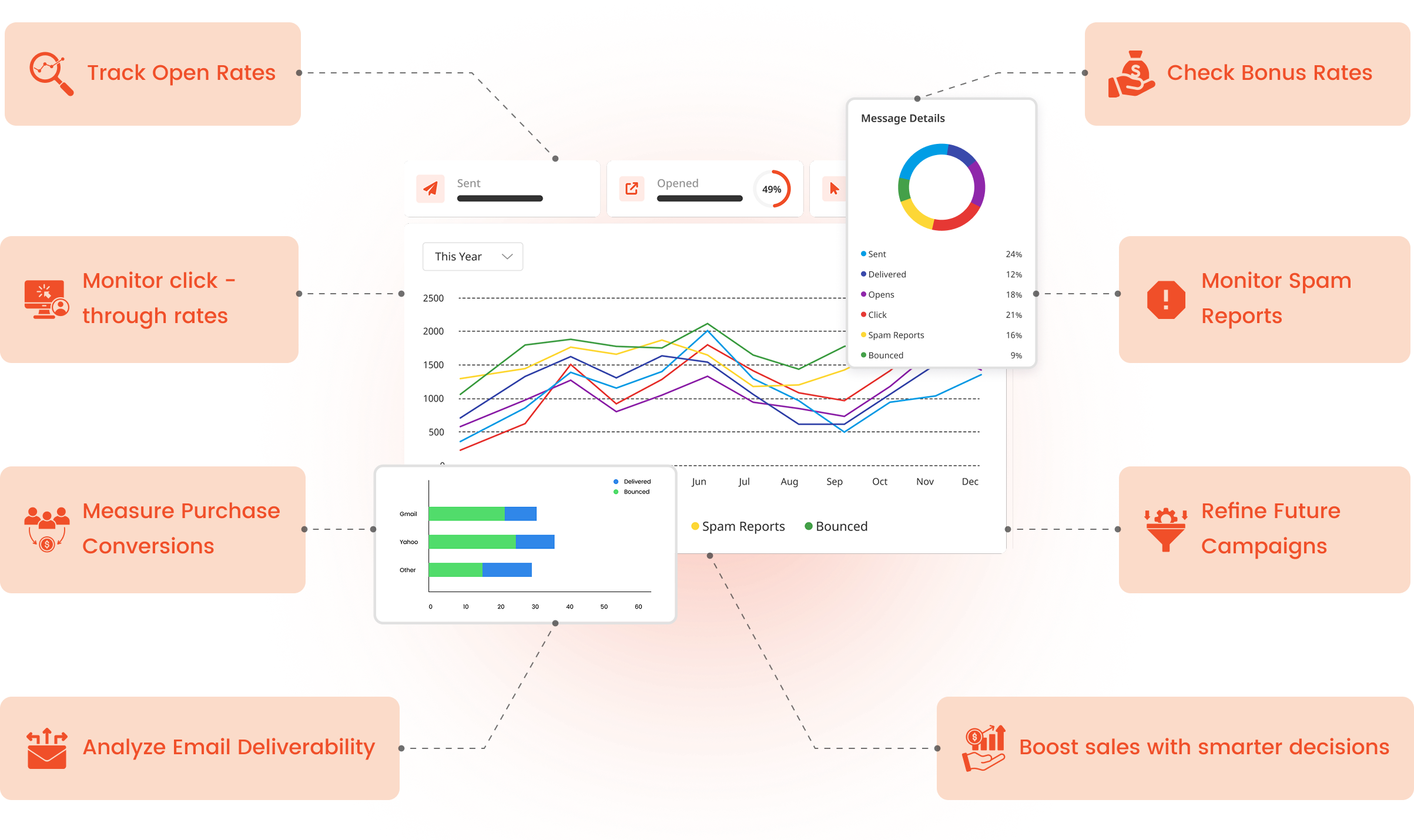
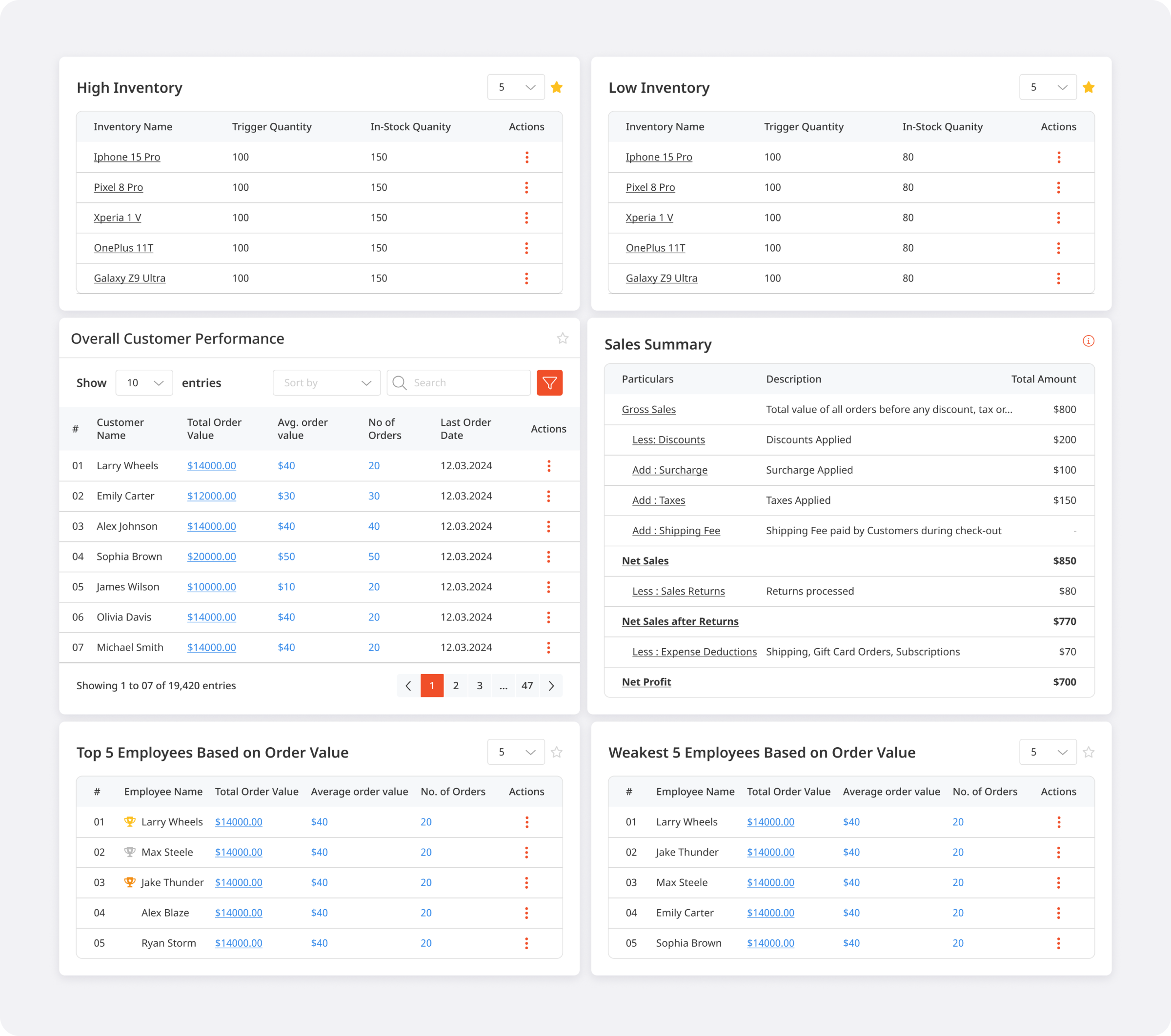
The best platforms bring together the operational systems retailers use every day: POS, inventory, CRM, online sales, customer loyalty, marketing, invoicing, employee management, reporting, automation, and integrations.
But the definition of “all-in-one” varies significantly between platforms.
Some are primarily POS systems with a few business-management features attached. Others are e-commerce platforms that later added retail POS. Some are inventory systems designed for complex warehouses. Others attempt to create a broader operating system for the entire small business.
This guide compares 10 platforms for retailers and growing small businesses in 2026, including Square, Shopify, Universell, Lightspeed, Odoo, Zoho One, KORONA POS, Clover, Cin7, and ERPLY. Prices and product information referenced in this guide were checked in July 2026.
| Platform | Best For | Starting Price | POS | Inventory | CRM/Customers | E-Commerce | Marketing/Loyalty |
| Square | Small retailers wanting simple POS | $0/mo | Yes | Yes | Yes | Yes | Yes |
| Shopify | Omnichannel and ecommerce-first retailers | $39/mo | Yes | Yes | Yes | Excellent | Via Shopify ecosystem |
| Universell Platform | SMBs wanting operations, sales, and marketing in one platform | From $39.95/mo | Yes | Yes | Yes | Yes | Yes |
| Lightspeed Retail | Inventory-heavy established retailers | Custom/quote | Yes | Strong | Yes | Yes | Yes |
| Odoo | Businesses wanting customizable ERP-style operations | $0 for one app; Standard from $24.90/user/mo annually | Yes | Strong | Yes | Yes | Yes |
| Zoho One | Service + retail businesses already using Zoho | Flexible pricing; $90/user/mo option displayed | Via apps/integrations | Yes | Strong | Yes | Strong |
| KORONA POS | Specialty retailers wanting processor flexibility | $59/mo | Strong | Retail plan | Yes | Yes | Promotions/gift cards |
| Clover | Small retailers prioritizing hardware + payments | Varies by hardware/software bundle | Strong | Yes on retail plans | Yes | Yes | Loyalty/promotions |
| Cin7 Core | Growing multichannel, inventory-heavy retailers | $349/mo | Via integrations | Excellent | Yes | Integrations | Limited vs. CRM-first tools |
| ERPLY | Multi-store and growing retail chains | From $59/store on listed retail plans | Strong | Strong | Yes | Yes | Promotions/CRM |
Square currently offers Free, Plus and Premium plans, with its U.S. retail pricing showing $0, $49 and $149 per location respectively, while Shopify Basic currently starts at $39/month and POS Pro adds $89/month per location. Odoo’s annual Standard plan is listed at $24.90 per user per month, KORONA starts at $59/month, and Cin7 Core starts substantially higher at $349/month.
What a Retail Business Actually Needs From All-in-One Software
The checkout screen is only one part of retail operations.
A genuine all-in-one system should reduce the number of places a business owner has to look before answering basic questions such as:
What sold today?
What needs to be reordered?
Which customers have not returned?
Which promotion generated revenue?
Which products are sitting on the shelf?
What did my online store sell compared with my physical location?
Which invoices are still unpaid?
What did each employee sell?
For most small and growing retailers, eight areas matter most.
1. Point of Sale
The POS needs to handle checkout quickly while supporting discounts, returns, multiple payment methods, customer information, product lookup, receipts, taxes and employee permissions. Retailers should also evaluate whether POS functionality is included or requires an additional subscription per register or location.
2. Inventory Management
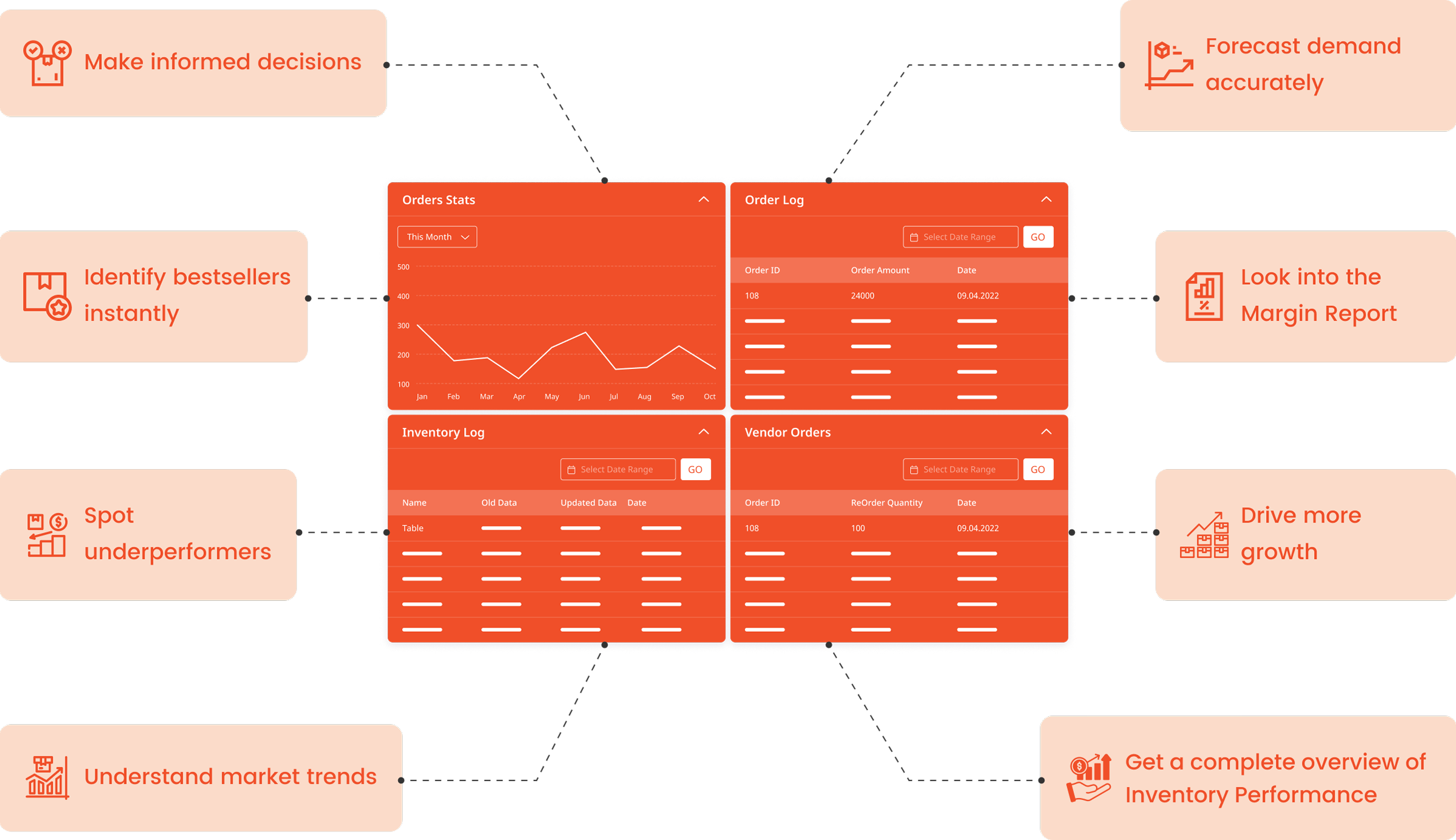
A retailer cannot make reliable purchasing decisions if inventory data is wrong. The system should support stock adjustments, inventory counts, product locations, low-stock visibility, vendor management, purchase workflows and ideally synchronization between physical and online sales. Universell, for example, allows businesses to organize inventory by in-store location, adjust stock and generate inventory QR codes that customers can use to purchase products.
3. CRM and Customer History
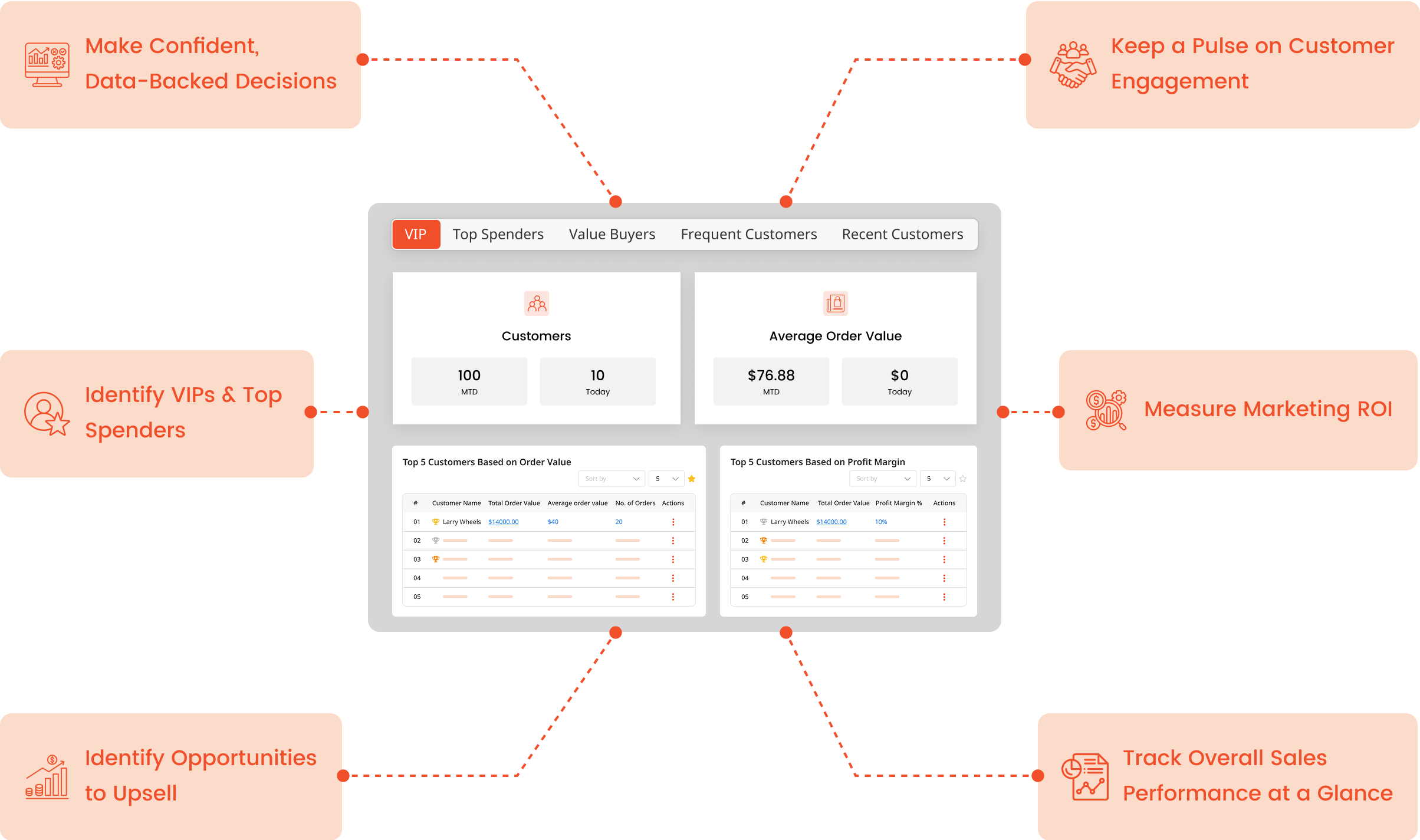
Knowing that someone purchased something is useful. Knowing what they purchased, how often they return, how they respond to promotions and when they last engaged with the business is considerably more valuable. Customer profiles should therefore connect naturally with sales and marketing.
4. Loyalty and Retention
Retail growth is not only about acquiring customers. Returning customers can be encouraged through rewards, promotions, gift cards, email campaigns, SMS communication and targeted offers. If customer data lives in one system while marketing lives somewhere else, segmentation and attribution become harder.
5. E-Commerce
Even primarily physical retailers increasingly need some digital sales capability. That might mean a complete online shop, local pickup, product links, social selling or simply allowing a customer to purchase an item after discovering it online. Inventory should ideally remain synchronized between channels.
6. Invoicing and Payments
Retailers with wholesale customers, B2B accounts, custom products or service components may need more than checkout transactions. Invoices, recurring billing, payment links, virtual terminals and outstanding-payment tracking become part of the operating stack.
7. Employee and Operational Management
As a retailer grows from an owner-operated store into a team, employee permissions, schedules, reporting, collaboration and performance visibility become increasingly important.
8. Reporting and Automation
Software should not simply store information. It should help the business act on it. Automated reports, low-stock alerts, customer follow-ups, marketing workflows and operational notifications reduce the amount of repetitive work owners perform manually. A system that misses several of these areas often leads directly back to spreadsheets and additional subscriptions.
1. Square: Best for Retailers Wanting a Simple Start
Square remains one of the easiest entry points for small retailers because its core platform combines payments, POS and basic business tools without requiring a large upfront software commitment.
Square’s current U.S. plans are structured around Free, Plus and Premium tiers. The Free plan costs $0 per location, Plus is $49 per location, and Premium is $149 per location. Current card-present processing is listed at 2.6% + $0.15 on Free, 2.5% + $0.15 on Plus and 2.4% + $0.15 on Premium.
What Square does well
- Easy POS setup
- Integrated payments
- Basic inventory
- Online selling
- Invoicing
- Customer profiles
- Advanced inventory on paid plans
- Vendor and purchase-order tools
- Barcode label printing
- Loyalty and marketing on higher tiers
- Strong hardware ecosystem
Where Square is especially strong
Square works well for a new boutique, gift store, pop-up shop or specialty retailer that wants to open quickly without implementing a complicated ERP. Its Free tier also reduces the risk of testing a new location.
Trade-offs
Businesses often become increasingly dependent on the broader Square ecosystem as they grow. Advanced employee management, marketing, loyalty and other functionality can also affect the real total cost.
Best fit: Startups, pop-ups and small physical retailers that prioritize simple payments and POS.
2. Shopify: Best for E-Commerce-First Omnichannel Retailers
Shopify approaches retail from the opposite direction. It started as an e-commerce platform and has developed a substantial in-store POS offering around its online commerce infrastructure. That makes Shopify particularly strong when the same retailer sells through a website and physical locations.
Shopify Basic currently starts at $39/month, Grow at $105/month and Advanced at $399/month. POS Pro adds $89/month for each retail location.
What Shopify does well
- Excellent e-commerce
- Omnichannel inventory
- POS
- Customer profiles
- Online and in-store synchronization
- Pickup and omnichannel workflows
- Large application ecosystem
- Product management
- Strong integrations
- Retail analytics on advanced POS plans
Where Shopify is especially strong
Consider a clothing boutique generating 60% of revenue online and 40% from two physical stores. Shopify allows the online storefront and retail operations to live much closer together than they would with a generic POS connected to a completely separate website.
Trade-offs: The advertised Shopify subscription is not necessarily the retailer’s total platform cost. POS Pro is an additional per-location expense, and many businesses eventually use paid apps for functionality not included natively.
Best fit: DTC brands, boutiques and retailers where e-commerce is central to the business.
3. Universell: Best Broad All-in-One Platform for SMB Retail Operations
Universell takes a different approach from POS-first systems such as Square and commerce-first systems such as Shopify. Its focus is bringing a much wider portion of the business operation into one platform. Universell currently includes tools across:
- Point of Sale
- CRM
- Inventory
- E-commerce
- Website building
- Invoicing and billing
- E-signatures and payments
- Virtual terminal
- Order management and shipping
- Email campaigns
- SMS marketing
- Rewards and loyalty
- Employee management
- Appointment and booking systems
- Pipeline management
- Analytics and reporting
- Automated operations
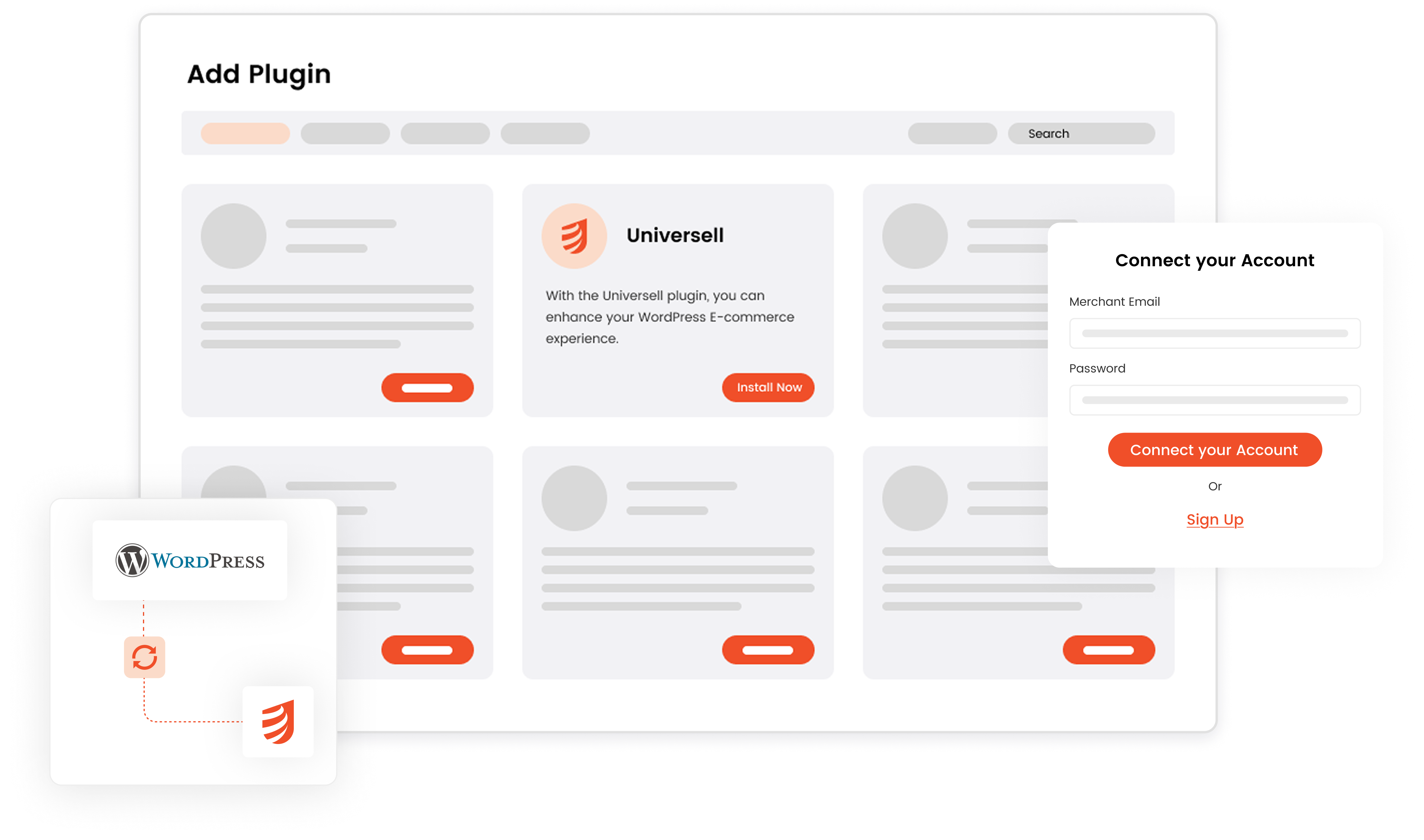
- WordPress integration
- Zapier integration
- AI assistance
Universell specifically positions its retail solution around keeping sales, inventory, rewards, loyalty and online activity synchronized. That breadth is its main differentiator.
What Universell does well for retailers
Inventory + sales + customers live closer together
Inventory is not treated as a completely separate back-office product. Businesses can organize products by exact in-store location, adjust quantities and create QR codes that customers can scan to purchase items. That can be useful for:
- Apparel stores
- Jewelry stores
- Electronics retailers
- Bodegas
- Pet stores
- Home décor retailers
- Gift shops
- Boutiques
- Multi-location businesses
Universell specifically lists these retail categories among the business types it serves.
CRM is built into the wider operating system
A POS transaction becomes more valuable when the retailer can continue the relationship afterward. Universell combines customer management with email, SMS, rewards, loyalty and pipeline tools rather than making CRM a separate environment.
Marketing is part of the platform
Retailers frequently build a fragmented stack like:
POS + Mailchimp + loyalty software + CRM + SMS platform + website + invoicing software.
Universell is designed to consolidate more of those jobs.
It covers businesses that are not purely retail
This matters for hybrid businesses.
Consider:
- A furniture retailer that also offers design consultations
- A jewelry store handling custom orders
- A fitness business selling products and appointments
- A salon selling retail products
- An electronics retailer offering installation
- A boutique also selling through its website
Universell supports retail, service, e-commerce and salon business models from the same broader platform.
Integrations extend the system
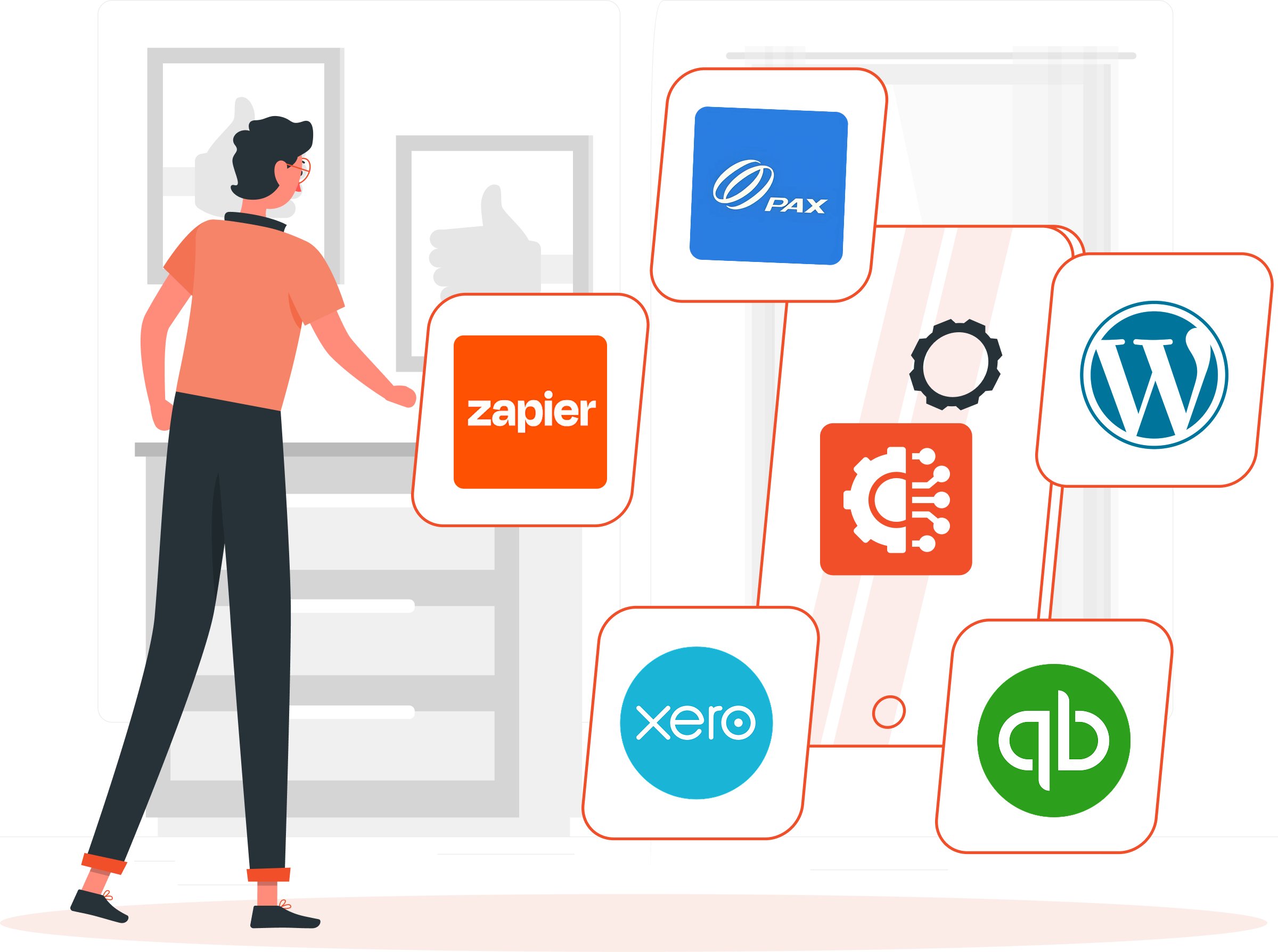
Universell lists QuickBooks integration as well as WordPress and Zapier connectivity. Its current site also promotes integrations and APIs as part of its ecosystem.
Where Universell is a better fit
Universell becomes particularly interesting when the problem is not simply:
“I need a POS.”
but instead:
“I have too many separate systems running my business.”
It is worth evaluating if your stack currently looks something like:
POS + CRM + inventory software + email marketing + SMS + loyalty + invoicing + website tools + spreadsheets.
Where Universell may not be the right fit
Businesses should still compare specialist platforms when one operational requirement dominates everything else.
For example:
- A complex global DTC operation may prioritize Shopify’s commerce ecosystem.
- A warehouse-heavy distributor may need Cin7’s deeper inventory architecture.
- A large specialty retailer may prefer Lightspeed’s mature retail workflows.
- A business already standardized across Odoo may prefer expanding its existing ERP environment.
Universell’s strongest case is consolidation: allowing a small or growing business to manage more of its customer, inventory, sales, marketing and operational workflows without maintaining a collection of disconnected systems.
Best fit: Small and midsize retailers, hybrid retail/service businesses and owners trying to reduce software fragmentation.
4. Lightspeed Retail: Best for Established Inventory-Heavy Retailers
Lightspeed is designed specifically around serious retail operations.
Its retail system emphasizes inventory, suppliers, store operations, payments and reporting.
The company reports serving approximately 150,000 locations globally and says $98.1 billion in gross transaction volume passed through its platform during fiscal 2026.
Strengths
- Strong inventory management
- Purchasing and supplier workflows
- Multi-store support
- Retail-focused reporting
- Payments
- Product catalog management
- E-commerce capability
- Mature retail infrastructure
Trade-offs
Lightspeed is generally a bigger implementation decision than simply downloading Square and attaching a card reader. Small merchants should compare the total package, payment terms and required functionality carefully.
Best fit: Established specialty retailers with meaningful inventory complexity.
5. Odoo: Best Customizable ERP-Style Platform
Odoo is broader than traditional retail software. Its application suite covers POS, sales, accounting, CRM, inventory, e-commerce, HR, websites and many other business operations. Pricing currently includes one Odoo application for $0, while the Standard plan is listed at $24.90 per user per month on annual billing and the Custom tier at $49 per user per month annually.
Strengths
- POS
- Inventory
- CRM
- E-commerce
- Accounting
- HR
- Sales
- Website
- Large application ecosystem
- Extensive customization
Trade-offs
Flexibility comes with implementation complexity. A business owner looking for a highly guided out-of-the-box retail platform may find Odoo more configuration-heavy than Square or Shopify.
Best fit: Growing businesses prepared to configure an ERP-style system around their processes.
6. Zoho One: Best for Businesses Already Using the Zoho Ecosystem
Zoho One takes the business-suite approach. It combines more than 50 applications covering CRM, marketing, finance, operations, collaboration, analytics and administration. Zoho currently lists both all-employee and flexible-user pricing models, with its flexible-user option displayed at $90 per user under the monthly pricing view.
Strengths
- Excellent CRM
- Email marketing
- Analytics
- Finance tools
- Inventory applications
- Employee tools
- Automation
- Broad business application ecosystem
Trade-offs
Zoho is better described as an integrated suite of applications than a single retail-first operating interface. Retailers whose primary problem is fast checkout and physical-store workflows may prefer a more POS-centric platform.
Best fit: Businesses already using Zoho CRM, Books or other Zoho applications.
7. KORONA POS: Best for Specialty Retail and Processor Flexibility
KORONA is more focused than Odoo, Zoho or Universell. It is fundamentally a retail POS platform. Its Core plan currently starts at $59/month and Retail at $79/month, while Plus costs $99/month. KORONA also emphasizes that businesses can work with different payment processors rather than being locked into one processor.
Retail features include
- POS
- Product database
- Inventory counts
- Stock management
- Supplier integrations
- Customer management
- Promotions
- Gift cards
- Barcode automation
- Reporting
- E-commerce capability
- Order automation
Trade-offs: Its CRM, broad marketing and business-management capabilities do not attempt to cover as many operational areas as full SMB platforms.
Best fit: Liquor, convenience, museum, gift, specialty and other inventory-focused retail operations.
8. Clover: Best Hardware-and-Payments-Centric Retail Ecosystem
Clover combines POS software with a substantial range of proprietary hardware. Depending on the retail package, Clover can cover payments, inventory, customer databases, loyalty, promotions, gift cards, employee permissions, online selling and reporting.
Strengths
- Strong POS hardware choices
- Payments
- Customer database
- Loyalty
- Promotions
- Gift cards
- Inventory on retail packages
- Online store options
- App marketplace
Trade-offs
Pricing depends on the software and hardware combination. Processing arrangements also matter significantly when comparing Clover with platforms such as Square, Shopify or KORONA.
Best fit: Physical retailers that want an integrated countertop or handheld POS hardware ecosystem.
9. Cin7 Core: Best for Complex Inventory and Multichannel Operations
Cin7 is not trying to be the cheapest retail POS. It is designed for businesses where inventory complexity has become the central operational problem. Cin7 Core currently starts at $349/month for Standard, $599/month for Pro and $999/month for Advanced. Its Standard plan includes five users, up to two e-commerce/app integrations and unlimited inventory locations.
Strengths
- Inventory management
- Purchase orders
- Product management
- Barcode scanning
- Warehousing
- Accounting integrations
- E-commerce integrations
- Multi-location inventory
- Advanced warehouse tools on higher tiers
- Forecasting add-ons
Trade-offs
Cin7 is significantly more expensive than entry-level POS products. It is also primarily an inventory and operations decision rather than an all-in-one marketing + CRM decision.
Best fit: Growing retailers, wholesalers and multichannel businesses where inventory accuracy is mission-critical.
10. ERPLY: Best for Retail Chains and Multi-Store Operations
ERPLY ranges from relatively simple retail POS environments to much more complex chain and franchise infrastructure. One of its listed retail pricing structures starts at $59 per store for smaller gift-shop and grocery configurations, while more advanced multichannel and enterprise deployments increase significantly depending on requirements.
Strengths
- POS
- Inventory
- Supplier management
- Mobile inventory
- CRM
- Purchase orders
- Promotions
- Gift cards
- Warehouse management
- Multi-store operations
- E-commerce connectivity
Trade-offs: ERPLY becomes considerably more complex and expensive at the chain and enterprise end. A single boutique does not need the same architecture as a 50-location franchise.
Best fit: Retailers moving from individual stores toward more centralized multi-location management.
Retailer Decision Matrix: Which Platform Fits Your Business?
New retail business or pop-up
Start with: Square
Why: $0 software entry point, easy payments and fast setup.
E-commerce brand adding physical locations
Start with: Shopify
Why: strongest synchronization between a Shopify storefront and Shopify-powered retail operations.
Retail business currently using too many separate apps
Evaluate: Universell
Why: POS, inventory, CRM, e-commerce, email, SMS, loyalty, invoicing, employee tools, automation and reporting can be brought into a broader unified environment.
Specialty retailer with substantial inventory
Evaluate: Lightspeed or KORONA
Why: both put retail and inventory operations close to the center of the product.
Business wanting a deeply customizable operational system
Evaluate: Odoo
Why: extensive ERP-style application ecosystem.
Business already deeply invested in Zoho
Evaluate: Zoho One
Why: CRM, finance, marketing and operational applications remain within the Zoho ecosystem.
Complex multichannel retailer or wholesaler
Evaluate: Cin7
Why: inventory, warehouses, purchasing and multichannel synchronization are the priority.
Growing multi-store chain
Evaluate: ERPLY, Lightspeed or Cin7
The right answer depends more on inventory complexity, locations and integration requirements than headline subscription price.
The Real Cost of “All-in-One” Retail Software
Subscription price should never be the only comparison. Imagine Retailer A pays:
- POS: $60
- CRM: $50
- Email marketing: $80
- SMS: $70
- Loyalty software: $50
- Inventory app: $100
- Booking software: $30
- Invoicing: $30
That is already: $470/month
And the larger cost may be the time spent moving information between those systems. Compare that with Retailer B paying more for one broader platform but eliminating three or four other subscriptions. The second option can cost more on the pricing page and less in real operations. When evaluating platforms, calculate:
Software subscriptions
- payment processing
- add-ons
- hardware
- integrations
- additional locations
- extra employees/users
- implementation
- time spent reconciling systems
That number is your real software cost.
Why Connected Customer and Inventory Data Matters
Consider a customer who buys a $180 jacket. A disconnected POS knows: One jacket sold.
A connected retail platform can potentially know:
- Who purchased it
- Which location sold it
- Which employee completed the sale
- Remaining stock
- Whether replenishment is needed
- Customer purchase history
- Loyalty status
- Whether the customer purchased online previously
- Which marketing campaign influenced the transaction
- What complementary products might interest the customer later
That is why modern retail software is moving beyond transactions. The competitive advantage is increasingly the connection between transactions, customers, inventory and communication.
Why Universell Platform Is Worth Shortlisting
Universell platform should not automatically replace Shopify, Square, Lightspeed or every specialist platform. That is not a useful question. The useful question is:
How many separate systems are required to run your business today?
If the answer is:
“We have Square for payments, spreadsheets for inventory, Mailchimp for email, another SMS tool, separate CRM software, QuickBooks, a website system and manual loyalty tracking,”
then a broader platform becomes much more interesting. Universell’s value proposition is consolidation. The platform currently brings together retail sales, inventory, CRM, loyalty, e-commerce, marketing, invoicing, bookings, automation, reporting, employee tools and integrations. For a business owner, the goal is not having the largest possible software stack. It is having enough technology to run the business without spending the day managing technology.
Frequently Asked Questions
What is the best all-in-one retail management software for a small business?
It depends on the operating model. Square is an excellent starting point for a small physical retailer. Shopify is stronger for an e-commerce-first retailer. Universell is worth evaluating when the business wants POS, CRM, inventory, e-commerce, marketing, loyalty, invoicing and other operational tools in a broader unified platform. Lightspeed and KORONA are strong retail-specific choices, while Cin7 is better suited to businesses where advanced inventory management is the primary requirement.
What is the best retail software for inventory management?
For advanced inventory operations, Cin7 and Lightspeed deserve serious consideration. Smaller retailers may find the inventory capabilities in Universell, Square, KORONA, Shopify or Odoo sufficient depending on their SKU counts, locations and purchasing complexity.
Which platform is best for online and in-store selling?
Shopify is particularly strong for brands whose online store is already central to their business. Universell also supports e-commerce, inventory, orders and in-store retail workflows, making it another option for businesses seeking broader operational consolidation.
Is Square really free?
Square offers a $0-per-location Free software plan, but payment-processing fees still apply. Its current U.S. pricing lists card-present processing on the Free tier at 2.6% + $0.15.
Is Shopify POS free?
Basic in-person selling capabilities come with Shopify subscriptions, but Shopify POS Pro currently costs an additional $89 per month for each POS Pro location. Shopify Basic currently starts at $39/month.
Should retailers use separate CRM software?
Not always. If your retail platform already connects customer profiles, purchase history, marketing, loyalty and communication, separate CRM software may create unnecessary duplication. A dedicated CRM becomes more useful when the business has complex B2B sales pipelines or sophisticated sales-team workflows.
What is the biggest advantage of all-in-one retail software?
The biggest advantage is not simply having more features. It is reducing fragmentation. When inventory, customers, orders, payments, marketing and reporting share data, retailers spend less time reconciling systems and gain a clearer view of the business.
How should I compare retail software pricing?
Compare total cost of ownership rather than subscription price alone. Include:
- Base subscription
- Number of locations
- Number of users
- POS registers
- Processing rates
- Hardware
- Inventory add-ons
- Email/SMS fees
- Loyalty programs
- E-commerce costs
- Integrations
- Implementation
- Support
A $0 POS can ultimately cost more than a paid platform if the business needs several additional applications around it.
There is no single “best” retail platform for every business.
Choose Square if simplicity and low initial cost matter most.
Choose Shopify if online commerce drives the business.
Consider Universell if the bigger problem is software fragmentation and you want POS, inventory, CRM, e-commerce, loyalty, marketing, invoicing, automation and business operations connected in one broader platform.
Choose Lightspeed or KORONA when specialist retail operations are the priority.
Choose Odoo or Zoho One when you want a wider business application ecosystem and are comfortable configuring it.
Choose Cin7 when complex inventory and multichannel operations justify the higher price.
Choose ERPLY when multi-store retail infrastructure is becoming the primary requirement.
For many small retailers, the most expensive software problem is not choosing the wrong POS.
It is slowly building a business around six disconnected platforms and discovering that no one system knows what the others are doing.
That is the problem the next generation of all-in-one retail platforms is trying to solve.
And for retailers looking specifically to consolidate customer management, inventory, marketing, payments, loyalty, e-commerce and day-to-day operations, Universell deserves a place on the 2026 shortlist.
Visit Universell.us to explore the platform.
FAQ Schema Copy
What is the best all-in-one retail management software for a small business?
Square is a strong choice for simple POS, Shopify for e-commerce-first businesses, and Universell for businesses seeking a broader combination of POS, inventory, CRM, e-commerce, marketing, loyalty, invoicing and operational tools.
Is Square free for retail businesses?
Square offers a $0 monthly Free software plan, although payment processing and some advanced functionality carry additional cost.
Is Shopify POS free?
Basic POS functionality is included with Shopify plans, while Shopify POS Pro currently costs an additional $89 per month per location.
What software can manage retail inventory and CRM together?
Platforms including Universell, Lightspeed, Odoo, Square, Shopify and several other retail management systems combine inventory and customer-management capabilities to varying degrees.
What should small retailers look for in all-in-one software?
Prioritize POS, real-time inventory, CRM, e-commerce, marketing and loyalty, invoicing, employee controls, reporting, automation and integrations. The right platform should reduce the number of separate systems required to run the business.
Your Next Step
For simple retail POS, Square starts at $0/month. For broader all-in-one retail management, Universell Platform starts at $39.95/month.
By Katya Z. | Marketing Manager
Business technology, AI, marketing & e-commerce