Managing employees across an enterprise retail organization is very different from scheduling a team at a single store.
A large retailer may need to manage thousands of employees across stores, warehouses, regional offices, fulfillment operations, and corporate teams. Employees may work different shifts, follow different labor rules, receive different pay structures, and move between locations according to operational demand.
Enterprise employee management software therefore needs to do more than maintain employee profiles or create schedules.
The wider employee lifecycle can include:
Hiring → Onboarding → Scheduling → Time & Attendance → Payroll → Compliance → Performance → Learning → Workforce Planning → Analytics
Some platforms in this comparison provide extensive enterprise HCM and payroll capabilities. Others focus more heavily on frontline workforce management, scheduling, labor optimization, or connecting employee management with wider business operations.
To keep the comparison fair, every platform is evaluated using the same criteria:
- Overview
- Key Features
- Pricing
- Example Use Case
- Best For
- Strengths
- Limitations
Product information in this guide was checked in July 2026.
Quick-Scan Comparison: Employee Management Software for Enterprise Retail
| Platform | Best For | Scheduling & WFM | Payroll/HCM | Broader Operations | Enterprise Fit |
| UKG Pro | Comprehensive retail workforce management | Excellent | Excellent | Strong | Excellent |
| Workday HCM | HR + workforce + finance | Excellent | Excellent | Excellent | Excellent |
| Dayforce | Payroll + workforce management | Excellent | Excellent | Strong | Excellent |
| Universell Platform | Employee + connected business operations | Strong | Connected tools | Excellent | Strong |
| Legion WFM | Frontline labor optimization | Excellent | Integration-focused | Moderate | Excellent |
| ADP Workforce Now | Payroll-centered workforce management | Strong | Excellent | Moderate | Excellent |
| SAP SuccessFactors | Global SAP enterprises | Strong | Excellent | Excellent within SAP | Excellent |
| Deputy | Distributed workforce scheduling | Excellent | Integration-focused | Moderate | Strong |
Most enterprise platforms do not publish straightforward per-user pricing because costs depend on employee count, modules, locations, countries, integrations, implementation, and support.
For that reason, retailers should compare total implementation and operating costs rather than subscription prices alone.
What Enterprise Retailers Actually Need From Employee Management Software
Enterprise Scheduling
Retail scheduling changes according to store traffic, seasonality, promotions, holidays, online orders, employee availability, labor budgets, and local events.
Enterprise scheduling software should help retailers determine not only who can work but how much labor each location actually requires.
Labor Demand Forecasting
Historical transactions, traffic patterns, promotions, and seasonality can help retailers estimate future staffing requirements.
Better forecasting can reduce both understaffing during busy periods and unnecessary labor expenditure during slower periods.
Time and Attendance
Enterprise retailers may need to monitor clock-ins, clock-outs, breaks, overtime, absences, shift changes, approved hours, and attendance exceptions across thousands of employees.
Small discrepancies become significant when multiplied across a large workforce.
Payroll Connection
A connected workflow might look like:
Schedule → Hours Worked → Approved Time → Pay Rules → Payroll
Reducing manual transfers between these stages can improve administrative efficiency and payroll accuracy.
Multi-Location Workforce Management
Large retailers may operate across hundreds of locations.
Management therefore needs visibility across:
Company → Region → District → Store → Department → Employee
The system should make it possible to understand workforce activity without creating separate processes for every location.
Employee Self-Service
Employees increasingly expect to view schedules, request leave, swap shifts, update availability, check hours, and receive workplace communications without asking a manager to perform every action.
Self-service can also reduce routine administrative work for store managers.
Labor Compliance
Enterprise retailers may operate under different requirements involving breaks, overtime, leave, predictive scheduling, holiday pay, working hours, and employee classifications.
Employee-management systems can help businesses apply workforce policies more consistently.
Hiring and Onboarding
Seasonal retail hiring can involve hundreds or thousands of temporary employees.
Connecting recruitment, documentation, onboarding, training, scheduling, and employee records can reduce administrative handoffs.
Workforce Analytics
Retail leadership may need to analyse:
Labor cost by location
Overtime by region
Turnover
Absenteeism
Schedule adherence
Hiring velocity
Labor-to-sales ratio
Employee performance
Forecast versus actual staffing
The objective is to turn workforce information into operational decisions.
1. UKG Pro: Best for Comprehensive Retail Workforce Management
Overview
UKG Pro combines workforce management with HR, payroll, scheduling, employee experience, workforce intelligence, and compliance capabilities.
Its workforce-management functionality makes it particularly relevant to large retailers managing substantial frontline employee populations.
Key Features
- Workforce scheduling
- Demand forecasting
- Time and attendance
- Payroll
- Core HR
- Labor analytics
- Compliance tools
- Employee self-service
- Mobile workforce access
- Overtime management
- Workforce intelligence
Pricing
UKG uses custom enterprise pricing based on workforce size, selected modules, integrations, implementation, and other organizational requirements.
Example Use Case
A national retailer operates hundreds of stores and expects unusually high traffic during an upcoming promotional weekend.
Forecasting and scheduling tools can help managers identify locations requiring additional labor and adjust staffing before customer demand increases.
Best For
Enterprise retailers requiring sophisticated frontline workforce management alongside broader HR and payroll functionality.
Strengths
UKG provides considerable depth across workforce management, payroll, scheduling, HR, compliance, and employee self-service.
Limitations
Its enterprise scope can make implementation, configuration, integrations, and change management significantly more involved than adopting a lightweight workforce tool.
2. Workday HCM: Best for Enterprise HR, Workforce and Finance Integration
Overview
Workday provides an enterprise environment spanning human resources, workforce management, talent, planning, payroll, analytics, and finance.
This makes it relevant when workforce decisions need to connect closely with broader organizational and financial planning.
Key Features
- Core HCM
- Workforce management
- Scheduling
- Time tracking
- Payroll capabilities
- Recruiting
- Talent management
- Learning
- Workforce planning
- Analytics
- Finance integration
Pricing
Workday uses custom enterprise pricing based on organization size, modules, deployment scope, integrations, and implementation requirements.
Example Use Case
A retailer’s finance department sets quarterly labor budgets while operations creates store schedules and HR manages workforce planning.
Workday can help these teams work with a more connected set of workforce and financial information.
Best For
Large retailers wanting workforce management connected with enterprise HR, talent, planning, and finance.
Strengths
Workday provides broad enterprise capabilities extending considerably beyond scheduling and attendance.
Limitations
Implementation can become a substantial enterprise transformation rather than a simple employee-management software deployment.
3. Dayforce: Best for Payroll and Workforce Management Together
Overview
Dayforce combines payroll, workforce management, scheduling, HR, talent, employee experience, and compliance.
Its structure is particularly relevant when employee schedules, actual hours, labor rules, and payroll need to remain closely connected.
Key Features
- Payroll
- Workforce management
- Scheduling
- Time and attendance
- Labor planning
- Demand-based scheduling
- Employee self-service
- Talent management
- Compliance
- Workforce analytics
- Multi-location support
Pricing
Dayforce provides custom pricing according to workforce size, selected functionality, payroll requirements, geographic scope, and implementation.
Example Use Case
An employee works at two store locations during the same week, enters overtime, and performs roles with different pay requirements.
Keeping time, scheduling, workforce rules, and payroll within a connected environment can simplify the process of calculating compensation.
Best For
Enterprise retailers prioritizing payroll and workforce management within the same broader system.
Strengths
Dayforce provides strong connections between scheduling, time management, labor planning, and payroll.
Limitations
Businesses prioritizing broader finance integration or a different enterprise technology ecosystem may find other HCM platforms better aligned.
4. Universell Platform: Best for Connecting Employee Management With Business Operations
Overview
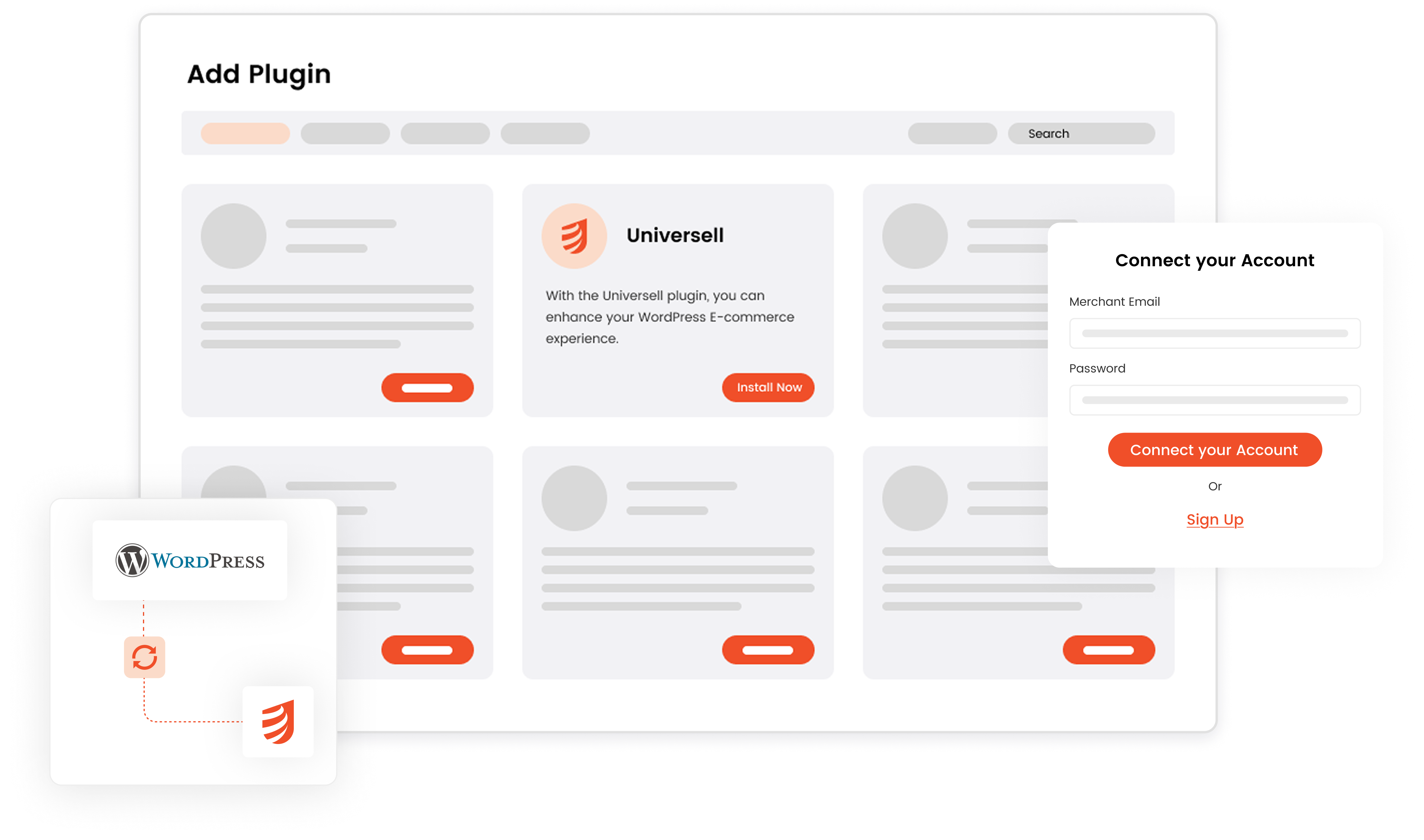
Universell takes a broader business-management approach by connecting employee-related functionality with other operational areas of the business.
Rather than positioning employee management entirely as a standalone HR function, the platform can support workforce activities alongside areas such as CRM, scheduling, payments, sales, inventory, marketing, reporting, and other business workflows.
Key Features
- Employee management
- Employee scheduling
- Time-related workforce management
- Business scheduling
- CRM
- Payments
- Inventory
- Sales management
- Marketing tools
- Reporting
- Automation
- Broader business-management tools
Pricing
Businesses should check directly with Universell for current platform pricing, available employee-management functionality, user requirements, and enterprise configurations.
Example Use Case
A multi-location retailer wants store managers to manage employee schedules while also keeping workforce activity closer to sales, customer, inventory, payment, and operational information.
Instead of maintaining separate software environments for every function, a broader platform can reduce the number of disconnected applications involved in everyday operations.
Best For
Retail organizations that want employee management connected with broader business operations rather than deploying employee software as an isolated system.
Strengths
Universell’s main advantage is operational consolidation. Employee management can sit closer to other business functions such as CRM, inventory, sales, payments, scheduling, marketing, and reporting.
Limitations
Very large global retailers requiring highly sophisticated global payroll, enterprise compensation, succession planning, complex labor forecasting, or multinational HCM may require more specialized enterprise platforms such as UKG, Workday, Dayforce, or SAP SuccessFactors.
5. Legion Workforce Management: Best for AI-Powered Frontline Labor Optimization
Overview
Legion specializes heavily in frontline workforce management.
Its functionality focuses on demand forecasting, labor optimization, automated scheduling, workforce execution, and employee flexibility.
Key Features
- Demand forecasting
- Labor optimization
- Automated scheduling
- Time and attendance
- Employee self-service
- Shift swapping
- Labor planning
- Workforce analytics
- Compliance tools
- Frontline communication
Pricing
Legion uses custom enterprise pricing depending on workforce scale, selected capabilities, integrations, and implementation requirements.
Example Use Case
A retailer normally schedules 14 associates on Wednesday.
An upcoming promotion, local event, weather conditions, and increased ecommerce pickup volume are expected to increase demand.
Forecasting can help managers adjust staffing requirements based on expected activity rather than simply repeating the usual Wednesday schedule.
Best For
Large retailers where frontline demand forecasting and labor optimization are major operational priorities.
Strengths
Legion provides considerable specialization around forecasting, automated scheduling, frontline workforce optimization, and employee flexibility.
Limitations
It is more workforce-management focused than a complete HCM suite and may therefore need to connect with existing payroll, HR, talent, and finance infrastructure.
6. ADP Workforce Now: Best for Payroll-Centered Workforce Management
Overview
ADP Workforce Now combines payroll with HR, workforce management, time tracking, benefits, talent, reporting, and analytics.
It is particularly relevant to organizations where ADP already plays a central role in payroll operations.
Key Features
- Payroll
- Core HR
- Time and attendance
- Employee scheduling
- Benefits administration
- Talent management
- Workforce analytics
- Compliance support
- Mobile workforce tools
- Multi-location capabilities
Pricing
ADP uses custom pricing based on employee count, payroll requirements, services, modules, and configuration.
Example Use Case
A retailer already processes payroll through ADP but maintains separate scheduling and attendance processes.
Extending workforce management within the ADP environment can keep employee hours and payroll information closer together.
Best For
Enterprise retailers where payroll is central to the employee-management technology environment.
Strengths
ADP provides extensive payroll experience alongside HR and workforce-management functionality.
Limitations
Retailers whose primary challenge is sophisticated store-level demand forecasting and labor optimization may find a more specialized workforce platform better suited to that requirement.
7. SAP SuccessFactors: Best for Global Retailers Using SAP
Overview
SAP SuccessFactors provides enterprise HCM functionality across core HR, payroll, talent, learning, performance, compensation, workforce planning, and analytics.
It becomes particularly relevant for global retailers already operating major SAP systems.
Key Features
- Core HR
- Payroll
- Recruiting
- Onboarding
- Learning
- Performance management
- Compensation
- Time and attendance
- Workforce planning
- Workforce analytics
- Talent development
- Employee experience
Pricing
SAP SuccessFactors uses enterprise pricing based on employee population, modules, deployment requirements, geographic scope, and integrations.
Example Use Case
A multinational retailer already uses SAP systems for ERP, finance, and supply-chain operations.
SuccessFactors allows employee and HCM processes to operate within the organization’s wider SAP technology architecture.
Best For
Large global retailers already significantly invested in SAP.
Strengths
SuccessFactors provides broad global HCM and talent-management capabilities and fits naturally into larger SAP environments.
Limitations
Its enterprise depth may introduce unnecessary complexity for retailers mainly looking for scheduling, attendance, and basic frontline employee management.
8. Deputy: Best for Simpler Distributed Workforce Scheduling
Overview
Deputy focuses heavily on frontline scheduling, time tracking, attendance, workforce coordination, and employee self-service.
It provides a more focused alternative for retailers that do not necessarily need a complete global HCM transformation.
Key Features
- Employee scheduling
- Auto-scheduling
- Time tracking
- Attendance
- Demand forecasting
- Labor optimization
- Leave management
- Shift swapping
- Employee communication
- Compliance tools
- Payroll integrations
- Reporting
Pricing
Deputy offers different pricing options according to deployment requirements, with enterprise arrangements available for larger organizations.
Example Use Case
A retailer operates dozens of stores where managers spend significant time creating schedules, processing leave requests, coordinating shift swaps, and communicating changes.
Deputy can centralize these activities while allowing employees to complete routine scheduling actions themselves.
Best For
Distributed retailers prioritizing straightforward scheduling, attendance, and frontline workforce coordination.
Strengths
Deputy’s relatively focused approach can make workforce scheduling easier to adopt than a much broader enterprise HCM platform.
Limitations
Organizations requiring sophisticated global payroll, compensation, succession planning, enterprise talent management, and strategic HR may need another HCM platform alongside or instead of Deputy.
The Real Cost of Employee Management at Enterprise Scale
Software subscription price represents only one part of workforce-management cost.
Consider a retailer with 20,000 employees.
If inefficient scheduling creates only 15 unnecessary labor minutes per employee each week, that represents:
5,000 unnecessary labor hours per week.
At enterprise scale, relatively small improvements in labor allocation, overtime, attendance, payroll accuracy, or manager productivity can therefore have significant financial implications.
A more useful evaluation considers:
Software + Implementation + Integrations + Support + Administration + Labor Efficiency
Basic Employee Scheduling vs. Enterprise Workforce Management
| Requirement | Basic Scheduling Tool | Enterprise Workforce Platform |
| Employee schedules | ✓ | ✓ |
| Shift swapping | Usually | ✓ |
| Time tracking | Usually | ✓ |
| Multi-location management | Limited | Advanced |
| Demand forecasting | Limited | Advanced |
| Labor optimization | Limited | Advanced |
| Payroll integration | Basic | Deep |
| Compliance | Basic | Multi-region |
| Talent management | Rare | Available |
| Recruiting | Usually separate | Available |
| Learning | Usually separate | Available |
| Workforce planning | Rare | Advanced |
| Enterprise analytics | Limited | Advanced |
| Employee self-service | Usually | Advanced |
The right level of software depends on the complexity of the retailer’s workforce.
Which Employee Management Software Should You Choose?
Consider UKG Pro if sophisticated frontline workforce management, scheduling, payroll, compliance, and labor optimization are priorities.
Consider Workday HCM if workforce management needs to connect with enterprise HR, talent, planning, and finance.
Consider Dayforce if payroll and workforce management need to remain tightly connected.
Consider Universell Platform if employee management needs to connect with CRM, scheduling, inventory, payments, sales, marketing, reporting, and broader business operations.
Consider Legion if frontline demand forecasting and labor optimization are the main challenges.
Consider ADP Workforce Now if payroll already sits at the center of your HR technology environment.
Consider SAP SuccessFactors if you operate a large global organization already heavily invested in SAP.
Consider Deputy if straightforward scheduling, attendance, shift management, and frontline employee self-service are the primary requirements.
Frequently Asked Questions
What is the best employee management software for enterprise retailers?
There is no single best platform for every enterprise retailer.
UKG is particularly strong for sophisticated retail workforce management. Workday provides broad HR and finance capabilities, while Dayforce connects payroll and workforce management closely.
Universell takes a broader operational approach by connecting employee management with other business functions. Legion specializes in labor optimization, ADP is relevant to payroll-centered environments, SAP SuccessFactors fits global SAP-oriented organizations, and Deputy focuses more heavily on distributed scheduling.
Where does Universell fit compared with traditional HCM platforms?
Universell approaches the problem from a broader business-operations perspective.
Traditional HCM platforms such as Workday, UKG, Dayforce, and SAP SuccessFactors provide greater depth in areas such as enterprise HR, payroll, talent, compensation, and workforce planning.
Universell becomes more relevant when a retailer wants employee management to remain closer to other everyday business functions such as CRM, inventory, sales, payments, scheduling, marketing, and reporting.
The better choice therefore depends on whether the retailer’s priority is deep enterprise HCM or broader operational consolidation.
What is workforce management software?
Workforce management software helps businesses manage scheduling, attendance, time tracking, absences, labor forecasting, compliance, employee self-service, and workforce analytics.
Broader HCM platforms can extend these functions into payroll, recruiting, benefits, learning, performance, and talent management.
What is the difference between HCM and workforce management?
Workforce management focuses primarily on operational workforce questions:
Who should work?
When should they work?
How many hours did they work?
How much labor does the business require?
HCM is broader and can include recruiting, HR records, payroll, compensation, benefits, learning, performance, career development, succession, and workforce planning.
Why is workforce forecasting important for retail?
Retail demand changes because of promotions, holidays, weather, events, seasonality, product launches, store traffic, and online orders.
Forecasting helps retailers align staffing more closely with expected demand.
Can employee management software reduce overtime?
It can help.
Workforce systems can give managers greater visibility into scheduled hours, employee availability, labor costs, and potential overtime before schedules are finalized.
Can enterprise workforce software manage multiple stores?
Yes.
Multi-location functionality is an important requirement for enterprise workforce systems.
Depending on the platform, retailers may manage employees across stores, departments, districts, regions, warehouses, distribution centers, and countries.
Should enterprise retailers choose employee software based on price?
Not entirely.
Retailers should consider:
Software
Implementation
Integrations
Support
Administration
Payroll accuracy
Compliance
Manager productivity
Labor efficiency
A lower software price does not necessarily result in a lower total cost of ownership.
Your Next Step
For enterprise retailers needing advanced workforce management, payroll, compliance, and labor planning, start with UKG Pro, Workday, or Dayforce. If your priority is connecting employee management with wider retail operations such as CRM, inventory, sales, payments, scheduling, marketing, and reporting, consider Universell Platform.
For businesses mainly focused on frontline scheduling and workforce coordination, Legion or Deputy may be a better fit.