Inventory management software for small retailers ranges from free plans to several hundred dollars per month, but price alone does not determine value.
A useful inventory platform should help retailers understand what is in stock, what is selling, what needs to be reordered, where products are located, and how inventory connects with purchasing, sales, suppliers, and other everyday operations.
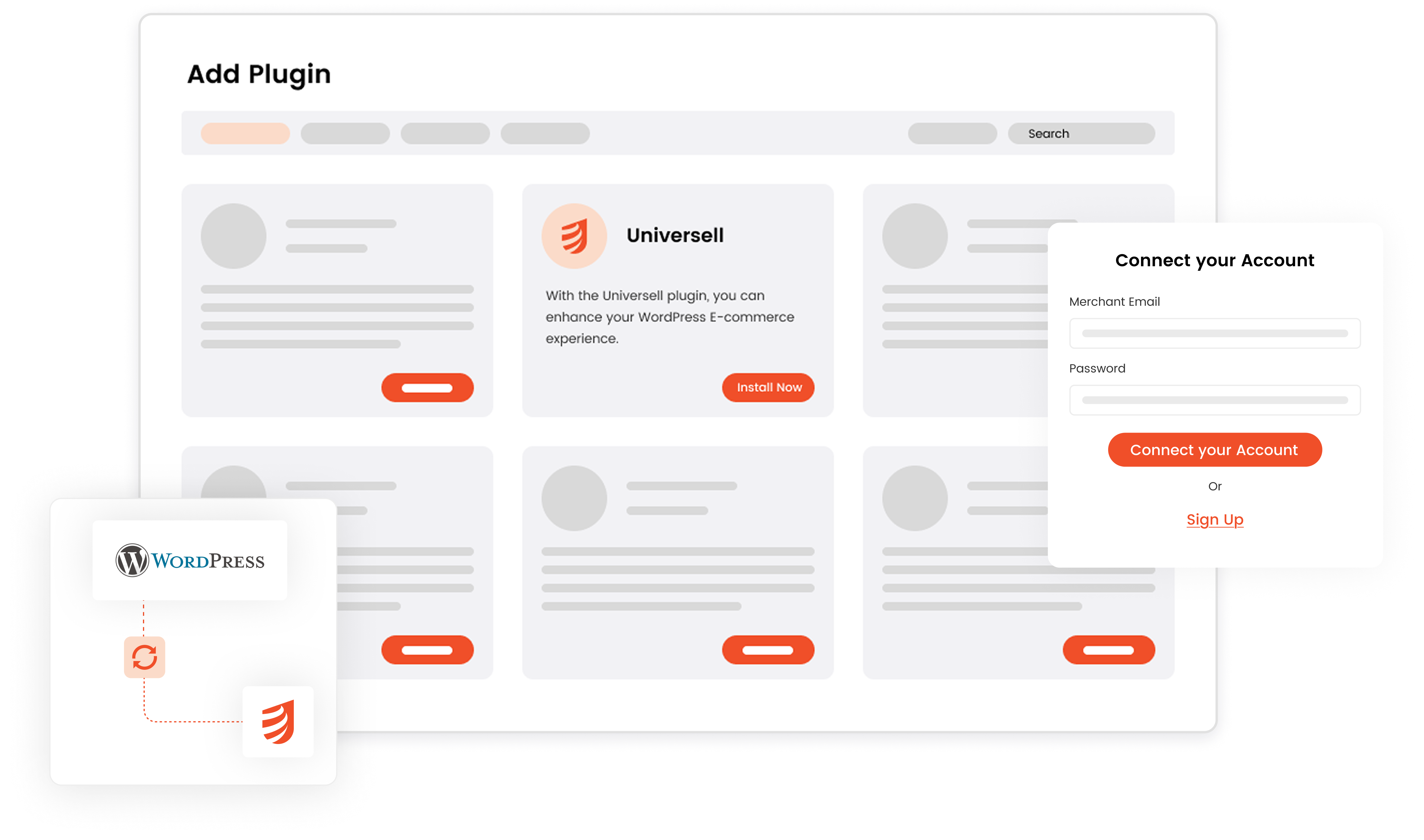
Some platforms specialise in dedicated inventory management. Others connect inventory directly with POS and ecommerce. Platforms such as Universell take a broader approach by combining inventory with CRM, payments, sales, scheduling, marketing, and other business-management functions.
In this guide, we compare nine inventory management platforms using the same criteria:
- Overview
- Key features
- Pricing
- Best for
- Strengths
- Limitations
Pricing and product information should always be confirmed directly with each provider before purchasing.
What Small Retailers Actually Need From Inventory Software
Real-Time Stock Visibility
The first requirement is knowing what stock is actually available.
Employees should be able to see available, incoming, sold, transferred, low-stock, and out-of-stock inventory without checking multiple spreadsheets or systems.
This becomes increasingly important when retailers operate multiple locations or sales channels.
Product Organisation
As a product catalogue grows, retailers need a structured way to organise products by SKU, barcode, supplier, category, brand, size, colour, variation, location, and other attributes.
Good product organisation makes inventory easier to search, count, sell, replenish, and analyse.
Reordering and Purchasing
Inventory management should also help retailers understand when stock needs to be replenished.
Useful features may include low-stock alerts, reorder points, purchase orders, receiving, supplier records, replenishment recommendations, and purchase histories.
Supplier Management
Retailers need visibility into where products come from as well as where they go.
Supplier information, purchase orders, delivery records, pricing, and goods received can become difficult to manage when purchasing and inventory exist in separate systems.
Multi-Location Inventory
Retailers with multiple stores or warehouses need to know not only how much inventory they own, but where it is located.
Good multi-location functionality can help businesses transfer available stock instead of unnecessarily placing another supplier order.
Sales Connection
Inventory works best when it updates alongside transactions.
An efficient workflow might look like:
Product Received → Inventory Updated → Product Sold → Stock Reduced → Low-Stock Alert → Reorder
The fewer manual updates required between these steps, the lower the chance of inventory errors.
Reporting
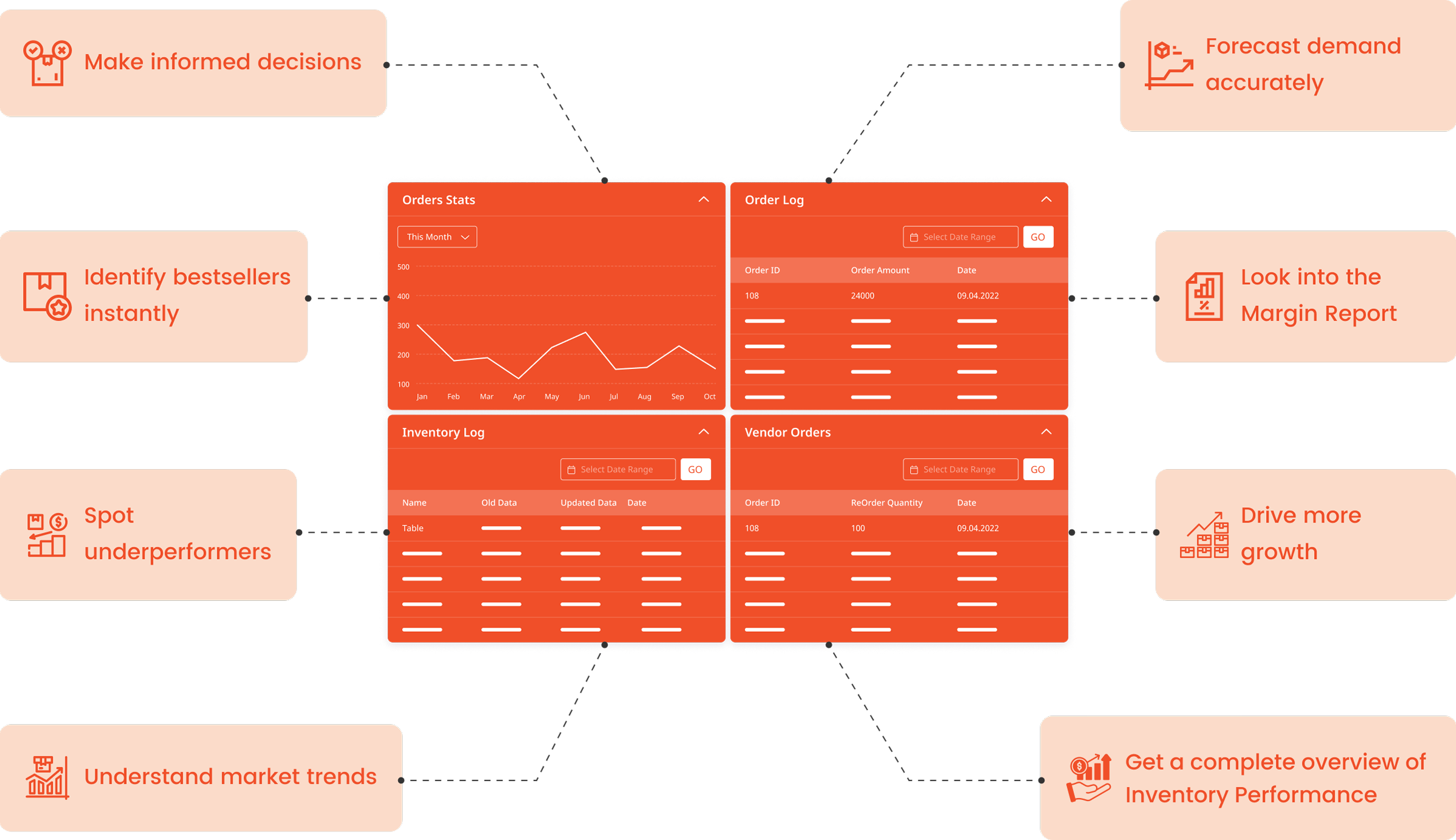
Useful inventory reporting should help retailers understand more than current stock levels.
Important insights can include best sellers, slow-moving products, inventory value, sales trends, replenishment needs, and location-level performance.
Connected Operations
Inventory does not exist independently from the rest of the business.
Supplier → Purchasing → Inventory → Sale → Payment → Customer → Reporting → Reorder
Retailers should therefore consider not only inventory features but also how well the system connects with the rest of their workflow.
1. Shopify: Best for Omnichannel Shopify Retailers
Overview
Shopify is a strong inventory option for retailers already operating ecommerce stores through Shopify.
Its biggest advantage is that ecommerce, physical retail, products, transactions, and inventory can operate within the same commerce ecosystem.
Key Features
- Real-time inventory tracking
- Multiple inventory locations
- Purchase orders
- Stock transfers
- Inventory adjustments
- Product variants
- Inventory history
- Barcode workflows
- Online and in-store inventory
- POS integration
- Retail reporting
Pricing
Shopify Basic currently starts at approximately $39 per month on monthly billing in the U.S. Shopify POS Pro is available as an additional paid option per location. Businesses should confirm current pricing directly with Shopify.
Best For
Retailers already using Shopify for ecommerce and looking to connect online and physical-store inventory.
Strengths
Shopify’s biggest strength is omnichannel commerce. Inventory can stay closely connected with online orders, physical-store sales, products, returns, and customer transactions.
Limitations
Shopify is fundamentally a commerce platform. Businesses requiring extensive non-commerce workflows, specialised CRM, service scheduling, or broader operational management may still need additional applications.
2. Square: Best for Small Retailers Using Square POS
Overview
Square takes a POS-first approach to inventory management.
For smaller physical retailers, this can make inventory easier because product quantities can update as transactions happen.
Key Features
- Inventory tracking
- POS
- Item libraries
- Low-stock management
- Barcode support
- Vendor management
- Purchase orders on applicable plans
- Multiple locations
- Online selling
- Customer information
- Payments
- Retail reporting
Pricing
Square provides entry options with no traditional monthly software subscription for some configurations. Payment-processing fees and charges for additional Square products may apply.
Best For
Small stores already processing sales through Square.
Strengths
Square connects transactions directly with inventory. This helps reduce manual stock adjustments after each sale and makes the platform particularly practical for small physical retailers.
Limitations
Square works best inside its own ecosystem. Retailers requiring deeper inventory planning, complex purchasing workflows, or specialised stock management may eventually need a more advanced platform.
3. Zoho Inventory: Best Dedicated Inventory Platform for Small Businesses
Overview
Zoho Inventory is designed specifically around inventory and order management. It offers more inventory depth than basic POS systems while maintaining an accessible entry point for smaller businesses.
Key Features
- Item management
- Reorder levels
- Purchase orders
- Sales orders
- Composite items
- Serial-number tracking
- Batch tracking
- Barcode generation
- Stock counting
- Replenishment
- Warehousing
- Multi-location inventory
- Reporting
- Invoicing
Pricing
Zoho Inventory offers a free tier as well as several paid plans. Higher plans increase order limits, users, locations, automation, and inventory functionality.
Businesses should check current Zoho pricing before purchasing.
Best For
Small product-based businesses primarily looking for dedicated inventory and order management.
Strengths
Zoho Inventory provides strong purchasing, stock, order, and warehouse functionality without immediately requiring enterprise-level software. It also connects with other products in the Zoho ecosystem.
Limitations
Retailers wanting CRM, payments, marketing, and broader operations in one environment may need to configure additional Zoho applications or third-party integrations.
4. Universell Platform: Best for Connecting Inventory With Broader Business Operations
Overview
Universell takes an all-in-one approach to inventory management.
Rather than treating inventory as an isolated application, it combines inventory functionality with other tools used to operate a small business.
Key Features
Universell includes functionality across areas such as:
- Inventory management
- Real-time stock visibility
- Product management
- Inventory insights
- Vendor management
- CRM
- Payments
- Sales
- Scheduling
- Marketing
- Reporting
- Employee management
- Automation
Universell describes its broader platform as providing more than 100 integrated business tools.
Pricing
Businesses should contact Universell or check its current plans directly for up-to-date pricing. A 30-day free trial is available with no credit card required.
Best For
Small retailers that want inventory connected with CRM, payments, sales, scheduling, marketing, and broader business operations.
Strengths
Universell’s main strength is consolidation. Inventory can operate closer to the customer, transaction, payment, marketing, and operational workflows surrounding it. This may help retailers reduce the number of separate applications used across the business.
Limitations
Retailers that only need advanced warehouse, supply-chain, or dedicated inventory functionality may prefer a specialist inventory or ERP platform. Similarly, businesses with very basic stock-management needs may not require a broader all-in-one system.
5. Lightspeed Retail: Best for Inventory-Heavy and Multi-Location Retailers
Overview
Lightspeed Retail combines POS with more advanced inventory, purchasing, and supplier-management functionality. It is designed more specifically around retail operations than many general inventory products.
Key Features
- Inventory management
- Purchase orders
- Supplier management
- Stock transfers
- Serial-number tracking
- Inventory adjustments
- Landed costs
- Multi-location inventory
- Mobile inventory tools
- Wholesale ordering
- Reporting
- Forecasting tools on applicable plans
Pricing
Lightspeed offers several paid retail plans. Costs can vary based on plan, registers, locations, payments, and additional functionality. Businesses should confirm current pricing directly with Lightspeed.
Best For
Growing specialty retailers and multi-location stores where inventory management is a major operational priority.
Strengths
Lightspeed provides strong retail-specific functionality around inventory, POS, suppliers, purchasing, and multiple locations.
Limitations
The additional retail depth can also increase cost and complexity. Very small single-location stores with simple catalogues may not need its full functionality.
6. Sortly: Best for Simple Visual Inventory Tracking
Overview
Sortly focuses on making physical inventory easy to organise and identify. Its visual approach can be particularly useful for teams that prefer photos, folders, QR codes, and simple stock records over complex inventory workflows.
Key Features
- Inventory organisation
- Item photos
- Categories and folders
- QR codes
- Barcodes
- Stock alerts
- Custom fields
- Location tracking
- Activity history
- Mobile access
- Reporting
Pricing
Sortly provides a free entry option along with paid plans offering higher limits and additional functionality.
Best For
Very small businesses primarily looking for straightforward visual inventory tracking.
Strengths
Sortly is relatively simple to understand and can be easier to implement than more sophisticated inventory platforms.
Limitations
It is not designed to replace a full retail-management system. POS, payments, CRM, ecommerce, marketing, and loyalty may remain in separate applications.
7. Cin7 Core: Best for Growing Businesses With Complex Inventory
Overview
Cin7 Core provides more advanced inventory and operational functionality for growing product businesses.
It is suited to companies that have moved beyond simple stock tracking and need more control over warehouses, purchasing, sales channels, and order management.
Key Features
- Inventory management
- Purchasing
- Sales orders
- Multiple locations
- Warehouse management
- Barcode scanning
- Batch and serial tracking
- Supplier management
- Manufacturing features
- Ecommerce integrations
- Accounting integrations
- Reporting
- Stock planning
Pricing
Cin7 Core generally sits at a higher price point than lightweight inventory tools. Businesses should request or check current plan pricing based on their operational requirements.
Best For
Growing retailers and product businesses managing complex, multichannel, or warehouse-based inventory.
Strengths
Cin7 Core provides greater inventory depth and operational control than many small-business inventory applications.
Limitations
More advanced functionality typically means greater implementation effort, configuration, and cost. It may be unnecessary for a very small retailer.
8. inFlow Inventory: Best for Product-Based Small Businesses
Overview
inFlow focuses specifically on inventory, purchasing, and order management. It sits between basic stock trackers and larger ERP-style systems.
Key Features
- Inventory tracking
- Purchasing
- Sales orders
- Product management
- Barcode workflows
- Multiple stock locations
- Reordering
- Supplier information
- Order management
- Reporting
- B2B workflows
- Mobile inventory access
Pricing
inFlow offers paid plans with pricing varying according to users, orders, integrations, and functionality. Businesses should check current pricing directly.
Best For
Small and growing product-based businesses that need structured purchasing, stock, and order-management workflows.
Strengths
inFlow provides stronger dedicated inventory functionality than spreadsheets or basic POS inventory systems while remaining focused on smaller businesses.
Limitations
Retailers should still evaluate how CRM, payments, marketing, scheduling, and other business functions connect with the inventory system.
9. Katana: Best for Retailers That Manufacture Products
Overview
Katana is designed for businesses where inventory and manufacturing are closely connected. Unlike conventional retail inventory software, it can manage both raw materials and finished products.
Key Features
- Raw-material inventory
- Finished-product inventory
- Production planning
- Purchase orders
- Sales orders
- Bills of materials
- Reorder management
- Stock visibility
- Manufacturing workflows
- Shop-floor management
- Ecommerce integrations
Pricing
Katana provides different plans depending on business size and manufacturing requirements. Businesses should check current pricing and plan limits directly with Katana.
Best For
Retail businesses that manufacture, assemble, or produce the products they sell.
Strengths
Katana connects stock management directly with production. That makes it particularly relevant for businesses such as candle makers, cosmetics brands, food producers, apparel manufacturers, and other product makers.
Limitations
Retailers simply buying finished goods from suppliers may not need manufacturing-specific functionality.
Quick Comparison
| Platform | Best For | Inventory Focus | Retail Operations | Multi-Location Potential |
| Shopify | Omnichannel Shopify retailers | Strong | Strong | Strong |
| Square | Small physical retailers | Moderate | Strong | Strong |
| Zoho Inventory | Dedicated inventory management | Strong | Moderate | Strong |
| Universell | Inventory + broader business operations | Strong | Strong | Yes |
| Lightspeed Retail | Inventory-heavy retailers | Very Strong | Very Strong | Excellent |
| Sortly | Simple inventory tracking | Moderate | Limited | Moderate |
| Cin7 Core | Complex growing operations | Very Strong | Strong | Excellent |
| inFlow Inventory | Product-based businesses | Strong | Moderate | Strong |
| Katana | Manufacturing retailers | Specialised | Specialised | Strong |
Inventory Software vs. All-in-One Retail Platform
A dedicated inventory platform often provides more depth around stock, purchasing, warehouses, and replenishment. An all-in-one platform focuses more heavily on connecting inventory with other areas of the business.
For example:
| Requirement | Standalone Inventory Software | All-in-One Platform |
| Stock tracking | ✓ | ✓ |
| Product management | ✓ | ✓ |
| Reordering | Usually | Usually |
| Supplier management | Usually | Available |
| POS | Often separate | Integrated/connected |
| Payments | Usually separate | Integrated/connected |
| CRM | Usually separate | Integrated |
| Marketing | Separate | Integrated |
| Scheduling | Separate | Integrated |
| Broader operations | Inventory-focused | Broader |
Neither model is automatically better.
If your biggest challenge is advanced inventory control, a specialist platform may make more sense. If your bigger problem is managing inventory alongside several disconnected business applications, consolidation may be more useful.
Consider the Total Software Cost
Inventory subscription pricing tells only part of the story. A retailer may also pay separately for:
- POS
- CRM
- Payments
- Marketing
- Scheduling
- Automation
- Reporting
- Ecommerce
Businesses should therefore compare the cost of the complete software environment rather than inventory pricing alone. Employee time also matters.
If staff regularly move information between applications, correct stock discrepancies, or manually update records, those hours become part of the real cost of inventory management.
Which Inventory Management Software Should You Choose?
Consider Shopify if Shopify already powers your ecommerce operation and you need inventory connected with online and physical sales.
Consider Square if you run a smaller physical store and already use Square POS and payments.
Consider Zoho Inventory if you primarily want dedicated inventory and order management at an accessible starting point.
Consider Universell if you want inventory connected with CRM, payments, sales, marketing, scheduling, and broader business operations.
Consider Lightspeed Retail if inventory, suppliers, purchasing, and multi-location management are central to your retail operation.
Consider Sortly if your priority is simple visual stock tracking.
Consider Cin7 Core if your growing business has more sophisticated warehouse, purchasing, and multichannel inventory needs.
Consider inFlow if you run a product-based business requiring structured stock and order management.
Consider Katana if you manufacture or assemble the products you sell.
Frequently Asked Questions
What is the best inventory management software for a small retail business?
It depends on the retailer’s workflow. Shopify and Square are particularly useful when inventory is closely connected with transactions and commerce.
Zoho Inventory and inFlow provide stronger dedicated inventory functionality, while Lightspeed and Cin7 Core are better suited to more sophisticated operations.
Universell is worth considering when inventory needs to connect with broader business functions such as CRM, payments, marketing, and scheduling.
Do small retailers need inventory software?
Not always. Very small stores with limited product catalogues may initially manage inventory using spreadsheets.
Dedicated software becomes more useful as the number of products, suppliers, employees, locations, orders, and sales channels increases.
What is the difference between POS and inventory software?
A POS system primarily handles transactions. Inventory software focuses on stock levels, product movements, purchasing, replenishment, suppliers, and related information.
Modern retail platforms increasingly connect both functions so stock can update automatically after a sale.
Can inventory software help prevent stockouts?
Yes, it can help reduce them. Low-stock alerts, reorder points, purchasing tools, inventory reporting, and forecasting can give retailers more time to replenish products before they sell out.
Supplier delays and unexpected demand can still cause stockouts, so software cannot eliminate them entirely.
Should small retailers still use spreadsheets?
Spreadsheets can work for very small product catalogues. The challenge is that they depend on manual updates.
As transaction volume, products, employees, and locations increase, keeping spreadsheet inventory accurate becomes increasingly difficult.
What inventory features matter most?
Important features usually include:
- Accurate stock tracking
- Product organisation
- Low-stock alerts
- Purchase orders
- Supplier management
- Stock receiving
- Barcode support
- Reporting
- Multi-location inventory when required
Retailers should also consider how easily inventory connects with their sales channels.
Is free inventory software enough?
It can be for a very small operation. Before choosing a free plan, check limits involving users, locations, orders, products, warehouses, integrations, reporting, and automation. The upgrade path should also fit the business’s expected growth.
Should inventory software be selected based on price?
Price matters, but it should not be considered in isolation. A low-cost inventory application may still require several additional subscriptions for CRM, POS, marketing, reporting, and other operations.
Compare the total software stack and the employee time needed to operate it.
Your Next Step
Choose inventory software based on your complete retail workflow, not simply the number of stock-management features.
If inventory is your main challenge, a dedicated platform may be the better fit. If you want inventory connected with customers, payments, sales, scheduling, and marketing, an integrated system may make more sense.
Universell Platform brings these functions together in one connected environment, helping small retailers reduce reliance on multiple disconnected tools.
By Katya Z. | Marketing Manager
Business technology, AI, marketing & e-commerce