Choosing CRM software for a small retail business is not simply about finding somewhere to store customer names and email addresses.
Retailers need to understand who their customers are, what they purchase, how frequently they return, which promotions they respond to, and when they may be ready to buy again. At the same time, small retail teams often need to manage inventory, payments, marketing, loyalty programmes, online sales, and everyday store operations.
That makes choosing a retail CRM different from choosing a traditional sales CRM.
Some platforms specialise in customer relationships and sales pipelines. Others connect customer information with commerce and payments. Platforms such as Universell take a broader approach by combining CRM with additional business-management functions.
In this guide, we compare nine CRM and CRM-adjacent platforms for small retailers using the same criteria:
- Overview
- Key features
- Pricing
- Best for
- Strengths
- Limitations
Pricing and product information should always be confirmed directly with each provider before purchasing.
What Small Retail Businesses Should Look for in CRM Software
Before comparing individual platforms, it helps to understand what CRM should actually accomplish for a retailer.
Centralised Customer Information
Customer information can quickly become fragmented across a POS system, spreadsheets, email accounts, ecommerce platforms, loyalty applications, and employee notes. A useful CRM creates a more organised customer record containing information such as contact details, communication history, purchase activity, preferences, notes, follow-ups, and sales opportunities.
This gives employees more context when customers return.
Purchase and Customer History
Traditional CRM systems often focus on: Lead → Opportunity → Proposal → Deal
Retail customer relationships are usually different: Customer → Purchase → Repeat Purchase → Loyalty → Retention
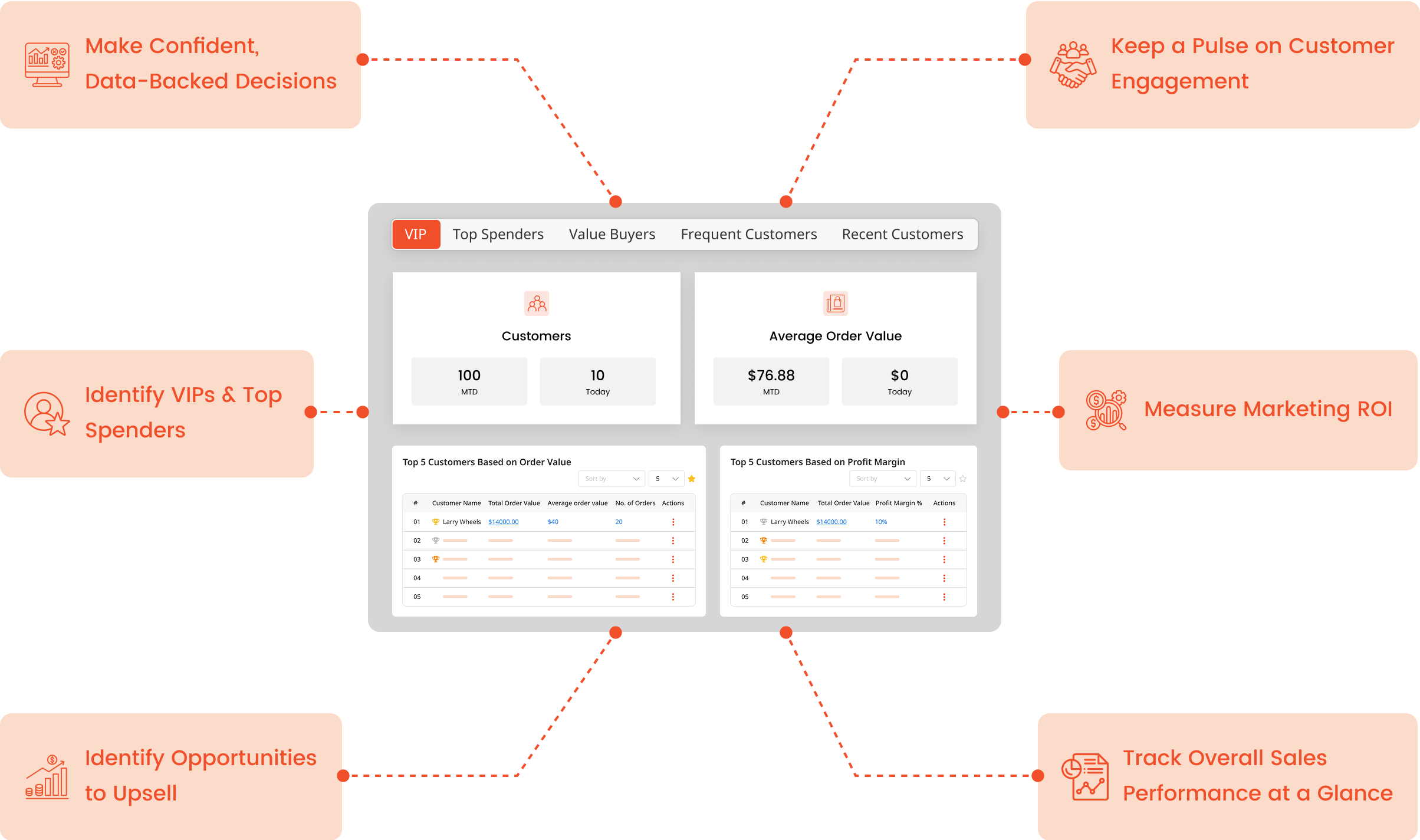
Retailers therefore need to think beyond lead management. Understanding purchase frequency, previous transactions, customer preferences, and engagement can help businesses identify valuable customers and create more relevant follow-up campaigns.
Marketing and Customer Retention
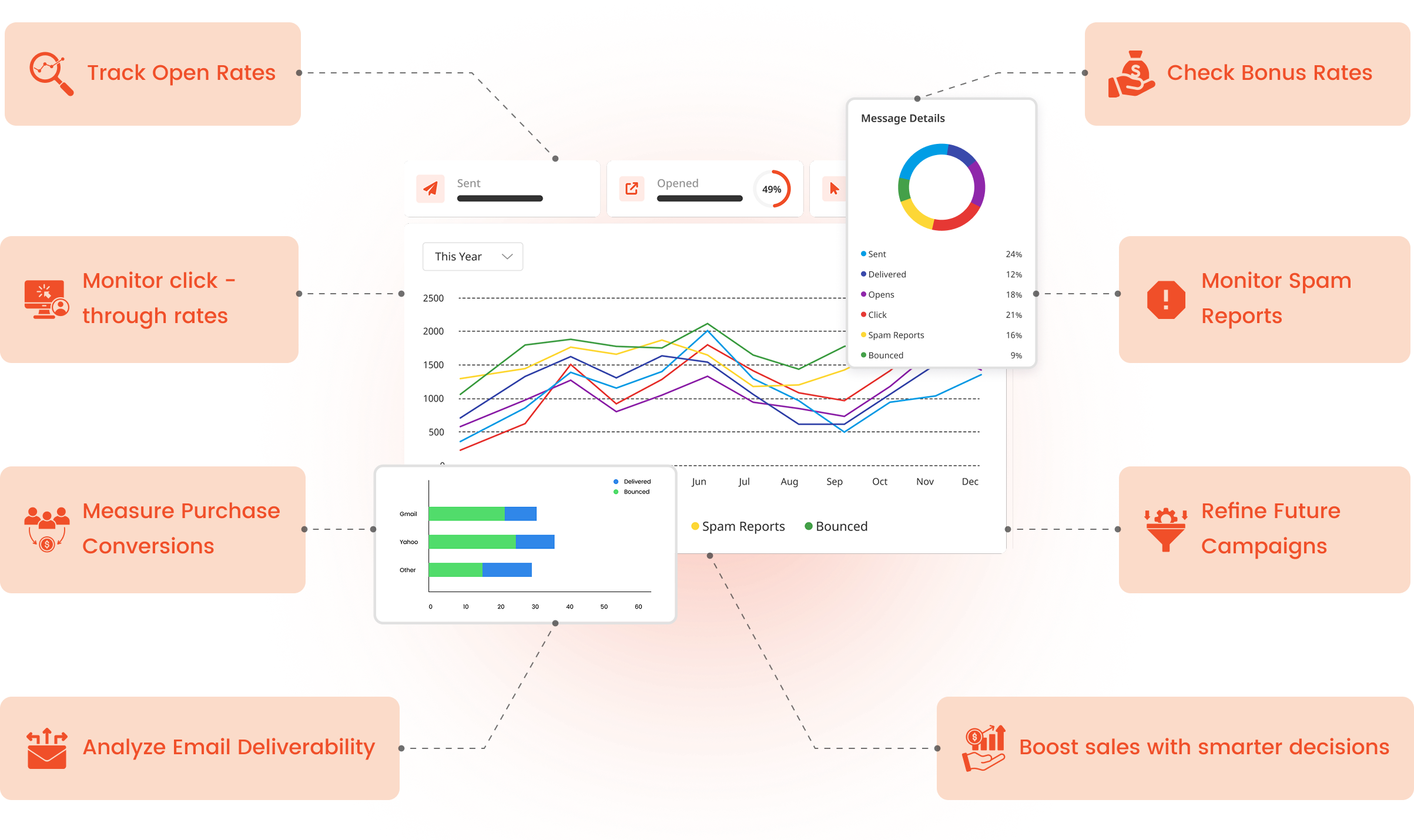
Collecting customer information has limited value if the business cannot act on it. Useful CRM functionality may include segmentation, email marketing, SMS communication, automated follow-ups, loyalty campaigns, reminders, promotions, and customer re-engagement.
The objective is not simply to build a database. It is to use customer information to create better relationships and encourage repeat business.
Inventory and Commerce Connections
Retail CRM becomes more useful when customer information can connect with products and transactions.
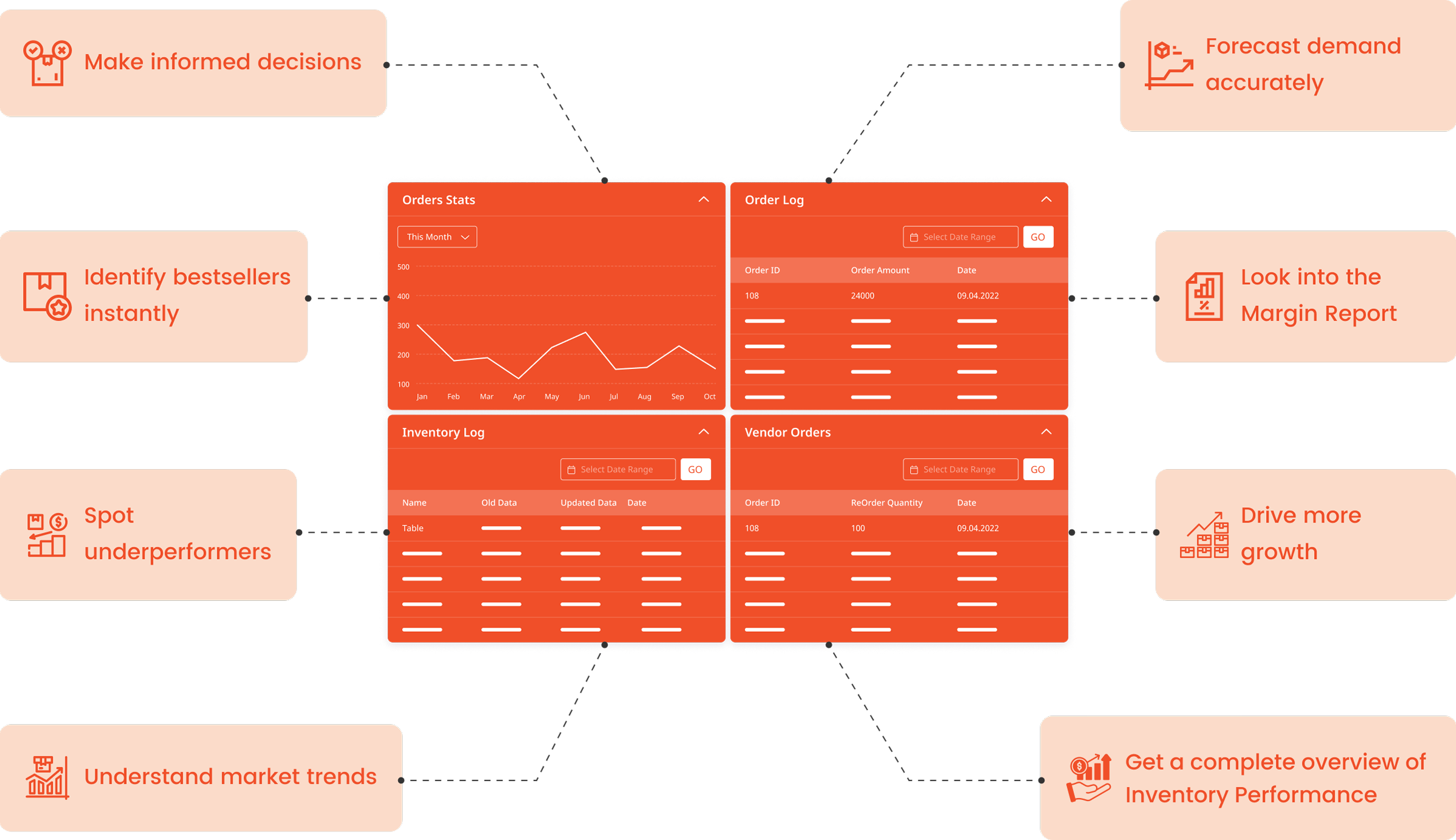
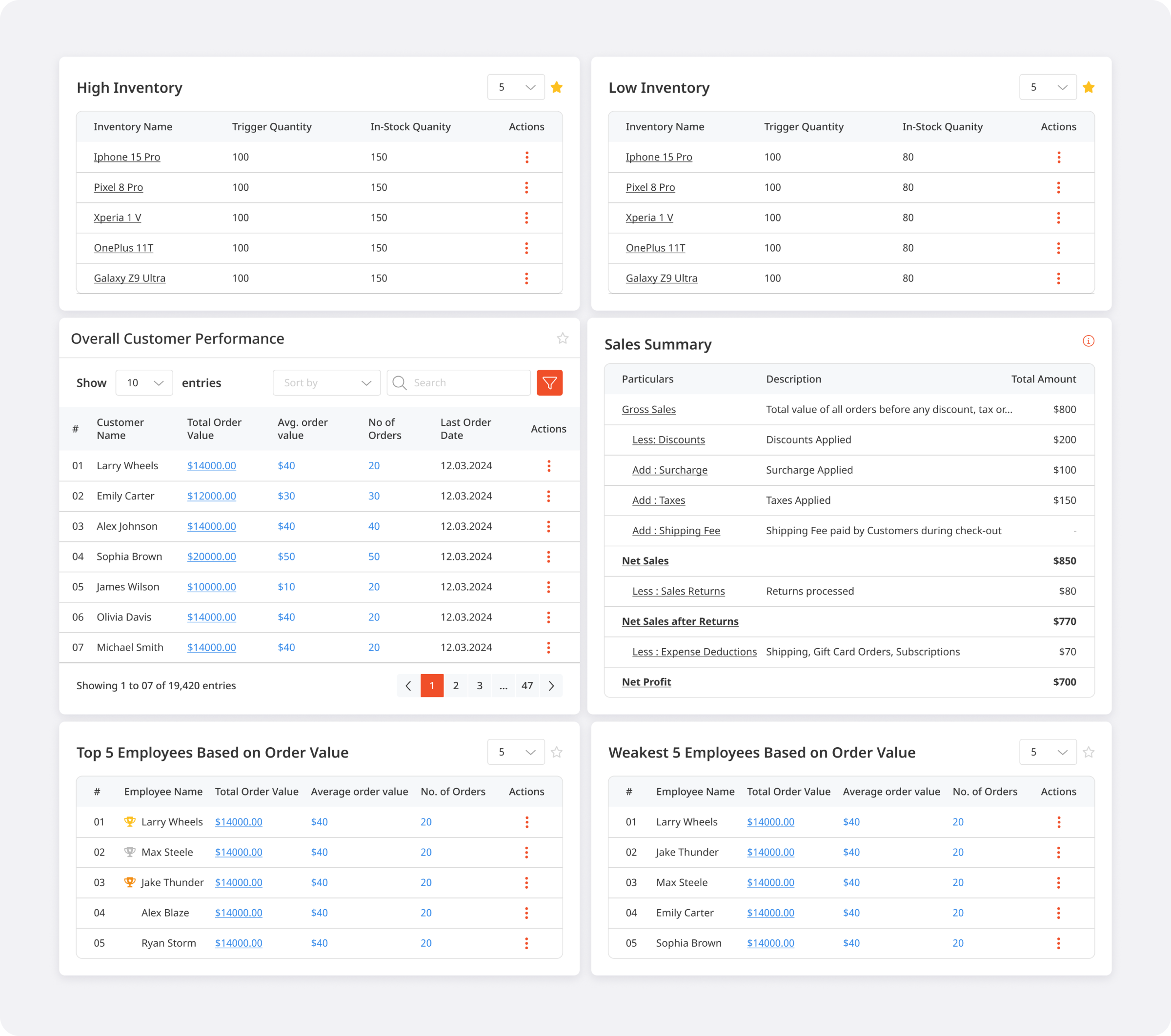
For example, a retailer may want to know which products repeat customers purchase, which categories are popular among particular customer groups, whether promoted products are currently available, and whether customer demand is changing. Some platforms provide these connections natively, while others depend heavily on integrations.
Ease of Use
Small retail businesses rarely have dedicated CRM administrators. Owners, managers, sales associates, marketing employees, and other team members may all need access. For this reason, usability can matter just as much as the length of the feature list. A sophisticated CRM creates little value when employees find it too complicated to use consistently.
Total Software Requirements
CRM may only be one part of a retailer’s technology stack. A business might also require:
CRM → Inventory → POS → Payments → Marketing → Loyalty → Reporting
Before choosing software, retailers should therefore consider whether they want specialised applications connected through integrations or a broader platform capable of managing several functions together.
1. Universell Platform
Overview
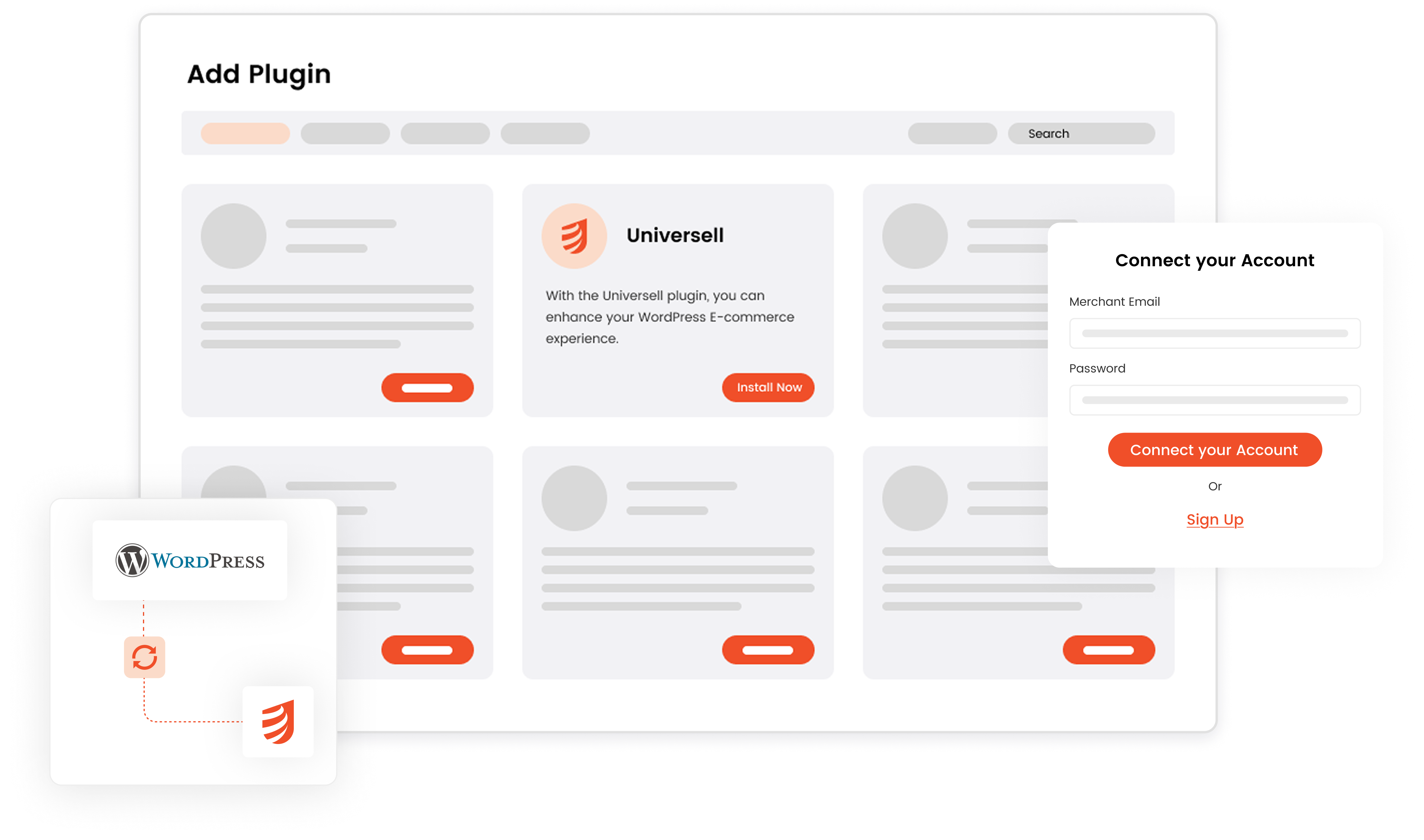
Universell Platform takes an all-in-one approach to small-business management. Rather than positioning CRM as a completely separate system, the platform combines customer management with a broader collection of operational tools.
For retailers, this approach can be useful when the objective is not only to organise customer information but also to reduce the number of separate applications used for everyday business management.
Key Features
Universell includes functionality across areas such as:
- CRM and customer management
- Inventory management
- Payments
- Sales management
- Scheduling
- Marketing
- Loyalty and rewards
- Invoicing and billing
- Reporting
- Vendor management
- Employee management
- Automation
- Ecommerce and website tools
The platform describes its offering as including more than 100 integrated business tools.
Pricing
Contact Universell for current pricing and plan information. A 30-day free trial is available with no credit card required.
Best For
Small retailers that want customer management connected with a broader set of business operations rather than using CRM as another standalone application.
Strengths
Universell’s main advantage is consolidation. CRM can operate alongside inventory, payments, sales, marketing, scheduling, and other business-management functions. This can be particularly useful for retailers trying to reduce data fragmentation between multiple applications.
Limitations
Businesses that only need a traditional sales CRM may not require the broader range of operational functionality. Teams primarily focused on sophisticated B2B sales pipelines may prefer a specialist CRM platform.
2. HubSpot CRM
Overview
HubSpot is one of the most established CRM platforms for small and growing businesses. Its free CRM tools make it an accessible starting point for retailers moving customer information away from spreadsheets and manual records.
HubSpot also offers larger sales, marketing, service, content, and operations products that businesses can adopt as their requirements grow.
Key Features
HubSpot CRM provides functionality including:
- Contact management
- Deal pipelines
- Customer activity tracking
- Tasks
- Email integration
- Forms
- Lead management
- Segmentation
- Reporting
- Sales tools
- Marketing functionality
Pricing
HubSpot offers free CRM tools. Paid Starter products are also available, with pricing depending on the products, seats, contacts, and configuration selected.
Best For
Small retailers looking for an established CRM with an accessible free starting point and room to expand into more advanced marketing and sales functionality.
Strengths
HubSpot offers a user-friendly CRM experience, extensive educational resources, a large integration ecosystem, and strong sales and marketing functionality. Its free entry point can also make CRM adoption easier for very small businesses.
Limitations
HubSpot is primarily a CRM and customer platform rather than a complete retail operating system. Inventory, POS operations, retail payments, and other store-management functions typically require additional platforms or integrations.
3. Zoho CRM
Overview
Zoho CRM provides extensive customisation and automation capabilities while remaining accessible to small and midsize businesses. Retailers can configure pipelines, customer fields, workflows, automation rules, dashboards, and reporting around their own processes.
It is also part of the much larger Zoho business software ecosystem.
Key Features
Features include:
- Lead management
- Contact management
- Deal pipelines
- Workflow automation
- Assignment rules
- Email integration
- Customer segmentation
- Reports and dashboards
- Forecasting
- Custom fields
- AI functionality
- Mobile CRM
Higher tiers can also introduce inventory-related CRM capabilities such as products, vendors, invoices, sales orders, and purchase orders.
Pricing: Zoho CRM pricing varies by edition, with Standard, Professional, Enterprise, and Ultimate plans available. Businesses should confirm current per-user pricing directly with Zoho.
Best For: Small retailers that want a highly configurable CRM and are willing to spend some time setting up workflows around their business.
Strengths: Zoho provides considerably more customisation than many lightweight CRM products.
Its wider software ecosystem also gives businesses options for accounting, inventory, marketing, customer service, and other functions.
Limitations
The flexibility can increase setup complexity.
Retailers wanting an immediately unified retail environment may need to combine and configure multiple Zoho applications.
4. Freshsales
Overview
Freshsales, part of Freshworks, focuses on straightforward sales and customer relationship management.
Its combination of contact management, communications, sales pipelines, and automation makes it suitable for smaller teams that primarily need to organise customer and sales activity.
Key Features
Freshsales includes:
- Contact management
- Account management
- Customer lifecycle stages
- Activity timelines
- Tasks and appointments
- Sales pipelines
- Kanban views
- Phone capabilities
- Chat
- Workflow automation
- Sales dashboards
Pricing: Freshsales offers multiple editions, including a free option and paid Growth, Pro, and Enterprise plans.
Pricing generally increases based on functionality and users.
Best For: Small retailers with sales-oriented teams that mainly need customer records, follow-ups, communications, and pipeline management.
Strengths: Freshsales offers an approachable CRM experience and provides an accessible route from basic CRM into more sophisticated sales automation. Its broader Freshworks ecosystem can also support customer service and marketing requirements.
Limitations: Freshsales remains primarily a sales CRM. Retail inventory, POS, payments, ecommerce, and loyalty typically require separate systems.
5. Shopify POS
Overview
Shopify POS is not a traditional CRM platform. However, it is highly relevant when customer relationships are closely connected with ecommerce and retail transactions.
For retailers already selling through Shopify, customer profiles can exist within the same ecosystem as products, orders, inventory, payments, and physical-store transactions.
Key Features
Relevant functionality includes:
- Customer profiles
- Purchase history
- POS
- Ecommerce
- Inventory management
- Payments
- Returns
- Staff management
- Retail reporting
- Omnichannel selling
- Customer loyalty insights on relevant plans
Pricing: Shopify offers several ecommerce plans, while advanced in-store functionality can require POS Pro as an additional subscription per location.
Pricing depends on the Shopify plan and POS configuration selected.
Best For: Retail businesses already using Shopify for ecommerce and looking to connect online and physical-store customer activity.
Strengths: Shopify’s major advantage is its commerce ecosystem. Customer profiles, inventory, transactions, products, and ecommerce activity can remain closely connected, making it particularly useful for omnichannel retailers.
Limitations: Customer management is commerce-first rather than traditional CRM-first. Businesses requiring sophisticated lead pipelines, account management, B2B sales processes, or complex CRM automation may need additional software.
6. Square
Overview
Square combines payments, POS, customer information, and additional business tools within one ecosystem.
Like Shopify, Square is not primarily a traditional CRM. Its customer management value comes from connecting customer information with actual transaction activity.
Key Features
Square’s ecosystem includes functionality such as:
- Customer profiles
- Transaction history
- POS
- Payment processing
- Online selling
- Loyalty
- Gift cards
- Marketing
- Invoicing
- Payment links
- Business reporting
Some features require separate subscriptions or specific Square products.
Pricing: Square provides entry options without a traditional monthly POS software subscription for certain configurations, while payment processing fees apply.
Additional products such as loyalty, marketing, payroll, and advanced retail functionality may have separate charges.
Best For: Small physical retailers already using or planning to use Square for payments and point-of-sale operations.
Strengths: The connection between payments and customer information makes Square particularly practical for transaction-driven businesses.
Its relatively accessible entry options also appeal to very small retailers.
Limitations: Square’s customer-management capabilities are most valuable inside the Square ecosystem.
Retailers requiring deeper traditional CRM functionality may find dedicated CRM platforms more flexible.
7. monday CRM
Overview
monday CRM brings CRM functionality into monday.com’s highly configurable work-management environment.
Rather than forcing businesses into rigid sales processes, it allows teams to create customised boards and workflows.
For retailers, this can be useful when managing activities such as wholesale accounts, corporate clients, partnerships, special orders, or VIP customers.
Key Features
monday CRM provides:
- Contact management
- Deal management
- Custom pipelines
- Email tracking
- Communication timelines
- Workflow automation
- Dashboards
- Quotes and invoices
- Activity management
- Mobile access
Pricing: monday CRM uses seat-based pricing across multiple tiers.
Businesses should check current pricing carefully because minimum seat requirements and plan structures can affect the actual monthly cost for small teams.
Best For: Retail teams that value flexible workflows and want to customise CRM around processes that do not fit a standard sales pipeline.
Strengths: Customisation is monday CRM’s biggest advantage. Teams can adapt workflows around different customer types, internal processes, and sales activities while retaining monday.com’s familiar visual interface.
Limitations: monday CRM is not specifically designed as retail-management software. Inventory, POS, payment processing, ecommerce, and retail loyalty typically remain separate.
8. Salesforce
Overview
Salesforce is one of the largest and most sophisticated CRM ecosystems available.
Although historically associated with larger organisations, Salesforce also provides products aimed at smaller businesses.
Its depth can make it relevant to retailers expecting significantly more complex customer-management requirements as they grow.
Key Features
Salesforce capabilities can include:
- Lead management
- Account management
- Contact management
- Opportunity tracking
- Campaign management
- Email productivity
- Reporting
- Workflow automation
- AI capabilities
- Extensive customisation
- Large integration ecosystem
Exact functionality depends heavily on the Salesforce product and plan selected.
Pricing: Salesforce offers several product tiers, ranging from entry-level small-business offerings to considerably more expensive enterprise products. Pricing is generally user-based and can increase significantly as businesses require more advanced functionality.
Best For: Growing retailers that expect sophisticated CRM requirements, complex workflows, extensive customisation, or larger sales operations.
Strengths: Salesforce offers exceptional depth, customisation, integrations, reporting, automation, and scalability. Businesses can build highly sophisticated customer-management environments around the platform.
Limitations: That power can also introduce complexity. For a small local retail team, implementation, configuration, administration, and cost may outweigh the benefits of functionality employees rarely use.
9. Bigin by Zoho CRM
Overview
Bigin is Zoho’s simplified CRM designed for smaller businesses that do not need the complexity of a full enterprise CRM. Its focus is on pipelines, contacts, customer communications, activities, and basic workflow automation.
That makes it particularly relevant to retailers moving beyond spreadsheets for the first time.
Key Features
Bigin includes:
- Contact management
- Pipeline management
- Customer activities
- Communication management
- Team collaboration
- Workflow automation
- Dashboards
- Mobile access
Pricing: Bigin provides a free edition along with paid plans. Pricing varies by edition and functionality, so businesses should confirm current rates directly with Zoho.
Best For: Very small retail teams looking for straightforward CRM functionality without a complicated implementation process.
Strengths: Bigin offers a simpler CRM experience than many larger platforms. It can be an effective stepping stone for businesses that have outgrown spreadsheets but do not yet need extensive CRM functionality.
Limitations: Its simplicity also means broader retail operations remain outside the core CRM. Inventory, payments, POS, loyalty, ecommerce, and workforce management may still require additional software.
Quick Comparison
| Platform | Best For | CRM Focus | Retail Operations | Inventory Connection |
| Freshsales | Small sales-focused teams | Strong | Limited | Integration dependent |
| HubSpot | Accessible CRM starting point | Strong | Limited | Integrations |
| monday CRM | Flexible workflows | Strong | Limited | Integration dependent |
| Bigin | Very small teams | Moderate | Limited | Integration Dependent |
| Salesforce | Complex and scalable CRM | Very Strong | Configuration dependent | Ecosystem/integrations |
| Shopify POS | Shopify retailers | Commerce-focused | Strong | Strong |
| Square | Payment-focused small retailers | Commerce-focused | Strong | Square ecosystem |
| Universell | All-in-one customer + business management | Strong | Strong | Built into broader platform |
| Zoho CRM | Customisable CRM workflows | Strong | Moderate | Available through ecosystem/features |
Standalone CRM vs All-in-One Retail Platform
One of the most important decisions is not necessarily which CRM brand to choose. It is deciding what type of software architecture your business wants. A standalone CRM can provide sophisticated customer management while allowing retailers to select specialist applications for inventory, payments, ecommerce, marketing, and other requirements. That approach provides flexibility but can create more integrations and subscriptions.
An all-in-one platform takes the opposite approach by attempting to keep more functions within one environment. This can reduce the number of separate applications but may not provide the same depth in every specialised area.
Neither model is automatically better. The right choice depends on whether your priority is specialisation or consolidation.
Consider the Total Cost, Not Just CRM Pricing
A CRM advertised at a relatively low per-user price can appear inexpensive. But CRM may only represent one part of the technology budget. A retailer may separately pay for:
- CRM
- Inventory
- POS
- Scheduling
- Email marketing
- SMS marketing
- Loyalty
- Automation
- Reporting
- Ecommerce
The total cost of these systems and the employee time required to move information between them can be more important than the advertised CRM subscription. Conversely, paying for a broad all-in-one platform makes little sense if the business only uses a small percentage of its functionality.
Evaluate the complete workflow rather than comparing subscription prices in isolation.
Which CRM Is Right for Your Retail Business?
Consider Universell if your priority is connecting CRM with inventory, payments, marketing, scheduling, sales, and broader business operations.
Consider HubSpot if you want an established CRM with an accessible free starting point and strong sales and marketing capabilities.
Consider Zoho CRM if customisation and automation are priorities and your team is comfortable configuring its CRM environment.
Consider Freshsales if you mainly need affordable customer and sales management for a small team.
Consider Shopify POS if Shopify already powers your ecommerce operation and customer relationships are primarily transaction-driven.
Consider Square if your retail operation revolves around Square POS and payments.
Consider monday CRM if customised workflows matter more than retail-specific functionality.
Consider Salesforce if your business expects complex CRM requirements and has the resources to configure and manage a sophisticated system.
Consider Bigin if you need a simple first CRM for moving customer management beyond spreadsheets.
Frequently Asked Questions
What is the best CRM for a small retail business?
There is no single CRM that is best for every retailer. HubSpot and Bigin can be attractive for businesses wanting approachable CRM functionality. Zoho CRM and monday CRM provide greater customisation. Salesforce is better suited to complex requirements, while Shopify and Square make sense when customer relationships are closely connected with commerce.
Universell is worth considering when the objective extends beyond CRM to connecting customer management with broader retail operations.
Does a small retail store really need CRM?
Not necessarily. A very small store with a limited number of customers may initially manage relationships without dedicated CRM software.
CRM becomes more valuable when customer information starts becoming fragmented across spreadsheets, email accounts, POS systems, ecommerce platforms, loyalty programmes, and employee records.
Is a POS system the same as CRM?
No. A POS system primarily manages transactions, while CRM focuses on managing customer relationships and interactions.
However, modern retail platforms increasingly overlap these functions. Shopify and Square, for example, connect transactions with customer profiles and purchase histories.
Can CRM software help generate repeat purchases?
CRM does not automatically create repeat customers. It can, however, provide the information and workflows retailers need to communicate more effectively.
Businesses can use customer information to create segments, schedule follow-ups, identify inactive customers, personalise promotions, and support loyalty initiatives.
Should I choose standalone CRM or an all-in-one platform?
Choose based on your broader software requirements. If your main problem is organising contacts, sales opportunities, and follow-ups, a standalone CRM may be sufficient.
If the bigger challenge is managing CRM, inventory, payments, marketing, scheduling, reporting, and other operations across numerous disconnected applications, an integrated platform may be more appropriate.
What is the easiest CRM for a small retail team?
HubSpot, Freshsales, and Bigin are among the more approachable options for basic CRM requirements. However, ease of use should be considered across the complete business workflow.
A CRM may be simple by itself while requiring employees to constantly move between several additional applications.
Your Next Step
Choose a CRM based on your complete retail workflow, not just its feature list. If you only need customer management, a standalone CRM may be enough. If you want CRM connected with inventory, payments, sales, scheduling, and marketing, an integrated platform may be a better fit.
Universell Platform brings these business functions together in one connected system, helping small retailers reduce the need for multiple disconnected tools.
By Katya Z. | Marketing Manager
Business technology, AI, marketing & e-commerce