Invoicing and billing software for growing retailers ranges from free tools to advanced accounting and business-management platforms costing $100+ per month.
But as a retail business grows, the challenge is rarely just creating a professional invoice.
Growing retailers may need to manage deposits, partial payments, recurring invoices, wholesale customers, overdue balances, estimates, credit notes, payment reminders, multiple payment methods, customer histories, inventory, accounting, and reporting.
Some platforms specialise primarily in invoicing. Others combine invoicing with accounting or payment processing, while broader platforms connect billing with CRM, inventory, orders, sales, and other business operations.
In this guide, we compare nine options using the same criteria:
- Overview
- Key features
- Pricing
- Example use case
- Best for
- Strengths
- Limitations
Pricing and product information should always be confirmed directly with each provider before purchasing.
What Growing Retailers Actually Need From Invoicing Software
Professional Invoice Creation
A useful platform should make it easy to create professional invoices containing customer information, products or services, quantities, taxes, discounts, payment terms, due dates, branding, and payment instructions.
Invoice Status Tracking
As invoice volume grows, employees need an easy way to identify invoices that are draft, sent, viewed, partially paid, paid, overdue, cancelled, or refunded. Centralised tracking becomes particularly valuable when hundreds of invoices are active simultaneously.
Automatic Payment Reminders
Manually chasing overdue customers becomes increasingly inefficient as a business grows. Automated reminders can reduce repetitive administrative work by contacting customers before or after an invoice reaches its due date.
Partial Payments and Deposits
Retail transactions are not always paid completely upfront. Furniture, equipment, wholesale orders, special sourcing, custom products, and other high-value purchases may require deposits or instalments.
The billing system should clearly show the original invoice value, amount paid, remaining balance, and payment history.
Recurring Billing
Some retailers also generate recurring revenue through subscriptions, memberships, replenishment programmes, rentals, service agreements, and recurring deliveries.
Recurring billing can reduce the need to manually recreate the same invoice each billing period.
Multiple Payment Methods
Customers may want to pay using cards, bank transfers, cash, checks, digital wallets, payment links, or saved payment methods. Providing convenient payment options can reduce friction between receiving an invoice and paying it.
Customer Connection
Invoices become more useful when connected with customer information. If a wholesale customer asks about an outstanding balance, employees should ideally be able to see previous invoices, open balances, payments, orders, and relevant customer information without searching several systems.
Inventory Connection
For retailers, invoicing can also affect inventory. A connected workflow might look like:
Customer → Order → Invoice → Payment → Inventory → Fulfilment → Reporting
Reducing manual handoffs between these stages can improve accuracy.
Estimates and Invoice Conversion
Some transactions begin with an estimate, quote, proposal, or sales order.
Being able to convert an accepted estimate into an invoice can reduce duplicate data entry and make the sales process more efficient.
Accounting Connection
Invoices affect accounts receivable, revenue, taxes, cash flow, reconciliation, and financial reporting.
Some retailers therefore prefer accounting-led platforms, while others manage invoicing operationally and connect it with dedicated accounting software.
1. QuickBooks Online: Best for Invoicing Connected With Accounting
Overview
QuickBooks Online combines invoicing with a broader accounting environment. Its primary advantage is keeping invoices, accounts receivable, payments, expenses, bank activity, and financial reporting closer together.
Key Features
- Professional invoices
- Online payment acceptance
- Invoice status tracking
- Payment reminders
- Estimates
- Accounts receivable
- Expense management
- Bank transaction imports
- Financial reporting
- Tax-related workflows
Pricing
QuickBooks Online offers several plans, with pricing increasing as businesses require more users, reporting, inventory, and advanced functionality. Promotional discounts may temporarily reduce subscription prices, so businesses should compare standard renewal pricing before purchasing.
Example Use Case
A growing retailer sends a $10,000 wholesale invoice.
The business needs to track whether it has been paid, identify the outstanding receivable, reconcile the eventual payment with its bank account, and ensure the transaction appears correctly in financial reporting. Keeping the invoice within the accounting environment can simplify this workflow.
Best For
Retailers that want invoicing closely connected with accounting and financial reporting.
Strengths
QuickBooks provides strong accounting capabilities and is widely familiar to accountants and bookkeepers.
Limitations
QuickBooks is primarily an accounting platform rather than a complete retail operating system. CRM, loyalty, marketing, scheduling, and other retail workflows may require additional software.
2. Square Invoices: Best for Retailers Already Using Square
Overview
Square Invoices is particularly relevant to businesses already using Square for POS and payment processing.
Keeping invoicing within the Square ecosystem can reduce the need to introduce another customer database or payment workflow.
Key Features
- Invoice creation
- Recurring invoices
- Deposits
- Payment schedules
- Automatic reminders
- Online payments
- ACH payments
- Saved payment methods
- Customer information
- Payment tracking
Pricing
Square provides invoicing functionality within its broader product ecosystem, with free and paid options available depending on the functionality required. Payment-processing charges apply when customers pay electronically.
Example Use Case
A retailer normally processes purchases through Square POS but receives a large corporate order that requires a deposit and remote payment.
Square Invoices allows the business to manage that transaction while keeping payment activity within the same ecosystem.
Best For
Growing retailers already using Square for POS or payments.
Strengths
Square connects invoicing naturally with its payment and POS ecosystem and provides a relatively straightforward billing experience.
Limitations
Businesses not using Square elsewhere may receive less value from adopting the platform purely for invoicing.
3. Zoho Invoice: Best Free Dedicated Invoicing Software
Overview
Zoho Invoice focuses specifically on invoicing and provides a broad set of billing capabilities without requiring a traditional subscription fee.
It can be particularly attractive to businesses that need more than basic invoice creation but want to keep software costs low.
Key Features
- Professional invoices
- Credit notes
- Payment reminders
- Online payments
- Offline payment recording
- Customer portal
- Recurring invoices
- Quotes
- Expenses
- Reporting
- Invoice customisation
Pricing
Zoho Invoice is offered as a free invoicing product. Businesses requiring broader accounting, inventory, CRM, or operational functionality may need additional Zoho products.
Example Use Case
A growing retailer sends regular wholesale invoices and wants recurring billing, automated reminders, customer self-service, quotes, and payment tracking without paying for a dedicated invoicing subscription. Zoho Invoice can cover many of those requirements.
Best For
Businesses looking for capable dedicated invoicing software without a monthly subscription.
Strengths
The combination of free access and relatively broad invoicing functionality makes Zoho Invoice particularly competitive for cost-conscious businesses.
Limitations
Growing retailers requiring inventory, POS, CRM, accounting, marketing, and other operations may need to combine it with additional Zoho products or third-party systems.
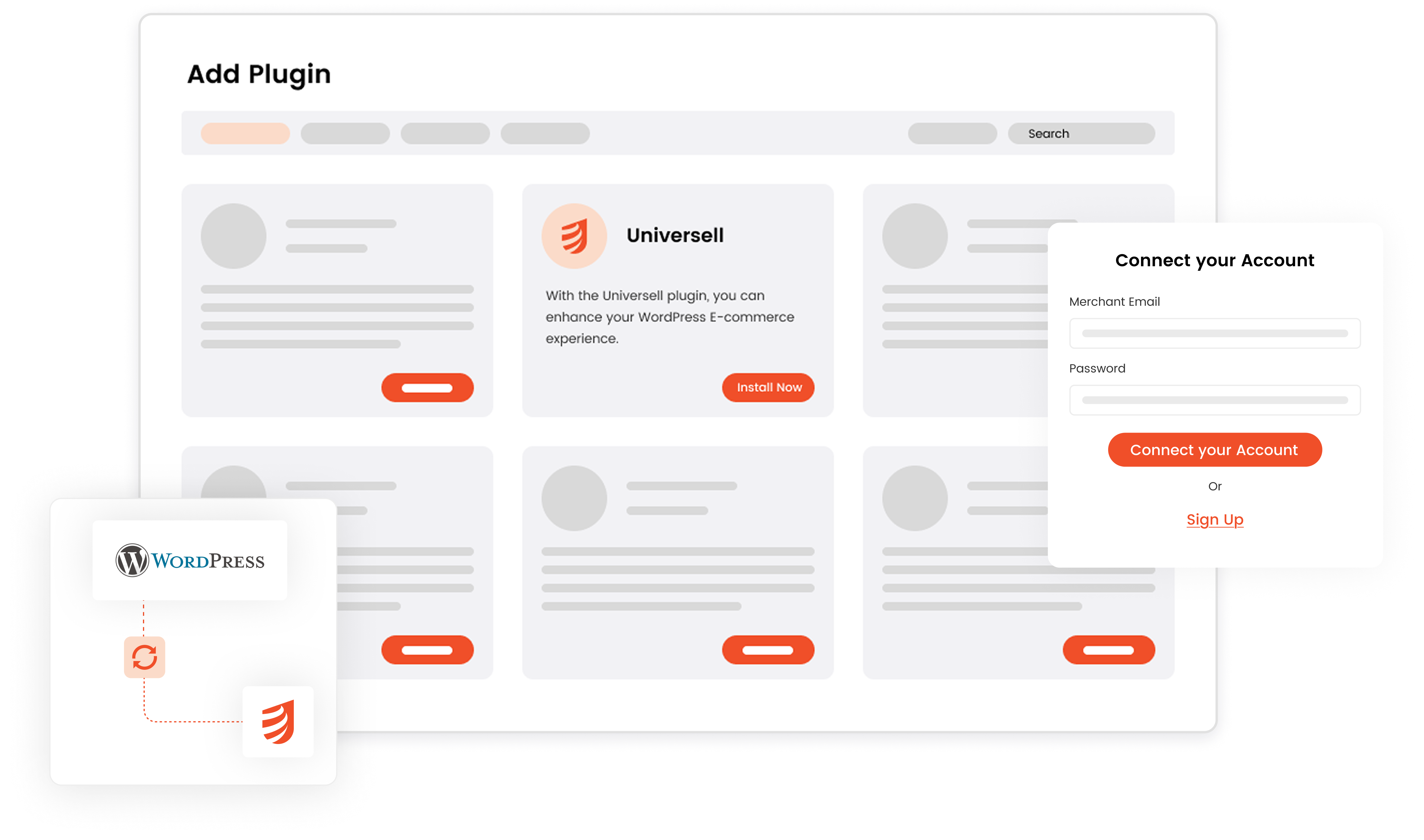
4. Universell Platform: Best for Connecting Invoicing With Broader Operations
Overview
Universell approaches invoicing as part of a broader customer, sales, and payment workflow rather than as an isolated document-generation tool.
Its invoicing functionality operates alongside payments, CRM, inventory, estimates, orders, recurring billing, and other business-management tools.
Key Features
- Single and recurring invoices
- Itemised line items
- SKUs
- Customised invoice messages
- Branded invoices
- Partial payments
- Payment tracking
- Automated reminders
- Estimates
- Payments
- CRM
- Inventory
- Order management
- Recurring transactions
- E-signatures
- Reporting
Pricing
Businesses should check directly with Universell for current invoicing, payment-processing, and platform pricing. A 30-day trial is available for businesses wanting to evaluate the platform.
Example Use Case
A furniture retailer receives a $6,000 custom order. The business creates an estimate, receives customer approval, requests a deposit, converts the estimate into an invoice, tracks the remaining balance, manages the customer record, and coordinates the transaction with inventory and fulfilment.
Keeping these activities closer together can reduce duplicate data entry between separate systems.
Best For
Growing retailers that want invoicing connected with payments, CRM, inventory, estimates, orders, recurring billing, and broader operations.
Strengths
Universell’s main advantage is the ability to connect invoicing with a wider set of operational workflows.
Limitations
Businesses primarily looking for accountant-led bookkeeping, tax management, and financial accounting may find accounting-focused platforms such as QuickBooks or Xero more appropriate as their central financial system.
5. Xero: Best for Growing Businesses Needing Accounting
Overview
Xero is an accounting-focused platform with invoicing functionality built into the wider financial-management environment. It is particularly relevant to growing businesses that want invoicing, accounting, bank reconciliation, and financial reporting in the same platform.
Key Features
- Invoices
- Quotes
- Online invoice payments
- Accounts receivable
- Bills
- Bank reconciliation
- Financial reporting
- Sales tax management
- Cash-flow tools
- Expense management
- Accounting
Pricing
Xero offers several paid plans, with functionality increasing across its entry, growing, and higher-tier options.
Businesses should check current plan pricing and invoice limits before selecting a subscription.
Example Use Case
A retailer expands from a small owner-operated business into a larger company where several employees and an external accountant need controlled access to financial information.
Xero provides invoicing alongside the accounting environment supporting that growth.
Best For
Growing retailers that want invoicing connected with broader accounting and financial management.
Strengths
Xero provides strong accounting functionality and can support businesses as their financial requirements become more sophisticated.
Limitations
Retail-specific POS, CRM, loyalty, inventory, and marketing workflows generally require integrations or separate applications.
6. FreshBooks: Best for Straightforward Professional Invoicing
Overview
FreshBooks focuses heavily on invoicing, payments, expenses, and client billing.
Its relatively approachable interface makes it useful for businesses that want professional invoicing without navigating a highly complex accounting environment.
Key Features
- Professional invoices
- Recurring invoices
- Deposits
- Late fees
- Online payments
- Estimates
- Proposals
- Expense tracking
- Client management
- Accounting reports
Pricing
FreshBooks offers several paid plans, with limits and functionality varying according to the number of clients and features required.
Introductory discounts are common, so businesses should also check standard renewal prices.
Example Use Case
A retailer provides products alongside installation or customisation services and regularly needs to send professional estimates, collect deposits, issue invoices, and track client payments.
FreshBooks provides a relatively straightforward way to manage that billing process.
Best For
Businesses prioritising easy professional invoicing and client billing.
Strengths
FreshBooks offers a user-friendly invoicing experience with useful features such as deposits, recurring invoices, estimates, and online payments.
Limitations
Product-heavy retailers with complex inventory, POS, wholesale, fulfilment, or multi-location requirements may eventually require additional systems.
7. Stripe Invoicing & Billing: Best for Automated and Subscription Billing
Overview
Stripe approaches invoicing from a payment-infrastructure perspective.
Stripe Invoicing supports invoice-based transactions, while Stripe Billing extends the environment into subscriptions, recurring revenue, and more sophisticated automated billing models.
Key Features
- One-time invoices
- Online payments
- Subscription billing
- Recurring payments
- Automated billing
- Payment links
- Multiple payment methods
- Custom payment workflows
- Usage-based billing
- Developer APIs
Pricing
Stripe uses usage-based pricing for its invoicing and billing products, with payment-processing charges applying separately.
Businesses with more sophisticated or higher-volume billing requirements should check current pricing directly with Stripe.
Example Use Case
A retailer operates a monthly coffee subscription where customers can select different quantities, change plans, pause deliveries, use discounts, and pay automatically according to a recurring schedule.
Stripe Billing is designed for this type of flexible billing environment.
Best For
Retailers with subscription, recurring-revenue, or customised online billing models.
Strengths
Stripe provides extensive flexibility for automated and digitally integrated billing workflows.
Limitations
It is primarily payment and billing infrastructure. Traditional retailers may still require separate inventory, CRM, POS, marketing, and operational platforms.
8. Wave: Best Low-Cost Invoicing and Bookkeeping Option
Overview
Wave combines invoicing with accessible bookkeeping functionality.
It is particularly relevant to smaller growing businesses that need invoices and basic financial management but want to minimise monthly software costs.
Key Features
- Unlimited invoices on applicable plans
- Estimates
- Customer management
- Bookkeeping
- Online payments
- Bills
- Transaction tracking
- Receipt functionality
- Payment reminders on applicable plans
- Financial records
Pricing
Wave offers a free Starter option along with a paid Pro plan that adds additional automation and bookkeeping functionality.
Payment-processing fees apply separately.
Example Use Case
A small retailer has begun selling to corporate customers and needs to issue invoices, track basic bookkeeping, create estimates, and accept online payments but is not yet ready for a more expensive accounting platform.
Wave provides an accessible starting point.
Best For
Cost-conscious businesses primarily requiring invoicing and basic bookkeeping.
Strengths
Wave offers a low-cost entry point and combines invoicing with useful bookkeeping functionality.
Limitations
It does not replace a sophisticated POS, inventory system, CRM, order-management platform, or multi-location retail system.
9. PayPal Invoicing: Best for Familiar Online Payment Options
Overview
PayPal Invoicing combines invoice creation with PayPal’s established online-payment ecosystem.
Customers can generally pay invoices using several payment methods without requiring the retailer to build its own online payment infrastructure.
Key Features
- Online invoices
- PayPal payments
- Card payments
- Venmo
- Pay Later options
- ACH on applicable transactions
- Digital-wallet support
- Remote payments
- Payment tracking
Pricing
PayPal’s invoice-processing fees vary according to the payment method used.
Optional invoicing services and additional functionality may have separate charges.
Businesses should check current PayPal rates before choosing the platform.
Example Use Case
A retailer receives remote and wholesale orders from customers who are already familiar with PayPal.
The business sends an invoice, and customers can complete payment through familiar online payment methods without visiting the physical store.
Best For
Businesses that value familiar online payment options attached to invoice workflows.
Strengths
PayPal’s strong consumer recognition can make remote invoice payment familiar and convenient for customers.
Limitations
PayPal’s primary strength remains payment processing rather than broader inventory, CRM, accounting, or retail operations.
Quick Comparison
| Platform | Best For | Invoicing Focus | Accounting | Broader Retail Operations |
| QuickBooks Online | Accounting + invoicing | Strong | Excellent | Moderate |
| Square Invoices | Existing Square retailers | Strong | Limited | Strong within Square |
| Zoho Invoice | Free dedicated invoicing | Strong | Via Zoho ecosystem | Moderate |
| Universell | Invoicing + broader operations | Strong | Integrations | Strong |
| Xero | Growing financial operations | Strong | Excellent | Integration dependent |
| FreshBooks | Easy professional billing | Strong | Strong | Limited |
| Stripe | Subscription/automated billing | Very Strong | Limited | Integration dependent |
| Wave | Low-cost invoicing + bookkeeping | Strong | Moderate | Limited |
| PayPal | Familiar online invoice payments | Moderate | Limited | Limited |
The Real Cost of Invoicing Software
A low monthly invoice subscription does not necessarily mean a low total software cost. A growing retailer may also need:
- CRM
- Inventory
- POS
- Accounting
- Marketing
- Automation
- Order management
- Reporting
For example, a $20 invoicing application combined with several separate operational systems can result in a much larger monthly technology bill.
Employee time should also be considered.
Manually creating invoices, checking payments, sending reminders, matching transactions, and re-entering information into other systems can become increasingly expensive as invoice volume grows.
Standalone Invoicing Software vs. All-in-One Retail Platform
| Requirement | Standalone Invoice Tool | All-in-One Platform |
| Create invoices | ✓ | ✓ |
| Recurring invoices | Usually | ✓ |
| Payment reminders | Usually | ✓ |
| Online payments | Usually | ✓ |
| Customer records | Basic | Connected |
| Inventory | Usually separate | Connected |
| Orders | Limited/separate | Connected |
| Sales management | Limited | Broader |
| Marketing | Separate | Connected |
| Business operations | Limited | Broader |
Neither approach is automatically better. If professional invoicing is the main requirement, a dedicated solution may be sufficient. If accounting is the priority, an accounting-led platform may make more sense. If invoicing is one part of a broader fragmented retail workflow, a more integrated platform may be worth considering.
Which Invoicing Software Should You Choose?
Consider QuickBooks Online if accounting and financial reporting are at the centre of your workflow.
Consider Square Invoices if your stores already use Square for POS and payment processing.
Consider Zoho Invoice if you want capable dedicated invoicing without a monthly subscription.
Consider Universell if you want invoicing connected with payments, CRM, inventory, estimates, orders, recurring billing, and broader operations.
Consider Xero if you need invoicing within a growing accounting and financial-management environment.
Consider FreshBooks if straightforward professional invoicing and client billing are the priority.
Consider Stripe if subscriptions, recurring revenue, or automated digital billing are central to your business model.
Consider Wave if you want low-cost invoicing combined with basic bookkeeping.
Consider PayPal if familiar online payment options are particularly important to your customers.
Frequently Asked Questions
What is the best invoicing software for a growing retail business?
The answer depends on what needs to happen around the invoice.
QuickBooks and Xero are particularly relevant when accounting is the priority. Square Invoices can work well for existing Square retailers, while Zoho Invoice provides a strong dedicated invoicing option.
Universell is another option when invoicing needs to connect with broader operational functions such as CRM, inventory, payments, and orders.
What is the best free invoicing software?
Zoho Invoice provides a broad range of invoicing functionality without a traditional subscription fee.
Wave also provides a free entry option combining invoicing with basic bookkeeping functionality.
Businesses should compare limits and payment-processing costs as well as the subscription price.
Can invoices automatically remind customers to pay?
Yes.
Many modern invoicing platforms support automated payment reminders, although availability can depend on the provider and plan selected.
This can reduce the administrative time required to manually follow up on overdue invoices.
Can retailers accept partial invoice payments?
Many platforms support deposits, payment schedules, or partial payments.
This can be particularly useful for custom orders, wholesale transactions, furniture, high-value purchases, and other transactions where the full amount is not collected upfront.
What is recurring invoicing?
Recurring invoicing automatically generates or sends invoices according to a defined schedule.
It can be useful for subscriptions, memberships, recurring deliveries, service agreements, retainers, and other repeated transactions.
Is invoicing software the same as accounting software?
No.
Invoicing software primarily helps businesses request and collect customer payments.
Accounting software manages broader financial activities such as income, expenses, bank accounts, accounts receivable, accounts payable, taxes, and financial statements.
Some platforms combine both functions.
Does a retailer need invoicing software if it already has POS?
Not for every transaction.
Most standard retail-counter purchases only require a receipt.
Invoices become more relevant for wholesale customers, corporate accounts, special orders, deposits, B2B transactions, recurring sales, remote orders, and high-value purchases.
Should retailers choose invoicing software based on price?
Price should be one factor, but businesses should also consider payment-processing fees, accounting requirements, users, inventory, CRM, POS, integrations, automation, and administrative time.
The real cost is closer to:
Invoicing Software + Payment Fees + Additional Software + Administrative Time
rather than simply the monthly invoice subscription.
When should a retailer replace manual invoicing?
Automation becomes worth considering when employees regularly spend time creating repetitive invoices, checking payments, sending reminders, matching transactions, re-entering customer information, or tracking partial payments manually.
The right time depends less on a specific number of invoices and more on how much administrative work the manual process creates.
Your Next Step
Choose invoicing software based on your complete billing workflow, not simply invoice templates or subscription price.
If invoicing is your main requirement, a dedicated tool may be enough. If accounting is the priority, an accounting-focused platform may be the better fit. If invoices need to connect with customers, payments, inventory, orders, and other operations, a broader platform may make more sense.
Universell Platform is one option for growing retailers looking to keep these functions within a more connected business environment.
By Katya Z. | Marketing Manager
Business technology, AI, marketing & e-commerce