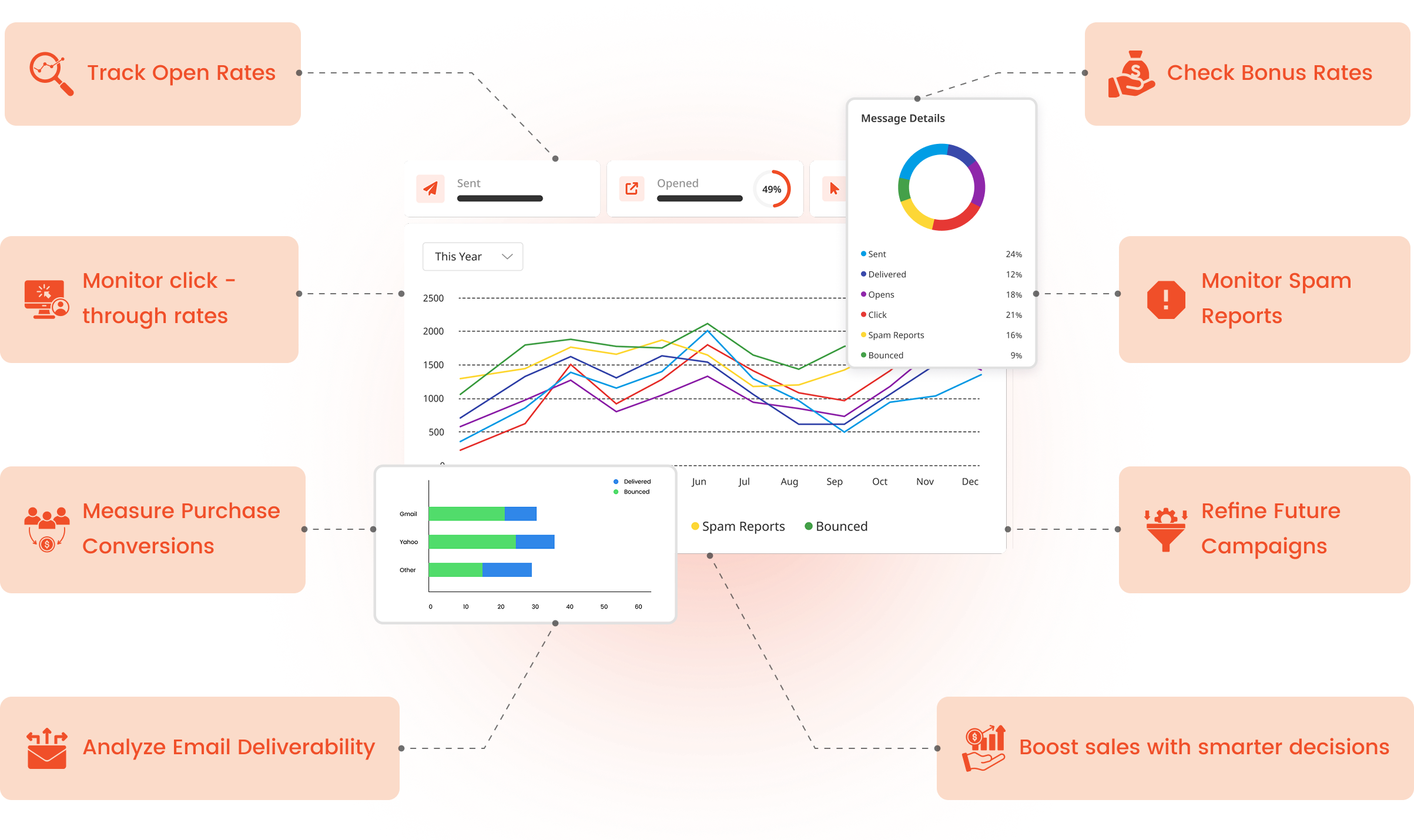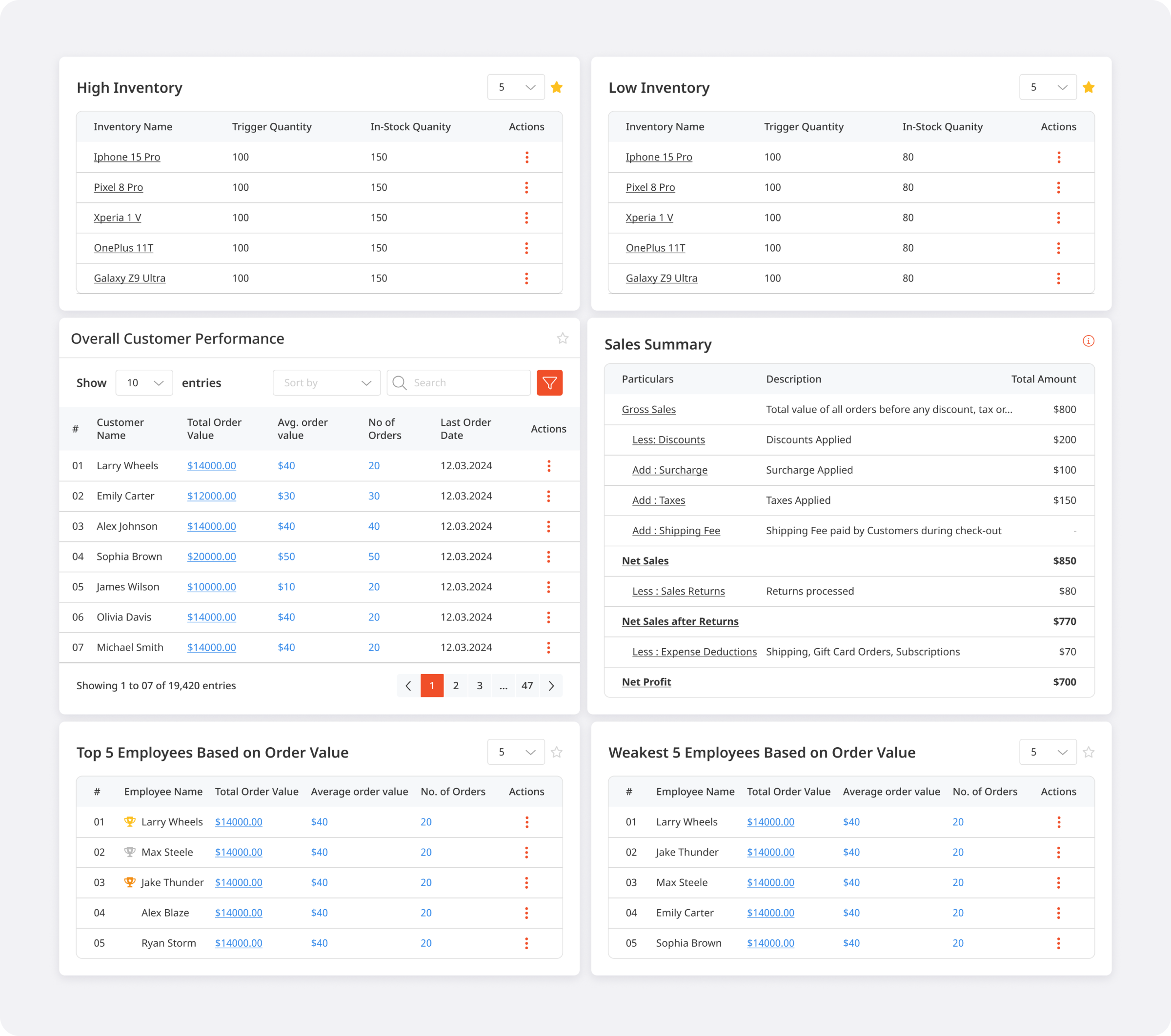
Online retail used to mean operating one website. That is no longer how many retailers work. A customer may discover a product through Instagram, compare it on Google, purchase through Amazon, return it through the retailer’s website, and later make another purchase through a physical store or marketplace.
Meanwhile, the retailer needs to keep inventory, orders, product information, customers, payments, shipping, returns, warehouses, marketplaces, storefronts, and reporting aligned across those channels.
That is the real omnichannel challenge. The best omnichannel software does not simply help a retailer sell in more places. It helps those channels operate as part of a more connected retail environment.
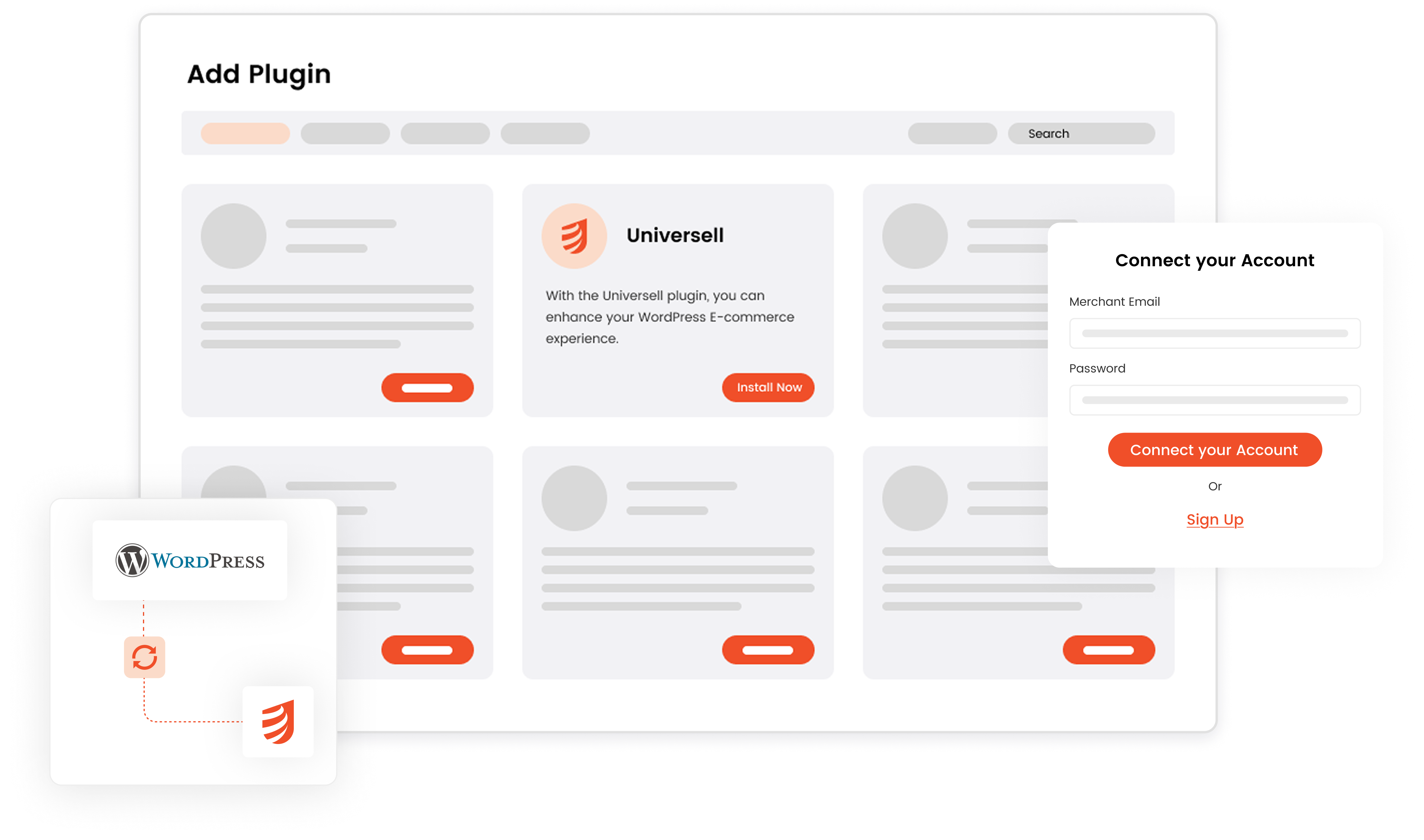
Some platforms focus primarily on ecommerce and marketplace selling. Others specialize in inventory and order orchestration. Universell takes a broader operational approach by connecting ecommerce and retail activities with CRM, inventory, payments, sales, marketing, customer management, and other business functions.
To keep this comparison consistent, each platform is evaluated using the same criteria:
- Overview
- Key Features
- Pricing
- Example Use Case
- Best For
- Strengths
- Limitations
Product and pricing information should always be confirmed directly with each provider before purchasing.
Quick-Scan Comparison: Omnichannel Retail Platforms
| Platform | Best For | Marketplace Selling | Inventory & Orders | Broader Operations | Online Retail Fit |
| Shopify | Ecommerce-led omnichannel retail | Excellent | Strong | Strong ecosystem | Excellent |
| BigCommerce | Flexible multichannel ecommerce | Excellent | Strong | Strong integrations | Excellent |
| Linnworks | Marketplace inventory + order orchestration | Excellent | Excellent | Operations focused | Excellent |
| Universell Platform | Omnichannel + broader business operations | Strong | Strong | Excellent | Very Good |
| Brightpearl | Retail operations behind multiple channels | Strong | Excellent | Excellent | Excellent |
| Adobe Commerce | Highly customized commerce | Strong via ecosystem | Excellent | Highly configurable | Very Good |
| Salesforce Commerce Cloud | Salesforce-centered commerce ecosystem | Strong | Excellent | Excellent within Salesforce | Very Good |
| commercetools | Composable omnichannel architecture | Integration driven | Highly flexible | Highly flexible | Very Good |
The biggest difference between these products is not simply how many channels they connect. It is how well inventory, orders, products, customer information, and fulfillment stay synchronized after those channels are added.
What Online Retailers Actually Need From Omnichannel Software
Centralized Inventory Visibility
Inventory is often one of the first areas to become difficult when retailers expand across multiple channels. If a business sells the same product through its website, Amazon, Walmart, TikTok Shop, and physical stores, inventory needs to reflect sales activity across all of them.
A stronger setup looks closer to: Central Inventory → Website + Marketplaces + Stores
This can help reduce overselling, cancellations, and manual stock adjustments.
Centralized Order Management
Orders may arrive from multiple sources:
- Website
- Amazon
- eBay
- Walmart
- TikTok Shop
- Social commerce
- Wholesale portals
- International storefronts
- Physical stores
Employees should ideally be able to view and manage those transactions without checking multiple unrelated dashboards.
Marketplace Connectivity
Retailers should evaluate how easily the platform connects with relevant marketplaces and social-commerce channels.
Important channels may include Amazon, Walmart, eBay, TikTok Shop, Google, Meta, Pinterest, and others depending on the retailer.
Product Information Consistency
Managing thousands of products across several channels can create significant duplication.
Retailers need a reliable way to maintain product titles, descriptions, prices, images, variants, and availability without manually editing every channel separately.
Multi-Warehouse Fulfillment
As retailers add warehouses, stores, 3PLs, and fulfillment partners, they need to determine where each order should ship from. A connected system can help route orders according to inventory location, customer location, shipping cost, and other business rules.
Customer Experience Across Channels
Customers see one brand even when the retailer uses many systems.
They may expect the retailer to understand purchases, returns, loyalty activity, support interactions, and preferences regardless of where the original transaction happened.
Returns and Exchanges
Returns become more complicated as channels multiply. Retailers may need to manage situations such as:
Buy online → Return in store
Marketplace purchase → Refund
Store purchase → Exchange through another location
The platform should make these workflows easier to reconcile.
International Commerce
International expansion can introduce:
- Currencies
- Languages
- Regional pricing
- Taxes
- Duties
- Local payment methods
- Localized storefronts
- Different inventory pools
Retailers should consider whether the platform can support these requirements as the business grows.
Automation
More channels usually mean more repetitive decisions.
Automation can help with:
- Order routing
- Inventory updates
- Warehouse allocation
- Carrier selection
- Order tagging
- Shipping workflows
- Notifications
- Returns
- Listing updates
The objective is to add sales channels without adding the same amount of manual work.
1. Shopify: Best for Ecommerce-Led Omnichannel Retail
Overview
Shopify combines ecommerce, social selling, marketplaces, inventory, payments, international commerce, and optional physical retail through Shopify POS.
Its broad ecosystem makes it particularly relevant to online-first retailers that want to expand across additional channels without replacing their core commerce platform immediately.
Key Featureshttps://www.shopify.com/?utm_source=chatgpt.com
- Online storefront
- Marketplace selling
- Social commerce
- Inventory management
- Multiple inventory locations
- Shopify Markets
- Shopify Payments
- POS integration
- Customer management
- App ecosystem
- Fulfillment integrations
Pricing
Shopify offers several paid plans, with costs increasing according to staff, reporting, commerce requirements, and additional features. Advanced POS functionality and some apps may require separate subscriptions.
Example Use Case
A beauty retailer begins with a Shopify website and later adds Instagram selling, marketplaces, international customers, and occasional pop-up stores. Shopify can remain the central commerce platform while additional channels are added around it.
Best For
Online-first retailers wanting a relatively approachable path into omnichannel commerce.
Strengths
Shopify provides a strong balance of ecommerce, marketplace selling, social commerce, payments, international selling, POS, and integrations.
Limitations
Retailers with highly complex warehousing, advanced OMS requirements, enterprise ERP needs, or deeply customized commerce architecture may eventually require specialist systems alongside Shopify.
2. BigCommerce: Best for Flexible Multichannel Ecommerce
Overview
BigCommerce provides SaaS ecommerce functionality with strong marketplace, integration, and multi-storefront capabilities.
It is particularly relevant to retailers that want a flexible commerce platform while retaining more choice around payments, integrations, and storefront architecture.
Key Features
- Ecommerce storefronts
- Amazon integration
- eBay integration
- Walmart integration
- Multi-storefront
- POS connections
- Marketplace selling
- International commerce capabilities
- APIs
- Feed management
- Advertising-channel integrations
Pricing
BigCommerce offers several paid plans, with higher tiers supporting greater sales volume, additional storefronts, and more advanced functionality.
Businesses should also evaluate payment-provider and transaction-related costs.
Example Use Case
A retailer operates a primary ecommerce site, a regional storefront, and a separate B2B storefront while also selling on Amazon and Walmart. BigCommerce can help manage several storefront and marketplace requirements within the same broader commerce environment.
Best For
Growing online retailers that want flexible SaaS ecommerce and multichannel connectivity.
Strengths
BigCommerce offers strong marketplace support, multi-storefront functionality, APIs, and flexibility around integrations.
Limitations
As sales volume and requirements increase, retailers should carefully evaluate plan thresholds, payment costs, and the need for additional operational software.
3. Linnworks: Best for Marketplace Inventory and Order Management
Overview
Linnworks focuses on the operational side of multichannel commerce rather than acting primarily as the customer-facing storefront. Its core strengths are centralized inventory, order management, marketplace connectivity, fulfillment, and automation.
Key Features
- Centralized order management
- Inventory synchronization
- Marketplace integrations
- Warehouse management
- Listing management
- Shipping integrations
- Order routing
- Rules-based automation
- Multi-channel inventory
- Fulfillment workflows
Pricing
Linnworks uses customized pricing based on factors such as monthly order volume, functionality, and optional modules.
Example Use Case
A retailer sells through Shopify, Amazon, Walmart, eBay, and TikTok Shop. Instead of managing five separate order queues and stock balances, Linnworks can bring order activity into one operational environment and synchronize inventory across connected channels.
Best For
Online retailers heavily dependent on marketplaces and struggling with order, inventory, and fulfillment complexity.
Strengths
Linnworks provides strong centralized order management, marketplace connectivity, stock synchronization, and operational automation.
Limitations
It does not replace the customer-facing ecommerce storefront, so businesses normally use it alongside a platform such as Shopify or BigCommerce.
4. Universell Platform: Best for Omnichannel Retail Connected With Broader Business Operations
Overview
Universell takes a broader operational approach to commerce. Rather than focusing only on the ecommerce storefront or marketplace layer, it connects retail and commerce functionality with CRM, inventory, payments, sales, marketing, customer management, reporting, and other business tools. This can be useful when the retailer’s challenge extends beyond channel connectivity into broader operational fragmentation.
Key Features
- Ecommerce tools
- Inventory management
- CRM
- Customer management
- Payments
- Sales management
- Marketing
- Loyalty and rewards
- Reporting
- Automation
- Order-related workflows
- Broader business-management functionality
Pricing
Retailers should check directly with Universell for current pricing, ecommerce capabilities, locations, users, integrations, and plan availability.
Example Use Case
An online retailer sells products through several customer channels but also manages CRM, payments, inventory, loyalty, marketing, and reporting using separate applications. A broader platform can help keep more of those functions within the same business environment instead of adding another isolated commerce system.
Best For
Retailers that want omnichannel commerce and customer activity connected with broader business operations.
Strengths
Universell’s main advantage is operational consolidation across customer, sales, inventory, payment, marketing, and business-management workflows.
Limitations
Retailers requiring highly sophisticated marketplace orchestration, enterprise OMS functionality, advanced warehouse automation, or composable commerce architecture may prefer more specialized platforms.
5. Brightpearl: Best for Omnichannel Retail Operations
Overview
Brightpearl by Sage focuses on the operational layer behind ecommerce and retail channels.
It becomes particularly relevant when the storefront is working well but inventory, purchasing, orders, warehousing, suppliers, fulfillment, and reporting are becoming more difficult to manage.
Key Features
- Inventory management
- Order management
- Multi-channel synchronization
- Purchasing
- Warehousing
- Demand planning
- Automation
- Supplier management
- Retail reporting
- Accounting-related workflows
- Commerce integrations
Pricing
Brightpearl uses customized pricing based on the retailer’s requirements and operational setup.
Example Use Case
A successful ecommerce retailer already uses Shopify but now operates three warehouses, wholesale sales, multiple marketplaces, numerous suppliers, and increasingly complicated replenishment workflows.
Brightpearl can sit behind the storefront and manage more of the operational complexity.
Best For
Growing online retailers that need stronger back-office retail operations behind existing storefronts.
Strengths
Brightpearl provides strong inventory, order, purchasing, automation, and multi-channel retail operations capabilities.
Limitations
Very small retailers may not need the additional operational depth, implementation effort, or cost.
6. Adobe Commerce: Best for Highly Customized Commerce
Overview
Adobe Commerce is designed for retailers requiring significant flexibility across storefronts, catalogs, pricing, customer groups, B2B, B2C, international commerce, and custom integrations.
It sits much further toward the enterprise end of the commerce market.
Key Features
- Multiple storefronts
- Complex catalogs
- B2B and B2C commerce
- Customer-specific pricing
- Promotions
- Multi-brand support
- International commerce
- Product management
- APIs and integrations
- Custom checkout
- Enterprise merchandising
Pricing
Adobe Commerce uses custom pricing based on deployment type, business requirements, scale, and implementation.
Example Use Case
A retailer operates five brands across twelve countries with different catalogs, currencies, customer groups, B2B pricing, and fulfillment partners.
Adobe Commerce provides the flexibility to build more complex commerce environments around those requirements.
Best For
Larger retailers requiring customized multi-brand, multi-market, or B2B/B2C commerce.
Strengths
Adobe Commerce provides extensive configurability across catalogs, pricing, storefronts, customer groups, and integrations.
Limitations
Implementation, development, maintenance, and ongoing technical requirements can be significantly higher than SaaS platforms such as Shopify or BigCommerce.
7. Salesforce Commerce Cloud: Best for Salesforce-Centered Retail Ecosystems
Overview
Salesforce Commerce Cloud becomes particularly relevant when ecommerce is part of a broader Salesforce environment.
Retailers may already use Salesforce for CRM, service, marketing, loyalty, customer data, and analytics, allowing commerce activity to remain closer to those systems.
Key Features
- B2C commerce
- Ecommerce storefronts
- Order management
- Omnichannel inventory
- Distributed fulfillment
- Customer-data integration
- Salesforce CRM integration
- Service integration
- Marketing integration
- Personalization
- Enterprise analytics
Pricing
Salesforce Commerce Cloud and related order-management products generally use customized enterprise pricing.
Example Use Case
A retailer already uses Salesforce for CRM, customer service, loyalty, and marketing.
A customer browses online, purchases a product, contacts customer service, returns it, and later participates in a loyalty campaign.
Commerce Cloud can help keep the purchase closer to the broader Salesforce customer environment.
Best For
Larger retailers already heavily invested in Salesforce.
Strengths
Salesforce Commerce Cloud can integrate commerce with a broad enterprise customer, service, marketing, and loyalty ecosystem.
Limitations
The platform can be expensive and implementation-heavy for retailers that primarily need straightforward ecommerce and marketplace selling.
8. commercetools: Best for Composable Omnichannel Commerce
Overview
commercetools takes a composable approach rather than providing one tightly packaged ecommerce application.
Retailers can combine specialized technologies for storefronts, search, content, payments, personalization, OMS, and other commerce functions around a flexible API-driven foundation.
Key Features
- Headless commerce
- APIs
- Multiple storefronts
- Multiple catalogs
- Channel management
- Cart and checkout
- Order management
- Payment integrations
- Custom commerce workflows
- Modular architecture
- International commerce support
Pricing
commercetools uses customized pricing based on business requirements and commerce usage.
Example Use Case
A technically sophisticated retailer wants a custom mobile app, separate CMS, specialist search engine, regional payment providers, different fulfillment systems, and multiple brand storefronts.
commercetools allows the retailer’s technology team to assemble these components around a composable commerce architecture.
Best For
Large or technically sophisticated retailers building custom composable commerce ecosystems.
Strengths
commercetools provides significant architectural flexibility and allows retailers to select specialized technologies for different parts of the commerce stack.
Limitations
Composable commerce requires greater technical expertise, integration work, development resources, and architectural planning than packaged platforms.
The Real Omnichannel Problem
Adding another sales channel is relatively easy.
Managing everything that happens after the channel is added is much harder.
A new marketplace can create:
Another order queue
Another inventory feed
Another listing structure
Another return workflow
Another set of customer expectations
Another fulfillment requirement
The objective should therefore be:
More channels without proportional increases in operational complexity.
Multichannel vs. Omnichannel Retail
These terms are related but not identical.
Multichannel
A retailer sells through several channels:
Website
Amazon
Store
TikTok Shop
However, those channels may still operate independently.
Omnichannel
An omnichannel retailer attempts to connect:
Website + Marketplaces + Stores + Inventory + Orders + Customers + Fulfillment
The important difference is integration.
A retailer can sell through many channels while still operating a fragmented multichannel business.
The Inventory Problem
Suppose a retailer has 100 units of Product A.
It sells:
20 on Amazon
15 through its website
10 on Walmart
5 through TikTok Shop
Total sold:
50
Actual inventory:
50
If each channel maintains its own outdated stock count, the business may have several conflicting versions of available inventory.
Centralized synchronization reduces that problem.
The Order Management Problem
Suppose a retailer receives:
- 200 website orders
- 120 Amazon orders
- 80 Walmart orders
- 30 TikTok orders
- 20 eBay orders
Total:
450 orders
Without centralized order management, employees may need to monitor five different systems.
A connected order-management environment can turn those orders into a more manageable operational queue and automate decisions around fulfillment, inventory, carriers, priority, and returns.
Ecommerce Platform vs. Omnichannel Operations Platform
| Requirement | Ecommerce Platform | Omnichannel Operations Platform |
| Online storefront | Excellent | Usually not primary |
| Checkout | Excellent | Usually external |
| Product catalog | ✓ | ✓ |
| Inventory | Basic to strong | Strong |
| Marketplace orders | Integrations | Centralized |
| Multi-warehouse | Moderate | Strong |
| Order routing | Moderate | Advanced |
| Warehouse workflows | Limited | Strong |
| Shipping automation | Integrations | Strong |
| Operational automation | Moderate | Advanced |
| Customer-facing design | Excellent | Limited |
| Fulfillment orchestration | Limited/moderate | Strong |
This is why growing retailers sometimes combine systems.
For example:
Shopify + Linnworks
or
Shopify + Brightpearl
The ecommerce platform manages the customer-facing experience. The operations platform manages what happens behind it.
Which Omnichannel Retail Software Should You Choose?
Consider Shopify if you want ecommerce, marketplaces, social commerce, international selling, inventory, payments, and POS within a relatively approachable ecosystem.
Consider BigCommerce if you want flexible SaaS ecommerce with marketplace support and more openness around infrastructure.
Consider Linnworks if marketplace inventory, orders, warehouses, and fulfillment are becoming difficult to coordinate.
Consider Universell Platform if you want ecommerce and channel activity connected with CRM, payments, inventory, sales, marketing, loyalty, reporting, and broader business operations.
Consider Brightpearl if your storefront works well but your back-office retail operations have become the main bottleneck.
Consider Adobe Commerce if you operate complex brands, regions, catalogs, B2B/B2C models, and custom commerce experiences.
Consider Salesforce Commerce Cloud if Salesforce already plays a major role across CRM, service, marketing, customer data, and loyalty.
Consider commercetools if your technology team wants to build a flexible composable commerce architecture.
Frequently Asked Questions
What is the best omnichannel retail software for online retailers?
There is no single best platform for every online retailer. Shopify offers a relatively accessible commerce ecosystem, while BigCommerce provides additional SaaS flexibility. Linnworks focuses more heavily on marketplace inventory and order orchestration. Universell connects commerce with broader business operations, while Brightpearl focuses on retail operations behind the storefront. Adobe Commerce, Salesforce Commerce Cloud, and commercetools are more relevant as requirements become increasingly complex and enterprise-oriented.
Where does Universell fit compared with dedicated omnichannel platforms?
Universell takes a broader business-operations approach. Platforms such as Linnworks and Brightpearl provide deeper specialization in areas such as order orchestration, marketplace operations, and retail back-office management. Shopify and BigCommerce provide stronger dedicated ecommerce ecosystems.
Universell becomes more relevant when the retailer wants commerce activity connected with CRM, inventory, payments, marketing, loyalty, sales, and other operational functions.
What is omnichannel retail software?
Omnichannel retail software helps businesses coordinate commerce across multiple customer and operational channels. These can include websites, mobile apps, marketplaces, social platforms, physical stores, warehouses, international storefronts, and B2B portals.
What is the difference between multichannel and omnichannel?
Multichannel means selling through several channels. Omnichannel means attempting to connect those channels through shared inventory, order, customer, product, and fulfillment information.
Does Shopify support omnichannel retail?
Shopify supports ecommerce, social and marketplace selling, inventory management, international commerce, payments, and physical retail through Shopify POS. Larger retailers may still need additional OMS, ERP, WMS, or inventory systems.
What is the best software for selling on multiple marketplaces?
Linnworks is particularly relevant when marketplace order and inventory management are the primary problems. Other retailers may use Shopify or BigCommerce for marketplace connectivity while adding specialist operational systems as complexity grows.
Do online retailers need an OMS?
Not every retailer does. A dedicated Order Management System becomes more useful as retailers add multiple marketplaces, warehouses, stores, 3PLs, dropshipping, split fulfillment, and larger order volumes.
Can omnichannel software prevent overselling?
It can reduce the risk by synchronizing inventory across connected channels. However, correct physical inventory, reliable integrations, and accurate warehouse procedures remain necessary.
When should retailers consider enterprise commerce software?
Enterprise systems become more relevant when requirements include multiple brands, many countries, complex catalogs, B2B and B2C, custom checkout, advanced pricing, large development teams, deep ERP integrations, and sophisticated fulfillment.
Your Next Step
Start by identifying where channel growth is creating the most operational complexity. If ecommerce and channel expansion are the main priorities, compare Shopify and BigCommerce. If marketplace inventory and orders have become difficult to manage, evaluate Linnworks. If the back office is the bigger challenge, consider Brightpearl.
If you want ecommerce activity connected with CRM, payments, inventory, sales, marketing, loyalty, and other business operations, include Universell Platform in your evaluation.
For complex enterprise commerce, Adobe Commerce and Salesforce Commerce Cloud deserve consideration, while commercetools is better suited to retailers building composable architectures.
The right omnichannel platform is not simply the one that lets you sell in most places. It is the one that helps you add channels without adding the same amount of operational complexity.
By Katya Z. | Marketing Manager
Business technology, AI, marketing & e-commerce